A water bucket is one of those humble household items that does not brag, does not need Wi-Fi, and somehow becomes useful every time life gets messy. Need to mop the floor? Bucket. Water the tomatoes? Bucket. Catch a leak under the sink while you panic-search “how to fix pipe drip”? Definitely bucket. From emergency water storage to garden care, cleaning, painting, camping, livestock chores, and DIY repairs, the water bucket is a small tool with a surprisingly large résumé.
Yet not every bucket is the same. A food-grade bucket is different from a paint bucket. A 5-gallon bucket for gardening needs drainage if it is holding plants, but a water storage bucket needs a tight, clean lid. A bucket left outside can collect rainwater, which is handy for flowers but unsafe around toddlers. In other words, the simple water bucket deserves a smarter guide than “put liquid in round thing.” Let’s give this hardworking plastic hero its moment.
What Is a Water Bucket?
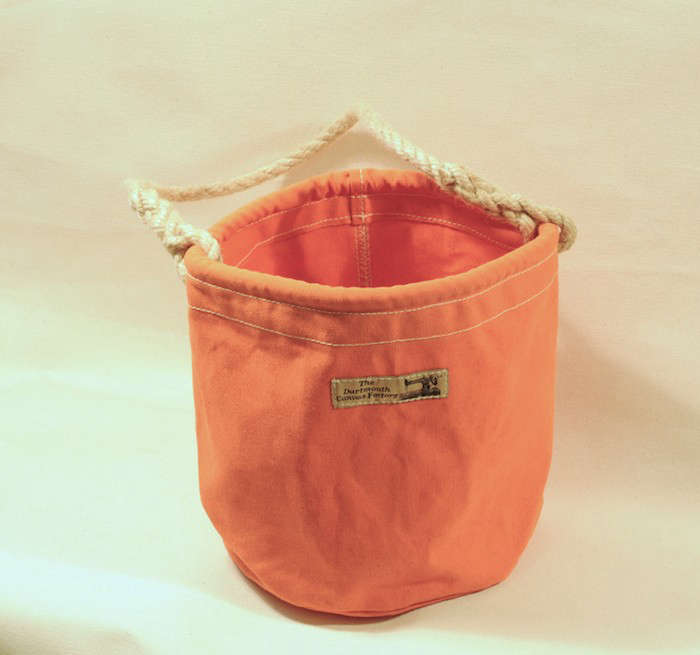
A water bucket is a portable container, usually open at the top, designed to hold and carry water or other materials. Most modern buckets are made from plastic, often high-density polyethylene, because it is lightweight, strong, corrosion-resistant, and inexpensive. Traditional buckets may be metal, rubber, wood, or canvas, but for everyday American households, the plastic bucket is the reigning champion.
The common 5-gallon bucket is the best-known size because it hits a useful middle ground: large enough to carry a meaningful amount of water, but still manageable for most adults when partially full. A full 5-gallon bucket of water weighs more than 40 pounds, so the handle matters. A sturdy metal bail with a plastic grip can be the difference between “productive Saturday” and “why is my driveway wearing three gallons of soapy water?”
Why the Water Bucket Still Matters
Technology has improved almost everything in the home, but the bucket remains stubbornly essential. It does not require batteries, software updates, or a subscription plan named BucketPlus. It simply works. During a plumbing problem, it catches leaks. During a power outage, it helps with stored water. In the garden, it becomes a watering tool, planter, compost carrier, or slow-drip irrigation helper. On a jobsite, it carries water, sand, mortar, tools, debris, and whatever else needs to move from “over there” to “right here.”
That versatility is exactly why choosing the right water bucket matters. A bucket used for cleaning chemicals should not later be used for drinking water. A bucket used for emergency storage should be clean, food-safe, covered, and clearly labeled. A bucket used for plants should be drilled for drainage unless you are intentionally building a hydroponic or self-watering system. One bucket can do many jobs, but it should not do every job in the same week.
Types of Water Buckets
Plastic Utility Buckets
Plastic utility buckets are the everyday workhorses. They are useful for mopping, washing cars, rinsing paintbrushes, cleaning patios, mixing small batches of material, and carrying water outdoors. They are affordable, stackable, and widely available. However, utility buckets are not always food-safe, even if they look clean and innocent on a hardware store shelf. If the label does not say food-grade, do not use it for drinking water, flour, rice, pet food, fermentation, or anything people may consume.
Food-Grade Water Buckets
A food-grade bucket is designed for contact with food or potable water. These buckets are often white or translucent and may be labeled BPA-free, food-safe, or made from approved HDPE plastic. They are ideal for emergency water storage, bulk dry goods, brining, brewing, gardening projects involving edible plants, and storing pet food. For long-term water storage, choose a bucket with a tight lid or screw-top lid to reduce contamination.
Collapsible Buckets
Collapsible buckets are popular for camping, RV travel, boating, fishing, and small apartments. They fold down when empty, which is wonderful if your storage closet already looks like a game of household Tetris. These buckets are convenient for temporary water carrying, dishwashing at camp, or rinsing gear, but they are usually less rigid than standard buckets. Check capacity, handle strength, and whether the material is safe for your intended use.
Metal Buckets
Metal buckets have an old-school charm and can be very durable. Galvanized steel buckets are often used for farm chores, decor, ashes, ice, or outdoor tasks. However, metal can dent, rust, heat up quickly in the sun, and may not be appropriate for potable water unless specifically rated for that purpose. For drinking water, a properly labeled food-grade plastic container is usually the safer and easier option.
Specialty Buckets
Some buckets are built for specific jobs: mop buckets with wringers, paint buckets with roller grids, bait buckets with aeration, fire pails, hydroponic buckets, compost buckets, and bucket toilets for emergency sanitation. These are still part of the larger water bucket family, but each has design features that make it better for one job and worse for another. A mop bucket is excellent for cleaning floors. It is not excellent for storing rice. Please do not make your pantry smell like lemon disinfectant and regret.
How to Choose the Best Water Bucket
Start with the Purpose
The best water bucket is the one that matches the job. For emergency drinking water, choose a new food-grade container with a secure lid. For cleaning, choose a durable utility bucket that is easy to rinse. For gardening, choose a 5-gallon bucket or larger container with drainage holes. For car washing, a wider bucket with a comfortable handle is more useful than a narrow one. For camping, lightweight and collapsible may matter more than maximum capacity.
Check the Material
High-density polyethylene, often shortened to HDPE, is common in strong plastic buckets. Food-grade HDPE buckets are widely used because they are durable and relatively easy to clean. Polypropylene buckets can also be useful, especially in smaller food-safe containers. Avoid unknown plastic containers for drinking water, especially if they previously held paint, chemicals, detergents, fertilizer, pool products, or mystery goo from the back of the garage.
Look at the Handle
A weak handle turns a bucket into a trap with a splash ending. Look for a sturdy metal or reinforced plastic handle, preferably with a comfortable grip. If you plan to carry water often, fill the bucket halfway rather than to the brim. Your back, wrists, and floor will all appreciate the decision.
Consider the Lid
A lid is essential for stored water, food, pet food, paint, compost, and anything you do not want invaded by dust, insects, curious pets, or gravity. Snap-on lids are simple and cheap. Screw-top lids are easier to open repeatedly and can create a better seal. For emergency water storage, a tight-fitting lid keeps the bucket cleaner and reduces the chance of accidental spills.
Think About Color
Color is not just decoration. White or translucent buckets make it easier to see contents and cleanliness. Dark buckets may absorb more heat in direct sun, which can be undesirable for stored water or delicate plant roots. If you use multiple buckets, color coding is smart: blue for clean water, gray for cleaning water, green for gardening, and red for “do not drink this unless you enjoy terrible life choices.”
Safe Water Storage in Buckets
A water bucket can support emergency preparedness, but only if used correctly. For household readiness, many U.S. emergency-preparedness recommendations advise storing at least one gallon of water per person per day for several days. That amount covers drinking and basic sanitation, but hot climates, illness, pregnancy, pets, and physical work can increase needs.
For emergency water storage, use clean food-grade containers with tight covers. Wash the bucket with dish soap and clean water, rinse it completely, then sanitize it before filling. Use only clean drinking water for storage. Label the container with the filling date, store it in a cool and dark place, and keep it away from gasoline, pesticides, paint, and household chemicals. Plastic can absorb odors, and nobody wants emergency water with tasting notes of lawn mower fuel.
If you fill containers yourself, rotate the water about every six months. Store-bought water should be used by its expiration or best-by date. Never use a bucket that previously held toxic substances for drinking water, even if it has been washed. Some mistakes are not worth testing with your digestive system.
Cleaning and Sanitizing a Water Bucket
Cleaning and sanitizing are not the same. Cleaning removes dirt, residue, and visible grime. Sanitizing reduces germs after cleaning. For water storage, both steps matter. Start by scrubbing the bucket with warm water and dish soap. Pay attention to the rim, handle attachments, lid groove, and bottom corners. Rinse until no soap remains.
For sanitizing, use an appropriate unscented household bleach solution according to public-health guidance and the concentration on the bleach label. The solution should contact all inside surfaces, including the lid. After sanitizing, let the bucket air-dry or rinse as directed for the use case. Do not use scented bleach, splashless bleach, color-safe bleach, or products with added cleaners for potable water preparation.
For cleaning buckets used with soil, compost, fish, paint, or pet waste, keep them permanently assigned to those tasks. A marker label is cheap insurance. Write “garden only,” “mop only,” or “tools only” directly on the bucket. Future you will thank present you for not creating a suspense thriller called Which Bucket Was This?
Water Bucket Safety: The Serious Part
Buckets look harmless, but water safety is important. Large buckets, especially 4- and 5-gallon sizes, can be dangerous for toddlers. Their tall sides and stable bases make it difficult for a small child to escape if they fall in headfirst. Even a small amount of water can be hazardous. Always empty buckets immediately after use, store them upside down, and keep them out of reach of young children.
Also be careful when carrying full buckets. Water is heavy, and repeated lifting can strain the back, shoulders, and wrists. Use two smaller buckets instead of one huge load when possible. Keep pathways clear, wear shoes with grip, and avoid carrying buckets on stairs unless necessary. A bucket spill on tile can turn a normal Tuesday into amateur ice dancing.
Never mix cleaning chemicals in a bucket unless the product labels specifically say it is safe. Bleach and ammonia, for example, should never be combined because the mixture can produce dangerous fumes. Rinse cleaning buckets thoroughly after each use and ventilate the area when using disinfectants.
Water Buckets in the Garden
Gardeners have loved buckets for generations because buckets are cheap, portable, and adaptable. A 5-gallon bucket can become a planter for tomatoes, peppers, eggplants, herbs, or flowers. For most soil-based planting, drill drainage holes in the bottom so roots do not sit in soggy soil. Use a quality potting mix rather than heavy garden soil, which can compact and suffocate roots in containers.
Self-watering bucket planters are especially useful for busy gardeners. These systems usually include a water reservoir, a wicking area, and an overflow hole. The plant draws moisture as needed, which can reduce watering stress during hot weather. Food-grade buckets are a smart choice for edible crops, especially if the bucket will hold soil for an entire growing season.
A bucket can also become a slow-drip watering device for trees. Drill a small hole near the bottom, place the bucket near the root zone, fill it with water, and let the water seep out gradually. This helps reduce runoff and gives the soil time to absorb moisture. It is not glamorous, but neither is watching a newly planted tree become a sad stick.
Water Conservation with a Bucket
A water bucket can help reduce household water waste. Use a bucket to catch cold water while waiting for the shower to warm, then pour that water on outdoor plants. Wash cars or bikes with a bucket and sponge rather than leaving a hose running. Keep a small bucket near the kitchen sink to collect rinse water from fruits and vegetables for ornamental plants.
However, use common sense with reused water. Do not pour salty, greasy, heavily soapy, or chemically contaminated water on edible plants. Rainwater and lightly used rinse water can be helpful in gardens, but drinking water requires a much higher safety standard. A bucket is a conservation tool, not a magic purification device wearing a handle.
DIY and Household Uses
The water bucket is a favorite in DIY work because it can measure, mix, carry, rinse, soak, and store. When mixing concrete or mortar, a bucket helps control water amounts. Add water gradually because too much water can weaken mixes and create a sloppy texture. For painting, a 5-gallon bucket with a roller screen can be more efficient than a shallow tray, especially for larger rooms.
For cleaning windows, a bucket of clean water with a small amount of dish soap is a classic setup. For soaking tools, rinsing brushes, cleaning bird feeders, washing outdoor furniture, or scrubbing decks, the bucket remains hard to beat. It is not fancy, but it is usually within arm’s reach when fancy tools are still in the online shopping cart.
Common Water Bucket Mistakes
Using the Same Bucket for Everything
This is the big one. Do not use one bucket for mopping floors, washing the dog, storing emergency water, fertilizing tomatoes, and brining turkey. Assign buckets by purpose and label them clearly.
Ignoring the Lid
If the bucket stores anything important, use a lid. Open buckets collect dust, insects, leaves, pet hair, and the occasional “what is that floating thing?” moment.
Overfilling
A bucket filled to the top is difficult to carry and easy to spill. Fill it to a comfortable level, especially when walking through the house.
Leaving Water Sitting Outside
Standing water can attract mosquitoes and create safety risks. Empty outdoor buckets after use, store them upside down, or cover them securely.
Assuming All Plastic Is Food-Safe
Some plastic buckets are utility-grade only. If the bucket will touch food or drinking water, look for a food-grade label.
Real-World Experiences with Water Buckets
The funny thing about a water bucket is that people rarely appreciate it until the exact moment they desperately need one. In everyday home life, the bucket often plays the role of emergency assistant. A small leak under the sink may start as a drip, but a bucket buys time while you shut off the valve, call a plumber, or search for the wrench that was definitely in the drawer last week. In that situation, the best bucket is not the prettiest one. It is the one you can find quickly.
Gardeners often develop a personal relationship with their favorite bucket. One bucket may be used for carrying compost, another for watering seedlings, and another for harvesting tomatoes, peppers, or cucumbers. A bucket with measurements marked on the side becomes especially useful for mixing fertilizer, soaking bare-root plants, or testing how much water a young tree receives. After a few seasons, that scratched-up garden bucket may look like it fought a raccoon and lost, but it still works beautifully.
Campers and RV owners know the value of a collapsible water bucket. It can carry dishwater, rinse sandy feet, hold fishing gear, or serve as a temporary wash station. Around a campsite, a bucket can also help keep water close to a fire ring for safety, though it should never replace proper fire precautions. The key lesson from camping is simple: the lighter and easier a bucket is to store, the more likely you are to actually bring it.
In cleaning routines, a bucket teaches efficiency. Fill it with warm soapy water, carry it room to room, and you avoid running back to the sink every three minutes. For car washing, using a bucket and sponge can reduce water waste compared with a constantly running hose. For floors, a dedicated mop bucket keeps dirty water separate from clean supplies. The experience is not glamorous, but neither is stepping on sticky kitchen tile at midnight.
During storms or outages, buckets become part of household resilience. A clean, labeled food-grade bucket can support water storage. A utility bucket can flush toilets with stored water when service is interrupted. Another bucket can collect roof drips or move water away from a doorway. These are not exciting tasks, but practical preparedness is rarely cinematic. It is mostly containers, labels, lids, and the quiet satisfaction of being ready.
DIYers also learn that buckets are problem-solvers. They hold screws during a fence repair, rinse trowels after concrete work, support a paint roller screen, and carry debris after demolition. A bucket can become a seat, a tool caddy, a planter, a wash basin, or a temporary trash can. The lesson from real-life use is clear: buy more than one. The moment you own only one bucket, every task in the house will need it at the same time.
Conclusion
The water bucket may be simple, but it is not ordinary. It helps families clean, garden, prepare for emergencies, conserve water, complete DIY projects, and handle household surprises with less chaos. The best bucket depends on the job: food-grade with a lid for potable water, tough utility plastic for cleaning, drilled 5-gallon buckets for container gardening, collapsible buckets for travel, and clearly labeled buckets for tasks that should never mix.
Choose wisely, clean carefully, store safely, and treat every bucket according to its purpose. A good water bucket will not make dinner, answer emails, or fold laundry, which is rude of it, honestly. But when water needs carrying, storing, catching, mixing, or conserving, this humble tool proves it still deserves a permanent spot in the home.
Note: This article synthesizes practical information from U.S. emergency-preparedness, public-health, consumer-safety, university-extension, water-conservation, retail product, and home-improvement guidance. Source links are intentionally omitted for clean web publishing.