Note: This article is for educational purposes and is based on current U.S. public health and medical guidance. It is not a substitute for advice from a pediatrician, dermatologist, pharmacist, or other licensed healthcare professional.
Few phrases can turn a calm evening into a full-blown household investigation quite like, “I think I saw something moving in your hair.” Head lice are tiny, stubborn, and wildly unpopular guests. The good news? They are common, treatable, and not a sign that anyone is dirty, careless, or secretly living in a cartoon swamp.
Head lice are parasitic insects that live close to the scalp and feed on tiny amounts of human blood. They are most common among preschool and elementary school children, largely because kids are excellent at sharing personal space, hugs, costumes, sports helmets, and secrets at a distance of approximately zero inches. Adults can get lice too, especially parents, caregivers, siblings, teachers, and anyone whose head gets close to an infested person’s head.
The key to handling head lice is not panic. It is knowing what to look for, treating correctly, avoiding unnecessary home “disaster cleaning,” and checking again at the right time. This guide breaks down the symptoms, causes, treatments, prevention tips, myths, school rules, and practical household strategies you need to manage head lice without turning your laundry room into a command center.
What Are Head Lice?
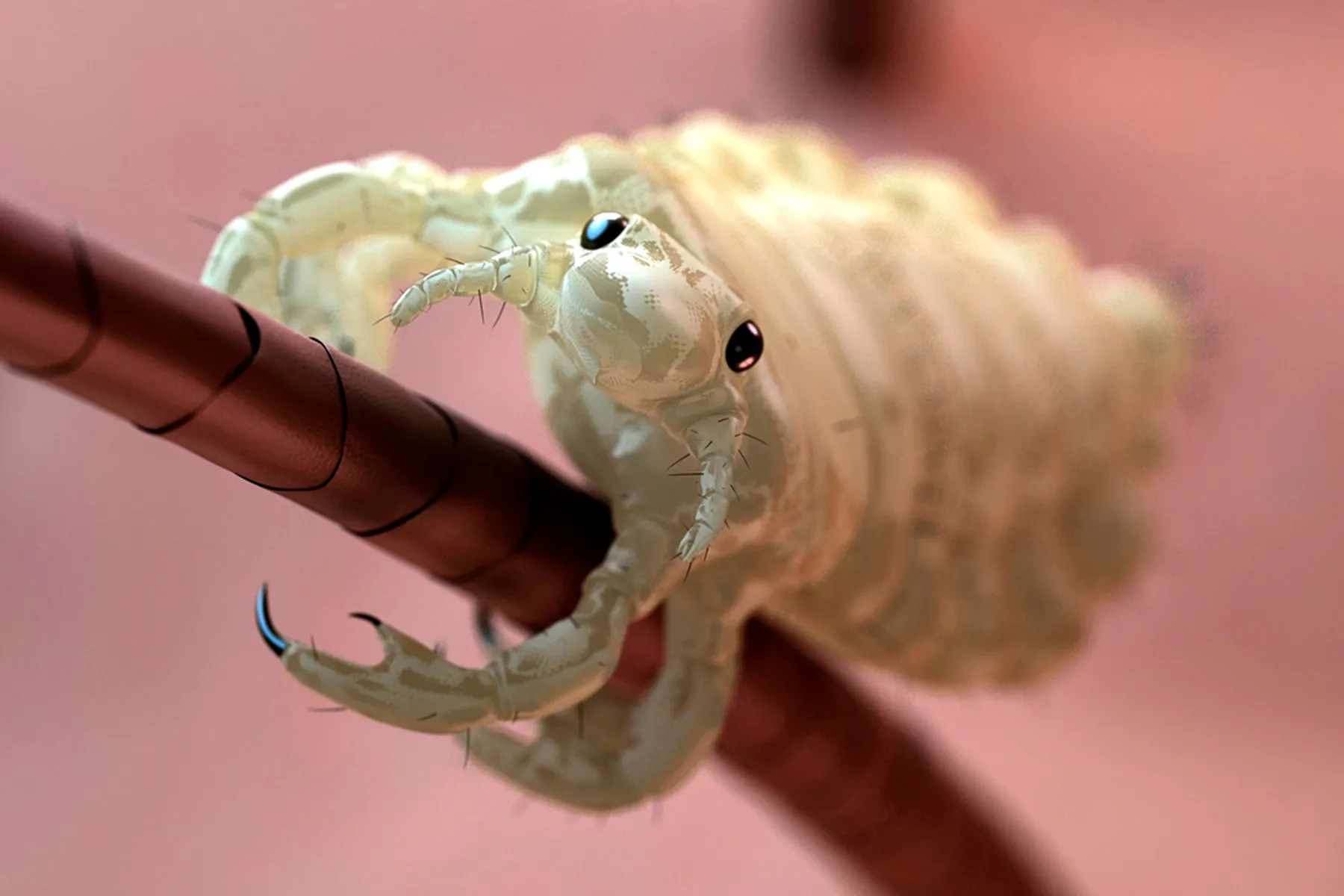
Head lice are small, wingless insects that live on the human scalp. An adult louse is about the size of a sesame seed, though spotting one can feel like trying to locate a beige ninja in a forest of hair. Lice cannot fly. They cannot jump. They crawl. This matters because it means head lice usually spread through direct head-to-head contact, not by leaping across classrooms like tiny Olympic athletes.
There are three main stages in the head lice life cycle: nits, nymphs, and adult lice. Nits are lice eggs. They are usually attached firmly to hair shafts near the scalp, where warmth helps them develop. Nymphs are young lice that hatch from eggs and mature into adults. Adult lice can live for several weeks on the scalp, laying more eggs and creating the itchy little problem everyone would rather not discuss over dinner.
Head lice are annoying, but they are not known to spread disease. That is an important point. They can cause itching, irritation, sleep disruption, embarrassment, and plenty of frustration, but they are not a medical emergency in most cases.
Common Symptoms of Head Lice
The most familiar symptom of head lice is scalp itching, but itching does not always appear right away. Some people develop itching because of an allergic reaction to lice bites. Others may have lice and barely scratch at all, especially early in an infestation.
Signs to Watch For
Common signs and symptoms include:
- Itching on the scalp, especially behind the ears and near the back of the neck
- A tickling feeling, as if something is moving in the hair
- Trouble sleeping, because lice are often more active in the dark
- Small red bumps or irritation on the scalp, neck, or shoulders
- Sores or scabs caused by scratching
- Visible lice or nits attached to hair shafts
If scratching leads to open sores, the skin can sometimes become infected. Signs of infection may include increasing redness, swelling, warmth, pain, crusting, or drainage. In that case, it is time to contact a healthcare professional.
How to Check for Head Lice
Checking for head lice works best with bright light, patience, and a fine-toothed lice comb. Seat the person comfortably, part the hair in small sections, and look carefully near the scalp. The areas behind the ears and at the nape of the neck are prime real estate for lice and nits.
Live lice move quickly and may be hard to spot. Nits are easier to see, but they can be confused with dandruff, hair product buildup, or tiny bits of debris. The difference is that dandruff usually flakes away easily, while nits cling tightly to the hair shaft. If a white speck slides off with a gentle flick, it is probably not a nit. If it acts like it signed a lease on the hair strand, take a closer look.
A diagnosis is strongest when you find a live crawling louse. Nits close to the scalp can also suggest an active infestation, especially if they are within about a quarter inch of the scalp. Old nits farther down the hair shaft may simply be leftovers from a previous infestation.
How Head Lice Spread
Head lice spread mainly through direct head-to-head contact. This is why children are commonly affected. Group play, sleepovers, selfies, reading circles, sports, and shared tablet time can all bring heads close together.
Less commonly, lice may spread through items that touch the head, such as hats, scarves, hairbrushes, combs, hair accessories, pillows, or helmets. However, lice do not survive long away from a human scalp, so furniture, carpets, and stuffed animals are not usually the main problem. In other words, your couch is not plotting against you.
What Does Not Cause Head Lice?
Head lice are not caused by poor hygiene. They are not attracted to dirty hair. They do not care whether someone uses fancy shampoo, budget shampoo, or a “smells like tropical vacation” conditioner. Lice simply need human hair and access to the scalp.
Pets do not spread human head lice. Dogs and cats have their own problems, but they are not responsible for this particular household drama.
Best Head Lice Treatments
Head lice treatment usually involves an over-the-counter or prescription lice medicine, careful combing, and follow-up checks. The most important rule is simple: follow the product directions exactly. More medicine is not better. Leaving it on longer than instructed is not smarter. Mixing products is not a secret shortcut. It is just a way to irritate skin and possibly make the problem worse.
Over-the-Counter Treatments
Many families start with over-the-counter treatments containing ingredients such as permethrin or pyrethrins. These products can be effective when used correctly, but some treatments kill live lice better than eggs. That means a second treatment may be needed several days later to kill newly hatched lice before they can lay more eggs.
Before using any lice treatment, read the label carefully. Some products are not recommended for very young children, people with certain allergies, or specific health situations. Ask a pharmacist, pediatrician, or dermatologist if you are unsure which product is appropriate.
Prescription Treatments
If over-the-counter treatment does not work after proper use, a healthcare professional may recommend a prescription option. Prescription treatments may include products that kill lice through different mechanisms. Some may also kill eggs, reducing the need for repeated applications, while others still require follow-up.
Do not keep applying the same treatment again and again if live lice remain after careful use. Lice may survive because of incorrect application, reinfestation from close contact, or reduced effectiveness of a product in your area. A clinician can help determine the next best step.
Wet Combing and Nit Removal
Wet combing can be helpful, especially when combined with appropriate treatment. To wet comb, dampen the hair, apply a small amount of conditioner to help the comb glide, and use a fine-toothed metal lice comb. Work section by section from the scalp to the ends, wiping the comb after each pass.
Combing takes time. For thick, curly, or long hair, it can feel like a marathon hosted by a very tiny villain. Still, it can remove live lice and nits, reduce the number of eggs, and help you monitor whether treatment is working.
What Not to Use for Head Lice
Some home remedies for head lice are ineffective, irritating, or dangerous. Do not use gasoline, kerosene, paint thinner, insect sprays, pet flea products, or household pesticides on the head or body. These are unsafe and can cause serious harm.
Essential oils, mayonnaise, butter, petroleum jelly, vinegar, and similar home remedies are popular online, but evidence for their effectiveness is limited and inconsistent. Some can irritate the skin or eyes. Essential oils can also cause allergic reactions and should be used cautiously, especially around children.
Heat devices marketed for lice should be used only by trained professionals or according to reliable medical advice. Do not use a hair dryer immediately after applying flammable lice products, and never attempt extreme heat methods at home.
Cleaning Your Home Without Losing Your Mind
When head lice appear, many people feel the urge to wash everything they own, including curtains, sofa cushions, backpacks, and possibly the family car. Take a breath. Head lice live on people, not houses.
Focus on items that had direct contact with the infested person’s head during the previous day or two. Wash bedding, pillowcases, recently worn hats, scarves, and clothing in hot water and dry them on high heat if the fabric allows. Items that cannot be washed can be sealed in a plastic bag for about two weeks, though many experts consider extensive bagging unnecessary for most situations.
Soak combs, brushes, and hair accessories in hot water according to safety guidance, or clean them thoroughly. Vacuum areas where the person recently sat or lay down, such as a couch or car seat. Avoid pesticide sprays in the home. They are unnecessary for head lice and can pose health risks.
How to Prevent Head Lice
There is no perfect way to prevent head lice, especially among young children. Still, a few habits can lower the risk.
- Encourage children to avoid head-to-head contact during play, sports, sleepovers, and group photos.
- Do not share combs, brushes, hats, scarves, helmets, hair ties, or headphones.
- Keep long hair tied back during outbreaks at school or camp.
- Check hair regularly if there has been close contact with someone who has lice.
- Treat confirmed cases promptly and check household members every few days.
Routine panic-checking every single day is not necessary. A calm weekly check during school outbreaks is usually more useful than dramatic nightly inspections that make everyone dread bedtime.
Head Lice and School: Should Kids Stay Home?
Many schools have moved away from strict “no-nit” policies because nits alone do not always mean a child has an active infestation. Also, head lice are not known to spread disease. Current public health guidance generally supports allowing children with head lice to remain in school until the end of the day and return after appropriate treatment has started.
That said, school policies can vary. Parents should notify the school nurse or appropriate staff if their child has confirmed head lice and follow local rules. The goal should be practical, calm managementnot shame, blame, or turning a classroom into a courtroom.
When to Call a Doctor
Most head lice cases can be managed at home, but medical advice is helpful in certain situations. Contact a healthcare professional if:
- You are treating a baby or very young child
- The person is pregnant, nursing, or has a sensitive medical condition
- There are signs of skin infection from scratching
- Live lice remain after correct treatment and retreatment
- You are unsure whether you are seeing lice, nits, dandruff, or something else
- The scalp is very irritated, swollen, painful, or crusted
A doctor, dermatologist, or pharmacist can help identify the problem and recommend a safe treatment plan.
Common Myths About Head Lice
Myth 1: Head Lice Mean Someone Is Dirty
False. Head lice can affect anyone with hair. Clean hair, dirty hair, short hair, long hair, curly hair, straight hairlice are not picky.
Myth 2: Lice Jump From Person to Person
False. Lice crawl. Direct head-to-head contact is the main way they spread.
Myth 3: You Must Throw Away Bedding and Toys
False. Washing or drying recently used items on heat is usually enough. Extreme cleaning is rarely needed.
Myth 4: If You See Nits, You Definitely Have Active Lice
Not always. Nits close to the scalp are more concerning. Nits farther away may be old, empty, or no longer viable.
Myth 5: Pets Spread Head Lice
False. Human head lice live on humans. The family dog is innocent this time.
A Practical Step-by-Step Plan for Families
If you find head lice, start with a calm plan. First, confirm what you are seeing. Look for live lice and nits close to the scalp. Second, check household members, especially anyone who shares beds, hugs often, or has close hair-to-hair contact. Third, treat only people with live lice or strong evidence of active infestation. Treating everyone “just in case” can expose people to unnecessary medication and irritation.
Next, use the selected treatment exactly as directed. Do not wash the hair too soon after treatment if the product label says to wait. Comb carefully to remove lice and nits. Mark the calendar for follow-up checks and any recommended second treatment. Finally, clean recently used personal items and bedding without launching a whole-house sanitation campaign.
During the next two weeks, keep checking. Finding a few nits after treatment does not always mean failure, but finding live moving lice may mean retreatment, reinfestation, or the need for a different product. Stay consistent, not frantic.
Real-Life Experiences: What Head Lice Teaches Families
Head lice are one of those parenting and caregiving experiences that nobody puts in the baby book, yet many families eventually face it. The first reaction is usually disbelief. “But we wash hair!” “But we just changed the sheets!” “But we are normal people with normal shampoo!” Then comes the close inspection under a lamp, the emergency pharmacy trip, and the sudden realization that a fine-toothed comb can become the most important tool in the house.
One common experience is the emotional side of lice. Children may feel embarrassed, scared, or guilty, even though they did nothing wrong. Parents may feel judged, especially when they have to notify school, camp, or another family. A calm explanation helps: lice are common, lice are treatable, and lice do not mean someone is dirty. Saying this out loud matters. It turns the situation from a shame spiral into a practical problem, like losing a lunchbox or stepping in gumannoying, yes, but survivable.
Another lesson families learn quickly is that treatment is a process, not a magic wand. Many people expect one shampoo to end the issue immediately. Sometimes it does. Sometimes it does not. The most successful households usually combine correct treatment, careful combing, and scheduled follow-up checks. They do not guess. They read labels, set reminders, and inspect the scalp in sections. It may not be glamorous, but neither is folding fitted sheets, and society continues anyway.
Hair type also affects the experience. Fine straight hair may be easier to comb quickly, while thick, curly, coily, or long hair can require more time, detangling, patience, and comfort breaks. Families with textured hair may need to work in smaller sections and use a method that protects the hair while still allowing careful inspection. The goal is not to punish the scalp. The goal is to remove lice and nits while keeping the person comfortable and respected.
Household communication becomes important too. If one child has lice and a sibling shares a bed, both should be checked. If a close friend recently had sleepover contact, their family may need a heads-up. These conversations can feel awkward, but they are helpful. A simple message works best: “We found head lice today and started treatment. Since the kids had close contact, you may want to check.” No drama, no blame, no detective board with red string.
Many families also discover that over-cleaning adds stress without much benefit. The first instinct may be to bag every stuffed animal, vacuum twice, and wash every curtain in the home. Experience teaches a more reasonable approach: clean items that touched the head recently, wash bedding and hats, clean brushes, and move on. The scalp is the main location to manage.
Finally, head lice can teach patience. It may take days or a couple of weeks to feel fully confident that the infestation is gone. During that time, a calm routine beats panic. Check, comb, follow directions, repeat if needed, and ask for medical help if treatment is not working. Head lice may be stubborn, but with the right information and a steady plan, they are absolutely manageable.
Conclusion
Head lice are common, inconvenient, and deeply unwelcomebut they are also treatable. The most important things to remember are simple: lice do not mean poor hygiene, they spread mainly through direct head-to-head contact, and they are not known to spread disease. Successful treatment depends on correct diagnosis, proper use of lice medicine, careful combing, sensible cleaning, and follow-up checks.
Avoid dangerous home remedies and household pesticide sprays. Do not panic over every speck in the hair. Focus on live lice, nits close to the scalp, and practical treatment steps. If lice keep coming back or the scalp becomes irritated or infected, contact a healthcare professional. With patience, the right comb, and a little household teamwork, head lice can be handled without turning your home into a laboratoryor your family into a reality show.