Foot cramps have a talent for dramatic timing. They show up at 2:13 a.m., while you are peacefully asleep, or halfway through a walk when your toes suddenly decide to form a tiny protest committee. One second, your foot is minding its business. The next, your arch tightens, your toes curl, and you are hopping around like you have stepped on invisible lava.
The good news: most foot cramps are common, temporary, and manageable at home. The better news: you can often reduce how often they happen by stretching, hydrating, wearing better shoes, adjusting activity, and paying attention to warning signs. The not-so-fun-but-important news: frequent or severe foot cramps can sometimes point to medication side effects, nerve problems, circulation issues, diabetes, kidney disease, pregnancy-related changes, or electrolyte imbalance.
This guide explains how to deal with foot cramps quickly, why they happen, how to prevent them, and when your feet are politely asking you to call a healthcare professional instead of just bargaining with them at midnight.
What Are Foot Cramps?
Foot cramps are sudden, involuntary muscle contractions in the foot. They may affect the arch, toes, sole, or the small muscles around the ankle. A cramp can feel like a sharp squeeze, a knot, a pulling sensation, or a toe-curling spasm that briefly turns your foot into modern art.
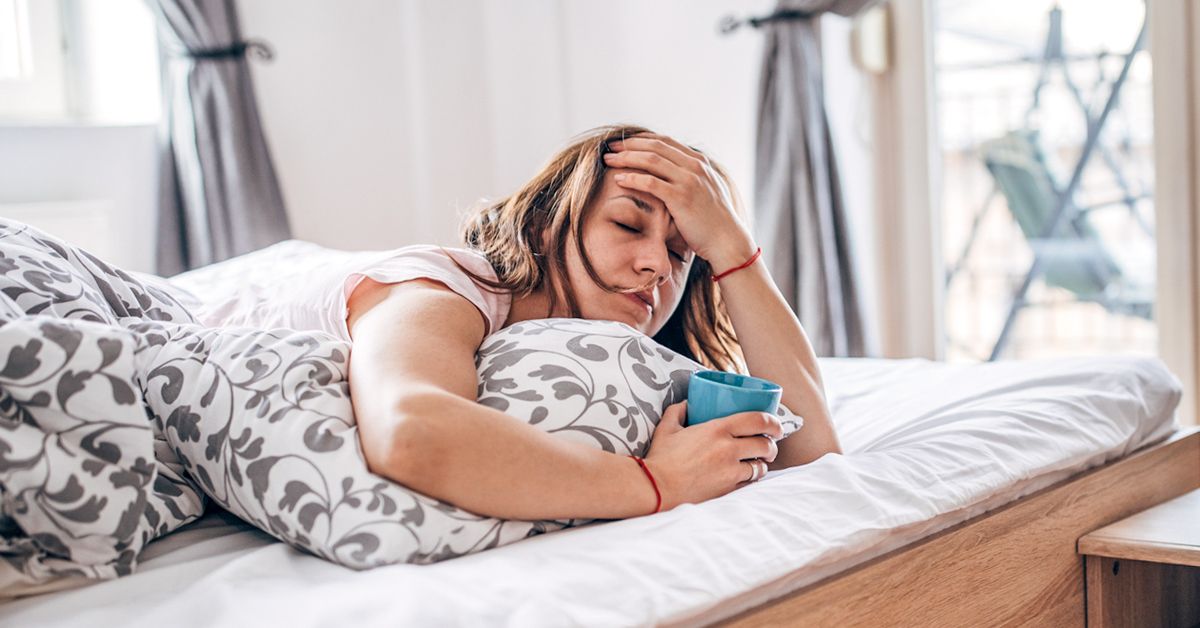
Most cramps last from a few seconds to a few minutes. Afterward, the muscle may feel sore or tender, much like it just completed a tiny workout without asking your permission. Foot cramps can happen during exercise, after long periods of standing, while resting, or at night. Nighttime foot cramps are especially annoying because they interrupt sleep and make the bedroom floor feel very far away.
How to Stop a Foot Cramp Fast
When a foot cramp hits, your goal is simple: relax the muscle, restore movement, and calm the pain. Here is a practical step-by-step approach.
1. Stretch the Foot Gently
Sit down and pull your toes upward toward your shin. This stretches the arch and the bottom of the foot. If your toes are curling downward, gently guide them in the opposite direction. Hold the stretch for 15 to 30 seconds, release, and repeat. Do not yank your toes like you are starting a lawn mower. Gentle pressure works better than panic wrestling.
2. Massage the Tight Area
Use your thumbs to massage the arch, ball of the foot, or cramped toes. Small circular motions can help the muscle relax. If the cramp is in the arch, press along the tight band of muscle from heel to toes. A tennis ball, massage ball, or frozen water bottle can also help once the worst spasm has passed.
3. Stand Up Carefully
If you can safely stand, place your foot flat on the floor and gently shift weight onto it. This can help lengthen the cramped muscles. For toe cramps, try spreading your toes and pressing them into the floor. Hold onto a wall, chair, or bed frame if you are half-asleep and not in your most graceful era.
4. Use Heat or Cold
Warmth can relax a tight muscle. Try a warm towel, heating pad, or warm foot bath for 10 to 15 minutes. If the foot feels sore afterward, a cold pack wrapped in a towel may reduce tenderness. Heat is usually best during the cramp; cold can be useful after the muscle has settled down.
5. Drink Fluids
If you have been sweating, exercising, drinking alcohol, spending time in hot weather, or simply forgot water exists today, sip fluids. Water is usually enough for everyday cramps. If you have been sweating heavily for a long time, an electrolyte drink or a snack containing sodium, potassium, calcium, or magnesium may help restore balance.
Common Causes of Foot Cramps
Foot cramps rarely come with a written explanation, which is rude. But several common triggers can make them more likely.
Dehydration
Muscles need fluid to contract and relax properly. When you are dehydrated, muscle function may become more irritable. Dehydration is more likely after intense exercise, heat exposure, vomiting, diarrhea, alcohol intake, or not drinking enough throughout the day.
Electrolyte Imbalance
Electrolytes such as sodium, potassium, calcium, and magnesium help nerves and muscles communicate. If levels are off, especially after heavy sweating or certain medical conditions, cramps may appear. That does not mean every foot cramp requires a supplement. In many cases, a balanced diet and hydration are enough.
Muscle Overuse
Long walks, running, dancing, standing all day, climbing stairs, or suddenly becoming a weekend fitness legend can fatigue the small muscles in the foot. Fatigued muscles are more likely to cramp, especially if you skip warmups, cooldowns, or recovery.
Unsupportive Shoes
Shoes that are too tight, too loose, too flat, too worn out, or too dramatic in the heel department can increase strain on the foot. High heels can crowd the toes and shorten calf muscles. Flip-flops may force your toes to grip constantly. Old sneakers may look loyal but provide the support of a wet napkin.
Prolonged Sitting or Sleeping Position
Keeping the foot pointed downward for long periods can shorten muscles and trigger cramps. This is one reason foot cramps may happen in bed. Heavy blankets tucked tightly over the toes can also hold the feet in a pointed position.
Pregnancy
Foot and leg cramps are common during pregnancy, especially later in pregnancy. Changes in circulation, body weight, nerve pressure, and mineral needs may all contribute. Pregnant people should talk with a healthcare provider before starting supplements.
Medications
Some medications may contribute to muscle cramps, including certain diuretics, blood pressure medicines, cholesterol-lowering drugs, asthma medications, and others. Never stop a prescribed medication on your own. If cramps started after a new prescription, ask your healthcare provider or pharmacist to review it.
Medical Conditions
Frequent foot cramps may be associated with diabetes-related nerve problems, peripheral artery disease, kidney disease, thyroid disorders, nerve compression, vitamin deficiencies, or other health issues. This is especially important if cramps come with numbness, tingling, burning pain, weakness, swelling, skin color changes, or wounds that heal slowly.
Best Stretches for Foot Cramps
Stretching is one of the most reliable ways to relieve and prevent cramps. Think of it as telling your foot, “We are not doing this nonsense tonight.”
Toe Pull Stretch
Sit with one leg crossed over the other. Hold your toes and gently pull them back toward your shin until you feel a stretch along the arch. Hold for 20 to 30 seconds. Repeat two or three times per foot.
Calf Wall Stretch
Stand facing a wall. Place one foot behind you, heel flat, toes pointing forward. Bend the front knee while keeping the back leg straight. Hold for 30 seconds. This stretches the calf and Achilles tendon, which can influence tension through the foot.
Towel Stretch
Sit with your legs extended. Loop a towel around the ball of one foot and gently pull the towel toward you. Keep the knee straight but not locked. Hold for 20 to 30 seconds. This is especially helpful before bed.
Toe Curls with a Towel
Place a small towel on the floor. Use your toes to scrunch the towel toward you. Repeat 10 times. This strengthens the small muscles of the foot, which may help reduce fatigue-related cramps over time.
Ankle Circles
Lift one foot and slowly rotate the ankle five to ten times in each direction. This helps improve movement and reduces stiffness, especially after sitting for long periods.
How to Prevent Foot Cramps
Stay Hydrated Throughout the Day
Do not wait until bedtime to chug water like you are trying to win a hydration contest. Spread fluids throughout the day. Your needs depend on your activity level, climate, body size, medications, and health conditions. If you exercise or sweat heavily, replace fluids gradually before, during, and after activity.
Eat a Mineral-Rich Diet
A healthy diet supports normal muscle function. Include foods rich in potassium, magnesium, calcium, and sodium in reasonable amounts. Good choices include bananas, oranges, potatoes, sweet potatoes, spinach, beans, lentils, nuts, seeds, yogurt, milk, fortified plant milks, fish, and whole grains. If you have kidney disease, heart disease, high blood pressure, or take medications that affect minerals, ask your clinician before increasing electrolyte intake or using supplements.
Stretch Before Bed
If your cramps happen at night, spend three to five minutes stretching your calves, arches, and toes before sleep. You can also try a few minutes of gentle stationary cycling or walking around the room. Keep blankets loose around your feet so your toes are not forced downward all night.
Upgrade Your Shoes
Choose shoes with enough room in the toe box, stable support, and cushioning that matches your activity. Replace worn-out athletic shoes. If your job keeps you standing on hard floors, consider supportive footwear or anti-fatigue mats. If you have flat feet, high arches, bunions, plantar fasciitis, or recurring foot pain, a podiatrist may recommend orthotics or specific shoe features.
Ease Into Exercise
Sudden changes in activity can invite cramps. Increase walking, running, hiking, or gym workouts gradually. Warm up before intense activity and cool down afterward. If a cramp appears during exercise, stop, stretch gently, and restart only when the muscle feels normal.
Limit Alcohol and Excess Caffeine
Alcohol can contribute to dehydration and may affect sleep quality. Too much caffeine may also bother some people, especially when paired with low fluid intake. You do not need to break up with coffee dramatically. Just keep the relationship mature and hydrated.
Review Medications
If foot cramps began after starting a new medication or increasing a dose, ask your healthcare provider or pharmacist whether cramps are a known side effect. A medication review can be especially helpful if you take diuretics, statins, asthma medications, or several prescriptions.
Should You Take Magnesium for Foot Cramps?
Magnesium is popular for muscle cramps, but it is not a magic “cramp eraser.” Some people may benefit if they are deficient, but evidence for routine magnesium supplementation is mixed, especially for typical nighttime cramps. Too much magnesium can cause diarrhea, nausea, and medication interactions. People with kidney disease should be especially cautious.
The smarter approach is to get magnesium from food first: nuts, seeds, leafy greens, legumes, whole grains, and some fish. If you are considering a supplement, talk with a healthcare provider, particularly if you are pregnant, have kidney problems, or take medications.
What Not to Do During Foot Cramps
Do not forcefully pull the foot into a painful position. Do not keep exercising through a severe cramp. Do not start quinine for nighttime cramps unless a physician specifically discusses risks and benefits with you; quinine is not recommended for routine cramp treatment because it can cause serious side effects. Do not assume every cramp is “just dehydration” if symptoms are frequent, worsening, or paired with numbness, swelling, weakness, or circulation changes.
When to See a Doctor About Foot Cramps
Most occasional foot cramps are not dangerous. Still, it is time to get medical advice if cramps are frequent, severe, worsening, or interfering with sleep and daily life. You should also seek care if cramps come with leg swelling, redness, warmth, muscle weakness, numbness, tingling, burning pain, skin color changes, cold feet, wounds, chest pain, shortness of breath, or pain that appears during walking and improves with rest.
People with diabetes, kidney disease, thyroid disease, circulation problems, pregnancy, or neurological conditions should mention recurring foot cramps during medical visits. A clinician may check your medications, hydration status, circulation, nerve function, blood sugar, kidney function, thyroid levels, or vitamin and mineral status depending on your symptoms.
Foot Cramps at Night: Why They Feel Worse
Night cramps feel more intense because they ambush you when your body is relaxed. During sleep, the feet may point downward, shortening the calf and foot muscles. If the bedding holds the toes in that position, the muscles can tighten further. Add daytime fatigue, dehydration, or unsupportive shoes, and your feet may file a complaint after midnight.
To reduce nighttime foot cramps, try stretching before bed, keeping blankets loose, drinking enough fluids earlier in the day, and wearing supportive shoes during long standing or walking. If cramps wake you often, keep a towel near the bed so you can stretch the foot without launching into a sleepy acrobatics routine.
Simple Daily Routine to Reduce Foot Cramps
Here is a practical five-minute routine:
- Morning: Do 10 ankle circles per foot and 10 toe curls.
- Midday: Take short walking breaks if you sit for long periods.
- After activity: Stretch calves and arches for 30 seconds per side.
- Evening: Roll each foot over a tennis ball for one minute.
- Before bed: Do a towel stretch and keep bedding loose around your feet.
This routine is not glamorous. No one will make a superhero movie about toe curls. But consistency often beats complicated solutions.
Experience-Based Tips: What Actually Helps in Real Life
When people talk about foot cramps, the advice often sounds simple: drink water, stretch, wear better shoes. And yes, those basics matter. But in real life, the solution usually comes from noticing patterns. Foot cramps are tiny detectives. They leave clues. Your job is to stop ignoring the evidence because your feet, unfortunately, cannot send a formal email.
One common pattern is the “busy day cramp.” This happens after standing for hours, walking more than usual, cleaning the house like you are preparing for a royal inspection, or running errands in shoes that looked cute but had the structural integrity of a pancake. The cramp may not show up during the activity. It waits until you sit down or go to bed, because apparently foot muscles enjoy suspense. In this case, stretching after activity, changing shoes, and rolling the arch over a ball can make a noticeable difference.
Another pattern is the “new workout cramp.” Maybe you started jogging, took a dance class, hiked on vacation, or decided stairs were your new personality. The foot muscles may not be strong enough for the sudden workload. Instead of blaming your feet for being dramatic, reduce intensity for a week, warm up longer, and build gradually. Add towel curls, calf raises, and gentle arch strengthening. The goal is not to punish your feet into obedience. The goal is to train them like useful coworkers.
Then there is the “night cramp mystery.” If cramps happen in bed, check your sleeping position. Many people sleep with toes pointed downward, especially under tucked blankets. Try loosening the sheets at the foot of the bed. Stretch your calves and arches before sleeping. Keep a glass of water nearby, but do not overdo fluids right before bed unless you enjoy midnight bathroom tours.
Footwear experience matters too. Many people do not realize their shoes are worn out until cramps, arch pain, or heel soreness appear. Look at the soles. If one side is more worn, the shoe may be changing how your foot works. If you can fold the shoe in half like a taco, it may not be supportive enough for long days. A roomy toe box, stable heel, and decent arch support can reduce unnecessary muscle gripping.
Food and hydration are also practical, but avoid turning cramps into a supplement shopping spree. Before buying every mineral bottle in the aisle, try regular meals with potassium-rich produce, calcium sources, magnesium-rich nuts or greens, and enough fluids. If you sweat heavily, an electrolyte drink may help. If you have kidney disease, high blood pressure, heart disease, or take prescription medications, ask a healthcare provider before changing electrolyte intake.
The biggest lesson: occasional cramps are usually manageable, but repeated cramps deserve attention. Keep a simple cramp diary for two weeks. Note the time, activity, shoes, hydration, medications, and where the pain happened. Patterns often become obvious. Maybe it is the old sneakers. Maybe it is long sitting. Maybe it is a medication change. Maybe your feet are simply begging for a stretch that takes less time than scrolling social media.
Foot cramps are annoying, but they are also useful signals. Listen early, adjust gently, and your feet may stop staging tiny midnight rebellions.
Conclusion
Learning how to deal with foot cramps starts with fast relief: stretch the foot, massage the tight muscle, apply heat, stand carefully, and rehydrate if needed. For long-term prevention, focus on daily stretching, supportive shoes, gradual exercise, balanced nutrition, and better sleep positioning. Most foot cramps are harmless, but frequent, severe, or unusual cramps should not be ignored, especially if they come with numbness, swelling, weakness, circulation changes, or chronic health conditions.
Your feet do a lot. They carry you through work, workouts, errands, vacations, chores, and all the moments when you forgot where you parked. Give them water, movement, support, and a little stretching. They may reward you by not turning into angry claws at 2 a.m.
Note: This article is for general educational purposes and should not replace professional medical advice. Seek medical care for severe, frequent, worsening, or unusual foot cramps, especially with swelling, numbness, weakness, skin color changes, circulation problems, diabetes, kidney disease, pregnancy, or medication concerns.