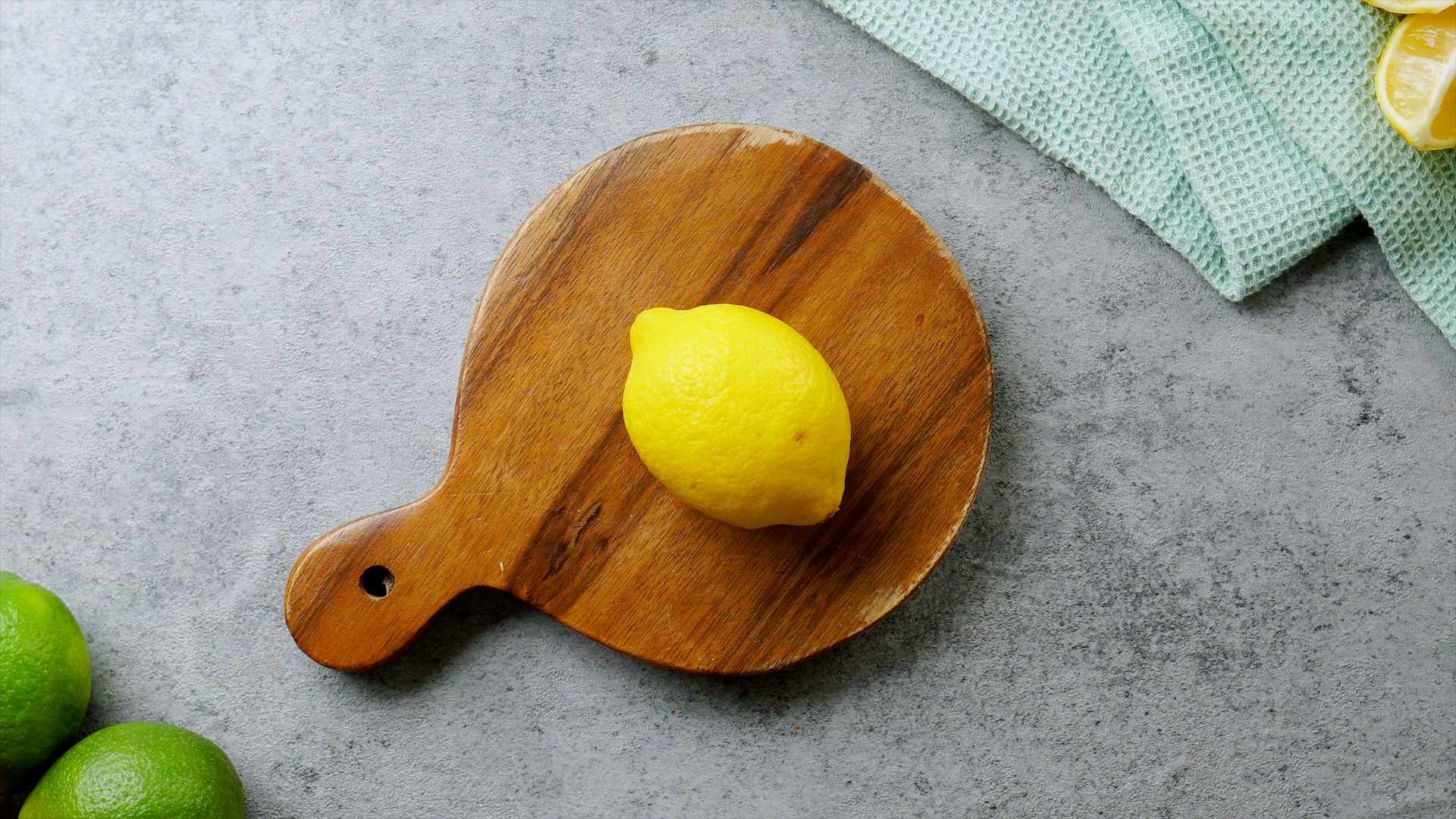
Fresh citrus juice is one of those tiny kitchen upgrades that makes food taste like it suddenly got promoted. A spoonful of lemon juice can wake up roasted vegetables, a squeeze of lime can rescue a flat taco, and fresh orange juice can turn a dressing from “fine” into “who made this?” The easiest way to get that bright flavor without seeds, sticky fingers, or dramatic countertop splashing is to learn how to use a citrus squeezer correctly.
A citrus squeezer looks simple, but there is a right way to use it. In fact, the most common mistake is placing the fruit in the tool the wrong way. Many people assume the cut side should face up because that looks logical. The citrus squeezer, however, prefers a little kitchen plot twist: the cut side usually faces down toward the holes. That position lets the press invert the fruit, push juice through the perforations, and hold back many seeds and bits of pulp.
This guide explains how to use a citrus squeezer in 7 easy steps, including how to choose the right citrus, prepare the fruit, squeeze efficiently, avoid bitterness, clean the tool, and make the most of every drop. Whether you are making lemonade, cocktails, salad dressing, marinades, desserts, seafood, or weeknight chicken, this simple gadget can save time and make your food taste fresher.
What Is a Citrus Squeezer?
A citrus squeezer is a manual kitchen tool designed to press juice from lemons, limes, small oranges, and other citrus fruits. Most handheld models have two handles, a bowl-shaped cup, and small holes that allow juice to flow out while catching seeds and larger pulp pieces. Some versions are color-coded by fruit size: green for limes, yellow for lemons, and orange for small oranges. Others are larger metal presses, countertop citrus presses, or reamer-style juicers.
The handheld citrus squeezer is popular because it is quick, compact, and easy to clean. You do not need electricity, a large appliance, or a culinary degree from the University of Fancy Brunch. You simply cut the fruit, place it into the cup, squeeze the handles, and collect the juice. The tool does the heavy pressing, while your hands stay cleaner than they would if you squeezed the fruit manually.
Why Use a Citrus Squeezer Instead of Your Hands?
Hand-squeezing citrus works in a pinch, but it has a few problems. Seeds fall into the bowl. Juice runs down your wrist. Your fingers smell like lemon for the rest of the afternoon. And if you have a tiny paper cut, congratulations: you have discovered nature’s smallest lightning bolt.
A citrus squeezer solves most of those issues. It gives you better leverage, helps extract more juice, reduces mess, and filters out seeds. It also keeps the juice more controlled, which matters when you are adding citrus directly to a pan, cocktail shaker, measuring cup, or salad dressing jar. For small amounts of juice, especially from lemons and limes, it is one of the most useful tools in the kitchen drawer.
How to Use a Citrus Squeezer: 7 Steps
Step 1: Choose the Right Citrus Fruit
Start with fresh citrus that feels heavy for its size. A heavy lemon or lime usually contains more juice than one that feels dry, light, or hard. Look for fruit with smooth, slightly glossy skin and a little give when gently pressed. It should not be mushy, wrinkled, moldy, or rock-hard.
For a handheld citrus squeezer, lemons and limes are the easiest choices. Small oranges and mandarins may work if your squeezer has a larger cup. Grapefruits are usually too large for a standard handheld press and are better suited for a reamer or countertop juicer.
If the fruit has been sitting in the refrigerator, let it rest at room temperature for a few minutes before juicing. Cold citrus can be firmer, which may make it harder to squeeze. Room-temperature fruit generally releases juice more easily.
Step 2: Roll the Fruit Before Cutting
Before slicing the citrus, roll it firmly on the countertop under your palm for 10 to 15 seconds. Apply steady pressure, but do not smash it like you are settling a personal dispute with a lemon. The goal is to loosen the membranes inside the fruit so the juice flows more freely.
This small step can make a noticeable difference, especially with limes, which can be stubborn little green vaults of sour treasure. Rolling helps break down the internal structure of the fruit, making it easier for the squeezer to press juice out quickly.
For older or slightly dry citrus, you can warm it briefly before juicing. A short microwave burst of about 10 to 20 seconds can help soften the fruit. Let it cool just enough to handle safely before cutting. Never microwave citrus for too long, and do not heat fruit that has metal stickers or decorative picks attached.
Step 3: Cut the Citrus in Half Crosswise
Place the fruit on a cutting board and cut it in half across the middle, not from stem to blossom end. Cutting crosswise exposes more juice pockets and creates a shape that fits neatly into most handheld squeezers.
Use a sharp knife and a stable cutting board. If the fruit rolls around, trim a tiny slice from one side to create a flat base before cutting. This makes the fruit easier and safer to handle.
If your lemon or lime is too large for the squeezer cup, cut the half into a smaller piece or trim the ends slightly. The citrus should fit comfortably inside the bowl of the tool without forcing the handles open awkwardly. A fruit half that is too big can cause sideways pressure, splashing, or an incomplete squeeze.
Step 4: Place the Fruit Cut-Side Down
This is the step that surprises many first-time users. Place the citrus half cut-side down into the squeezer, with the peel facing up toward the pressing plate. The holes should be underneath the cut surface of the fruit.
Why cut-side down? When you squeeze the handles, the press turns the fruit inside out. The peel bends outward, the pulp compresses, and the juice flows down through the holes. If you place the fruit cut-side up, much of the juice can get trapped in the peel or spray unpredictably. In other words, the lemon may win.
Make sure the fruit sits centered in the cup. If it is tilted, juice may escape from the side instead of flowing neatly through the holes. Hold the squeezer over a bowl, glass, measuring cup, cocktail shaker, or directly over the food you want to season.
Step 5: Squeeze the Handles Slowly and Firmly
Bring the handles together using steady pressure. Do not snap them shut with heroic force. A slow, firm squeeze gives the tool time to press the juice through the holes while keeping seeds and pulp inside the cup.
If the fruit is very juicy, pause halfway through the squeeze to let the juice drain. Then continue pressing until the peel is mostly inverted and the juice flow slows. You should feel resistance at first, then a little give as the membranes collapse.
For better control, keep the squeezer close to the container. Holding it too high may cause splashing. If you are squeezing directly into a hot pan, remove the pan from high heat first or squeeze the juice into a small bowl before adding it. This helps prevent steam burns and gives you a chance to remove stray seeds.
Step 6: Rotate or Re-Squeeze if Needed
After the first press, open the squeezer and check the fruit. If the pulp still looks plump, rotate the citrus half slightly and squeeze again. Some lemons and limes have uneven sections, and a second press can capture extra juice.
You can also use a spoon or small fork to loosen any remaining pulp before pressing again. However, avoid scraping too aggressively. The white pith under the peel can add bitterness if crushed too much, especially in delicate recipes like lemon vinaigrette, limeade, or cocktails.
When the peel is flattened or turned inside out and the juice has stopped dripping, you are done. Compost the spent citrus if possible, or save the peels for zest, cleaning, garbage disposal freshening, or simmer pots if they are still fragrant and clean.
Step 7: Clean and Dry the Citrus Squeezer
Clean the citrus squeezer right after using it. Citrus juice is acidic and can dry into sticky residue, especially around the hinge and holes. Rinse the tool under warm water, scrub away pulp with a dish brush, and wash it with mild dish soap.
Some citrus squeezers are dishwasher-safe, while others should be hand-washed to protect their finish. Check the manufacturer’s care instructions if you have them. Metal squeezers with enamel coatings may last longer when washed gently by hand, while stainless steel models often tolerate the dishwasher better.
Dry the tool completely before storing it. This helps prevent water spots, rust on lower-quality metal, or buildup around the hinge. A clean, dry citrus squeezer is ready for the next emergency taco night, lemonade craving, or “this soup needs something but I refuse to admit it needs salt” moment.
Common Mistakes to Avoid
Putting the Fruit in the Wrong Direction
The most common mistake is placing the cut side up. It looks reasonable, but it usually reduces juice flow. Remember: cut-side down, peel-side up. That one detail can make the difference between a clean squeeze and a citrus sprinkler system.
Using Fruit That Is Too Large
If the fruit does not fit comfortably, do not force it. Oversized citrus can bend the squeezer, strain the hinge, or send juice sideways. Cut the fruit into smaller pieces or use a larger press.
Squeezing Too Fast
A quick, aggressive squeeze may cause splashing. Slow pressure gives you more juice and better control. Your citrus squeezer is a kitchen tool, not a gym grip trainer with a vendetta.
Crushing the Peel Too Hard
Pressing past the point of juice extraction can release bitter oils and pith flavors. Stop once the juice slows and the peel is inverted. More force is not always more flavor.
Forgetting to Clean the Hinge
Pulp and juice can hide around the hinge. If left there, they dry into sticky residue. Rinse thoroughly, open and close the handles under running water, and dry well.
Best Uses for Fresh Citrus Juice
Fresh citrus juice is more aromatic and lively than bottled juice. Bottled lemon or lime juice can be useful in some situations, but it often tastes flatter because fresh citrus contains volatile aromas that fade after squeezing. When citrus is a main flavor, fresh juice is worth the extra minute.
Salad Dressings
Use lemon or lime juice as the acid in vinaigrettes. A basic formula is three parts oil to one part citrus juice, plus salt, pepper, mustard, honey, garlic, or herbs. Lemon works beautifully with arugula, kale, grilled chicken, and roasted vegetables. Lime is excellent with avocado, cabbage slaw, shrimp, and cilantro-heavy salads.
Marinades
Citrus juice brightens marinades for chicken, fish, pork, tofu, and vegetables. Because citrus is acidic, avoid marinating delicate seafood for too long. A short soak can add flavor, but extended marinating may change the texture.
Drinks and Cocktails
Lime juice is essential for margaritas, mojitos, gimlets, and sparkling limeade. Lemon juice shines in lemonade, whiskey sours, tea, and spritzers. A citrus squeezer makes it easy to juice directly into a shaker or measuring jigger.
Desserts
Lemon bars, key lime pie, citrus glaze, orange cake, and fruit curds all benefit from fresh juice. For desserts, strain the juice if you want a smoother texture. Zest the fruit before cutting it if the recipe calls for both zest and juice.
Finishing Food
A squeeze of lemon over grilled fish, roasted broccoli, pasta, soup, or fried foods can add brightness without making the dish taste sour. Lime does the same for tacos, rice bowls, grilled corn, and spicy soups. Citrus is often the final “spark” that makes food taste complete.
How to Choose the Best Citrus Squeezer
The best citrus squeezer depends on what you juice most often. For lemons and limes, a handheld metal squeezer is usually the most practical. Look for sturdy handles, a comfortable grip, smooth edges, and holes that are large enough for juice to pass through but small enough to catch seeds.
If you often juice oranges, choose a larger press or a countertop juicer. If you make big batches of orange juice, an electric citrus juicer may be more efficient. For occasional use, a simple handheld reamer can work well, though it may allow more seeds and pulp into the juice.
Material matters, too. Stainless steel is durable and easy to clean. Coated metal is common and attractive, but the coating can chip if treated roughly. Plastic squeezers are lightweight and affordable, though they may not be as durable over time. The right tool is the one that fits your fruit, your hand, and your patience level before morning coffee.
How Much Juice Can You Expect?
Juice yield varies depending on fruit size, freshness, variety, and temperature. As a general kitchen estimate, one medium lemon gives about 2 to 3 tablespoons of juice. One lime often gives about 1 to 2 tablespoons. One medium orange may produce about 1/4 to 1/3 cup.
These are not strict numbers. Some lemons are generous. Some limes act like they are paying rent by the drop. Rolling, warming, and using the squeezer correctly can help you get closer to the fruit’s full potential.
Storage Tips for Fresh Citrus Juice
Fresh citrus juice tastes best right after squeezing, but you can store it if needed. Keep it in a clean, airtight container in the refrigerator. Lemon and lime juice are best used within a couple of days for the brightest flavor. Orange juice is usually best enjoyed the same day or the next day.
You can also freeze citrus juice in ice cube trays. Once frozen, transfer the cubes to a freezer bag or container. Citrus cubes are handy for soups, sauces, marinades, tea, cocktails, and quick weeknight cooking. Label the bag so you do not have to play “mystery yellow cube” later.
Extra Experiences and Practical Tips From Real Kitchen Use
Using a citrus squeezer seems basic until you use one every day. Then you start noticing small tricks that make the process faster, cleaner, and more satisfying. The first lesson is that the tool works best when it is used with confidence but not aggression. You do not need to crush the lemon like it insulted your grandmother’s lasagna. A steady squeeze is enough.
One useful habit is to juice citrus over a small bowl instead of directly into a recipe, especially when baking or making cocktails. Even good squeezers can occasionally let a tiny seed escape. If you squeeze straight into cake batter, soup, or a shaker full of ingredients, you may have to go fishing. Squeezing into a bowl first gives you control over the amount and quality of the juice.
Another practical experience: always zest before you juice. Many recipes ask for both zest and juice, and it is much easier to zest a whole lemon than a floppy, squeezed-out peel. If you cook often, make this a kitchen reflex. Wash the citrus, zest it if there is any chance you will need zest, then cut and squeeze. Even if you do not use the zest immediately, you can freeze it in a small container for future sauces, muffins, dressings, or marinades.
For limes, especially the smaller and firmer ones often used in tacos and drinks, rolling is not optional. It is the difference between getting a respectable amount of juice and wondering whether the lime is decorative. Press firmly while rolling until the fruit softens slightly. If it still feels hard, warm it for a few seconds or let it sit at room temperature before squeezing.
When making drinks for a group, line up your citrus halves before you begin. Cut them all, place a measuring cup or shaker underneath, and squeeze in batches. This keeps your workspace organized and prevents sticky juice from spreading across the counter. A damp towel under the cutting board also helps keep everything stable.
Cleaning is where good habits really pay off. Rinsing the squeezer immediately takes only a few seconds. Waiting until the juice dries makes the job annoying, and nobody needs a kitchen tool with dried lime pulp fossilized in the hinge. If the holes clog, use a small brush or toothpick to clear them gently. Avoid harsh scrubbing on coated metal because it may damage the finish.
Finally, do not underestimate the flavor power of a small squeeze. Fresh citrus can make leftovers taste intentional. It can balance rich foods, brighten beans, sharpen sauces, and make simple water feel like spa water without the spa bill. Once you know how to use a citrus squeezer properly, you may start reaching for it more often than expected. That is the quiet magic of a good kitchen tool: it makes the better choice the easier choice.
Conclusion
Learning how to use a citrus squeezer is simple, but the details matter. Choose juicy fruit, roll it first, cut it crosswise, place it cut-side down, squeeze slowly, re-press if needed, and clean the tool right away. Those seven steps help you get more fresh juice with less mess, fewer seeds, and better flavor.
A citrus squeezer is small, affordable, and surprisingly powerful. It turns lemons, limes, and small oranges into bright, fresh juice for dressings, marinades, drinks, desserts, seafood, soups, and everyday meals. Once you get used to fresh citrus, bottled juice starts tasting like it needs a vacation. Keep the squeezer clean, store it within easy reach, and let it do what it does best: make your food taste awake.
Note: This article was written for web publication in standard American English and is based on practical kitchen technique, common manufacturer guidance for handheld citrus presses, and widely used culinary best practices.