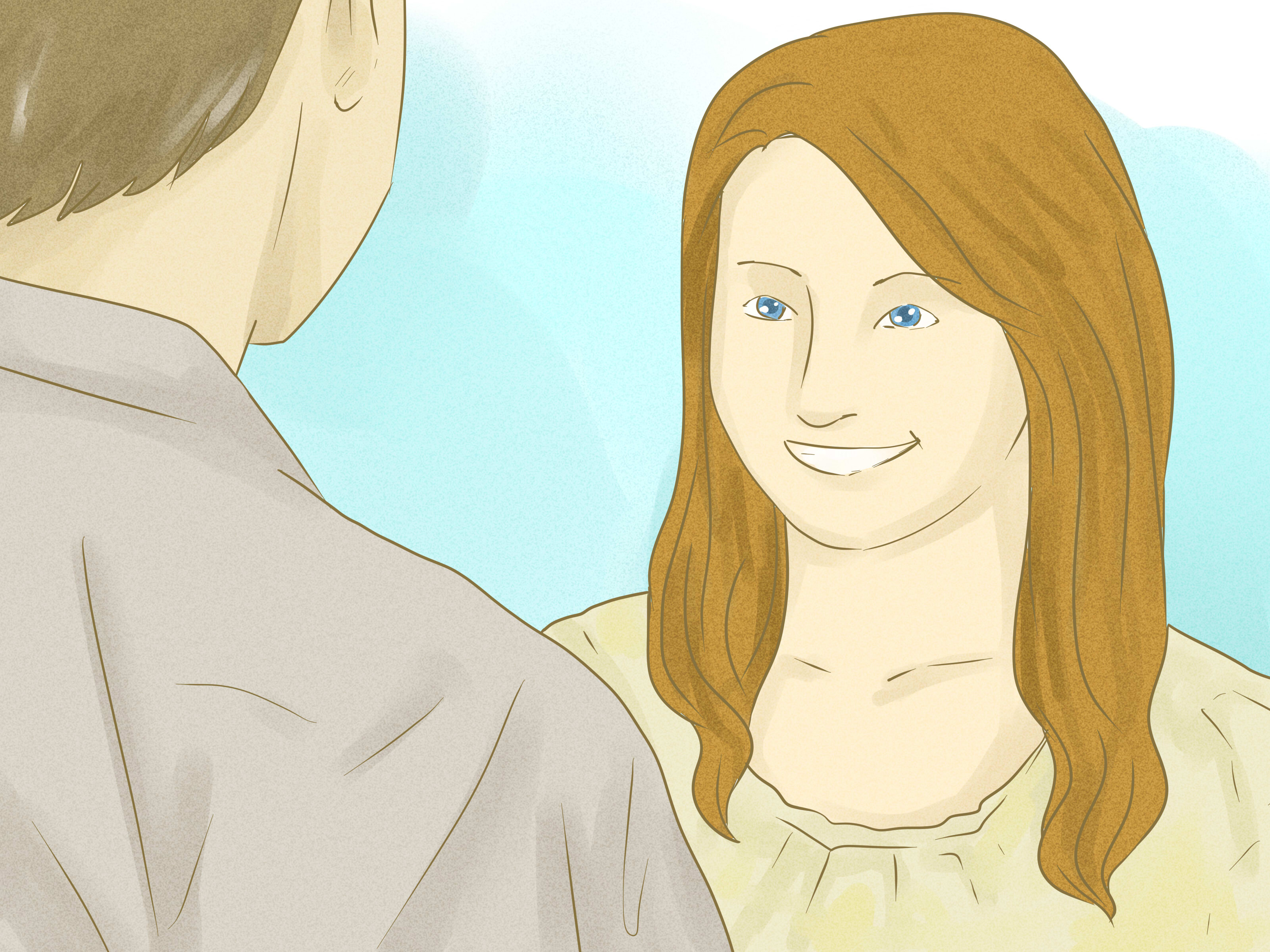
Note: This guide replaces “hooking up” advice with age-appropriate teen dating guidance focused on communication, confidence, consent, boundaries, privacy, and emotional safety. You never need to rush into anything to prove you like someone.
Having a crush can make ordinary life feel like a teen rom-com written by a caffeinated squirrel. Suddenly, you are replaying one hallway conversation 47 times, wondering whether he smiled because he likes you or because he remembered there is pizza for lunch.
Getting to know a guy as a teenager can be exciting, awkward, funny, and occasionally confusing. The good news is that you do not need a master plan, a dramatic makeover, or a mysterious playlist titled “Definitely Not About Him.” The healthiest approach is simpler: be curious, be respectful, communicate clearly, and stay loyal to your own comfort level.
Healthy teen relationships are built on respect, honesty, trust, equality, and communicationnot pressure, jealousy, or the feeling that you must perform a role to keep someone interested.
Start With the Right Goal: Get to Know Him, Not Just Get His Attention
It is easy to treat dating like a competition: Who can seem the coolest? Who texts first? Who waits exactly 14 minutes before replying? Honestly, that sounds exhausting. You are not applying for a job as “Most Mysterious Person in Homeroom.”
A better goal is to find out whether you actually enjoy each other’s company. Attraction matters, but compatibility matters too. Does he make you laugh without making someone else feel small? Does he listen when you talk? Does he respect your schedule, friendships, schoolwork, and opinions?
Someone can be cute and still not be a good match. A person can have great hair and terrible behavior. Both things can be true.
Ask Yourself a Few Honest Questions
- Do I feel relaxed and like myself around him?
- Can I say no without worrying that he will get angry or disappear?
- Does he respect my friends, family, interests, and responsibilities?
- Do I like who I am when I am around him?
- Am I interested because I genuinely like him, or because I feel pressured to have someone?
There is no prize for dating first, dating most often, or having the most dramatic relationship status. Your life is not a scoreboard.
How to Start Talking to a Guy You Like
The easiest way to begin is usually the least cinematic. You do not need to “accidentally” drop your books in front of him or create an elaborate group-project emergency. Start with something normal and connected to the moment.
Use What You Already Have in Common
Talk about class, sports, music, games, a school event, a shared friend group, a funny teacher, or something happening nearby. A simple opener works because it gives both of you room to respond naturally.
Try conversation starters like:
- “How did you understand that assignment? I feel like the instructions were written in ancient code.”
- “You always seem to know what is going on in this class. What did I miss?”
- “I saw you were at the game. Was it actually fun, or was it mostly people standing around pretending not to be cold?”
- “You mentioned that band before. Which song should I start with?”
- “Are you going to the school event this weekend?”
The point is not to deliver the perfect line. The point is to open a door. If he is interested, he will usually help keep the conversation going. If he gives one-word replies every time, do not turn yourself into a full-time interviewer for someone who brought absolutely no questions.
Let Your Personality Do Some Work
You do not need to become a different person to be attractive. Being friendly, interested, and comfortable in your own skin is far more memorable than trying to copy someone else’s style, jokes, or social-media personality.
Confidence is not acting like you are better than everyone else. Confidence is knowing you have value even if one particular person does not return your feelings. Rejection can sting, but it is not a personality review written by the universe.
Flirting Without Playing Games
Healthy flirting is light, mutual, and respectful. It should feel funnot like decoding a spy message while your stomach performs gymnastics.
Some low-pressure ways to show interest include making eye contact, smiling, remembering details he shares, giving a sincere compliment, teasing gently without being mean, or inviting him into a conversation with friends. You can also be direct in a simple way: “I like talking with you,” or “You are really easy to hang out with.”
Try not to rely on mind games. Ignoring someone to make them chase you, making them jealous on purpose, or pretending you do not care when you do might create drama, but drama is not chemistry. It is usually just stress wearing a glittery jacket.
Notice Whether Interest Is Mutual
Mutual interest often looks like effort going both ways. He asks questions. He remembers things you say. He makes time to talk. He respects your space. He does not expect you to do all the planning, texting, apologizing, or emotional heavy lifting.
Healthy relationships should not make you feel like you are competing for basic kindness. If you are always confused, anxious, or worried about saying the wrong thing, step back and check what the relationship is actually giving you.
Set Boundaries Before You Need Them
Boundaries are not rude. They are not “too much.” They are simply the rules that protect your comfort, privacy, time, and emotions. Think of them as the guardrails on a mountain road: not glamorous, perhaps, but deeply appreciated when things get slippery.
You are allowed to decide what feels right for you. That can include how often you text, where you hang out, what you keep private, whether you want physical affection, and what kind of language or jokes make you uncomfortable.
Consent means a clear, voluntary, ongoing agreement. Silence, hesitation, pressure, guilt, fear, or “I guess” are not the same as a real yes. Anyone can change their mind at any time, and a respectful person will stop and listen without arguing.
Useful Boundary Phrases
- “I like hanging out with you, but I want to take things slowly.”
- “I am not comfortable with that.”
- “No, I do not want to do that.”
- “Please do not share that with anyone.”
- “I need to head home now.”
- “I changed my mind.”
- “That joke makes me uncomfortable. Do not say that again.”
You do not owe anyone a long courtroom speech explaining your boundaries. “No” is a complete sentence. “I am not ready” is also a complete sentence. So is “I have to go feed my cat,” although your cat may deserve an apology for being used as a strategic exit plan.
Watch for Green Flags and Red Flags
Green Flags in Teen Dating
Green flags are signs that someone is likely to be emotionally safe and respectful. They include listening without interrupting, accepting your no, encouraging your goals, being kind to others, apologizing when they mess up, respecting your privacy, and not expecting constant access to your phone or time.
A healthy relationship leaves room for school, hobbies, family, friendships, rest, and your own personality. You should not have to shrink your world to fit inside someone else’s attention span.
Red Flags You Should Take Seriously
Red flags are not “proof he cares a lot.” Jealousy, controlling behavior, insults, threats, isolation from friends, checking your phone, demanding passwords, pressuring you to send private images, or making you feel guilty for setting limits are not romantic. They are warning signs.
Teen dating violence can happen in person, online, or through technology. It may involve emotional abuse, threats, unwanted contact, stalking, coercion, or sharing private information or images without permission.
If someone says things like “If you loved me, you would,” “You are overreacting,” “Do not tell anyone,” or “I will break up with you unless you do this,” pause. That is pressure, not care.
Stay Smart Online and Protect Your Privacy
Texting and social media can make getting to know someone easier, but they can also turn private moments into permanent headaches. Before sending anything personal, ask yourself one question: “Would I be okay if this appeared on someone else’s screen tomorrow?”
Do not share passwords, live location, home address, school schedule, private photos, or anything that could be used to embarrass, pressure, or track you. A person who respects you will not demand proof of trust through access to your accounts.
Online privacy matters because photos, messages, and personal details can be copied, shared, or saved beyond your control. Teens are safer when they keep accounts private, think before posting, and seek help quickly if someone shares content without permission.
Digital Dating Safety Rules
- Keep your passwords private.
- Do not feel pressured to send images or personal information.
- Turn off location sharing when it is not necessary.
- Tell a trusted adult if someone threatens, blackmails, or pressures you online.
- Save evidence of threatening messages instead of arguing back.
- Block and report accounts that harass or intimidate you.
- Do not meet someone you only know online without a trusted adult’s knowledge and a safe plan.
Plan Safe, Low-Pressure Hangouts
Early hangouts do not need to look like a luxury date from a streaming series. In fact, low-pressure activities are often better because you can talk, laugh, and notice whether you enjoy being together.
Good teen-friendly ideas include getting snacks after school, attending a school game, going to a group event, studying at a library, walking around a public park with friends nearby, visiting a community event, or joining a group activity.
Choose public places, tell someone where you are going, keep your phone charged, and arrange your own way home when possible. Safety planning is not being dramatic. It is being prepared, which is much cooler than realizing your phone is at 2% battery while you are nowhere near your ride.
Talk to a Trusted Adult When You Need Support
You do not have to figure out every relationship question by yourself. A parent, older sibling, school counselor, coach, doctor, teacher, or another trusted adult can help you sort through confusing situations without judging you.
Talking to someone is especially important if you feel pressured, scared, isolated, threatened, or unsure about whether a relationship is healthy. If you are in immediate danger, contact local emergency services or a trusted adult right away.
Asking for help is not embarrassing. It is a power move. Adults have survived awkward relationships, confusing crushes, weird texts, and at least one haircut they regret. They may know more than they let on.
Realistic Teen Dating Experiences: What People Often Learn
The examples below are fictional composite experiences designed to reflect common teen dating situations. They are not real people or personal stories.
Experience One: The Texting Trap
Maya liked a guy in her history class, and at first they texted constantly. It felt exciting. He replied quickly, sent jokes, and asked about her day. Then he started getting irritated if she did not answer during class, practice, dinner, or sleep. He would send messages like, “Why are you ignoring me?” even when she had only been offline for an hour.
At first, Maya thought it meant he cared. Then she noticed she felt anxious whenever her phone buzzed. She stopped focusing on homework because she felt she had to respond immediately. Eventually, she told him, “I like talking to you, but I cannot text all day. I need time for school and my family.”
His reaction gave her useful information. A person who likes you should be able to respect your life outside of them. Constant contact is not the same thing as closeness. Real connection has room to breathe.
Experience Two: The “Prove You Like Me” Problem
Jordan had been talking to a guy from a nearby school. The guy was charming, funny, and always knew what to say. But after a few weeks, he began asking Jordan to keep conversations secret and do things that made Jordan uncomfortable. When Jordan hesitated, the guy said, “You do not trust me,” and “Everyone else does this.”
Jordan eventually told a trusted older cousin, who pointed out something important: pressure wrapped in compliments is still pressure. Someone who cares about you does not make your comfort the price of keeping their attention.
Jordan stopped responding, blocked the account, and felt guilty for a day or two. Then came relief. That relief was information, too.
Experience Three: The Nice, Slow Start
Elena liked a boy from her art club. They started talking while cleaning brushes after meetings, mostly about music, teachers, and how neither of them understood why glitter seemed to reproduce overnight. He asked whether she wanted to get coffee after the next club meeting. She said yes, but suggested inviting two friends along because she felt more comfortable in a group.
He said, “Sure, whatever makes you comfortable.” That answer was simple, but it mattered. Over time, they got to know each other through school events and group hangouts. There was no pressure to label things quickly, share secrets immediately, or be available every second.
That is what a healthy start can look like: steady, respectful, and not exhausting.
Experience Four: The Rejection That Turned Out Fine
Noah finally told a guy he liked him after months of overthinking every conversation. The answer was kind but not romantic. Noah felt embarrassed for about 36 hours, listened to sad music, and briefly considered moving to another planet.
But the world did not end. He still had friends, interests, school plans, and funny stories. Eventually, he realized that being honest had been brave. Rejection did not mean he was unlikable; it only meant the feeling was not mutual.
That is one of the most useful dating lessons: the right person will not require you to become smaller, quieter, cooler, or less yourself. You deserve interest that is freely given, respect that does not need to be negotiated, and relationships that add to your life instead of taking it over.
Final Thoughts: The Best Teen Dating Advice Is to Keep Your Standards
Getting to know a guy as a teenager should feel mostly fun, safe, and respectful. You can flirt, laugh, go on casual dates, have a crush, and explore relationships without giving up your boundaries, privacy, or peace of mind.
Take your time. Trust your instincts. Keep people in your corner. Do not confuse pressure with passion or jealousy with love. The strongest move is not making someone like you at any cost. It is choosing people who treat you well while you stay fully yourself.