, and a mirror large enough to spot every questionable haircut decision. Yet it can still feel unfinished without the right accessories. That is where steel and wood come in. One brings structure, shine, and everyday durability. The other brings warmth, texture, and a little “I may actually have my life together” spa energy.
Steel and wood bathroom accessories work especially well because they solve two different problems at once. Steel handles the demanding parts of bathroom life: damp towels, repeated use, splashes, humidity, and the occasional shampoo bottle that launches itself from a shelf. Wood softens the space, adds natural character, and keeps a bathroom from feeling like a tiny operating room with hand soap.
From stainless steel towel bars and shower shelves to teak stools, wood trays, and slatted bath mats, these materials can create a bathroom that looks intentional rather than accidentally assembled from a clearance aisle. The key is choosing the right materials, placing them wisely, and giving them the kind of care that does not require a chemistry degree or a weekend intervention.
Why Steel and Wood Belong Together in a Bathroom
Bathrooms are full of hard, cool surfaces. Tile, porcelain, glass, stone, chrome, and mirrors all reflect light beautifully, but too much of the same can make a room feel sterile. Wood introduces visual warmth. Steel adds clean lines and reliability. Together, they create contrast without chaos.
A brushed stainless steel towel bar beside a walnut vanity feels more layered than a room where every surface is polished metal. A teak shower bench can make a walk-in shower feel more like a retreat. A slim steel shelf with a wood tray keeps daily products organized while adding a little personality. The goal is not to turn the bathroom into a lumberyard with plumbing. It is to use each material where it performs best.
Steel is usually the workhorse. Wood is often the comfort piece. Steel holds, hangs, anchors, and protects. Wood rests, warms, displays, and softens. When both are used with restraint, even a small bathroom can feel more considered and more expensive than it actually was.
Steel Bathroom Accessories: Durable, Practical, and Far From Boring
Steel bathroom accessories have moved well beyond basic silver towel bars. Today, they are available in brushed stainless, polished stainless, matte black, powder-coated finishes, warm metallic tones, and mixed-material designs. The best choice depends on where the accessory will live and how much abuse it is likely to receive from water, steam, and household routines.
Choose Stainless Steel for High-Moisture Zones
Stainless steel is often one of the smartest choices for bathrooms because it resists corrosion better than ordinary steel. It is particularly useful for towel hooks, shower caddies, soap baskets, shelf brackets, toilet paper holders, grab bars, and laundry-style wall racks.
That said, stainless steel is not magical armor. Hard-water minerals, soap residue, and harsh cleaners can leave spots or dull the surface. A brushed stainless finish is often more forgiving than a polished finish because it hides fingerprints and minor water marks better. Polished steel gives a crisp, reflective look, but it can reveal every smudge as if it were applying for a starring role.
For shower zones, look for accessories marketed as corrosion-resistant and designed for wet environments. Avoid assuming that any item with a silver finish is stainless steel. Some products are merely steel with a decorative coating, which may wear down faster in a humid bathroom.
Useful Steel Accessories for Everyday Function
A few well-chosen steel accessories can make a bathroom easier to use without making it feel crowded:
- Towel bars: Best for bath towels that need room to dry between uses.
- Robe hooks: Helpful in small bathrooms where a full towel bar may take up too much wall space.
- Shower shelves and baskets: Keep bottles off the floor and reduce the chance of a slippery shampoo avalanche.
- Toilet paper holders: A simple upgrade that can tie together the finish of faucets, lighting, and cabinet hardware.
- Wall-mounted storage rails: Useful for hanging washcloths, baskets, loofahs, or small containers.
- Grab bars: A safety feature that can also look sleek when chosen in a coordinating finish.
When selecting a steel grab bar, do not confuse it with a decorative towel bar. A towel bar is not designed to support body weight. A properly rated grab bar should be securely mounted to appropriate wall reinforcement or framing. It is one of those items where “close enough” is not a design strategy.
Steel Finishes That Work With Different Bathroom Styles
Brushed stainless steel suits modern, transitional, Scandinavian, and coastal bathrooms. It pairs easily with white tile, pale wood, blue-gray paint, and natural stone. Matte black steel creates stronger contrast and works well in modern farmhouse, industrial, and contemporary spaces. A darker steel finish can make a white bathroom feel sharper without requiring a full renovation.
Polished steel or chrome works best when you want a classic, bright look. It reflects light and can make a compact bathroom feel more open. The trade-off is maintenance: polished surfaces tend to advertise water spots loudly. If your household contains several people, two dogs, or one teenager with a talent for leaving toothpaste everywhere, brushed finishes may be the calmer choice.
Wood Bathroom Accessories: Warmth With a Sensible Side
Wood belongs in bathrooms, but it needs smarter placement than it would in a living room. A wood tray on a vanity has an easy job. A wood stool inside a daily-use shower has a much tougher one. The difference is not simply the type of wood; it is also exposure, ventilation, finishing, and maintenance.
Best Woods for Bathroom Accessories
Teak is one of the most popular choices for bathroom accessories because of its natural oils, dense grain, and reputation for handling moisture better than many other woods. It is commonly used for shower benches, bath mats, stools, soap dishes, and spa-style trays. Teak is not maintenance-free, but it is well suited to humid spaces when it is allowed to dry properly.
Cedar can also work well for certain accessories because it has a distinctive aroma and a naturally resilient character. Walnut, white oak, maple, and bamboo can look beautiful in a bathroom too, especially for trays, wall shelves, mirror frames, and vanity organizers. However, these materials should be kept away from direct, repeated soaking unless they have been properly finished and maintained.
Bamboo deserves a quick mention because it appears everywhere in bathroom accessory collections. Technically, bamboo is a grass rather than wood, but in practical decorating terms, it behaves like a warm natural material. It is lightweight, affordable, and visually versatile. Its durability depends heavily on construction quality and protective finishing.
Where Wood Works Best
Wood accessories are safest and easiest to maintain when they are used outside the direct spray zone. Good placements include:
- Vanity trays for soap dispensers, skincare, perfume, or grooming tools
- Open shelves for folded towels and decorative storage baskets
- Stools beside a freestanding tub
- Wood-framed mirrors in a well-ventilated bathroom
- Slatted bath mats that allow air to circulate underneath
- Small storage ladders for towels and lightweight linens
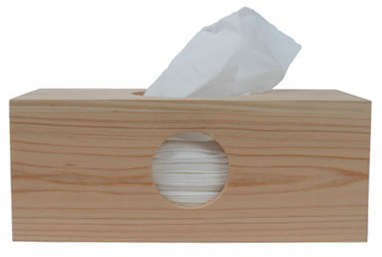
- Wooden containers for cotton rounds, tissues, and spare toilet paper
For a wood shower bench or shower mat, airflow matters. Slatted designs are usually more practical than solid slabs because water can drain and surfaces can dry more evenly. Rubber feet or non-slip pads can help prevent the accessory from sitting directly in pooled water.
Finishes Matter More Than Fancy Labels
A beautiful wood accessory can still fail quickly if it has a weak finish or poorly sealed edges. Water tends to find the smallest vulnerable place and then behaves like it has a personal grudge. Look for products specifically labeled for bathroom or wet-area use, and pay attention to the underside, joints, cut edges, and screw locations.
Protective finishes such as polyurethane, marine-grade coatings, oils, and water-resistant sealers can help slow moisture damage. However, no finish turns ordinary wood into a submarine. Wipe standing water away, keep the bathroom ventilated, and inspect wood accessories periodically for roughness, dark spots, splitting, or peeling finish.
How to Style Steel and Wood Accessories Without Overdoing It
The easiest way to make steel and wood work together is to choose one material as the visual anchor and let the other play a supporting role. In a bright white bathroom, use steel fixtures as the structural layer and wood accessories as the warming accent. In a bathroom with a wood vanity or natural wood paneling, use steel to provide contrast and keep the room from looking too rustic.
Modern Spa Bathroom
Pair brushed stainless steel hooks, a slim shower shelf, and a clean-lined towel bar with teak accessories. Add a teak stool beside the tub, a wood tray for bath salts, and folded white towels. Keep colors quiet: warm white, soft gray, pale stone, sand, or muted green. The result feels calm without looking like a hotel lobby trying too hard.
Industrial-Modern Bathroom
Use matte black steel towel bars, black-framed mirrors, and dark steel shelving. Add walnut or dark-stained oak accessories to soften the look. A wooden tray on the vanity, a small lidded bin, and a natural-fiber basket can keep the space from becoming too sharp or overly masculine.
Coastal or Relaxed Transitional Bathroom
Brushed steel, pale oak, woven baskets, white tile, and muted blue or green accents create an easygoing bathroom that does not scream “beach house gift shop.” Use light wood accessories, a simple stainless steel towel ring, and glass containers on a wood tray. The design should feel breezy, not nautical-themed to the point where a decorative anchor appears on the wall.
Buying Checklist for Steel and Wood Bath Accessories
Before buying, think about location first and appearance second. A gorgeous accessory that cannot survive its intended environment is just expensive clutter with a short life expectancy.
- Measure the wall and countertop space: Small bathrooms punish oversized accessories.
- Match undertones, not necessarily exact finishes: Brushed steel can work with black hardware or warm wood if the room has a clear visual plan.
- Check mounting requirements: Heavy shelves, grab bars, and wall racks may need studs, anchors, or professional installation.
- Choose moisture-smart wood: Teak, sealed hardwood, and quality bamboo are generally safer than unfinished softwood.
- Look underneath: Hidden surfaces reveal whether a product is thoughtfully built or merely posing for product photos.
- Prioritize drainage: Shower accessories should not trap water around bottles, soap, or wood slats.
- Buy fewer, better pieces: A coordinated set of useful accessories looks more polished than a countertop full of random containers.
Care Guide: Keep Steel Shiny and Wood Healthy
For steel accessories, routine cleaning is simple. Use a soft cloth, mild soap, and water. Rinse away residue and dry the surface afterward. Avoid steel wool, abrasive pads, harsh bleach, ammonia-heavy cleaners, and aggressive scrubbers unless the manufacturer specifically says they are safe. When cleaning brushed steel, wipe in the direction of the grain whenever possible.
For hard-water spots, some manufacturers allow a diluted vinegar-and-water solution for limited use, followed by rinsing and drying. Always test cleaners in a small hidden area first, especially on coated or specialty finishes. A cleaner that is harmless on plain stainless steel may damage matte black, brushed gold, or spot-resistant coatings.
For wood accessories, wipe up splashes promptly and avoid leaving damp towels piled on top of them. Clean with a lightly damp cloth and mild soap when needed, then dry thoroughly. Reapply the recommended protective oil or finish when the surface begins to look dry, faded, or rough. Good ventilation is the unsung hero here. Run the exhaust fan during showers, make sure it vents outside, and give the room time to dry after steamy use.
Conclusion: A Better Bathroom Is Built From Useful Details
Steel and wood bathroom accessories prove that practical choices do not have to look boring. Steel provides strength, clean lines, and dependable moisture resistance. Wood brings warmth, texture, and a more relaxed atmosphere. The best bathrooms use both with purpose: steel where water, weight, and repeated use demand durability; wood where comfort and visual softness can make the room feel more inviting.
Choose quality materials, protect wood from standing water, clean metal gently, and avoid filling every available surface with accessories. A few well-selected pieces can turn an ordinary bath into a space that feels organized, calm, and pleasantly grown-up.
Real-World Experiences With Steel and Wood Bathroom Accessories
Homeowners often discover that the smallest bathroom upgrades create the biggest daily improvements. Replacing a loose plastic towel bar with a solid stainless steel version may not sound dramatic, but it changes the morning routine immediately. Towels dry better, the wall looks cleaner, and no one has to perform the awkward balancing act of hanging a wet towel over a door handle. It is the kind of upgrade that seems minor until you wonder why you waited so long.
One common experience with steel accessories is learning that finish choice matters more than expected. A polished metal towel ring can look excellent in a showroom, where nobody has used the sink for three days. In a busy family bathroom, however, it may show fingerprints, water spots, and stray toothpaste with impressive enthusiasm. Many homeowners eventually prefer brushed stainless steel, satin nickel, or matte finishes because they still look refined while being more forgiving in real life.
Wood accessories tend to create a different kind of reaction. A teak shower stool, for example, can make a shower feel less clinical and more relaxing. It gives users a place to sit while shaving, applying body scrub, or simply enjoying a few extra minutes of hot water before returning to emails and laundry. The important lesson is that wood needs breathing room. People who place a wood bench directly on a wet shower floor and never allow it to dry may notice discoloration, mildew, or a rough surface over time. Those who choose a slatted design, wipe it down occasionally, and keep the exhaust fan running usually have a much better experience.
Vanity trays are another small but surprisingly useful addition. A wood tray can turn a collection of soap, lotion, cotton swabs, and skincare bottles into something that looks organized instead of like a pharmacy aisle after an earthquake. It also makes cleaning easier because the products can be moved in one motion. Steel trays can offer the same convenience, especially in modern bathrooms, but wood trays often feel warmer against stone or porcelain countertops.
In smaller bathrooms, wall-mounted steel shelves and hooks can be more valuable than decorative accessories. A narrow shelf above the toilet, a pair of robe hooks behind the door, or a slim towel rack beside the vanity can reclaim usable space without adding bulky furniture. Many people find that vertical storage helps a compact bathroom feel larger because it clears the countertop and floor. The room may not actually gain square footage, but it stops feeling like every bottle is competing for custody of the sink.
Another recurring lesson involves safety. Decorative bars, lightweight hooks, and floating shelves can be attractive, but they should not be asked to do jobs they were never designed to handle. When people need stability near a tub or toilet, a properly installed grab bar is the better choice. Fortunately, modern grab bars are available in finishes that blend into contemporary bathrooms, so safety no longer has to look institutional.
The most successful steel and wood bathrooms usually share one habit: the owners treat accessories as part of the room’s function, not just decoration. They choose fewer pieces, mount them properly, clean them gently, and give the bathroom enough ventilation to recover after each shower. That is the quiet secret behind a bathroom that still looks good months later: not more stuff, just smarter stuff.