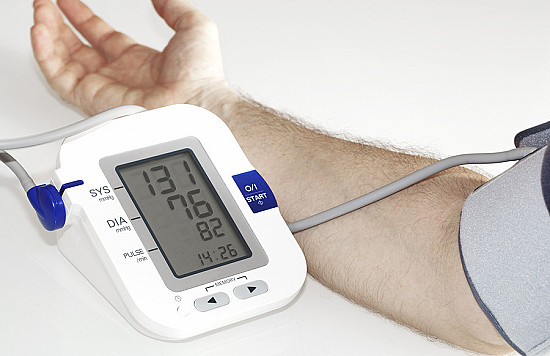
Checking your blood pressure at home seems wonderfully simple: wrap on a cuff, press a button, and stare suspiciously at two numbers. Yet small details can change those numbers enough to create unnecessary worry, hide a genuine problem, or make a perfectly innocent cup of coffee look like a cardiovascular supervillain.
Accurate home blood pressure monitoring is not about achieving one “perfect” reading. It is about using a consistent method that produces dependable averages over time. When your technique is correct, your readings can help your healthcare team evaluate hypertension, detect patterns, and see whether medication or lifestyle changes are working. Home measurements may also help distinguish persistent hypertension from “white coat” hypertension, in which blood pressure rises mainly in medical settings.
Why Correct Blood Pressure Measurement Matters
Blood pressure naturally changes throughout the day. Physical activity, stress, sleep, temperature, food, medication, nicotine, caffeine, pain, and even the need to use the bathroom can temporarily affect it. That means a single reading is a snapshot, not the entire cardiovascular documentary.
Technique adds another layer of variation. Measuring over clothing, crossing your legs, talking, using the wrong cuff, or letting your arm hang unsupported can produce misleading results. An unsupported arm, for example, may noticeably overestimate systolic pressure. A cuff that is too small often produces readings that are falsely high, while an overly large cuff may underestimate pressure.
These errors matter because treatment decisions may depend on trends of only a few millimeters of mercury. A consistent home routine gives your clinician better information than a random collection of readings taken after climbing stairs, answering emails, arguing with the television, and remembering that the electric bill is due.
Choose the Right Home Blood Pressure Monitor
Use a validated upper-arm device
For most adults, an automatic monitor with a cuff that wraps around the upper arm is the preferred choice. Upper-arm devices are generally easier to position correctly and tend to be more dependable than finger monitors or wrist devices.
Look for a model that has been independently validated for clinical accuracy rather than relying only on attractive packaging or enthusiastic online reviews. The U.S. Blood Pressure Validated Device Listing provides models that have passed an independent review process. The Food and Drug Administration has also warned consumers against relying on unauthorized wearable features or apps that claim to measure blood pressure without proper review.
Make sure the cuff fits your arm
A monitor can be excellent and still give poor results if its cuff does not fit. Measure the circumference of your bare upper arm midway between your shoulder and elbow, then compare that measurement with the cuff range printed by the manufacturer.
The inflatable portion of the cuff must wrap the arm correctly. If your arm is outside the supplied size range, obtain a compatible small, large, or extra-large cuff. Do not simply tighten a small cuff until it surrenders. That strategy works for overpacked suitcases, not medical measurements.
Use wrist monitors only when appropriate
A validated wrist monitor may be useful when an upper-arm cuff cannot be fitted because of arm size, shape, injury, surgery, or another medical reason. However, wrist readings are particularly sensitive to position. The wrist must remain at heart level, with minimal movement or bending. Ask a healthcare professional to compare the device with an office measurement and demonstrate the proper position.
How to Measure Blood Pressure Correctly at Home
1. Avoid common triggers for at least 30 minutes
Do not smoke, use nicotine, drink a caffeinated beverage, or exercise during the 30 minutes before a measurement. These activities can temporarily increase blood pressure or heart rate. A reading taken five minutes after a brisk walk may accurately describe your brisk walk, but it may not describe your resting blood pressure.
2. Empty your bladder
Use the restroom before sitting down. A full bladder can raise blood pressure and make it harder to relax. This is one of the easiest measurement errors to prevent and perhaps the least glamorous health tip ever written.
3. Sit quietly for five minutes
Choose a quiet room and rest for about five minutes before pressing the start button. Do not answer messages, watch an exciting video, read upsetting news, or conduct a family meeting about who finished the ice cream. Allow your breathing and circulation to settle naturally.
4. Sit in a supportive chair
Use a chair with a back rather than a sofa, bed, examination table, or kitchen stool. Keep your back supported. Sit upright without leaning forward or balancing on the edge of the seat.
5. Place both feet flat on the floor
Keep your legs uncrossed and your feet flat on a firm surface. If your feet do not reach the floor, use a stable footrest. Do not cross your ankles or tuck one leg beneath you.
6. Put the cuff on bare skin
Place the cuff directly around your bare upper arm. Do not measure through a shirt, sweater, or jacket. Avoid tightly rolling a sleeve above the cuff because the bunched fabric may compress the arm.
7. Position the cuff correctly
Follow the manufacturer’s diagram. In general, the lower edge of an upper-arm cuff sits just above the bend of the elbow, with the tube or artery marker aligned as directed. The cuff should feel snug but should not pinch painfully or slide down the arm.
8. Support your arm at heart level
Rest your forearm on a table, desk, or firm cushion so the middle of the cuff is approximately level with your heart. Relax your hand and keep your palm facing upward or in the position specified by the device instructions. Do not hold your arm in the air using your own muscles.
9. Stay silent and still
Do not talk, laugh, text, chew, or move while the cuff is inflating and deflating. Talking during a measurement can alter the result. Let the machine enjoy a few seconds of complete authority.
10. Take at least two readings
After the first measurement, wait about one minute and repeat it. Record both numbers or use the monitor’s memory function. Some clinicians recommend two or three readings at each session, particularly when home monitoring begins or medication is being adjusted.
If the first result is unexpectedly high, do not immediately take eight more readings while becoming progressively more alarmed. Remain seated, check your position and cuff placement, breathe normally, and repeat the measurement after a short pause.
A Quick Blood Pressure Measurement Checklist
- No caffeine, nicotine, or exercise for 30 minutes.
- Empty your bladder.
- Rest quietly for five minutes.
- Sit with your back supported.
- Keep your legs uncrossed and feet flat.
- Place the correct-size cuff on bare skin.
- Support your arm at heart level.
- Do not talk or move.
- Take two readings about one minute apart.
- Record the date, time, readings, and relevant notes.
Harvard Health, the American Heart Association, the CDC, the American Medical Association, and the National Heart, Lung, and Blood Institute all emphasize these basic preparation and positioning steps. The remarkable part is not that the process is difficult. It is that everyday shortcuts can quietly make it inaccurate.
Common Mistakes That Can Distort Your Reading
Measuring immediately after sitting down
Walking across a parking lot, climbing stairs, carrying groceries, or rushing through the house can temporarily raise your blood pressure. Give yourself several quiet minutes before measuring.
Using a cuff that is too small
A cuff that is too small may produce an artificially high reading. Never assume that “standard adult” means “correct for every adult.” Arm circumference, not clothing size or body weight alone, determines cuff fit.
Resting your arm in your lap
If the cuff is below heart level or your arm is unsupported, the reading may be higher than it should be. Use a pillow if the table is too low.
Taking blood pressure over clothing
Even thin fabric can interfere with cuff placement. A thick sleeve makes the problem more obvious, but the correct habit is simple: cuff on bare skin.
Talking during the measurement
A blood pressure check is not the ideal moment to describe your day, answer a phone call, or remind someone to buy milk. Remain quiet until the monitor finishes.
Checking only when you feel stressed
If you measure only when you are worried, dizzy, angry, or uncomfortable, your log may not represent your usual blood pressure. Scheduled readings provide a more balanced picture.
Chasing one unusual number
Blood pressure changes from minute to minute. One unusual result should be placed in context with repeated readings, symptoms, medication timing, and your usual trend. Never change a prescription dose based only on a single home measurement unless your healthcare professional has given you a specific action plan.
When and How Often Should You Check Your Blood Pressure?
Your ideal schedule depends on why you are monitoring. A person newly diagnosed with hypertension may need a different routine from someone whose readings have been stable for years.
When home monitoring begins, clinicians commonly request readings in the morning and evening for several days or about one week. Each session may include two measurements taken approximately one minute apart. Morning readings are often taken before breakfast and before blood pressure medication, while evening readings are taken at a consistent time. Follow your clinician’s instructions, and never delay or skip medicine merely to obtain a reading.
Once blood pressure is stable, your healthcare professional may reduce the schedule to several sessions per week or less often. Measuring constantly can increase anxiety without producing useful information. Consistent timing is usually more valuable than excessive frequency.
Keep a useful blood pressure log
Record the systolic pressure, diastolic pressure, pulse, date, time, and arm used. Also note anything that may explain an unusual result, such as illness, poor sleep, pain, missed medication, recent exercise, or significant stress.
Bring the log and the monitor to medical appointments. Your healthcare team can compare your device with office equipment, check the cuff fit, and watch your technique. Many experts recommend having a home monitor checked periodically, especially if it has been dropped, damaged, or begins producing inconsistent numbers.
Understanding the Two Blood Pressure Numbers
The upper number is systolic blood pressure, which reflects the pressure in your arteries when the heart contracts. The lower number is diastolic blood pressure, which reflects arterial pressure while the heart relaxes between beats.
Both numbers matter. However, your personal treatment target may depend on your age, medical history, medications, kidney function, cardiovascular risk, pregnancy status, and other factors. Do not diagnose yourself from one online chart or compare your target with a relative’s target. Blood pressure goals are not family-size T-shirts.
Home readings may be somewhat different from measurements taken in a clinic. That difference is one reason clinicians rely on repeated home or ambulatory measurements when confirming hypertension rather than making major decisions from a single office reading.
When a Blood Pressure Reading Requires Urgent Attention
If your blood pressure is higher than 180 systolic and/or 120 diastolic, remain calm and repeat the measurement after at least one minute using correct technique.
If the repeat reading remains above 180/120 and you have symptoms such as chest pain, shortness of breath, weakness, numbness, difficulty speaking, vision changes, severe headache, confusion, or severe back pain, call 911. These symptoms may indicate a hypertensive emergency or another serious medical condition.
If the reading remains above 180/120 but you do not have those symptoms, contact your healthcare professional promptly for instructions. Do not take an extra dose of medication unless a qualified clinician has specifically directed you to do so.
Special Situations That May Need Professional Guidance
Irregular heart rhythms
Atrial fibrillation and other irregular rhythms can make some automatic monitors less reliable. Ask your healthcare professional whether your device is appropriate and whether readings should be confirmed manually or with another method.
Pregnancy
Pregnant patients should use a device validated for pregnancy and follow the monitoring schedule provided by their obstetric clinician. New high readings during pregnancy deserve timely medical attention, especially when accompanied by severe headache, vision changes, upper abdominal pain, swelling, shortness of breath, or other concerning symptoms.
Very large, small, or cone-shaped arms
People whose arms fall outside standard cuff ranges may need a specialized cuff or, in selected circumstances, a validated wrist device. A clinician, nurse, or pharmacist can help identify a practical option.
Dizziness when standing
If you experience lightheadedness, weakness, or fainting after standing, your clinician may ask for measurements while lying down or seated and again after standing. This is a different protocol from routine seated monitoring, so obtain individualized instructions.
Real-World Experiences: What Better Technique Can Teach You
The following composite examples reflect common experiences people have when they improve their home blood pressure routine. They are not substitutes for personal medical advice, but they show why technique and consistency matter.
The “morning panic” pattern
One common experience begins with a surprisingly high morning reading. The person wakes up, checks work messages, drinks half a mug of coffee, searches for a missing car key, and then measures blood pressure while perched on the edge of the bed. The result looks alarming.
The next morning, the routine changes. The person uses the restroom, avoids coffee until afterward, sits quietly in a chair for five minutes, supports the arm, and takes two readings. The average is considerably lower. Nothing magical happened overnight. The measurement conditions simply became more standardized.
The lesson is not that every high first reading is harmless. It is that a number without context can be misleading. A calm repeat measurement and a properly maintained log provide far more useful information.
The cuff that was “close enough”
Another familiar scenario involves a cuff that technically wraps around the arm but barely reaches the fastening area. The user assumes that because the cuff closes, it fits. Readings remain higher than expected.
After measuring the upper-arm circumference, the user discovers that the arm is outside the cuff’s stated range. A correctly sized cuff produces more consistent results. This experience can be frustrating because the monitor itself was not defective. The accessory attached to it was simply the wrong size.
Checking cuff dimensions before buying a monitor prevents this problem. It is especially important when several family members plan to share one device. One cuff may not fit everyone accurately.
The mysterious evening increase
A person notices that evening readings are consistently higher than morning readings. At first, this appears to be a medical mystery worthy of dramatic music. The log eventually reveals that evening checks are being performed immediately after dinner, household chores, and a walk with the dog.
By moving the measurement to a consistent quiet period and documenting medication timing, the pattern becomes easier to interpret. The healthcare professional can now distinguish between a true daily trend and differences caused by activity and timing.
The disappearing “white coat” effect
Some people repeatedly have high readings at medical appointments but lower averages at home. The office environment, rushed arrival, discomfort, or anxiety may contribute to the difference. A properly collected home log can help a clinician evaluate whether the elevation is persistent or mainly associated with clinical settings.
The opposite pattern can also occur: office readings may look acceptable while home readings are repeatedly elevated. This is why a home monitor should not be used merely to prove that an office result was wrong. Its purpose is to add more reliable data under everyday conditions.
The person who measured too often
Home monitoring sometimes becomes a cycle of checking, worrying, rechecking, and worrying about the recheck. A person may take ten measurements in one sitting, reject the higher numbers, distrust the lower ones, and finish more anxious than when the process began.
A structured plan usually works better: rest, take two readings, record them, and stop unless a clinician has provided different instructions. The goal is not to force the monitor to display a favorite number. The goal is to collect honest, repeatable information.
The most useful overall experience
People often discover that blood pressure monitoring becomes easier once it is attached to a simple routine. The monitor stays in the same location. The same chair and table are used. The cuff fits correctly. Measurements occur at similar times, and results are automatically saved or written down immediately.
After a week or two, the process stops feeling like a medical examination and starts feeling more like brushing your teeth: not particularly exciting, but useful, repeatable, and much less stressful when performed correctly.
Conclusion
Correct blood pressure measurement depends on a handful of ordinary details: use a validated monitor, choose the right cuff size, avoid caffeine, nicotine, and exercise beforehand, empty your bladder, rest quietly, sit with proper support, keep the cuff at heart level, remain silent, and take repeated readings.
No single home result should define your health or prompt an unapproved medication change. Look for patterns, keep a consistent log, and share the results with your healthcare team. When the technique is dependable, those two little numbers become far more usefuland considerably less dramatic.