For a show built on “discovering” comedians, Saturday Night Live has occasionally done the opposite: it has hired people who already had a marquee, a fan base, or at least the kind of résumé that makes your aunt say, “Wait… aren’t they already famous?”
Sometimes that’s a genius shortcutdrop a proven performer into Studio 8H and let them cook. Other times, it’s like putting a Michelin-star chef in charge of a middle-school bake sale: impressive credentials, chaotic environment, and suddenly everyone’s arguing about whether the brownies need a cold open.
This list spotlights 11 SNL cast members who arrived with real pre-SNL famefrom Nickelodeon icons and Emmy-winning oddballs to Oscar-nominated actors and mockumentary royalty. For each, we’ll look at what they were known for before SNL, why that mattered, and what it teaches us about casting “ringers” on a sketch show.
Why “Already Famous” Is a High-Risk, High-Reward SNL Move
SNL isn’t just a stageit’s a weekly pressure cooker. A famous actor can walk in with impeccable timing and still struggle because sketch comedy has its own physics: rapid rewrites, live nerves, and a ruthless clock that does not care about your IMDb trivia section.
When pre-famous casting works, it’s often because the performer brings a fully formed comedic point of viewcharacters, voice, rhythmand can adapt fast. When it doesn’t, the problem usually isn’t talent. It’s fit: the system demands speed, collaboration, and comfort failing in public. Even the most confident star can discover a brand-new emotion called “live-TV silence.”
1) Kenan Thompson
Pre-SNL fame: Nickelodeon legend (and childhood MVP)
Kenan Thompson didn’t “break in” so much as “grew up on camera.” Long before his SNL debut, he was a cornerstone of Nickelodeon’s sketch world on All That, then became half of a full-blown ’90s comedy brand with Kenan & Kelplus the Good Burger universe that still lives rent-free in the brains of anyone who owned a TV with basic cable.
Why it mattered on SNL
By the time he joined SNL, Kenan already understood sketch mechanics: commit early, play the game, and don’t blink when the joke gets weird. That’s a huge advantage in a format where hesitation reads like fearand fear reads like the audience checking their phones (mentally, because it’s live TV and they’re supposed to be watching).
Big takeaway
Kenan proves that “pre-famous” works best when the fame came from the same skillset. If you’ve already mastered sketch reps, SNL becomes less “new job” and more “new arena.”
2) Chris Elliott
Pre-SNL fame: Letterman’s surreal MVP + Emmy-winning writer
Chris Elliott arrived with a distinct comedic signature: anti-gloss, anti-cool, and proudly pro-weird. Before SNL, he was a regular on Late Night with David Letterman, where his on-camera oddball energy and writing chops helped define the show’s off-kilter tone. He also co-created and starred in the Fox cult comedy Get a Life, which leaned hard into absurdity.
Why it mattered (and why it was tricky)
Elliott’s humor thrives in a universe where discomfort is the point. SNL can do that, surebut it also has a mainstream rhythm and a broad audience expectation. If the show isn’t aligned with your flavor of strange, you can feel like you’re performing in a different genre than the band.
Big takeaway
Being famous for a very specific comedic wavelength is both a superpower and a compatibility test. SNL rewards versatility; Elliott’s pre-SNL fame was built on singularity.
3) Janeane Garofalo
Pre-SNL fame: Alternative comedy star + Reality Bites scene-stealer
Janeane Garofalo was already a ’90s cultural signal before she joined SNL. She’d made waves in stand-up and TV comedy spaces and became widely recognizable after her standout role in Reality Bitesa movie that practically came with a flannel shirt and a mixtape.
Why it mattered (and why it didn’t automatically help)
Garofalo’s appeal was sharp, observational, and character-driven in a grounded waymore “deadpan truth” than “big sketch swing.” On SNL, success often requires either (a) dominating a character instantly or (b) thriving inside the writers’ room churn. If you’re already established with a personal comedic voice, being slotted into pre-built lanes can feel constricting.
Big takeaway
Pre-SNL fame can raise expectationsand friction. The bigger your existing persona, the harder it is to “blend” into a show that needs you to be different people every 12 minutes.
4) Randy Quaid
Pre-SNL fame: Serious acting credibility (including an Oscar nomination)
Randy Quaid wasn’t just knownhe was acclaimed. Years before joining SNL, he earned major recognition for film work, including an Academy Award nomination for The Last Detail. That’s not “hey, I was on a sitcom once” fame. That’s “the Academy noticed me” fame.
Why it mattered on SNL
In theory, a strong actor can thrive on SNL: commitment is half the battle. But SNL is a comedy machine, and being a celebrated film actor doesn’t automatically translate into sketch instincts. The pacing is different, the punchlines are closer together, and you can’t rely on subtlety if the audience needs the joke to land in the back row immediately.
Big takeaway
Prestige isn’t the same as preparedness. Sketch comedy is its own sporteven if you’re already a champion in another league.
5) Anthony Michael Hall
Pre-SNL fame: John Hughes-era teen icon
Anthony Michael Hall joined SNL as a genuine teen-movie star, already famous for key roles in major John Hughes-era films. That kind of popularity comes with a built-in audience: viewers weren’t meeting him for the first timethey were bringing their whole pop-culture relationship with him to the show.
Why it mattered (and why it was a lot to carry)
Being famous that young creates a weird situation: you’re expected to be a fully formed sketch performer while you’re still figuring out who you are. Add live television, a high-pressure writers’ room, and the fact that SNL is famously unforgiving, and you’ve got a recipe for “great story later, stressful week now.”
Big takeaway
Sometimes “famous” is just another word for “everyone has expectations.” That’s not always a gift in a format built on experimentation and failure.
6) Robert Downey Jr.
Pre-SNL fame: Rising young actor with real buzz
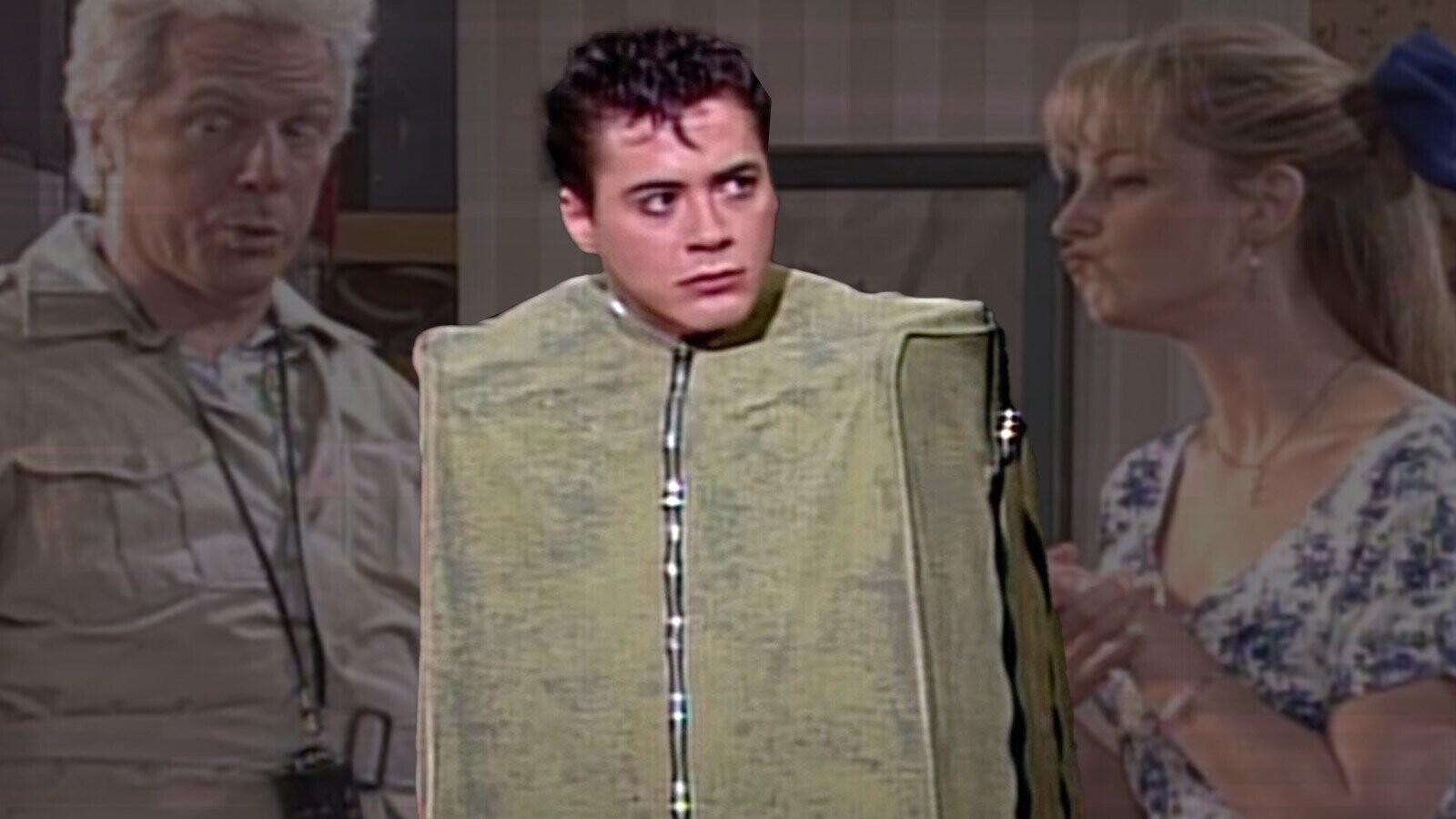
Robert Downey Jr. entered SNL already known as a young actor on the rise, with recent film work and a growing reputation. He didn’t arrive as a blank slate; he arrived as someone audiences recognizedand therefore judged differently.
Why it mattered on SNL
Downey’s strengthscharisma, quick intelligence, a kind of restless on-screen electricityare valuable on SNL. But the show also demands that you disappear into the ensemble, take strange notes at 2 a.m., and sometimes play “Guy Who Exists Only to Get Hit by a Pie.” Stars can do that. It’s just an adjustment when your previous job description didn’t include “be a human punctuation mark in someone else’s sketch.”
Big takeaway
Pre-fame can be a double-edged sword: it gets you in the door, but it can also make the learning curve more visiblebecause everyone’s already watching.
7) Joan Cusack
Pre-SNL fame: Familiar face from ’80s films
Joan Cusack had already started building a recognizable screen presence before SNL, appearing in early film roles in the 1980s. She wasn’t yet the later-career awards-season fixture many people think of today, but she wasn’t unknown eithershe had momentum and visibility.
Why it mattered on SNL
Cusack’s acting stylebig, specific, fearlessshould be perfect for sketches. The challenge is that SNL isn’t just about performance; it’s about fit with the show’s weekly voice. If the writing doesn’t consistently serve what you do best, even a fantastic performer can feel underused.
Big takeaway
Pre-SNL fame doesn’t guarantee great material. SNL is an ecosystem: the cast, writers, and timing have to align, or the talent doesn’t get the runway it deserves.
8) Michael McKean
Pre-SNL fame: Sitcom favorite + mockumentary rock icon
Michael McKean is the rare case where people knew him from multiple worlds before SNL: classic TV comedy and cult film. He was widely recognized from Laverne & Shirley as part of the beloved Lenny-and-Squiggy duo, and he helped define mockumentary comedy as a core member of This Is Spinal Tap.
Why it mattered on SNL
McKean’s pre-SNL fame came from character work and commitmentexactly what SNL needs. His experience meant he could play absurdity straight, build a persona quickly, and make ridiculous premises feel oddly real (which is basically the secret sauce of half the sketches you remember).
Big takeaway
If your pre-fame is rooted in character transformation, SNL becomes a natural extensionnot a reinvention.
9) Christopher Guest
Pre-SNL fame: This Is Spinal Tap standout
Christopher Guest joined SNL with a very specific kind of credibility: he’d just helped create one of the most influential comedy films of its era. This Is Spinal Tap didn’t just become popularit became a cultural reference point (and a permanent excuse for guitarists to say “this one goes to 11”).
Why it mattered on SNL
Guest’s strength is disappearing into a persona so completely you forget there’s an actor underneath. That’s a gift on SNL, where a sketch can live or die based on whether the character feels instantly “whole.” His mockumentary background also meant he was comfortable with improvisational textureuseful when sketches evolve quickly.
Big takeaway
Fame built on character immersion translates well to SNLbecause SNL rewards performers who can create a believable world in under 30 seconds.
10) Billy Crystal
Pre-SNL fame: TV breakthrough on Soap + established stand-up presence
Before SNL, Billy Crystal was already prominentparticularly from his breakthrough TV work on Soap. He wasn’t an unknown comedian hoping for a shot; he was a performer with a national profile and a proven ability to carry character-driven comedy.
Why it mattered on SNL
Crystal’s pre-fame came from clean, sharp comedic controltiming, cadence, and an understanding of how to “sell” a bit. That’s exactly the stuff live sketch comedy needs. When someone walks in already fluent in comedy, SNL becomes less about survival and more about selection: picking the right recurring characters, finding the right writing partners, and turning a week’s chaos into something that feels effortless.
Big takeaway
Stand-up polish + TV experience is a strong pre-SNL combo. You’re used to audiences, you’re used to pacing, and you’re not scared of the spotlightbecause you’ve already met it, shaken its hand, and asked it for a decent camera angle.
11) Martin Short
Pre-SNL fame: Sketch-comedy killer from SCTV
Martin Short came to SNL as a sketch veteranalready beloved for his work on SCTV, where he built characters with instant identity and endless replay value. In other words: he arrived with the very tools SNL tries to cultivate.
Why it mattered on SNL
Short’s pre-SNL fame wasn’t “I’m famous because I starred in a blockbuster.” It was “I’m famous because I can create characters that people quote forever.” That’s practically an SNL job requirement. When he stepped onto the show, he didn’t need to learn sketch languagehe was already speaking it, loudly, with perfect diction, and probably in a wig.
Big takeaway
If your pre-fame is sketch comedy, SNL is a homecoming. The learning curve shrinks, and the fun begins faster.
Final Take: Fame Can’t Replace FitBut It Can Raise the Ceiling
These 11 stories all point to the same truth: SNL doesn’t hire “famous” so much as it hires “usable.” The show rewards people who can adapt, collaborate, and commit instantlywhether they’re famous or not.
Still, pre-SNL fame can matter in a big way. It can bring confidence, craft, and a built-in persona. It can also bring baggage, expectations, and a spotlight that makes every rough sketch feel twice as rough. When the fit is right, a pre-famous cast member can elevate the show’s ceiling. When it’s wrong, it’s a reminder that sketch comedy is a skillnot a status.
Experiences: Watching “Famous Before SNL” Careers Like a Mini Festival (Extra Section)
If you want to feel what “famous before SNL” actually means, try this: treat each performer’s pre-SNL work like a film-and-TV tasting menu. Not a homework assignmentmore like a weekend-long comedy festival where you’re the programmer and your couch is the venue. You’ll start noticing patterns that don’t show up if you only watch their SNL clips in isolation.
First experience: the “skill transfer” moment. Put on Kenan Thompson’s early sketch work and then watch a later SNL segment where he plays the “adult in the room.” You’ll see how early reps create a kind of calm muscle memory. He doesn’t rush punchlines; he lets them breathe. That’s not luckthat’s years of learning how to ride a laugh without tripping over it.
Second experience: discovering why “great actor” isn’t always “great sketch fit.” Watch a dramatic performance from someone like Randy Quaid, where the power comes from restraint and emotional truth, then imagine that same restraint inside a five-minute sketch that needs a clear comedic engine by the 20-second mark. You’ll understand why some famous hires look “off” on SNL: the show often requires you to make choices that are bigger, faster, and sometimes intentionally less subtle than your best film work.
Third experience: the “persona vs. ensemble” tug-of-war. Janeane Garofalo’s pre-SNL appeal is rooted in a very specific voicewry, grounded, unimpressed by nonsense. That voice is the brand. SNL, meanwhile, wants you to be ten different brands before midnight. Watching her pre-SNL roles makes it easier to understand why some performers struggle: SNL can feel like being asked to “not be you” as a full-time job, even when “you” is the reason you got hired.
Fourth experience: the joy of character immersion. Christopher Guest and Michael McKean are a master class in disappearing into people who feel weirdly real. When you watch This Is Spinal Tap, you’re not thinking, “What a clever actor choice.” You’re thinking, “This band is a disaster and I’m worried about their tour insurance.” That’s the magic SNL needs: create a whole person fast, then let the joke come from that person’s reality. It’s also why mockumentary performers often thrive in sketch spacesthey treat comedy like anthropology.
Fifth experience: appreciating the “live-wire polish” of seasoned comedians. Billy Crystal and Martin Short illustrate how prior comedy fame can shrink the ramp-up time. They understand rhythm, escalation, and the crucial skill of making a joke land even if the sketch is slightly on fire. When you rewatch them, you realize SNL isn’t always about the funniest lineit’s about the performer who can make a line work no matter what changed in dress rehearsal.
And here’s the sneaky best part of this mini festival: you’ll start seeing SNL less as a “career starter” and more as a career stress test. For some, it’s the perfect engine. For others, it’s a detour. But watching pre-SNL fame in context helps you appreciate the real achievement: not just being famous before SNL, but being flexible enough to survive it.