Note: This article is written for web publishing and is based on widely accepted U.S. child-safety guidance, furniture shopping best practices, and real-world kid-bedroom design principles. Always follow the manufacturer’s assembly instructions and safety warnings for any bunk bed or loft bed.
Why an Awesome Kid’s Bunk Bed Playhouse Is More Than Just a Bed
An awesome kid’s bunk bed playhouse is the kind of furniture that makes a child stop mid-snack and whisper, “Wait… I get to sleep in that?” It is part bed, part clubhouse, part reading nook, part pirate ship, part castle, and, on certain rainy afternoons, possibly the headquarters for a very serious stuffed-animal government.
For parents, the appeal is just as strong, though slightly less covered in glitter. A bunk bed playhouse can save floor space, create built-in zones for sleep and play, and make a small bedroom feel intentional rather than crowded. Instead of squeezing a bed, toy corner, storage bin, bookshelf, and imagination station into one room, a playhouse bunk bed combines several of those functions in a single vertical footprint.
But the best designs are not just cute. They are safe, sturdy, age-appropriate, easy to clean, and flexible enough to grow with your child. A beautiful playhouse bunk bed that turns sheet-changing day into an Olympic event may look dreamy online, but real family life requires more than adorable windows and a roofline. It needs practical details: guardrails, proper mattress height, secure ladders or stairs, durable materials, and enough open space so the room does not feel like a furniture showroom exploded.
This guide breaks down how to choose, style, and safely use a kid’s bunk bed playhouse so it becomes a magical part of childhood without turning parents into full-time furniture inspectors.
What Is a Kid’s Bunk Bed Playhouse?
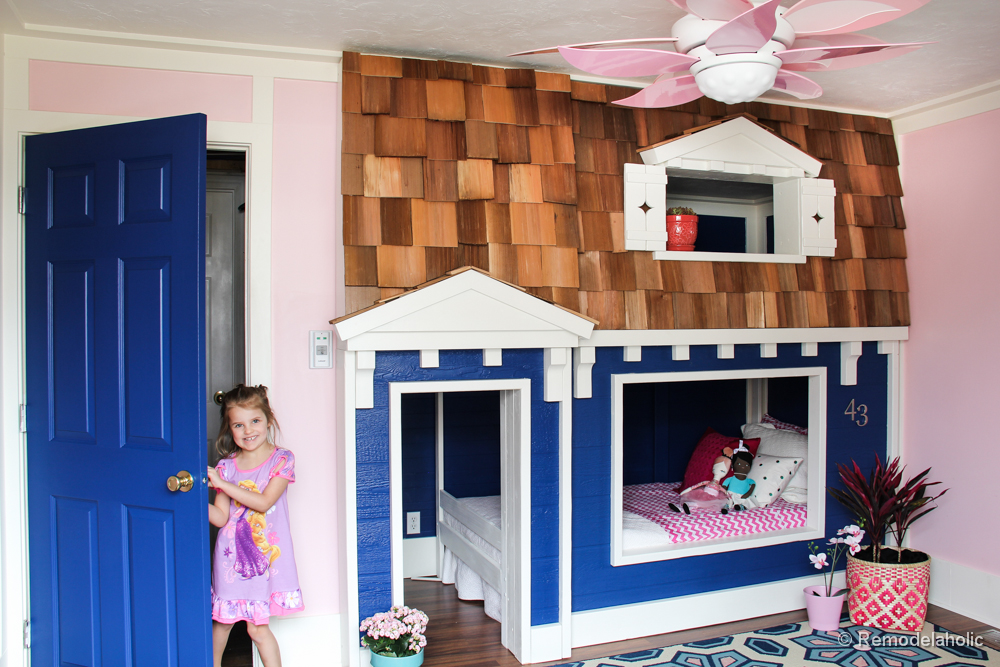
A kid’s bunk bed playhouse is a bunk or loft-style bed designed with playful architectural features. Instead of a plain frame, it may include a pitched roof, windows, curtains, stairs, a slide, storage drawers, shelves, or a cozy space underneath. Some models look like treehouses. Others resemble cottages, forts, farmhouses, castles, cabins, or tiny indoor clubhouses.
Common Styles
The most popular styles include treehouse bunk beds, house-shaped loft beds, low bunk beds with play curtains, bunk beds with slides, and loft beds with storage or desks underneath. Each one serves a slightly different family need.
A low loft playhouse bed is often better for younger children who are ready for a “big kid” bed but not quite ready for a tall upper bunk. A twin-over-twin playhouse bunk bed works well for siblings sharing a room. A twin-over-full design can be useful when one child needs more sleeping space or when sleepovers are common. A loft bed with a play area underneath is ideal for small rooms because it frees up floor space for toys, reading, or pretend play.
Safety Comes First: Cute Is Not a Safety Feature
Let us say the quiet part loudly: a bunk bed can be adorable and still be the wrong choice if it is not safe for your child’s age, room, or habits. The top bunk should generally be reserved for children age six and older. Younger children may not have the coordination, judgment, or sleepy 2 a.m. ladder skills needed for upper-bunk sleeping.
Look for guardrails on both sides of the upper bunk. The guardrails should rise high enough above the mattress, and the mattress should fit snugly within the frame. This is why mattress thickness matters. A mattress that is too tall can reduce guardrail protection, even if the bed itself is well made.
Safety Features Parents Should Check
Before buying an awesome kid’s bunk bed playhouse, check the following details carefully:
- Guardrails: The upper bunk should have strong guardrails on both sides.
- Mattress fit: Use only the mattress size and thickness recommended by the manufacturer.
- Ladder or stairs: The climbing area should be securely attached and easy for your child to use.
- Weight limits: Confirm the weight capacity for each sleeping level.
- Ceiling clearance: Make sure your child can sit up comfortably without bumping the ceiling.
- Stable frame: Solid wood, reinforced joints, and strong slats are important for long-term use.
- No hanging hazards: Avoid ropes, scarves, belts, cords, or string lights attached where they could create risk.
- Night visibility: A soft night-light near the ladder or stairs can make nighttime trips safer.
Also set clear house rules. No jumping from the top bunk. No wrestling on the ladder. No “let’s see if the blanket can become a parachute” experiments. Children are brilliant, creative, and occasionally powered by questionable physics. Rules help.
Why Kids Love Bunk Bed Playhouses
Children love small, cozy spaces. A bunk bed playhouse gives them a sense of ownership and adventure. It turns a normal bedroom into a setting for stories. One day the lower bunk is a bakery. The next day it is a spaceship. By Friday, it may be a dragon rescue center with strict snack requirements.
This kind of imaginative furniture supports independent play because it gives kids a defined area to create their own little world. Curtains become theater doors. Windows become ticket booths. The under-bed nook becomes a reading cave. The top bunk becomes the lookout tower for defending the kingdom against laundry baskets.
Benefits for Small Bedrooms
A playhouse bunk bed can be especially useful in apartments, shared bedrooms, and compact homes. By building upward, it frees valuable floor space. Some designs add drawers under stairs, cubbies beside the frame, shelves near the sleeping area, or space underneath for toy bins. This is where the furniture becomes a parent’s secret weapon: the room looks fun, but it also quietly fights clutter.
For siblings, bunk beds can create personal zones in a shared room. One child may decorate the lower bunk with soft pillows and a book basket, while the other gets the top bunk with a small clip-on reading light. Giving each child a small area to personalize can reduce the “everything in this room is mine and also yours and therefore chaos” problem.
Choosing the Right Design for Your Child
The best kid’s bunk bed playhouse is the one that matches your child’s age, personality, room size, and daily routine. A dramatic two-story castle bed may look incredible, but if your child is nervous about heights, a low loft with curtains may be a better fit. If your child loves reading, prioritize shelves and a cozy nook. If your child has enough toys to open a small museum, choose built-in drawers or stairs with storage.
Low Loft Playhouse Beds
Low loft beds are often a smart middle ground. They provide the fun of a raised bed without towering over the room. The space underneath can become a playhouse, storage zone, or reading nook. Many low loft designs are easier for parents to make and easier for children to climb into safely.
Twin-Over-Twin Playhouse Bunk Beds
A twin-over-twin bunk bed playhouse is great for two children sharing a room. It keeps the footprint compact and gives the room a built-in focal point. Choose a design with a sturdy ladder or stairs and make sure both children understand top-bunk rules.
Twin-Over-Full Bunk Beds
A twin-over-full layout gives the lower sleeper more room. This can work well for older children, guest sleeping, or a parent who occasionally lies down during bedtime stories and accidentally wakes up 45 minutes later wondering what year it is.
Bunk Beds With Slides
A slide can make a bunk bed feel like an indoor playground. However, it also takes up extra floor space and may increase rough play. If you choose a slide, make sure there is enough landing room, the slide is designed for the bed, and the play rules are clear. A slide should be fun, not a launch pad for superhero training.
Materials and Build Quality Matter
Because a bunk bed playhouse is used for both sleep and play, durability is important. Solid wood frames are popular because they feel sturdy and can handle years of climbing, reading, blanket forts, and the occasional dramatic flop after school. Engineered wood and mixed-material designs can also work well when they are properly constructed and meet safety standards.
Look for smooth edges, secure hardware, strong mattress support, and finishes that are appropriate for children’s furniture. Low-VOC finishes are a good feature for indoor air quality. If the bed has painted surfaces, choose a finish that can handle wiping, because children have a magical ability to transfer marker, crumbs, and mystery stickiness onto furniture.
Smart Storage Ideas for a Bunk Bed Playhouse
An awesome kid’s bunk bed playhouse should not only look charming; it should help the room function better. Storage is where playful design becomes truly practical.
Built-In Drawers
Drawers under the bed or stairs are excellent for pajamas, extra bedding, stuffed animals, costumes, and toys. Stair drawers are especially useful because they turn climbing space into storage space.
Open Cubbies
Cubbies are great for books, baskets, small toys, and bedtime essentials. Use labeled bins if your child is learning to clean independently. Labels with words and pictures work especially well for younger kids.
Reading Nook Storage
If the lower area becomes a reading nook, add a small basket for books, a soft cushion, and a battery-operated lamp designed for children’s spaces. Keep cords away from the bed frame and climbing areas.
Decorating an Awesome Kid’s Bunk Bed Playhouse
The secret to decorating a bunk bed playhouse is balance. You want whimsy without creating visual overload. Start with the bed’s theme, then add simple layers.
For a treehouse theme, use leaf-pattern bedding, natural wood tones, soft green accents, and a cozy rug. For a cottage look, try gingham sheets, warm white paint, and small fabric curtains. For a modern playhouse, keep the bed neutral and add color through pillows, wall art, and storage bins.
Easy Theme Ideas
- Forest hideout: Green bedding, animal prints, wooden accents, and a leaf garland kept safely away from the sleeping area.
- Little cottage: Soft curtains, pastel bedding, flower decals, and a tiny book basket.
- Adventure fort: Neutral bedding, map wall art, storage crates, and a pretend camp sign.
- Space station: Star decals, navy bedding, glow-style wall art, and a “mission control” desk underneath.
- Farmhouse playhouse: White or natural wood frame, plaid bedding, warm lighting, and simple woven baskets.
Avoid heavy decorations on the upper bunk, dangling cords, or anything a child could pull down while sleeping. The safest styling is usually simple, soft, and securely placed.
How to Fit a Playhouse Bunk Bed Into a Small Room
Measure first. Fall in love second. This is the golden rule of furniture shopping. A playhouse bunk bed can look perfect online and still overwhelm a room if the ceiling is low, the door swing is awkward, or the slide blocks the closet.
Measure the room width, wall length, ceiling height, window placement, door clearance, and nearby outlets. Leave enough space for walking, opening drawers, changing sheets, and accessing the ladder or stairs. If the bed includes a slide, measure the slide’s full footprint, not just the bed frame.
Small-Room Layout Tips
Place the bunk bed against the longest solid wall if possible. Keep it away from ceiling fans, windows, and hanging fixtures. Use vertical wall storage for books and art supplies. Choose slim dressers, wall hooks, and under-bed bins to reduce floor clutter. In shared rooms, use color or bedding patterns to give each child a sense of personal space.
Cleaning and Maintenance
A bunk bed playhouse needs regular checkups. Every few weeks, inspect screws, bolts, guardrails, ladder attachments, slats, and any moving parts such as drawers. Tighten hardware as needed. Children climb, wiggle, bounce, and occasionally treat furniture like a jungle gym despite repeated parental speeches, so maintenance matters.
Vacuum under the bed, wipe rails and steps, and wash curtains or fabric accessories when possible. Keep the mattress area clear of toys, hard objects, and excessive pillows. A cozy bed is lovely; a cluttered sleeping surface is not.
Buying vs. DIY: Which Is Better?
A ready-made kid’s bunk bed playhouse is usually the easier option for most families because it comes with tested dimensions, assembly instructions, hardware, and stated safety limits. Many modern designs also offer matching mattresses, drawers, curtains, or storage accessories.
A DIY bunk bed playhouse can be beautiful, customized, and meaningful, but it requires advanced planning and strong woodworking skills. If you build one yourself, safety should lead the design. Use reliable plans, appropriate materials, strong fasteners, correct guardrail dimensions, and a mattress that fits precisely. If you are unsure, consult a professional builder. This is not the project for “close enough” measurements and leftover garage wood with mysterious stains.
Common Mistakes to Avoid
One common mistake is buying a mattress that is too thick for the top bunk. Another is choosing a bed that is too tall for the ceiling. Parents also sometimes forget how difficult it can be to change sheets on a high bunk, especially in a room with tight wall clearance.
Another mistake is over-decorating. A playhouse bunk bed already has personality. Too many curtains, lights, banners, and stuffed animals can make it harder to clean and less safe. Keep the sleeping zone simple and move most decorative fun to the walls, rug, or lower play area.
Real-Life Experiences With an Awesome Kid’s Bunk Bed Playhouse
In real family life, a kid’s bunk bed playhouse changes more than the look of a room. It changes how children use the space. One family may discover that the lower playhouse becomes the quiet reading corner their child never had before. Another may find that siblings who argued over floor toys suddenly create “upstairs” and “downstairs” zones, which feels suspiciously like tiny real estate negotiations but works surprisingly well.
The biggest experience parents often report is excitement. Bedtime can feel less like a nightly debate and more like an invitation. A child who once dragged their feet may suddenly want to climb into the “treehouse” or “cottage.” Of course, the novelty does not magically remove every bedtime challenge. Children are still children. They may ask for water, one more story, another hug, and a detailed discussion about whether dinosaurs had bedtime. But a fun bed can make the routine feel warmer and more positive.
Another real-world benefit is organization. When the playhouse bunk bed includes drawers, shelves, or a lower nook, cleanup becomes easier to explain. Books go in the reading cave. Stuffed animals sleep in the lower house. Costumes live in the stair drawers. Giving items a “home” helps children participate in cleaning because the system makes sense to them. It is not just “clean your room,” which can sound like an impossible royal decree. It becomes “put the animals back in their clubhouse,” which is much more acceptable to the small management team.
Parents should also expect a learning period. Children need to practice using the ladder or stairs safely. They need reminders not to jump, climb on the outside, or turn the top bunk into a wrestling arena. The first week is a good time to repeat rules calmly and often. A simple routine works best: climb slowly, face the ladder, keep toys off the steps, and use the night-light after dark.
Sheet-changing is another honest experience worth mentioning. The top bunk can be awkward. Fitted sheets may test your patience, flexibility, and personal belief system. To make life easier, choose bedding that is simple to remove and wash. Avoid excessive layers. A mattress protector, fitted sheet, comforter, and one pillow are often enough. For younger children, keep backup sheets nearby because nighttime accidents, spilled water, and “I brought a snack to bed but forgot” moments happen.
Over time, the playhouse bed often becomes part of a child’s memories. It is where they read their first chapter book alone, whisper with a sibling, build a blanket fort, hide from imaginary dragons, or proudly show visiting cousins “my house bed.” That emotional value is what makes the furniture special. It is not just a bed. It is a stage for childhood.
Conclusion: Build the Dream, Keep the Common Sense
An awesome kid’s bunk bed playhouse can be one of the best upgrades for a child’s bedroom. It saves space, encourages imagination, adds storage, and turns everyday routines into something more memorable. The key is choosing a design that blends fun with safety. Look for strong guardrails, a secure ladder or stairs, the correct mattress size, durable materials, and a layout that fits your room comfortably.
When chosen thoughtfully, a bunk bed playhouse can become the heart of a child’s room: a place to sleep, dream, read, play, and grow. Add practical storage, simple decor, and clear safety rules, and you will have a bedroom feature that feels magical to kids and sensible to parents. That is the real win: childhood wonder with grown-up planning. And maybe, just maybe, fewer toys on the floor.