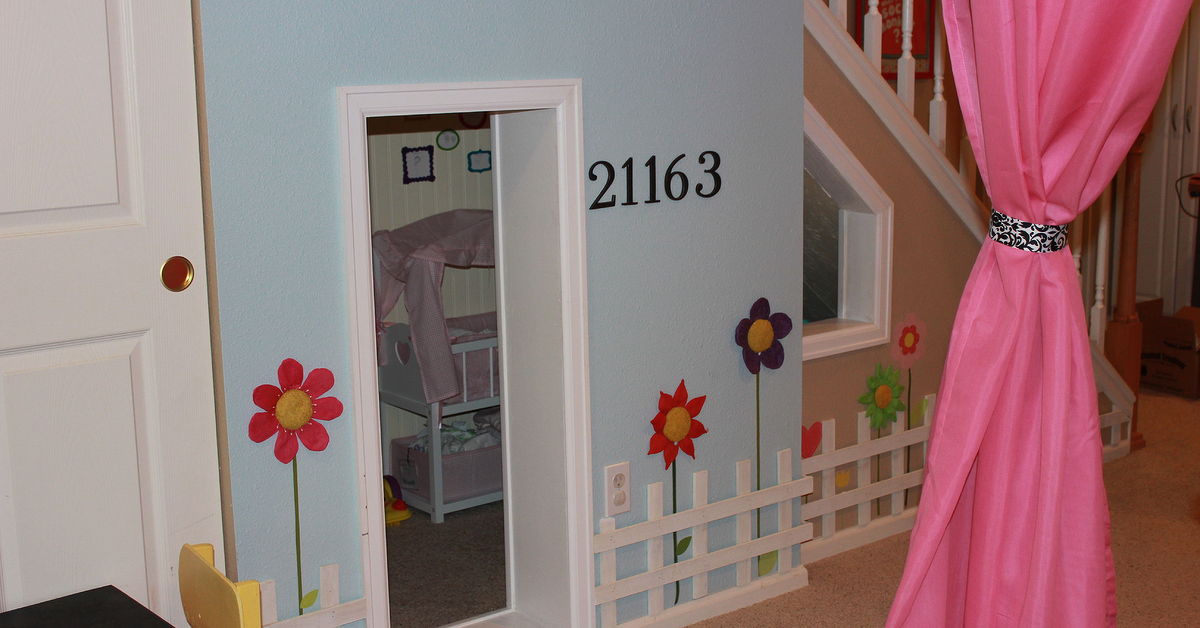
A basement playroom is one of those ideas that sounds simple until you actually try to make one. Then the questions begin. Will it feel dark? Will it smell like “old cardboard and mystery”? Will the toys multiply like gremlins after midnight? And perhaps most importantly, can this space become a place where kids genuinely want to hang out without making adults regret every design decision by Tuesday?
The good news is yes, a basement can become a fantastic playroom. In many homes, it is the most underused square footage in the building. It is separate enough to contain noise, large enough for flexible play zones, and practical enough to handle the daily chaos of blocks, books, crafts, games, forts, and the occasional glitter incident. A well-designed basement playroom can grow with your family too. What begins as a toddler toy zone can later evolve into a homework nook, gaming room, reading lounge, or movie-night hideout.
The trick is not to treat the basement like an afterthought. The best basement playrooms are not just cute. They are dry, bright, durable, organized, and easy to clean. They make room for imagination without inviting clutter to stage a hostile takeover. They feel fun for kids and sane for adults. That balance is the sweet spot.
Why a Basement Playroom Makes So Much Sense
There is a reason so many families look downstairs when the main floor starts feeling crowded. A basement playroom creates breathing room for the entire house. Instead of toys spilling across the living room, the mess has a home base. Instead of every family activity competing for the same square footage, the basement becomes a flexible zone for play, creativity, and downtime.
It also gives kids something they love: a space that feels a little independent. Children are drawn to rooms that feel like they were designed with them in mind. A basement playroom can include art space, climbing-friendly floor room, a mini stage for performances, a train table, a puzzle corner, or a cozy reading tent. For older kids, it can include a game table, a sectional sofa, charging stations, or a maker corner for hobbies. In other words, the basement can age gracefully with your family, which is more than most plastic toy bins can say.
Before the Decor: Make Sure the Basement Deserves to Be a Playroom
Start with Moisture, Not Murals
If the basement has water issues, that is the first project. Not the fun wallpaper. Not the neon beanbags. Not the adorable alphabet rug you found at midnight while “just browsing.” A playroom has to be dry before it can be beautiful.
Basements naturally deal with more humidity than above-grade rooms, so this is the place to think practically. Check for musty odors, condensation, damp spots, peeling paint, or evidence of previous leaks. If you notice any of those warning signs, address the source before you invest in finishes or furniture. Kids do not need a magical playroom built on top of a moisture problem wearing a cute disguise.
Once the space is dry, focus on air quality and comfort. A dehumidifier, proper ventilation, and steady temperature control can make a dramatic difference in how the room feels. A basement that is too cold in winter and sticky in summer is not a playroom. It is an indoor weather experiment.
Think About Warmth and Sound
Many basements feel hard because they are full of concrete, exposed surfaces, and echoes. The easiest fix is layering. Add soft flooring, area rugs, upholstered seating, fabric storage bins, and curtains if you have windows. These choices do not just make the room prettier. They also absorb sound, add warmth, and make the room more comfortable for everyday use.
If the ceiling is low, skip anything visually heavy and choose recessed lighting or flush-mount fixtures. If the basement has small windows, work with them rather than pretending they are skylights from a Tuscan villa. Keep window treatments light, reduce visual clutter near the glass, and use mirrors strategically to bounce light around the room.
How to Plan the Layout Without Losing Your Mind
The smartest basement playrooms are divided into zones. This does not mean you need a giant space or custom millwork that costs more than your first car. It simply means each part of the room has a job.
Create Practical Play Zones
A simple setup might include:
An active zone for building, dancing, tumbling, or pretending the floor is lava.
A quiet zone for reading, puzzles, or solo play.
A creative zone for coloring, crafts, LEGO projects, or schoolwork.
A lounge zone with a couch, floor cushions, or a beanbag for movies and winding down.
A storage zone that keeps the room from looking like a toy store exploded.
Even in a small basement, zoning works. A low shelf can divide one area from another without closing off the room. An area rug can signal where active play happens. A kid-sized table near the wall can become an art station. Under-stair space can turn into hidden storage, a reading nook, or a mini clubhouse. Basements are full of awkward nooks, but awkward nooks are surprisingly talented when given a purpose.
The Best Design Choices for a Basement Playroom
Choose Flooring That Can Handle Real Life
Basement flooring needs to be durable, moisture-aware, and comfortable enough for kids who spend half their lives on the floor. This is not the ideal place for precious materials that panic when someone spills juice.
Luxury vinyl plank is a popular choice because it is durable, low-maintenance, and softer underfoot than tile. Some homeowners prefer carpet tiles because individual sections can be replaced if one gets stained beyond recognition. Engineered solutions, sealed concrete with soft rugs, or other basement-friendly surfaces can also work well depending on the condition of the space and the style you want.
Whatever you choose, think beyond appearance. The best floor is the one you do not resent cleaning. If it survives markers, crumbs, toy traffic, and the occasional indoor obstacle course, it is doing its job.
Lighting Can Make or Break the Room
Lighting is not a decorative afterthought in a basement. It is the main character. A gloomy basement playroom can feel like detention with stuffed animals. A bright one feels inviting, safe, and cheerful.
Use layered lighting instead of relying on one sad ceiling fixture in the center of the room. Combine overhead lighting with task lighting and ambient light. Recessed lights work especially well in basements with lower ceilings. A table lamp in the reading corner, wall sconces near the sofa, and under-shelf lights in storage areas can help the room feel finished rather than forgotten.
Lighter paint colors also help bounce light around the room. Soft white, warm greige, pale sage, or muted blue can make a basement feel more open without becoming sterile. Then you can add personality through art, textiles, colorful bins, or one cheerful accent wall instead of turning every surface into a rainbow emergency.
Storage Should Be Easy Enough for Kids to Use
If the cleanup system is too complicated, it will fail. That is not pessimism. That is family life. The best playroom storage is simple, visible, and low enough for kids to access on their own.
Open cubbies, labeled baskets, cabinets with drawers, and bins sorted by category work well. Board games can live in one section, craft supplies in another, building toys in another. Closed storage is useful when you want a calmer visual look, but some open storage helps kids see what they have and put it back with less drama.
It also helps to rotate toys rather than storing every item out at once. Fewer choices often lead to deeper play and less clutter. That means the room stays tidier, and you are less likely to step on something small and geometrically evil.
Safety Matters More Than Style Tricks
A basement playroom should feel relaxed, but the setup should be deliberate. Anchor heavy furniture to the wall, especially shelves, cabinets, and dressers. Keep heavier items on lower shelves. Tuck away cords where possible. Use soft-close storage if you can. If there is a TV in the room, place it securely and avoid creating a setup that encourages climbing.
If the room includes windows, be thoughtful about furniture placement and window treatments. Avoid putting climbable furniture directly under windows. If there are cords, keep them managed and out of reach. For younger children, outlet covers, corner guards, and secure storage for art materials or small pieces may still be necessary.
Safety does not ruin the design. It protects the design from becoming a bad story later.
Ideas That Make a Basement Playroom Feel Special
For Younger Kids
For toddlers and preschoolers, keep the room open and flexible. Use low furniture, washable rugs, picture-book shelving, and clearly defined activity stations. A small table for coloring, a dress-up rack, floor cushions, and a toy kitchen can create an environment that encourages independent play without overwhelming the space.
For Elementary-Age Kids
This is the golden age of hobby zones. Add a LEGO table, craft cabinet, board-game shelf, reading tent, or pretend play stage. A magnetic wall, chalkboard section, or display ledge for artwork can make the room feel personalized and fun.
For Tweens and Beyond
An older-kid basement playroom may lean more toward a hangout room. Think sectional seating, game storage, charging spots, flexible tables, better task lighting, and a design that feels more like a cool lounge than a cartoon explosion. The beauty of a basement playroom is that it does not have to stay “little kid” forever.
Budget-Friendly Ways to Upgrade the Space
You do not need a giant renovation budget to make a basement playroom work. Paint goes a long way. So does improved lighting. Rearranging the layout, editing the toys, adding better storage, and defining zones with rugs can completely change how the room functions.
Some of the most effective upgrades are surprisingly simple: replacing one overhead light with better layered lighting, adding shelving under the stairs, using matching bins for a cleaner look, or swapping bulky furniture for pieces with hidden storage. The goal is not perfection. The goal is a room that works on an ordinary Wednesday when everyone is tired and someone is still looking for the blue marker cap.
Mistakes to Avoid
One common mistake is focusing only on decoration and ignoring performance. A basement playroom that looks good online but feels damp, dark, or cluttered in real life will not get used the way you hoped.
Another mistake is overfilling the room. Empty floor space is not wasted space in a playroom. It is where forts happen, puzzles spread out, train tracks expand, and children turn into tiny creative directors. Leave breathing room.
Finally, avoid designing only for the age your child is today. Make a few choices that allow the room to evolve. Neutral large pieces, flexible furniture, adaptable storage, and a layout with multiple uses will help the room remain relevant long after the toy dinosaurs retire.
Final Thoughts
A great basement playroom is not about chasing a picture-perfect look. It is about creating a space that feels dry, bright, safe, flexible, and inviting. It should make your home function better and your family live easier. It should welcome mess without becoming chaos. It should support creativity without punishing you at cleanup time.
When done well, a basement playroom becomes more than a toy zone. It becomes the room where your kids build cities, perform shows, read quietly, host sleepover movie nights, and slowly grow into new versions of themselves. That is a pretty good use of a basement.
Experiences Related to a Basement Playroom
One of the most common experiences families talk about after creating a basement playroom is how much calmer the main floor feels. The toys do not completely disappear, because children remain wonderfully committed to carrying random objects all over the house, but the overall noise and visual clutter usually improve. Parents often say the living room starts feeling like a living room again instead of a part-time daycare center with decorative pillows.
Another experience people mention is that kids tend to stay engaged longer when the basement playroom is organized into zones. A reading corner invites one kind of activity. A craft table invites another. An open floor area gives kids room to invent their own games. Instead of dumping everything onto the floor at once, they often move from one station to another with more intention. That does not mean the room stays spotless, because let us not get carried away, but it usually feels more functional and less chaotic.
Families also discover that lighting changes everything. Basements that once felt gloomy can become favorite gathering spots once the lighting is improved. It is one of those upgrades that sounds boring until it is done. Then suddenly the room feels bigger, cleaner, and more welcoming. Parents often say their original plan was to buy fun decor first, but once the lights, paint, and flooring were handled, the room already felt transformed before the toys even moved in.
There is also the experience of realizing that children do not need a themed wonderland to enjoy the room. They usually respond more to comfort, flexibility, and access than to complicated design gimmicks. A soft rug, accessible books, favorite games, cozy seating, and good storage often matter more than highly styled decor. In many real homes, the best basement playrooms are not the fanciest. They are the ones that are easy to use every day.
Another pattern is that the room grows with the family faster than expected. Parents set up a train table for a preschooler, and a few years later the same area becomes a homework table, craft station, or board-game zone. The sofa corner that once hosted story time eventually becomes the spot for movie nights and sleepovers. This is why flexible design matters. A basement playroom is rarely static. It changes as children change, and that adaptability is part of its value.
Some families also talk about the emotional side of the room. A basement playroom can become a place where traditions happen. It might be where kids build holiday forts, perform puppet shows, work on rainy-day art projects, or hide out with flashlights and blankets on summer afternoons. These rooms often become memory-making spaces precisely because they are separate from the formal parts of the house. They feel relaxed. They feel lived in. They give kids room to be loud, imaginative, and gloriously messy.
Of course, there are lessons learned too. People often wish they had added more storage from the beginning. They wish they had planned better for cords, charging, or future furniture changes. They wish they had left more empty floor space and bought fewer oversized pieces. These are useful mistakes because they point to the real secret of a successful basement playroom: function first, style second, and flexibility always.
In the end, the experience of having a basement playroom is rarely about the room alone. It is about how the room changes the rhythm of family life. It gives children a place to play freely, gives adults a little more breathing room upstairs, and turns a neglected lower level into a part of the home that actually earns its square footage. That is a pretty satisfying outcome for a space that may once have held nothing but storage bins, laundry overflow, and seasonal decorations judging you from the shadows.