Finger puppets are one of those wonderfully low-tech crafts that still manage to feel like pure magic. Give a kid a tiny paper fox or a felt monster that fits on one finger, and suddenly your kitchen table becomes a theater, a forest, a castle, or a highly dramatic meeting between a frog and a taco. Better yet, finger puppets are inexpensive, beginner-friendly, and surprisingly customizable. You can make them from paper, felt, recycled cardboard, old gloves, or that mysterious craft stash drawer everyone swears they will organize “this weekend.”
If you want a fun, easy project that leads to actual play instead of being abandoned five minutes later, this is it. In this guide, you’ll learn how to make finger puppets with simple supplies, easy template ideas, and clear step-by-step instructions. We’ll cover paper finger puppets, felt finger puppets, and a quick origami version for those days when scissors and glue feel a little too ambitious.
Why Finger Puppets Are Still a Brilliant Craft
There is a reason finger puppets keep showing up in classrooms, family activity lists, and craft collections: they pull double duty. First, they’re easy to make. Second, they turn into a storytelling toy the moment the glue dries. That means one project can cover creativity, pretend play, conversation, fine-motor practice, and a good excuse for adults to do ridiculous voices without being judged. Or at least not judged too harshly.
They also scale beautifully. A preschooler can color and tape a printable puppet. An older child can design a full cast of animal characters, complete with eyebrows and tiny hats. Adults can make themed finger puppets for party favors, classroom props, holiday table activities, quiet-time bins, road trip kits, or story baskets.
Best Materials for DIY Finger Puppets
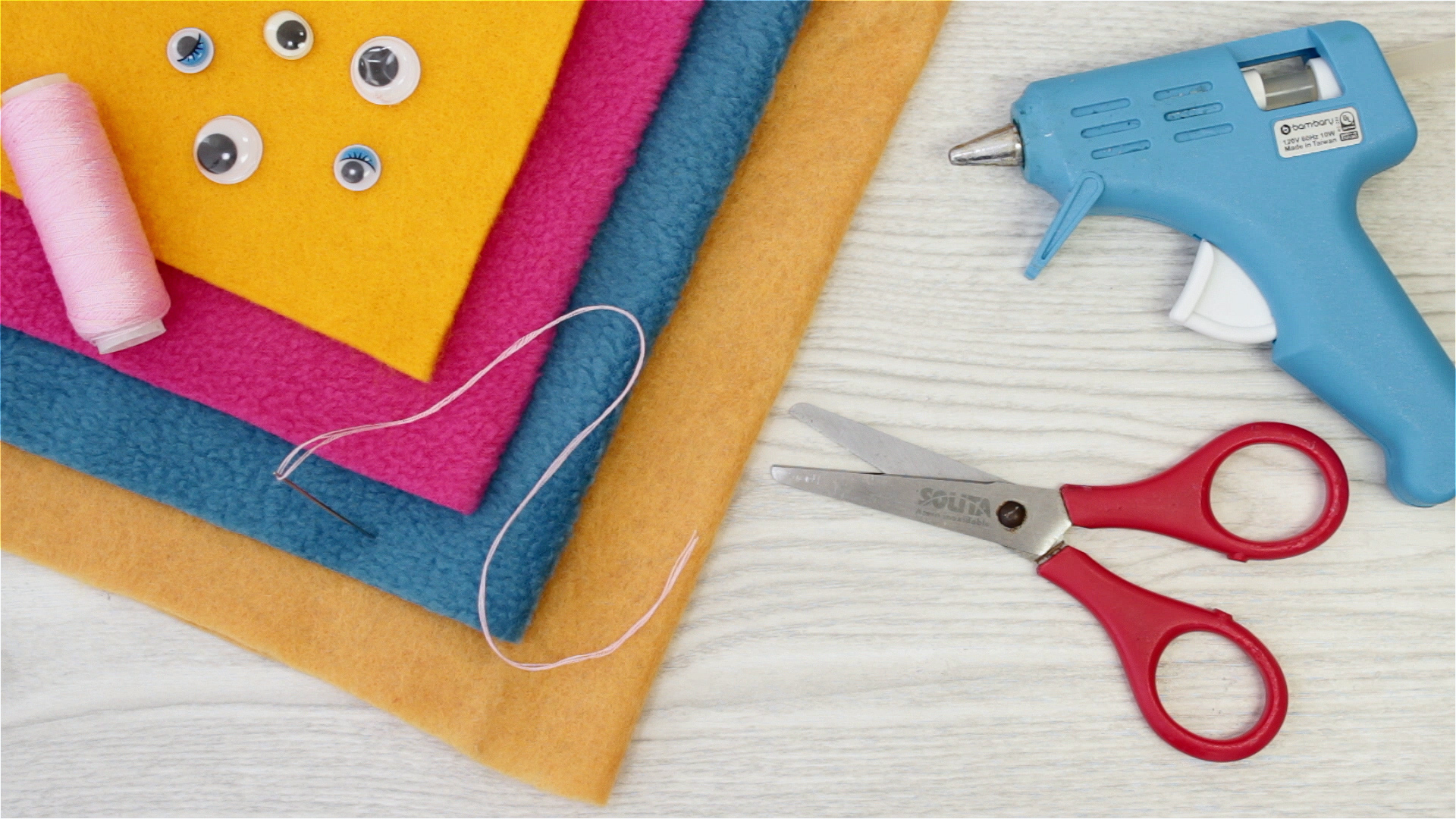
You do not need a craft store haul worthy of a reality show. Most DIY finger puppets can be made with a few basics.
Basic Supplies
- Construction paper, cardstock, or printer paper
- Felt sheets or fabric scraps
- Child-safe scissors
- Glue stick, craft glue, or double-sided tape
- Markers, crayons, or colored pencils
- Googly eyes, pom-poms, pipe cleaners, or stickers
- Tape for securing paper loops
Nice Extras
- Hole punch for decorative details
- Embroidery floss if you want to stitch felt puppets
- Scrap cardboard for sturdier pieces
- Templates printed on cardstock for repeated use
The main rule is simple: the puppet should fit loosely enough to slide on and off a finger without splitting. Tiny drama is fun. Tiny engineering disasters are less charming.
Easy Finger Puppet Template Ideas
Before you start cutting, choose a simple shape. The easiest finger puppet templates use a wrapped strip or sleeve as the base, then add a character on top.
Template 1: Paper Strip Puppet
Cut a strip of paper long enough to wrap around a finger. Tape or glue the ends into a loop. Then attach a head, body, wings, ears, or other details to the front. This is the fastest option and ideal for printable finger puppets.
Template 2: Felt Sleeve Puppet
Trace a finger loosely, then cut two matching felt pieces slightly larger than that shape. Glue or stitch the sides and top together, leaving the bottom open. Add eyes, nose, hair, ears, or clothes to the front. This version is soft, reusable, and less likely to crumple in a dramatic puppet showdown.
Template 3: Butterfly or Animal Ring Puppet
Create a paper ring for the finger, then glue a flat shape above it, such as butterfly wings, a lion face, a bird, or a flower. This style is extra easy for younger kids because the decorative part stays flat.
Template 4: Origami Face Puppet
Fold a square of paper into a tiny face puppet, then decorate it with markers. This is perfect when you want a no-mess project with minimal supplies.
How to Make Paper Finger Puppets
Paper finger puppets are the best place to start because they’re quick, forgiving, and endlessly customizable.
Step-by-Step Instructions
- Choose your character. Start with something simple: cat, dog, bunny, monster, butterfly, pirate, princess, bear, or frog.
- Make the finger ring. Cut a strip of paper and wrap it loosely around the finger. Trim if needed, then tape or glue it closed.
- Create the top piece. Draw a head or body shape on cardstock or construction paper. Keep it bold and simple so it is easy to cut.
- Decorate first. Color the character before assembling it. It is much easier to add stripes to a tiger before the tiger becomes tiny and opinionated.
- Cut and assemble. Glue the character to the front of the ring.
- Add dimension. Use small paper ears, wings, tails, or hair. Glue on googly eyes if you want a more playful look.
- Test the fit. Slide it on, wiggle dramatically, and adjust if the ring feels too tight or too loose.
Easy Paper Character Ideas
- Farm animals: pig, cow, sheep, chick, horse
- Storybook favorites: prince, dragon, grandma, wolf, fairy
- Nature themes: butterfly, bee, flower, cloud, rainbow
- Funny characters: taco, donut, banana, alien, monster
For classrooms or parties, make one base ring and swap different toppers. That way, kids can create a whole cast without rebuilding the finger loop every time.
How to Make Felt Finger Puppets
If you want a sturdier craft, felt finger puppets are the gold standard. Felt is easy to cut, doesn’t fray much, and holds its shape well.
Step-by-Step Instructions
- Trace a finger shape. Leave extra room so the puppet slides on comfortably.
- Cut two matching pieces. These will become the front and back of your puppet.
- Round the top if desired. A rounded top works well for people, monkeys, bears, and many animal heads.
- Join the pieces. Glue or stitch the side edges and top edge. Leave the bottom open.
- Decorate the front. Add felt ears, noses, wings, beaks, paws, manes, or tiny shirts.
- Draw or glue features. Markers work for simple faces; felt scraps create a richer, layered look.
- Let it dry fully. Then slide it on and test your puppet’s performance range, which will likely include waving, nodding, and immediately starting an argument with another puppet.
Best Felt Puppet Designs for Beginners
- Monkey with round ears
- Bunny with tall felt ears
- Fox with triangle ears
- Monster with one giant eye
- Person with yarn hair
- Turkey, chick, or butterfly for seasonal crafts
Felt is especially useful when you want to make reusable puppets for story time, holiday activities, or a homemade puppet set that survives more than one afternoon.
How to Make an Origami Finger Puppet
Need a quick craft with almost no cleanup? An origami finger puppet is your best friend. You only need a square of paper and a marker.
Simple Origami Overview
- Start with a square piece of paper.
- Fold it in half to create guide creases.
- Fold corners inward toward the center.
- Fold flaps up and tuck sections to form the puppet shape.
- Fold the top point down to make a face area.
- Open the bottom so the puppet slips onto your finger.
- Decorate with eyes, whiskers, teeth, or eyebrows.
This version is great for cats, dogs, rabbits, monsters, and silly faces. It is also ideal for classrooms because it requires less drying time and fewer materials. Translation: fewer chances for someone to glue their sleeve to the table.
Five Ready-to-Make Finger Puppet Themes
1. Animal Finger Puppets
Probably the easiest starting point. Use circles, triangles, and ovals for heads and ears. Add stripes, spots, or whiskers with markers.
2. Family Finger Puppets
Make puppets that resemble family members, caregivers, or friends. Add hair colors, glasses, hats, or simple clothing details. These are excellent for storytelling and social-emotional play.
3. Storybook Finger Puppets
Create characters from favorite books or nursery rhymes. This is a smart way to make reading time more interactive and memorable.
4. Holiday Finger Puppets
Think turkeys, bunnies, hearts, pumpkins, snowmen, reindeer, or stars. These are perfect for seasonal classroom projects and party tables.
5. Monster Finger Puppets
These are ideal for kids who hate “getting it wrong,” because monsters can be any color, shape, or level of weirdness. Three eyes? Great. Purple fangs? Outstanding. Eyebrows that look mildly disappointed in everyone? Art.
Tips for Making Finger Puppets Look Better
- Decorate before assembly when possible.
- Use cardstock for paper puppets that need more structure.
- Keep shapes large and simple for younger children.
- Test the ring size first before adding details.
- Layer felt pieces to create cleaner faces and clothing.
- Make a full set instead of one puppet. Puppets are social little creatures.
Common Mistakes and Easy Fixes
The puppet won’t fit.
Make the loop or sleeve slightly larger. It should move easily without falling off immediately.
The paper puppet flops forward.
Use thicker paper or make the top character smaller and lighter.
The felt pieces shift while gluing.
Use tiny dots of glue, not a flood. This is a puppet, not a sticky crime scene.
The face looks awkward.
Use fewer details. Big eyes, a simple mouth, and one standout feature often look better than twenty microscopic design decisions.
How to Use Finger Puppets After You Make Them
The best part of learning how to make finger puppets is that the craft is only half the fun. Once the puppets are finished, you can actually use them.
- Retell a favorite book or nursery rhyme
- Create a puppet theater from a shoebox
- Use them for circle time or classroom prompts
- Turn them into party favors or rainy-day kits
- Practice emotions by giving each puppet a feeling
- Make a themed set for holidays, seasons, or animal units
- Encourage reluctant storytellers by letting the puppet “talk first”
For adults, finger puppets are also useful for gift toppers, table settings, interactive favors, and handmade keepsakes. Tiny puppets can be charming without being precious, which is a rare craft achievement.
Conclusion
Making finger puppets is one of the easiest ways to turn basic craft supplies into imaginative play. Whether you choose paper rings, felt sleeves, or origami folds, the formula stays simple: make a finger-sized base, add a character, and let the stories take over. The best easy finger puppet templates are not complicated at all. They are simple shapes, bright colors, and just enough personality to spark a little performance.
Start with one or two characters, then build a small cast. Make animals for preschoolers, storybook puppets for readers, or goofy monsters for anyone who enjoys chaos in miniature form. However you approach it, these tiny creations have a big payoff: they are affordable, creative, reusable, and surprisingly memorable. Not bad for something smaller than a carrot stick.
Experiences Related to How to Make Finger Puppets: What Happens in Real Life
One of the most common experiences people have with finger puppets is discovering that the making process matters just as much as the finished puppet. Parents often begin with a simple goal like “let’s do an easy craft,” only to realize that kids become deeply invested in the characters they invent. A plain yellow circle is not just a chick anymore. It becomes Sunny, who is brave, dramatic, and apparently late for a tea party. That quick burst of ownership is one reason finger puppets work so well. Children are not just assembling shapes; they are assigning identities, voices, relationships, and sometimes very intense backstories.
Teachers and caregivers also tend to notice that finger puppets help hesitant kids participate in a different way. A child who does not want to answer a question directly may happily let a bunny puppet do the talking. A shy reader may be more willing to retell a story when a fox, bear, or princess is perched on their finger. The puppet becomes a buffer, almost like a tiny stage curtain. It gives children enough distance to be brave.
Another real-world experience is that perfection matters far less than personality. Adults sometimes worry that the puppet needs to look polished, symmetrical, or “Pinterest worthy.” Meanwhile, children are thrilled with a one-eyed dragon made from green paper and two crooked triangles. In fact, the less perfect the puppet is, the more charm it often has. A lopsided smile can become the puppet’s signature look. A mismatched ear becomes “part of the character.” Finger puppets are refreshingly forgiving that way.
There is also the practical reality that different materials create different moods. Paper finger puppets are fast and satisfying, which makes them perfect for groups, quick crafts, and short attention spans. Felt finger puppets feel more substantial. They tend to become favorites that live in story baskets, backpacks, or bedside bins. Origami puppets are often the surprise hit because kids love the transformation: one square of paper suddenly becomes a face that can perform on cue. It feels like a magic trick with office supplies.
Many families find that finger puppets show up again after the craft is over. They get used in bedtime stories, car rides, waiting rooms, and improvised kitchen-table performances. A child might make them for one specific activity, then quietly adopt them into everyday play. That staying power is rare. Plenty of crafts get admired once and then vanish into the mysterious land of broken crayons and missing glue sticks. Finger puppets often stick around because they are both object and invitation. They ask to be used.
There is usually a funny moment, too. Someone makes a puppet with enormous eyebrows. Someone else insists on creating a broccoli superhero. An adult tries a puppet voice and accidentally sounds like a tired pirate with allergies. Those moments become part of the experience. The craft is simple, but the laughter around it is what people remember.
In the end, the most meaningful experience tied to finger puppets is that they make room for connection. They are small enough not to feel intimidating, easy enough not to feel frustrating, and playful enough to invite conversation. Whether you are crafting with one child, a classroom, siblings, or a whole party table, finger puppets tend to do what the best crafts do: they bring hands, imagination, and people together.