Note: This article is written for web publication and synthesizes established U.S. cooking, grilling, salad-prep, and food-safety guidance without inserting source-link markers.
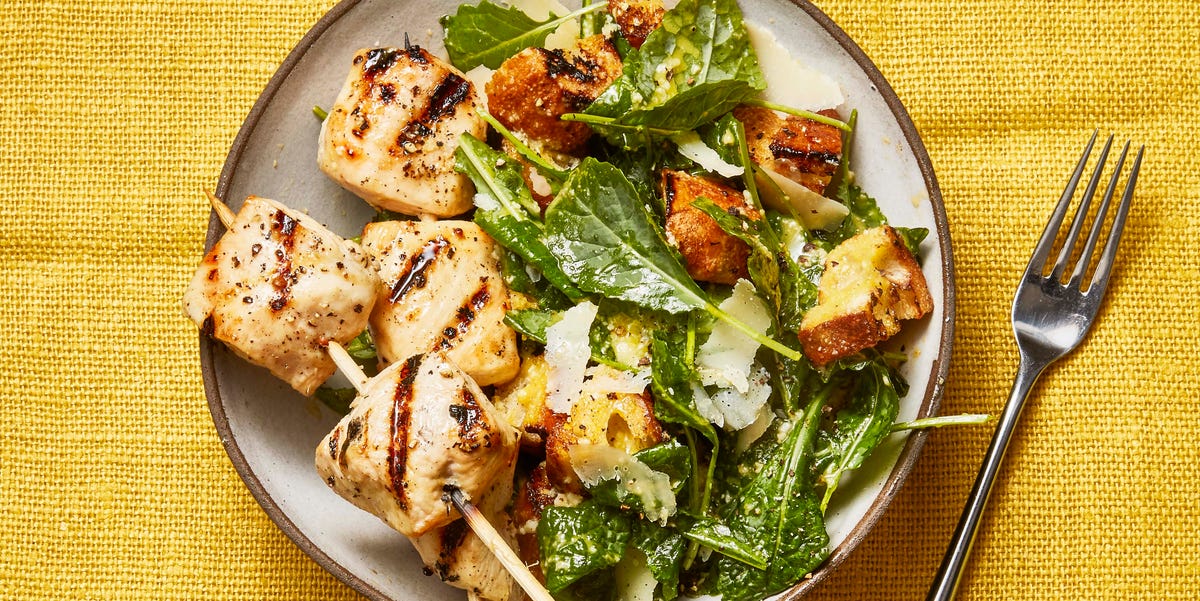
Grilled chicken skewers and kale Caesar salad are the culinary equivalent of wearing sneakers with a blazer: casual, polished, and somehow perfect for nearly every situation. The chicken brings smoky char, juicy bites, and that “yes, I absolutely know what I’m doing at the grill” energy. The kale Caesar brings creamy dressing, crunchy toppings, Parmesan swagger, and enough green leaves to convince everyone this meal is both fun and responsible.
The beauty of this dish is balance. Chicken skewers are quick to cook, easy to season, and built for weeknight dinners, backyard cookouts, meal prep, or a casual dinner that looks suspiciously impressive. Kale Caesar is the sturdy, flavor-packed salad that refuses to wilt into sadness five minutes after dressing. Together, they create a meal that is smoky, tangy, savory, crisp, and satisfying without being heavy.
This guide walks you through how to make the best grilled chicken skewers and kale Caesar from scratch: the marinade, the grilling method, the creamy Caesar-style dressing, the kale-massaging trick, serving ideas, storage tips, and the little mistakes that separate “great dinner” from “why is my chicken chewing back?”
Why Grilled Chicken Skewers and Kale Caesar Work So Well Together
Chicken skewers cook fast because the meat is cut into smaller, even pieces. That means more surface area for marinade, more edges for browning, and less time standing over the grill pretending you are not hungry. When cooked properly, the chicken develops a lightly charred exterior while staying tender inside.
Kale Caesar is the perfect partner because it can handle bold flavors. Romaine is classic, but kale has staying power. It keeps its texture after dressing, carries garlic and lemon beautifully, and pairs well with smoky grilled meat. A properly made kale Caesar is not a punishment salad. It is creamy, crunchy, salty, bright, and just bitter enough to keep the richness in check.
The key is technique. Use a flavorful marinade with oil, acid, garlic, mustard, herbs, and seasoning. Cut chicken evenly. Grill over medium-high heat. Cook to a safe internal temperature of 165°F. For the salad, remove tough stems, chop the kale finely, massage it briefly with olive oil and lemon, then toss with a Caesar dressing that has enough Parmesan, garlic, and umami to make the greens behave.
Ingredients for Grilled Chicken Skewers and Kale Caesar
For the Grilled Chicken Skewers
- 1 1/2 pounds boneless, skinless chicken thighs or chicken breasts
- 3 tablespoons olive oil
- 2 tablespoons fresh lemon juice
- 1 teaspoon lemon zest
- 3 cloves garlic, finely grated or minced
- 1 tablespoon Dijon mustard
- 1 tablespoon honey
- 1 teaspoon smoked paprika
- 1 teaspoon kosher salt
- 1/2 teaspoon black pepper
- 1/2 teaspoon dried oregano or Italian seasoning
- 1/4 teaspoon crushed red pepper flakes, optional
- Wooden or metal skewers
For the Kale Caesar Salad
- 1 large bunch curly kale or lacinato kale, stems removed
- 1 tablespoon olive oil
- 1 tablespoon fresh lemon juice
- 1/4 teaspoon kosher salt
- 1/2 cup finely grated Parmesan cheese
- 1 cup croutons, toasted panko, or crunchy breadcrumbs
- Extra Parmesan shavings, for serving
For the Caesar Dressing
- 1/3 cup mayonnaise or plain Greek yogurt
- 2 tablespoons fresh lemon juice
- 1 teaspoon Dijon mustard
- 1 teaspoon Worcestershire sauce
- 1 to 2 teaspoons anchovy paste, optional but recommended
- 1 small garlic clove, finely grated
- 1/3 cup finely grated Parmesan cheese
- 2 tablespoons olive oil
- 1 to 2 tablespoons water, to thin as needed
- Black pepper, to taste
Best Chicken for Skewers: Thighs or Breasts?
Chicken thighs are the most forgiving choice for grilled chicken skewers. They contain a little more fat, which helps them stay juicy over direct heat. They also pick up marinades beautifully and handle a bit of char without drying out. If you are feeding a crowd and want the best odds of tender chicken, thighs are your loyal friend.
Chicken breasts also work, but they require more attention. Breasts are lean, which means they can go from juicy to “desk eraser” if overcooked. To make breast meat successful, cut it into evenly sized pieces, avoid over-marinating in too much acid, and use a thermometer rather than guessing. Uniform pieces are everything. If some chunks are tiny and others look like chicken boulders, they will not cook evenly.
How To Make the Best Grilled Chicken Skewers
Step 1: Cut the Chicken Evenly
Cut the chicken into 1 1/2-inch pieces. This size is ideal because the pieces cook quickly but do not dry out immediately. Keep the pieces as even as possible so every skewer finishes at roughly the same time. If using chicken breasts, trim away thin flaps or fold thinner pieces before skewering.
Step 2: Make a Bright, Savory Marinade
In a large bowl, whisk together olive oil, lemon juice, lemon zest, garlic, Dijon mustard, honey, smoked paprika, salt, black pepper, oregano, and red pepper flakes. This marinade hits all the important notes: oil for moisture, lemon for brightness, mustard for tang, honey for browning, garlic for personality, and paprika for smoky color.
Add the chicken and toss well. Cover and refrigerate for at least 30 minutes. For deeper flavor, marinate for 2 to 4 hours. If using chicken breasts, avoid letting them sit overnight in a very acidic marinade, because the texture can become a little soft or chalky. Chicken thighs are more relaxed about the whole thing, because thighs are the cool cousins of the poultry world.
Step 3: Prepare the Skewers
If using wooden skewers, soak them in water for at least 30 minutes before grilling. This helps reduce burning. Metal skewers do not need soaking and are reusable, which is helpful if skewers are part of your summer personality.
Thread the chicken onto the skewers without packing the pieces too tightly. A little breathing room helps heat circulate and encourages better browning. If the meat is jammed together like commuters on a subway platform, the sides may steam instead of char.
Step 4: Preheat and Oil the Grill
Preheat the grill to medium-high heat, about 400°F to 450°F. Clean the grates, then oil them lightly. A hot, clean, oiled grill helps prevent sticking and gives the skewers attractive grill marks. If you are using a grill pan indoors, preheat it until hot and lightly brush it with oil.
Step 5: Grill Until Charred and Cooked Through
Place the skewers on the grill and cook for 10 to 14 minutes total, turning every 3 to 4 minutes. The exact time depends on the size of the chicken pieces and the heat of your grill. The chicken should be browned in spots, lightly charred at the edges, and cooked to an internal temperature of 165°F.
Do not rely only on color. Grilled chicken can look done before it is safe, especially when marinades include paprika, soy sauce, honey, or mustard. Use an instant-read thermometer and check the thickest piece on the skewer. Once done, transfer the skewers to a clean platter and let them rest for 5 minutes.
How To Make Kale Caesar Salad That People Actually Want to Eat
Kale Caesar can be magnificent, but only if the kale is treated properly. Raw kale is sturdy, which is a polite way of saying it can feel like chewing a houseplant if you skip the prep. The fix is simple: remove the stems, chop the leaves, add a little oil, lemon, and salt, and massage briefly.
Step 1: Remove the Stems
Strip the kale leaves away from the tough center stems. The stems are fibrous and can make the salad taste more bitter. You can save them for soup, stir-fries, or smoothies, but for Caesar salad, the leaves are the main event.
Step 2: Chop the Kale Small
Slice the kale into thin ribbons or small bite-size pieces. Smaller pieces are easier to coat with dressing and much more pleasant to eat. Nobody wants to wrestle a giant kale leaf at the dinner table while trying to look graceful.
Step 3: Massage the Kale
Add the chopped kale to a large bowl with olive oil, lemon juice, and salt. Use clean hands to gently rub and squeeze the leaves for 1 to 3 minutes, just until they turn darker green and soften slightly. Do not overdo it. The goal is tender kale, not green confetti with emotional damage.
Step 4: Make the Caesar Dressing
Whisk together mayonnaise or Greek yogurt, lemon juice, Dijon mustard, Worcestershire sauce, anchovy paste, garlic, Parmesan, olive oil, and black pepper. Add a tablespoon or two of water until the dressing is creamy but pourable.
Anchovy paste is optional, but it gives Caesar dressing its classic savory depth. It does not make the salad taste fishy when used properly. It simply adds that mysterious restaurant-style flavor people notice but cannot quite identify. If you skip anchovy, add a little extra Worcestershire and Parmesan.
Step 5: Toss and Finish
Add the dressing to the massaged kale and toss thoroughly. Sprinkle in Parmesan and croutons or toasted breadcrumbs. For extra crunch, use lemony panko breadcrumbs toasted in a skillet with olive oil or butter. They cling to the kale better than large croutons and make every bite taste intentional.
Complete Recipe: Grilled Chicken Skewers and Kale Caesar
Prep Time, Cook Time, and Servings
- Prep time: 25 minutes
- Marinating time: 30 minutes to 4 hours
- Cook time: 10 to 14 minutes
- Total time: About 1 hour, including short marinating
- Servings: 4
Instructions
- Cut the chicken into 1 1/2-inch pieces and place in a bowl.
- Whisk together olive oil, lemon juice, zest, garlic, Dijon, honey, smoked paprika, salt, pepper, oregano, and red pepper flakes.
- Add the marinade to the chicken and toss until coated. Cover and refrigerate for at least 30 minutes.
- If using wooden skewers, soak them in water for at least 30 minutes.
- Thread chicken pieces onto skewers, leaving slight space between pieces.
- Preheat grill to medium-high heat. Clean and lightly oil the grates.
- Grill skewers for 10 to 14 minutes, turning occasionally, until the chicken reaches 165°F internally.
- Rest skewers for 5 minutes on a clean platter.
- Remove kale stems, chop the leaves, and massage with olive oil, lemon juice, and salt.
- Whisk dressing ingredients together, thinning with water as needed.
- Toss kale with dressing, Parmesan, and croutons or toasted breadcrumbs.
- Serve grilled chicken skewers over or beside the kale Caesar salad.
Pro Tips for Juicy Chicken and Better Salad
Use a Thermometer
A thermometer is not a gadget for nervous cooks. It is a tiny truth machine. Chicken should reach 165°F for safe eating. Checking the temperature prevents undercooking and also helps avoid overcooking, which is the main reason grilled chicken turns dry.
Do Not Wash Raw Chicken
Raw chicken does not need to be rinsed. Washing it can spread bacteria around the sink, counter, utensils, and nearby foods. Keep raw chicken away from ready-to-eat ingredients like kale, Parmesan, and croutons. Use separate cutting boards or wash everything thoroughly with hot, soapy water after handling raw poultry.
Do Not Overload the Skewers
Thread chicken pieces close enough to stay secure but not so tight that they steam. A little space helps the heat reach more surface area, which creates better browning and flavor.
Let the Chicken Rest
Resting gives juices a chance to redistribute. Five minutes is enough for skewers. Use that time to toss the salad, pour drinks, or dramatically announce that dinner is almost ready.
Dress the Kale Before Serving
Kale can handle dressing better than delicate lettuce, but the salad still tastes freshest when tossed shortly before serving. If meal prepping, store dressing separately and add crunchy toppings at the last minute.
Flavor Variations
Lemon-Herb Chicken Skewers
Double the lemon zest and add chopped parsley, rosemary, or thyme. This version tastes bright and classic, especially with extra Parmesan on the salad.
Spicy Garlic Skewers
Add cayenne pepper, chili paste, or extra red pepper flakes to the marinade. Serve with a squeeze of lemon and a little extra dressing on the side.
Greek-Style Skewers
Add plain yogurt to the marinade, plus oregano and a pinch of cumin. Yogurt helps tenderize the chicken and creates a flavorful coating that browns nicely on the grill.
Extra-Crunch Kale Caesar
Replace croutons with toasted panko, roasted chickpeas, or crushed Parmesan crisps. Crunch is not optional in Caesar salad. It is structural support for happiness.
What To Serve With Grilled Chicken Skewers and Kale Caesar
This dish can stand alone as a complete meal, but it also plays nicely with sides. Try warm pita, grilled corn, roasted potatoes, garlic bread, rice pilaf, or a simple tomato salad. For a lighter dinner, serve the skewers directly over the kale Caesar and call it done. For a bigger cookout, place the skewers on a platter and serve the salad family-style.
A lemony sparkling water, iced tea, crisp white wine, or light beer pairs well with the smoky chicken and creamy dressing. The lemon and garlic in the dish love bright, refreshing drinks.
Storage and Meal Prep Tips
Store leftover grilled chicken in an airtight container in the refrigerator for 3 to 4 days. Remove the chicken from the skewers before storing if you want easier reheating. Warm gently in a skillet, microwave, or low oven until heated through. Avoid blasting it with high heat, unless you enjoy turning dinner into poultry jerky.
Prepared kale can be stored separately for up to 2 days if it has only been massaged with oil, lemon, and salt. Dressed kale Caesar can last until the next day, though the croutons will soften. For best results, store dressing and crunchy toppings separately.
For meal prep, marinate the chicken in the morning, grill it in the evening, and prep the dressing up to 3 days ahead. Wash and chop the kale ahead of time, but massage and dress it closer to serving for the best texture.
Common Mistakes to Avoid
Using Uneven Chicken Pieces
Uneven pieces cook unevenly. Small pieces dry out before large ones reach a safe temperature. Take a few extra minutes to cut the chicken consistently.
Skipping the Kale Massage
Massaging kale sounds like spa treatment for vegetables, but it works. It softens the leaves, reduces toughness, and helps the dressing cling.
Using Too Much Dressing
Caesar dressing is delicious, but too much can make the salad heavy. Start with less, toss well, then add more only if needed.
Grilling Over Flames That Are Too High
High flames can burn the outside of the chicken before the inside cooks. Medium-high heat gives you char without chaos. If flare-ups happen, move the skewers to a cooler part of the grill.
Experience Notes: What Makes This Dish Better in Real Life
The best grilled chicken skewers and kale Caesar meal is not just about following instructions. It is about understanding how the dish behaves when real life gets involved: the grill has hot spots, someone forgot to soak the skewers, the kale bunch is enormous, and one guest claims they “do not really like salad” while standing directly beside the salad bowl. This recipe handles all of that surprisingly well.
One practical experience that improves the dish immediately is setting up your work area before raw chicken comes out. Keep the marinade bowl, skewers, clean platter, thermometer, and trash nearby. Once raw chicken is involved, you do not want to open six drawers, touch the refrigerator handle, and conduct a small kitchen scavenger hunt. A clean setup makes the whole process smoother and safer.
Another useful lesson is that chicken skewers reward patience at the grill. When the skewers first hit the grates, leave them alone for a few minutes. If you try to move them too soon, they may stick. Once the chicken browns, it usually releases more easily. This is the grill’s way of saying, “Relax, I’ve got this.” Turn the skewers gradually and let each side pick up color.
For the kale Caesar, the biggest difference comes from chopping the kale smaller than you think you need to. Large pieces look dramatic in the bowl, but smaller ribbons are better to eat. They catch dressing, mix evenly with Parmesan, and do not require heroic chewing. A kale Caesar should taste like a bold, creamy salad, not a jaw workout disguised as wellness.
The dressing also benefits from resting for 10 minutes before tossing. Garlic, lemon, Parmesan, and anchovy paste settle into each other, and the flavor becomes rounder. If the dressing tastes too sharp, add a little more mayonnaise or yogurt. If it tastes flat, add lemon, pepper, or Parmesan. If it tastes perfect, stop adjusting it. Many good dressings have been ruined by someone thinking, “Just one more thing.”
Serving style matters, too. For a dinner-party look, spread the kale Caesar on a large platter and place the grilled chicken skewers across the top. Add Parmesan shavings, lemon wedges, black pepper, and crunchy breadcrumbs. It looks abundant, colorful, and intentional. For a weeknight dinner, pile salad into bowls and slide the chicken off the skewers on top. Same flavor, fewer dishes, zero complaints.
This dish is also excellent for mixed eaters. People who want a lighter plate can focus on kale and chicken. Hungrier guests can add bread, potatoes, rice, or extra skewers. Kids often prefer the chicken served separately with dressing as a dip. Adults may pretend they are above dipping chicken into Caesar dressing, but the empty bowl usually tells the truth.
The final experience-based tip is to make extra chicken. Leftover grilled chicken skewers are fantastic in wraps, grain bowls, sandwiches, pasta salads, and lunch salads. The smoky lemon-garlic flavor holds up well, and the chicken tastes good cold or warm. Future you will open the refrigerator, find cooked chicken waiting, and briefly believe you have your life completely organized.
Conclusion
Grilled chicken skewers and kale Caesar salad are a winning combination because they deliver everything a great meal needs: smoky protein, creamy dressing, crisp greens, salty Parmesan, bright lemon, and satisfying crunch. The method is simple, but the details matter. Cut the chicken evenly, marinate it well, grill it over steady medium-high heat, and cook it to 165°F. For the salad, remove the kale stems, chop the leaves small, massage them briefly, and use a Caesar dressing with real flavor.
This recipe is flexible enough for weeknights and impressive enough for guests. It can be served as a full salad bowl, a cookout platter, a meal-prep lunch, or a casual dinner that tastes like summer showed up early and brought Parmesan. Best of all, it proves that healthy-ish food does not need to whisper politely from the corner. Sometimes it can arrive on skewers, covered in char marks, with a Caesar salad that absolutely knows its worth.