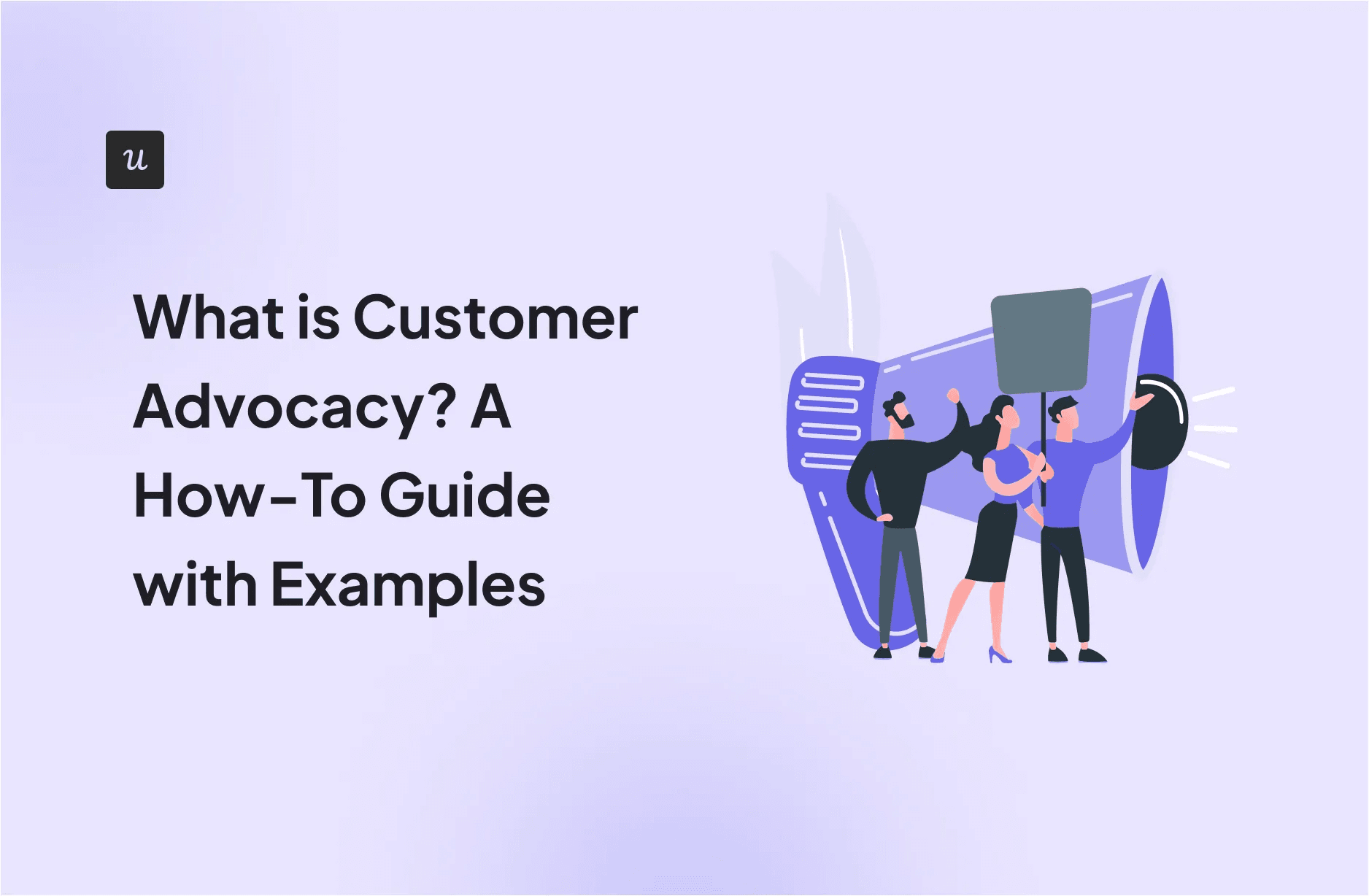
Let’s start with the non-boring version: customer advocacy is what happens when your customers stop sounding like “users” and start sounding like your best sales team, product advisors, and trust buildersall at once.
They write reviews. They refer friends. They speak at events. They join your community. They defend you in group chats. (That last one is the true sign of love.)
But customer advocacy isn’t magic, luck, or “going viral.” It’s usually the result of a repeatable system: great customer experience, thoughtful follow-up, clear value exchange, and easy ways for customers to participate.
In this guide, you’ll learn what customer advocacy is, why it matters, how to build a customer advocacy program step by step, what to measure, and real-world examples you can adaptwhether you run a SaaS company, a service business, or an ecommerce brand.
What Is Customer Advocacy?
Customer advocacy is the practice of building and nurturing relationships with satisfied customers so they voluntarily promote your brand, recommend your products, and share their experiences with others.
In practical terms, customer advocates are the customers who are willing to:
- Leave public reviews and ratings
- Provide testimonials and case studies
- Refer peers and colleagues
- Share product wins on social media
- Participate in webinars, panels, or events
- Offer feedback on product ideas and beta features
- Help other users in communities and forums
Customer advocacy is closely related to brand advocacy, but there’s an important distinction: brand advocates can be anyone (employees, partners, influencers), while customer advocates are actual customers who speak from real experience. That real-use credibility is exactly why advocacy is so powerful.
Why Customer Advocacy Matters
The short answer: trust. Buyers are overloaded with marketing claims, polished landing pages, and enough “#1 platform” headlines to fill a stadium. Customer advocacy cuts through that noise because people trust other peopleespecially peers who have already used the product.
A strong customer advocacy strategy can help you:
1) Build Trust Faster
Reviews, testimonials, and peer recommendations reduce buyer anxiety. Instead of asking prospects to “believe your brand,” advocacy lets them hear from someone who has already taken the risk and gotten results.
2) Improve Conversion Rates
Customer proof helps at every stage of the funnelfrom awareness (social proof) to consideration (case studies) to decision (references, reviews, ROI stories). In many categories, a great sales deck without customer proof is basically a fancy brochure.
3) Strengthen Retention and Expansion
Advocacy is not just a marketing play. Customers who feel heard, recognized, and invited into your ecosystem are often more engaged and more likely to stay. Advocacy programs also create moments to surface new use cases, product feedback, and expansion opportunities.
4) Create a Feedback Engine for Product and CX
Your advocates are often your most insightful users. They can help you identify friction, validate roadmap ideas, and spot messaging gaps before they become expensive problems.
5) Lower Acquisition Friction
Paid ads may get the click, but customer proof often gets the yes. Advocacy content can reduce dependency on pure paid acquisition by improving the performance of the channels you already use.
Customer Advocacy vs. Customer Success vs. Loyalty
These terms overlap, but they are not interchangeable:
- Customer success: Helps customers achieve desired outcomes.
- Customer loyalty: The tendency to keep buying or staying with your brand.
- Customer advocacy: Customers actively recommending and promoting your brand to others.
Think of it like this: customer success creates outcomes, loyalty creates staying power, and advocacy creates momentum.
What Makes Someone a Customer Advocate?
Not every happy customer becomes an advocate, and that’s okay. Your goal is not to force everyone into a referral machine. It’s to identify the customers who are already inclined to share and make it easy (and meaningful) for them to do so.
Common traits of strong customer advocates:
- They’ve seen clear value or measurable results
- They can describe their use case and outcomes
- They engage with your product, team, or community regularly
- They give constructive feedback (not just compliments)
- They enjoy helping peers or teaching others
- They identify with your brand values or mission
Pro tip: the loudest customer is not always the best advocate. Look for credibility, consistency, and relevance to your target audiencenot just social media volume.
How to Build a Customer Advocacy Program (Step by Step)
Here’s the practical framework. You do not need enterprise software, a giant budget, or a “Head of Evangelism” on day one. You do need structure.
Step 1: Start with a Clear Goal (Not “More Buzz”)
“We want more advocacy” sounds nice, but it’s not a strategy. Define the business outcome first. Your customer advocacy program should support one or two primary goals, such as:
- Increase qualified referrals
- Generate more reviews on priority platforms
- Build a library of testimonials and case studies
- Improve customer retention through community engagement
- Support product launches with beta feedback and user stories
- Grow event speakers and webinar participants
Keep it focused. If your first program tries to drive reviews, referrals, community growth, analyst references, social buzz, and world peace, it will collapse by week three.
Step 2: Identify Potential Advocates Using Data and Behavior
Don’t guess. Use customer data to spot likely advocates. Look for signals such as:
- High product adoption and frequent usage
- Strong CSAT or positive support interactions
- High NPS/promoter responses (when relevant)
- Repeat purchases or renewals
- Positive reviews already posted
- Participation in community discussions or events
- Fast onboarding success / time-to-value
NPS can be useful here, but treat it as a signalnot a personality test. A promoter score tells you who may be open to advocacy, not what type of advocacy they want to do.
Step 3: Create a Value Exchange (Please Don’t Lead with Cash)
One of the biggest mistakes in customer advocacy marketing is assuming customers only want gift cards. Sure, incentives can help. But the strongest programs are built on mutual value, not bribery.
Great customer advocacy programs often offer value like:
- Early access to features
- Direct access to product leaders
- Speaking opportunities and personal brand visibility
- Co-marketing and exposure for the customer’s company
- VIP community access
- Training, certification, or skill development
- Recognition, badges, or spotlight content
In other words: make participation beneficial to the advocate’s goals, not just your quarterly pipeline report.
Step 4: Offer Different Levels of Participation
Not every advocate wants to keynote your user conference. Build a menu of options from low effort to high effort:
- Low effort: review, quote, survey response, social share
- Medium effort: referral intro, webinar participation, product feedback session
- High effort: case study interview, event speaking, advisory board participation
This makes your advocacy program more inclusive and scalable. Some of your best long-term advocates start with a two-sentence review, not a 45-minute panel talk.
Step 5: Make It Easy to Say Yes
Friction kills advocacy. If your ask requires six approvals, a legal maze, and a scheduling ritual under a full moon, even happy customers will disappear.
Reduce friction by providing:
- Clear asks with estimated time commitment
- Simple templates (review prompts, testimonial questions, referral email copy)
- Flexible scheduling windows
- Transparent approval steps
- A single point of contact
Also: timing matters. Ask for advocacy after a win, milestone, or resolved issuenot during onboarding chaos or renewal drama.
Step 6: Close the Feedback Loop
Customer advocacy is not a one-way extraction system. If customers give feedback, ideas, or criticism, respond and act. Closing the loop is how you turn “satisfied customer” into “trusted partner.”
A simple operating rhythm:
- Collect feedback (surveys, interviews, community posts, support insights)
- Tag themes (onboarding, UX friction, pricing confusion, feature requests)
- Route to owners (product, support, success, marketing)
- Follow up with customers when changes are made
- Share back outcomes (“You asked, we improved”)
This step is where advocacy stops being a campaign and becomes a culture.
Step 7: Measure What Matters
If you can’t measure your customer advocacy strategy, it will eventually be labeled “nice to have” and quietly disappear during budget season.
Track a balanced scorecard:
Advocacy Activity Metrics
- Number of active advocates
- Participation rate by advocacy type
- Reviews generated (volume and recency)
- Testimonials/case studies produced
- Community contributions and accepted answers
Pipeline and Revenue Influence Metrics
- Referral leads created
- Referral-to-opportunity conversion rate
- Deals influenced by reviews, references, or case studies
- Sales cycle reduction when advocacy assets are used
Customer Experience Metrics
- NPS (relationship and/or experience, used appropriately)
- CSAT and CES trends
- Retention / renewal rate of participating customers
- Expansion rate among advocate cohort
Important note: don’t worship a single metric. NPS is helpful, but it is not the entire story. Customer advocacy performance is best understood as a system of outcomes, behaviors, and feedback loops.
Customer Advocacy Examples (Real-World Patterns You Can Use)
Here are examples and models that show how advocacy can work in practicewithout copying anyone’s brand voice or budget.
Example 1: Community-Led Advocacy (Salesforce Trailblazer Community)
Salesforce’s Trailblazer ecosystem is a strong example of community-powered advocacy. It blends learning, peer connection, career growth, and shared success stories. That combination matters: customers and users are more likely to advocate when the program helps them become better at their jobs.
The lesson for smaller teams: you don’t need millions of members. Start with a focused customer community where people can learn, get answers, and share wins. Advocacy grows when customers receive practical value first.
Example 2: Recognition-Led Advocacy (GitHub Stars / Expert Programs)
Programs that recognize expert users and help them grow their public voice can create durable advocacy. The idea is simple: spotlight people who are already helping others, then give them more ways to teach, build, and contribute.
You can apply this model even if you are not a developer platform:
- Create a “Customer Champions” program
- Feature member spotlights and success stories
- Invite top contributors to product previews
- Offer speaking and co-creation opportunities
Example 3: Expert Community Advocacy (Microsoft MVP-Style Pattern)
Microsoft’s MVP model highlights another powerful pattern: recognize knowledgeable community members who actively share expertise and help others. This type of advocacy combines community impact, technical credibility, and product feedback.
The takeaway: your best advocates are not always your biggest accounts. Sometimes they are your most helpful teachers.
Example 4: Review and Proof Engine (B2B SaaS and Service Businesses)
In B2B, peer reviews and independent review platforms often play an outsized role in trust building. A practical customer advocacy program can include a review strategy that asks for feedback at the right moments, routes unhappy customers to support, and encourages happy customers to share honest public reviews.
Keep it ethical:
- Ask for honest feedback, not “5-star only” feedback
- Do not script fake reviews
- Respond to reviews professionally, including critical ones
- Use review insights to improve onboarding and support
Common Mistakes in Customer Advocacy Programs
- Only asking for favors: If every email is a request, advocates will disengage.
- Overusing incentives: Rewards can help, but overpaying creates low-trust advocacy.
- No segmentation: A startup founder and an enterprise admin should not get the same ask.
- Ignoring detractors: Recovery and feedback handling are part of advocacy culture.
- No cross-functional ownership: Advocacy needs support from customer success, product, and marketing.
- Measuring vanity metrics only: Likes are nice; influenced pipeline and retention are better.
- Too much survey fatigue: Ask fewer, better questions and follow up with action.
A Simple 90-Day Customer Advocacy Plan
Days 1–30: Foundation
- Define 1–2 goals (reviews, referrals, or case studies)
- Build advocate criteria (usage + satisfaction + fit)
- Create outreach templates and participation menu
- Align with customer success/support on timing and handoffs
Days 31–60: Pilot
- Invite a small cohort (20–50 customers)
- Run 2–3 advocacy motions (review ask, testimonial ask, referral ask)
- Track response rates and friction points
- Collect qualitative feedback on the experience
Days 61–90: Improve and Scale
- Refine messaging, timing, and incentives/value exchange
- Build internal reporting (activity + business impact)
- Add recognition moments (spotlight, badge, VIP access)
- Expand to community, beta programs, or customer advisory groups
Conclusion
Customer advocacy is not a shortcut. It’s a compounding strategy.
When customers trust you, get real value from your product, and feel respected by your team, advocacy becomes a natural extension of the relationship. Your job is to create the conditions: great experiences, clear asks, meaningful recognition, and a feedback loop that proves you listen.
Start small. Build a repeatable process. Treat advocates like partners, not promotional assets. Do that well, and customer advocacy can become one of the most credible growth engines in your business.
Bonus: 500-Word Experience Section (Practical Field Notes)
In my experience working on customer advocacy strategies, the biggest surprise is how often companies already have advocatesthey just haven’t organized around them. I’ve seen teams say, “We need more customer advocacy,” while their support inbox is full of thank-you messages, their CSMs know exactly which accounts love the product, and their sales team keeps reusing the same two testimonials because nobody built a process to gather new ones.
One of the most effective changes is embarrassingly simple: create a shared “advocacy candidate” list and update it weekly. Customer success flags users who hit a milestone. Support flags customers who had a great recovery experience. Marketing flags people who post organically. Product flags users who give thoughtful beta feedback. Suddenly, advocacy stops depending on whoever remembers to ask.
Another lesson: timing beats wording. Teams often obsess over the perfect outreach email subject line and ignore the fact that they’re asking for a review during implementation chaos. Ask after a clear winlaunch completed, KPI improved, renewal signed, or a major issue resolved well. The same customer who ignores your request on Tuesday may happily participate two weeks later if they just had a meaningful success moment.
I’ve also learned that customers respond better when you offer choices. If the only option is “Do a case study,” many people will say no. If the options are “leave a short review,” “share a quote,” “join a beta feedback session,” or “speak at a webinar later,” participation rises because customers can match the ask to their comfort level and available time. This is especially true in B2B, where approvals and calendars can turn even happy customers into accidental ghosts.
The healthiest advocacy programs treat feedback and promotion as two sides of the same relationship. If you only contact customers when you need a quote, they feel used. If you invite them into roadmap conversations, close the loop on feedback, and recognize their contributions, they become more willing to advocate publicly because the relationship is real. Some of the strongest advocates I’ve seen started as critical customers whose feedback was handled exceptionally well.
Finally, the programs that last are the ones that measure business impact without stripping away the human element. Yes, track referrals, review volume, and influenced pipeline. But also track participation quality, response friction, and advocate sentiment. A spreadsheet can tell you how many reviews you got. It can’t fully capture why one customer keeps showing up for your brand. That part usually comes down to trust, respect, and whether your team consistently makes the customer feel like a partner instead of a marketing asset.