Reducing food portions sounds simple until your stomach starts acting like it has hired a tiny lawyer to argue for more pasta. The good news is that portion control does not have to mean eating sad, miniature meals or pretending one lettuce leaf is “basically dinner.” With the right strategy, you can reduce food portions without increasing hunger by choosing foods that create fullness, slowing down your meals, and building plates that look generous while still supporting your health goals.
The secret is not pure willpower. Willpower is useful, but it is also the first thing to leave the room when you are tired, stressed, or standing near a bag of chips. A smarter approach uses satiety: the satisfying feeling that tells your brain, “We are good here.” Foods rich in protein, fiber, water, and healthy fats can help you feel satisfied on fewer calories. Mindful eating, smaller dishes, and better meal timing also make portion control easier without turning every meal into a math exam.
Below are eight practical, realistic tips to reduce portions without feeling hungry, deprived, or personally betrayed by your dinner plate.
Why Portion Control Works Better When Hunger Is Managed
Portion size and serving size are not the same thing. A serving size is a measured amount listed on a Nutrition Facts label. A portion is the amount you actually eat. Sometimes they match. Sometimes a “single portion” of cereal becomes a mixing bowl with milk, hope, and 400 extra calories. Understanding that difference helps you make smarter choices without obsessing over every bite.
Large portions can encourage overeating because humans are visual creatures. If more food is served, many people naturally eat more, even when they do not need it. But cutting portions too aggressively can backfire. When meals are too small or lack protein and fiber, hunger increases, cravings get louder, and the next snack may arrive wearing a superhero cape.
The goal is to reduce calorie-dense portions while keeping volume, nutrition, and satisfaction high. That means more non-starchy vegetables, lean protein, beans, whole grains, broth-based soups, fruit, and water-rich foods. It also means being honest about foods that are healthy but calorie-dense, such as nuts, oils, cheese, granola, and avocado. They can absolutely fit, but their portions need boundaries. Delicious boundaries, but boundaries.
1. Fill Half Your Plate With Non-Starchy Vegetables
If portion control had a best friend, it would be non-starchy vegetables. Think leafy greens, broccoli, zucchini, cucumbers, mushrooms, peppers, cauliflower, asparagus, tomatoes, cabbage, green beans, and carrots. These foods are naturally high in water and fiber, which means they add volume to your plate without adding a huge calorie load.
A simple plate method works beautifully: fill half your plate with vegetables, one-quarter with protein, and one-quarter with a fiber-rich carbohydrate such as brown rice, oats, beans, lentils, quinoa, potatoes with the skin, or whole-grain pasta. This gives your eyes a full plate and your stomach plenty to work with.
Example: The Pasta Upgrade
Instead of eating three cups of pasta, try one cup of pasta tossed with sautéed zucchini, mushrooms, spinach, tomatoes, and grilled chicken or white beans. You still get the comfort of pasta, but the vegetables increase the volume and texture. Your fork stays busy, your plate looks abundant, and your hunger does not file a complaint.
For even easier wins, start meals with a salad or pile vegetables onto your plate first. When vegetables go on last, they often become the garnish. When they go on first, they become the strategy.
2. Eat Protein at Every Meal
Protein helps meals feel more satisfying and supports muscle maintenance, which matters for metabolism, strength, and long-term health. When reducing food portions, protein is especially important because it helps prevent that hollow, “I ate but I am still searching the kitchen” feeling.
Good protein options include eggs, Greek yogurt, cottage cheese, fish, chicken, turkey, tofu, tempeh, lentils, beans, edamame, lean beef, seafood, and unsweetened soy foods. You do not need a steak the size of a printer. A palm-sized portion of protein is a practical visual guide for many adults, though individual needs vary based on age, body size, activity level, and health goals.
Build a Protein Anchor
Before reducing the starch or fat portion of a meal, ask: “Where is the protein?” A breakfast of toast alone may leave you hungry by 10 a.m. Toast with eggs, avocado, and fruit is more satisfying. A lunch salad without protein can feel like a leafy handshake. Add salmon, chickpeas, chicken, tofu, or beans, and suddenly the salad has a job.
Protein also helps with snack control. A snack of crackers may disappear quickly. Crackers with tuna, hummus, cottage cheese, or a boiled egg provide more staying power. Portion control becomes much easier when your meal has a solid protein foundation.
3. Choose Fiber-Rich Carbs Instead of Refined Carbs
Carbohydrates are not the villain. The real issue is choosing carbs that vanish too quickly and leave hunger behind. Refined carbs, such as white bread, sugary cereal, pastries, and many snack foods, can be easy to overeat because they are low in fiber and often high in calories, sugar, or fat. Fiber-rich carbs digest more slowly and help meals feel more filling.
Better choices include oats, barley, beans, lentils, chickpeas, berries, apples, pears, whole-grain bread, brown rice, quinoa, sweet potatoes, and vegetables. Soluble fiber, found in foods like oats, beans, chia seeds, apples, and lentils, is especially useful for satiety because it absorbs water and forms a gel-like texture during digestion.
Simple Swaps That Reduce Hunger
Try oatmeal with berries instead of a sugary breakfast pastry. Use lentils or beans in soups instead of relying only on noodles. Choose whole-grain toast instead of white bread. Add chia seeds to yogurt. Replace half the rice in a bowl with cauliflower rice or sautéed vegetables, then keep the other half as real rice because joy is also a nutrient.
Increase fiber gradually and drink enough water. A sudden fiber jump can make your digestive system feel like it has joined a marching band. Slow increases are kinder and more sustainable.
4. Start With Soup, Salad, or Water-Rich Foods
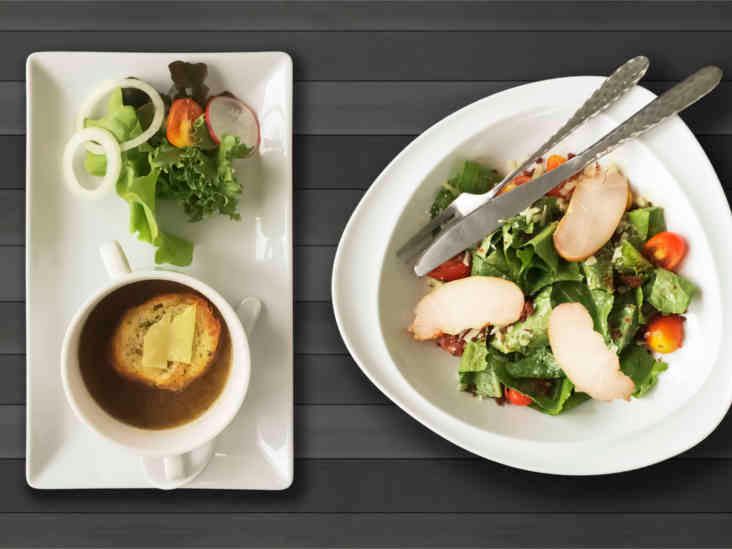
One of the most effective ways to reduce portions without increasing hunger is to begin meals with a low-calorie, high-volume starter. A broth-based vegetable soup, a simple salad, or raw vegetables with a light dip can help take the edge off hunger before the main course arrives.
This works because water-rich foods add bulk. Your stomach responds partly to volume, not just calories. A bowl of vegetable soup may contain fewer calories than a small handful of chips, but it occupies far more space and feels more like actual food. The chips, meanwhile, are gone in twelve seconds and somehow leave cheese dust on your soul.
Best Starters for Portion Control
Choose broth-based soups with vegetables, beans, lentils, or lean protein. Avoid cream-heavy soups if your goal is reducing calorie intake. For salads, focus on greens, cucumbers, tomatoes, carrots, peppers, and a modest amount of dressing. Dressing is where many salads secretly become nachos in a trench coat, so measure or drizzle lightly.
You can also start meals with fruit, such as an apple, orange, or berries. Whole fruit provides water, fiber, and chewing time, all of which support fullness better than fruit juice.
5. Use Smaller Plates, Bowls, and Serving Utensils
Your plate size can influence how much food feels “normal.” A modest portion on a giant plate looks lonely. The same portion on a smaller plate looks complete. This does not mean you can trick your body forever, but visual cues do matter, especially when you are changing long-standing eating habits.
Try using a 9- or 10-inch dinner plate instead of a large restaurant-style plate. Use smaller bowls for cereal, ice cream, rice, pasta, and snack foods. Serve sauces, oils, dressings, nuts, and cheese with a spoon instead of free-pouring. Free-pouring olive oil is a beautiful Mediterranean moment until your vegetables are swimming laps.
Pre-Plate Instead of Family-Style Serving
When possible, plate your meal in the kitchen instead of keeping large serving dishes on the table. This creates a pause before seconds. You can still have more food if you are physically hungry, but the extra step gives your fullness signals time to speak.
This tip is especially helpful for calorie-dense foods. Put a portion of chips, nuts, granola, crackers, or cookies in a bowl instead of eating from the package. Eating straight from the bag is not a moral failure; it is just poor design. Packages are not plates. They are snack tunnels.
6. Slow Down and Eat Mindfully
Mindful eating means paying attention to the meal in front of you, your hunger level, your fullness cues, and how the food actually tastes. It does not require candles, silence, or chewing each almond 97 times. It simply means being present enough to notice when satisfaction arrives.
Eating quickly makes it easier to overshoot fullness. Your stomach and brain need time to communicate. If you eat at lightning speed, fullness may arrive late, waving a tiny flag after you have already finished two extra servings.
How to Slow Down Without Making Dinner Weird
Put your fork down between bites. Take a sip of water. Chew thoroughly. Pause halfway through the meal and ask, “Am I still hungry, or am I just enjoying momentum?” Eat without scrolling whenever possible, especially during meals you tend to overeat. If you do watch TV, plate your food first and avoid bringing the whole package to the couch.
Another helpful strategy is the hunger scale. Before eating, rate hunger from 1 to 10, where 1 is painfully hungry and 10 is uncomfortably full. Aim to start meals around a 3 or 4 and stop around a 6 or 7. You are looking for satisfied, not stuffed like a suitcase on the return flight.
7. Do Not Drink Your Calories by Accident
Beverages can add calories without creating much fullness. Soda, sweet tea, flavored coffee drinks, cocktails, juice, energy drinks, and oversized smoothies may contain enough calories to count as a snack or even a meal, but they often do not satisfy like solid food.
Water, sparkling water, unsweetened tea, black coffee, or lightly flavored water can help reduce total calorie intake without shrinking the food on your plate too dramatically. This is one of the easiest portion control strategies because it targets calories that often do not contribute much satiety.
Be Smart With Smoothies
Smoothies can be nutritious, but they can also become drinkable desserts wearing a fitness outfit. A balanced smoothie should include protein, fiber, and reasonable portions of fruit. Try Greek yogurt or protein powder, berries, spinach, chia seeds, and unsweetened milk. Go easy on juice, honey, nut butter, and large amounts of frozen banana if your goal is calorie control.
Also consider drinking a glass of water before meals, especially if you often confuse thirst with hunger. Water is not a magic appetite eraser, but it can help you arrive at the table calmer and less likely to inhale dinner like a cartoon vacuum.
8. Plan Snacks and Seconds Before You Are Starving
Portion control gets difficult when hunger becomes urgent. If you skip breakfast, rush lunch, and arrive at dinner ready to negotiate with a pizza, smaller portions will feel impossible. Regular meals and planned snacks help prevent extreme hunger and make better decisions easier.
A satisfying snack usually includes protein, fiber, or both. Good options include apple slices with peanut butter, Greek yogurt with berries, hummus with vegetables, cottage cheese with fruit, roasted chickpeas, a boiled egg with whole-grain crackers, or a small handful of nuts with an orange.
Use the “Wait and Check” Rule for Seconds
If you want a second helping, wait 10 minutes and check your hunger again. If you are still physically hungry, take more vegetables or protein first. If you simply want more because the food tastes good, that is human. Enjoying food is allowed. The trick is making the second serving intentional instead of automatic.
You can also plan leftovers before serving. Put tomorrow’s lunch into a container before sitting down for dinner. This prevents the classic “I only had one portion, but somehow the pan is empty” situation. Future you gets lunch, present you gets boundaries, and everyone wins.
Common Portion Control Mistakes That Make Hunger Worse
Cutting Too Much Too Fast
Reducing portions dramatically may produce quick results at first, but it often increases hunger, cravings, irritability, and rebound eating. Start small. Reduce calorie-dense foods by 10% to 20%, then add more vegetables or lean protein to maintain fullness.
Removing Fat Completely
Healthy fats are calorie-dense, so portions matter, but removing them entirely can make meals less satisfying. A small amount of olive oil, avocado, nuts, seeds, or fatty fish can improve taste and satiety. The key word is small. A thumb-sized portion of nut butter is helpful; half the jar is a plot twist.
Eating “Healthy” Foods Without Portions
Granola, trail mix, nuts, smoothies, avocado toast, and protein bars can be nutritious, but they are not calorie-free. Portion them the same way you would portion less nutritious foods. Health halos are sneaky. A cookie knows it is a cookie; granola sometimes acts like it has a medical degree.
Sample Day: Smaller Portions Without More Hunger
Breakfast
Greek yogurt topped with berries, chia seeds, and a small handful of high-fiber cereal. This meal combines protein, fiber, and volume without relying on a giant bowl of cereal.
Lunch
A large salad with grilled chicken or chickpeas, cucumbers, tomatoes, peppers, carrots, a small portion of quinoa, and a measured dressing. Add fruit on the side if needed.
Snack
Apple slices with a tablespoon of peanut butter or hummus with carrots and whole-grain crackers. The goal is to prevent dinner from turning into a competitive eating event.
Dinner
Salmon, tofu, or lean turkey with roasted vegetables and a smaller serving of brown rice, potatoes, or whole-grain pasta. If you want seconds, start with vegetables and protein before taking more starch.
Real-Life Experiences: What Portion Control Feels Like in Practice
The first thing many people notice when trying to reduce food portions is that their eyes are louder than their stomach. A smaller serving of rice, pasta, or fries can look almost insulting at first, especially if you are used to restaurant portions. The plate may seem unfinished, as if dinner forgot to put on its shoes. That is why adding vegetables, soup, salad, and protein is so important. You are not simply removing food; you are redesigning the meal.
One practical experience that works well is the “same meal, smarter layout” method. For example, if taco night usually means three large flour tortillas packed with meat, cheese, sour cream, and a tiny symbolic shred of lettuce, try two smaller corn tortillas with extra grilled peppers, onions, salsa, beans, lettuce, and a measured amount of cheese. The meal still feels like taco night. Nobody has to sit in the corner eating plain cabbage. But the portion balance changes dramatically.
Another real-world lesson: hunger is not always immediate. Sometimes a smaller portion feels too small during the first five minutes, but after slowing down, drinking water, and letting the meal settle, it feels perfectly enough. This is especially true with protein- and fiber-rich meals. A bowl with chicken, beans, vegetables, avocado, and salsa may look lighter than a takeout burrito, but it often keeps you full longer because it has better structure.
Many people also discover that the hardest portions to control are not meals; they are “invisible extras.” A handful of nuts while cooking, a few bites from a child’s plate, an extra pour of dressing, a coffee drink, or eating directly from a snack bag can add up without ever feeling like a meal. The fix is not guilt. The fix is visibility. Put snacks on a plate. Measure dressing once so you learn what two tablespoons looks like. Serve dessert in a small bowl and sit down to enjoy it. Food eaten standing at the counter still counts, unfortunately. The body is rude like that.
Restaurants are another training ground. Portions are often much larger than what many people need in one sitting. A helpful habit is to decide before eating: “I will save part of this.” Ask for a box early, split a meal, order an appetizer with a salad, or choose a protein-based entrée with vegetables. You can still enjoy restaurant food without treating the plate as a dare.
The most encouraging experience is realizing that portion control gets easier with repetition. At first, you may need measuring cups, smaller plates, or deliberate pauses. After a few weeks, your eyes adjust. A balanced plate starts to look normal. You notice which meals keep you full and which ones send you hunting for snacks. The goal is not perfection. The goal is a repeatable rhythm where you eat enough, enjoy your food, and stop before discomfort. That is sustainable portion control: not punishment, not tiny meals, just smarter eating with fewer dramatic stomach speeches.
Conclusion: Eat Less Without Feeling Like You Lost a Food Fight
Reducing food portions without increasing hunger is not about shrinking every meal until it resembles a museum sample. It is about choosing foods and habits that make smaller portions satisfying. Fill half your plate with non-starchy vegetables, include protein at every meal, choose fiber-rich carbs, start with water-rich foods, use smaller plates, slow down, watch liquid calories, and plan snacks before hunger gets too intense.
When you combine these strategies, portion control becomes less about restriction and more about design. You build meals that look full, taste good, and support your goals. You can still enjoy pasta, tacos, sandwiches, dessert, and restaurant meals. The difference is that you are choosing portions on purpose instead of letting giant plates, packages, and hunger emergencies make the decision for you.
Note: This article is for general educational purposes and is not a substitute for personalized medical or nutrition advice. People with diabetes, eating disorders, digestive conditions, pregnancy-related nutrition needs, or medical weight concerns should work with a qualified healthcare professional or registered dietitian.