“`
Everyday items are supposed to make life easier. A chair helps you sit. A toaster browns bread. A laundry pod cleans socks that have experienced a dramatic life. But give humans a little impatience, a little confidence, and one badly timed “I saw this online,” and suddenly a perfectly innocent household object becomes the star witness in a safety meeting.
The funniest part? Most extreme misuses of everyday items do not begin with evil genius. They begin with convenience. Someone needs a ladder but sees a rolling office chair. Someone needs one more outlet and builds a power-strip skyscraper. Someone wants the bathroom “extra clean” and starts mixing cleaners like they are auditioning for a chemistry show with no adult supervision.
This article gathers 30 unbelievable, face-palm-worthy examples of everyday item misuse, inspired by common reports, public safety guidance, and the kinds of real-life stories people share online. The goal is not to laugh at anyone too hard. We all have a tiny chaotic inventor living inside us. The goal is to laugh, learn, and maybe look at that extension cord behind the couch with fresh suspicion.
Why Everyday Items Get Misused So Often
Most household products are designed for a specific job, tested under specific conditions, and labeled with instructions that humans treat like optional side quests. The problem is that a product can be safe when used correctly and risky when used creatively. A space heater is useful when plugged directly into a proper outlet. Plug it into a tired power strip hiding under a rug, and it becomes a tiny dragon with a warranty card.
Consumer safety organizations warn that injuries often involve ordinary objects: furniture, cleaners, appliances, cords, batteries, cooking equipment, food containers, and toys. In other words, the danger is not always in the garage next to the mysterious rusty tool. Sometimes it is in the kitchen drawer, wearing a cheerful label and pretending to be harmless.
30 Extreme Misuses Of Everyday Items
1. Using a Rolling Chair as a Ladder
The classic office circus act: standing on a chair with wheels to reach a high shelf. The chair rolls, the person performs a surprise interpretive dance, and gravity wins again. A stable step stool exists for a reason. Office chairs are for sitting, spinning dramatically, and pretending to understand spreadsheets.
2. Plugging a Space Heater Into a Power Strip
A space heater draws serious power. A power strip is not a magical energy buffet. This misuse can overheat cords and create fire risks. The safe move is simple: plug heaters directly into a wall outlet and keep them away from anything that can burn.
3. Turning an Extension Cord Into Permanent Wiring
Extension cords are meant for temporary use. Some people treat them like architectural features, running them under rugs, through doorways, or across rooms for months. That is not home improvement. That is electrical spaghetti with consequences.
4. Mixing Cleaning Products for “Extra Power”
Bleach plus another cleaner does not equal “super cleaner.” It can create dangerous fumes. The safest rule is boring but effective: use one cleaning product at a time, read the label, and ventilate the area. Clean should smell like clean, not like a science emergency.
5. Repackaging Chemicals Into Drink Bottles
Pouring cleaner, fuel, or detergent into an old soda bottle is a terrible idea. Labels matter. Original containers help prevent confusion, especially around children, guests, and anyone who opens the fridge at midnight with low judgment and high thirst.
6. Using Laundry Pods as Toys
Laundry pods look colorful and squishy, which is exactly why they should be stored safely away from children. They are concentrated cleaning products, not sensory toys, stress balls, or forbidden candy. The packaging may be cute; the contents are not.
7. Microwaving Random Plastic Containers
Not every plastic tub deserves a second career as a microwave-safe bowl. Some containers are made for cold storage only. Heating the wrong plastic can cause melting, warping, or chemical transfer. When in doubt, use glass or ceramic labeled safe for microwave use.
8. Using a Toaster as a Countertop Fireplace
People have tried to warm snacks, dry items, or reheat non-bread objects in toasters. The toaster’s job description is narrow: bread-like food goes in, toasted food comes out. Anything else can jam, smoke, melt, or turn breakfast into a fire drill.
9. Leaving Cooking Unattended “Just for a Minute”
The phrase “just for a minute” has started many kitchen disasters. Cooking is one of the leading causes of home fires, especially when pans are left unattended. If something is frying, boiling, broiling, or grilling, the cook should stay nearby. The food is needy. Accept this relationship.
10. Using Oven Mitts as Stove Decorations
Oven mitts, paper towels, food packaging, and dish towels should stay away from burners. Keeping flammable items near heat is like leaving gossip next to a microphone: sooner or later, something spreads.
11. Climbing Furniture Like a Jungle Gym
Dressers, bookshelves, and TV stands can tip if climbed or pulled. This is especially dangerous for kids. Heavy furniture should be anchored, and tempting items like remotes or toys should not be stored on top like bait in a cartoon trap.
12. Using Window Blind Cords as Playthings
Blind cords may look harmless, but loose or looped cords are a serious hazard around young children. Cordless window coverings are the safest choice in homes with kids. If cords are present, they should be secured and kept out of reach.
13. Treating Button Batteries Like Spare Change
Button batteries hide in remotes, key fobs, watches, toys, thermometers, and greeting cards. Leaving them loose in drawers or within reach of children is risky. They should be kept in secure packaging and devices should have battery compartments that stay closed.
14. Using High-Powered Magnets as Fake Piercings
Tiny magnets may seem like harmless desk toys, but swallowing more than one can be extremely dangerous. Kids and teens have used them as pretend piercings, which is a bad idea wearing a tiny metallic hat. Magnets belong outside the body. That sentence should not need to exist, yet here we are.
15. Storing Heavy Items on High Shelves
A heavy Dutch oven stored above eye level is not organization; it is a ceiling-based ambush. Heavy items should live low, especially in kitchens, garages, and closets. Future you will appreciate not being attacked by cookware.
16. Using a Knife as a Screwdriver
Many people have sacrificed kitchen knives to stubborn screws, paint cans, packaging, and tiny household repairs. A knife is designed to cut food, not cosplay as a toolbox. Using the correct tool saves the knife, the screw, and the dramatic bandage moment.
17. Drying Clothes on Lamps or Heaters
A warm surface may seem like a shortcut for drying socks, but fabric near heat can become a fire risk. Clothes need air circulation, not a close personal friendship with a lamp shade.
18. Putting Metal in the Microwave
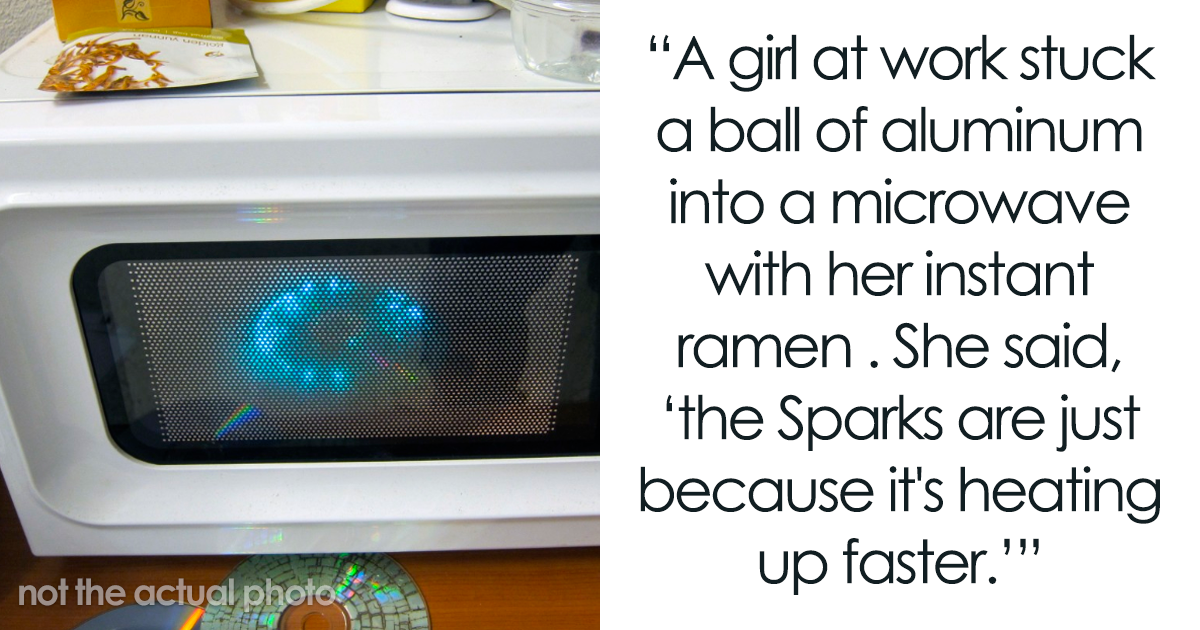
Most people know this one, and yet microwaves continue to meet forks, foil, twist ties, and travel mugs. Metal can spark or damage the appliance. The microwave is already doing invisible magic; it does not need bonus lightning.
19. Using a Vacuum for Wet Messes
Unless the vacuum is specifically designed for wet pickup, water and electricity should not be invited to the same party. Regular vacuums are for dry debris. Wet messes need towels, mops, or equipment built for liquid cleanup.
20. Turning a Hair Dryer Into a Space Heater
A hair dryer is not meant to warm a room, dry bedding, or defrost pipes. It is made for short bursts of hair styling, not climate control. If your bedroom heating plan involves holding a hair dryer like a tiny dragon cannon, the plan has drifted.
21. Using Indoor Appliances Outdoors
Indoor appliances are not automatically safe for patios, garages, porches, or rainy environments. Moisture, cords, and unstable surfaces can cause problems. Outdoor-rated equipment exists because weather is not known for respecting product manuals.
22. Using Food Containers for Non-Food Chemicals
Old jars and food tubs are handy, but storing paint thinner, pesticides, or cleaners in them creates confusion. Even adults can forget what is inside. Clear labeling and original containers prevent “mystery liquid” from becoming a household villain.
23. Defrosting Meat on the Counter All Day
Leaving meat at room temperature for hours is a food safety mistake that looks innocent until bacteria join the group project. Safer thawing methods include the refrigerator, cold water with proper handling, or the microwave followed by immediate cooking.
24. Using a Dishwasher as Storage
Some people store plastics, tools, papers, or random kitchen objects in the dishwasher and then forget before running it. Heat, water, and detergent are not gentle life coaches. Only dishwasher-safe items should enter the splashy chamber of judgment.
25. Using Candles as Night Lights
Candles create ambience, but leaving them unattended or sleeping while they burn is risky. Battery-powered flameless candles can provide the cozy glow without letting a small open flame supervise your dreams.
26. Overloading a Shopping Cart With a Child on the Side
Shopping carts are not climbing frames. When kids ride on the outside, the cart can tip. The safest choice is using the seat as intended, buckling the child if a strap is provided, and resisting the urge to turn grocery shopping into an amusement park ride.
27. Using a Pressure Cooker Without Respecting the Manual
Modern pressure cookers are much safer than old legends suggest, but only when used properly. Overfilling, blocking vents, or forcing parts open can create hazards. The manual may not be thrilling literature, but it is cheaper than replacing a ceiling.
28. Treating Power Tools Like “Common Sense” Devices
Power tools require eye protection, stable surfaces, correct accessories, and attention. Guessing is not a safety strategy. The phrase “I think this attachment fits” should be followed by reading, not revving.
29. Using Tape as a Permanent Repair for Everything
Tape is the hero of quick fixes, but it is not a long-term solution for cracked cords, leaking pipes, broken furniture, or damaged appliances. Tape can buy time; it should not become the landlord.
30. Ignoring Warning Labels Because “It’ll Be Fine”
The most extreme misuse is not one object. It is a mindset. Warning labels exist because someone, somewhere, made a product do something spectacularly unwise. When a label says not to do something, it is often the ghost of a previous customer gently screaming through typography.
What These Misuses Have in Common
Most everyday item disasters share three ingredients: improvisation, overconfidence, and time pressure. The person does not want to go get a ladder. The person does not want to unplug another device. The person does not want to buy the right container, tool, or replacement part. So they improvise.
Improvisation is not always bad. Humanity invented sandwiches, jazz, and the phrase “close enough.” But household safety is one area where clever shortcuts can turn expensive, painful, or dangerous very quickly. The safest homes are not homes where nobody makes mistakes. They are homes where people notice small risks before the risks become big stories.
How to Avoid Becoming the Next Viral Example
Read the Label Before the Experiment Begins
Labels are not decorative wallpaper for products. They tell you whether an item can be heated, mixed, plugged in, washed, stored near kids, used outdoors, or exposed to moisture. Reading instructions is not a personality flaw. It is a quiet form of being smarter than chaos.
Use the Right Tool for the Right Job
A step stool beats a chair. A screwdriver beats a butter knife. A microwave-safe dish beats a takeout tub. A wall outlet beats a daisy chain of power strips. In most cases, the correct tool is not fancy. It is simply designed for the job.
Keep Children and Pets in Mind
Many everyday objects become more dangerous when small hands or paws are involved. Batteries, magnets, cords, chemicals, laundry pods, furniture, and hot appliances deserve extra attention in homes with children or pets. Safe storage is not paranoia. It is prevention with a cabinet door.
Replace Damaged Items Instead of “Temporarily” Fixing Them Forever
Cracked cords, unstable furniture, loose handles, broken plugs, worn ladders, and damaged appliances should not be patched indefinitely. Temporary fixes are like leftovers in the fridge: useful for a short time, suspicious after too long.
Experiences Related to Extreme Misuses of Everyday Items
Almost everyone has a story about an everyday item being used in a way that made the room go silent. Mine begins with a kitchen stool, a cabinet, and the dangerous confidence of someone who believed balance was mostly about attitude. The person needed a serving bowl from the top shelf. Instead of finding a proper step stool, they stood on a lightweight chair, one foot on the seat and one foot on the edge, like a budget circus performer reaching for ceramic treasure. Nothing terrible happened, thankfully, but the chair wobbled so dramatically that everyone in the kitchen developed instant respect for gravity.
Another unforgettable example involved a power strip behind a TV stand. It had so many plugs connected that it looked less like a household device and more like a robot octopus taking a nap. There were phone chargers, a gaming console, decorative lights, a speaker, and something nobody could identify. The scary part was not the mess; it was the warmth. The strip was hot enough to make everyone immediately unplug half the room. That experience taught a simple lesson: when an electrical setup looks like a puzzle from a villain’s lair, it probably needs attention.
Cleaning-product misuse is also surprisingly common. People often believe that if one cleaner works, two cleaners must work like a superhero team. In reality, cleaning products are more like musicians with strong opinions: not all of them should be in the same band. A relative once tried to “boost” a bathroom cleaning routine by using multiple products one after another without rinsing properly. The smell became sharp almost immediately, and everyone left the room while windows were opened. The bathroom did get cleaned later, but only after the house had finished acting like it was offended.
Food storage creates its own comedy. Many households have a plastic container drawer that behaves like a wildlife habitat. Lids migrate. Containers multiply. Nobody knows which ones are microwave-safe. One person reheated soup in a container that clearly belonged in retirement. It warped into a shape best described as “modern art with regret.” The soup survived, but the container did not. Since then, glass containers have become the boring but reliable champions of leftovers.
Perhaps the most relatable misuse is tape. Tape is wonderful. Tape is useful. Tape is also dangerously persuasive. People use it to hold cords together, repair broken handles, secure loose shelves, and postpone decisions. The trouble is that tape can make a problem look fixed while the real issue quietly gets worse. A taped appliance cord, for example, is not a repair; it is a warning wearing a bandage.
The big lesson from these experiences is not that people are foolish. It is that convenience is powerful. We make risky choices when we are tired, rushed, distracted, or trying to save five minutes. The best safety habit is slowing down just enough to ask, “Is this item actually meant for this?” If the answer is no, congratulations: you have just avoided becoming someone else’s unbelievable story.
Conclusion
The most extreme misuses of everyday items are funny because they feel possible. We laugh because we recognize the logic: the chair is right there, the cord almost reaches, the container looks sturdy enough, the cleaner probably needs a little “help.” But ordinary objects are designed with limits, and those limits matter.
A safer home does not require fear. It requires curiosity, attention, and the humility to admit that the product manual may know something we do not. The next time an everyday item seems ready for a strange new purpose, pause for three seconds. Ask whether it is safe, whether there is a better tool, and whether the story would sound ridiculous if someone posted it online.
Because if the answer is yes, step away from the rolling chair.