Some people emerged from the pandemic with sourdough starters, Peloton calves, or a suspiciously encyclopedic knowledge of houseplants. Others discovered the quiet joy of a better kitchen tool. For anyone who spent lockdown making tacos on a Tuesday, cocktails on a Friday, and lemonade because the news was being rude again, the Verve Manual Juice Press, made in Mexico, became one of those objects that felt both practical and oddly emotional.
It is not a complicated machine. There is no Bluetooth app, no subscription, no tiny screen asking for a firmware update before breakfast. It is a manual citrus press: a sturdy, artisan-made tool designed to turn lemons, limes, oranges, and small citrus into fresh juice with one satisfying pull of a lever. And that simplicity is exactly the point.
The Verve Culture artisan citrus juicer has earned attention because it blends everyday usefulness with old-world charm. Made from recycled aluminum by Mexican artisans, each press has small variations that remind you it was made by hands, not stamped out by a kitchen-gadget robot with commitment issues. It looks decorative enough to leave on the counter, yet it is built for real use: margaritas, marinades, vinaigrettes, agua fresca, ceviche, salad dressings, lemon bars, and the emergency lime wedge situation every taco deserves.
Why a Manual Juice Press Became a Pandemic Hero
During the pandemic, home kitchens became restaurants, offices, therapy rooms, science labs, and occasional disaster zones. Americans cooked at home more, thought more about food, and upgraded little routines that suddenly mattered. A manual citrus juicer fit that moment perfectly because it solved a small but frequent annoyance: squeezing citrus by hand is messy, inconsistent, and weirdly personal. Nobody wants lemon seeds in their vinaigrette or lime juice running down their wrist like a tiny acidic betrayal.
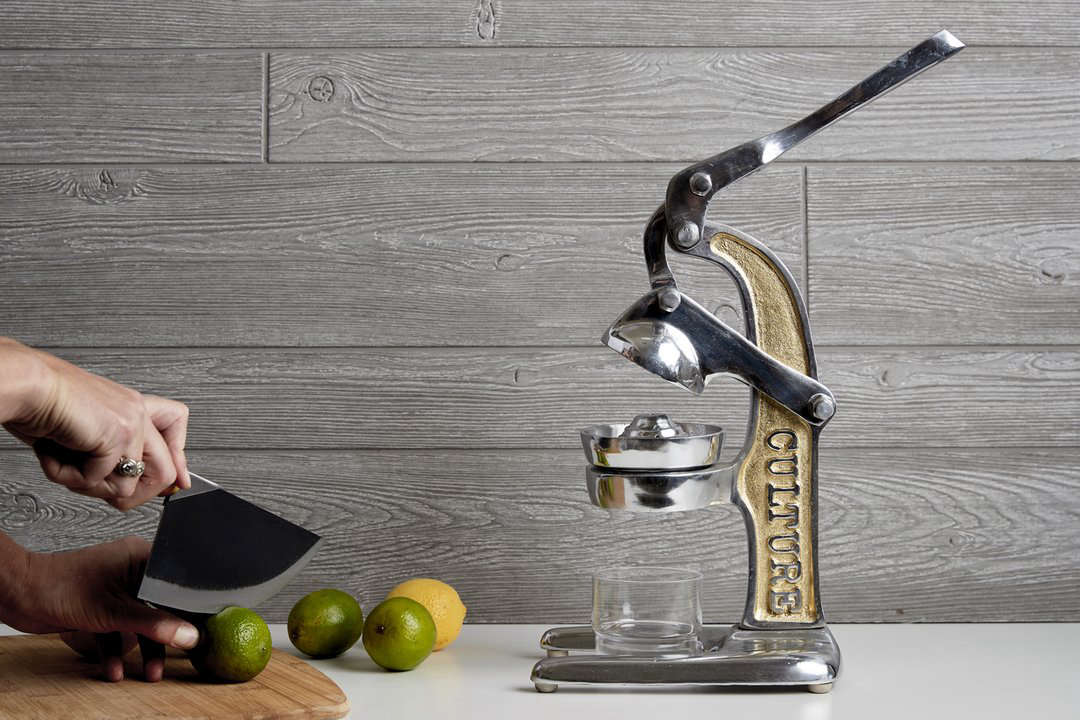
A good handmade citrus juicer changes that. Instead of wrestling half a lime over a bowl, you place the fruit on the cone, pull the handle, and watch juice collect below while seeds and pulp stay mostly contained. The process is fast, tactile, and slightly theatrical. It makes a weekday glass of orange juice feel like you have opened a boutique breakfast bar, even if you are wearing pajama pants and negotiating with a toaster.
What Makes the Verve Manual Juice Press Special?
The Verve press is not trying to disappear into a drawer. It is a countertop object with personality. The design is inspired by manual presses commonly seen in markets and kitchens across Mexico, where fresh citrus is not a garnish but a daily flavor engine. Lime brightens tacos. Orange deepens salsas. Lemon cuts through richness. Citrus is the little exclamation point at the end of a dish.
Made in Mexico With Artisan Character
The biggest appeal is the craftsmanship. The Verve Culture juicer is made by Mexican artisans using recycled aluminum. Its handmade nature means small imperfections are part of its character, not defects to be hidden. In a world full of identical plastic gadgets, that matters. The press looks like something with a story, the kind of kitchen tool a guest notices before asking, “Does this actually work?”
Yes, it works. But it also does something more valuable: it makes the user want to use it. That may sound fluffy, but kitchen habits are emotional. The best tool is often the one you keep within reach. If a citrus press is beautiful enough to live on the counter, it will probably squeeze more lemons than the perfectly efficient tool buried behind the waffle maker you used once in 2019.
Recycled Aluminum and a Built-to-Use Feel
The recycled aluminum construction gives the press a lighter feel than old cast-iron restaurant models while still offering enough structure for daily citrus work. It is not a tiny handheld squeezer; it is a lever-operated press designed for people who regularly cook with fresh juice. The small version is best suited for limes, lemons, tangerines, and smaller oranges, while larger models are better for grapefruit and bigger oranges.
That distinction matters. A common mistake with manual citrus presses is buying the wrong size and then blaming the tool when a grapefruit behaves like it has been asked to fit into a studio apartment. Choose the size based on what you actually juice. Cocktail lovers and taco makers may be happy with the smaller press. Brunch hosts and fresh-orange-juice people should think larger.
Manual Citrus Press vs. Electric Juicer: Which Is Better?
Electric citrus juicers can be excellent, especially for people making pitchers of juice. But for many home cooks, a manual press hits the sweet spot between efficiency, cleanup, and charm. It does not need an outlet. It does not roar like a tiny lawnmower. It does not require assembling a plastic puzzle before coffee.
A manual citrus press also gives more control. Need one tablespoon of lime juice for guacamole? Done. Need two lemons for roasted chicken? Easy. Need enough fresh orange juice for two people? Still manageable. The lever does the work, and the cleanup is usually quicker than with electric machines.
Where Manual Presses Shine
Manual citrus presses are especially useful for recipes that call for fresh citrus in small to medium amounts. Think fish tacos, salsa verde, lemon garlic dressing, hummus, key lime pie, whiskey sours, palomas, margaritas, citrus glazes, and grilled chicken marinades. Fresh juice tastes brighter than bottled juice because it has not been sitting around losing its spark. Bottled lemon juice is convenient, but in flavor terms, it often enters the room wearing sweatpants.
Where Electric Juicers Win
If you juice many pounds of oranges every morning, an electric juicer may be more practical. Manual presses require a pull, and repeated pulling becomes less charming around orange number twelve. For everyday cooking, cocktails, and weekend brunch, however, the Verve-style press offers a satisfying balance: useful enough for real kitchen tasks and handsome enough to avoid drawer exile.
How to Use the Verve Manual Juice Press
Using a manual citrus press is simple, but a few techniques improve results. First, choose fruit that feels heavy for its size. Heavy citrus usually means more juice. Second, roll the fruit on the counter with gentle pressure before cutting. This helps loosen the membranes inside. Third, cut the fruit across the middle rather than lengthwise, which usually makes squeezing easier.
Place the cut side down on the cone or pressing area, position a glass or bowl beneath the spout, and pull the handle slowly. Do not attack the lever like it owes you money. A steady pull extracts juice cleanly and helps keep the press stable. If the fruit is large or firm, rotate it and press again. The goal is not to punish the citrus. The goal is to persuade it.
Cleaning and Care
Because the Verve Culture press is handmade and finished with artisan detailing, treat it like a tool you want to keep. Hand wash it after use, remove pulp or seeds, and dry it thoroughly. Citrus juice is acidic, and moisture is not a friend to metal finishes over time. A quick rinse followed by a towel dry keeps the press looking good and ready for the next round of tacos, lemonade, or “just one margarita” that becomes a group project.
The Flavor Advantage: Why Fresh Citrus Matters
Fresh citrus juice is one of the easiest ways to make food taste more alive. Lemon brings sharpness to roasted vegetables. Lime adds snap to tacos and curries. Orange juice gives sweetness and acidity to sauces. Grapefruit can make a salad feel like it has a passport.
Fresh juice also gives you aroma. When citrus is squeezed, the oils from the peel and the volatile compounds in the juice create a fragrance bottled juice cannot fully imitate. That aroma changes the cooking experience. It is why squeezing a lime over hot carne asada feels different from measuring a spoonful of something from a plastic lemon-shaped bottle. One says dinner is ready. The other says a refrigerator door has opinions.
Nutrition Without the Hype
Citrus fruits are well known sources of vitamin C, and vitamin C supports immune function, collagen formation, and antioxidant activity. That does not mean fresh orange juice is a magic shield against every bad day or seasonal sniffle. It means citrus can be part of a balanced diet, especially when used to brighten whole foods such as beans, vegetables, fish, poultry, salads, and grains.
The best use of a citrus press is not to turn every breakfast into a sugar-heavy juice festival. It is to make fresh citrus easy enough that you use it more thoughtfully. A squeeze of lime can reduce the need for extra salt. Lemon can make vegetables taste less like homework. Orange can bring balance to spicy sauces. Small additions can make healthy food more appealing, which is half the battle and at least 72 percent of the dinner conversation.
Design as Motivation: Why Countertop Beauty Matters
Kitchen tools live or die by visibility. A plain gadget shoved into a drawer becomes a fossil. A beautiful tool on the counter becomes an invitation. The Verve Manual Juice Press succeeds because it looks like it belongs in a sunny kitchen, a mezcal bar, a breakfast nook, or a market stall. It adds color and texture to the room even when it is not being used.
That design value is not superficial. It encourages behavior. When the press is visible, you remember to buy limes. When you have limes, you make better tacos. When you make better tacos, morale improves. This is not a scientific model, but it is emotionally accurate.
A Better Gift Than Another Mug
The Verve press also makes a strong gift for home cooks, cocktail enthusiasts, design lovers, and anyone who treats citrus as a food group. It feels personal without being too niche. Unlike many kitchen gifts, it does not require the recipient to learn a new cooking style. Almost everyone already uses lemons, limes, or oranges. The press simply makes that everyday habit more enjoyable.
It is especially good for people who enjoy hosting. A manual citrus press turns cocktail prep into a little performance. Guests love watching a lime get flattened with dignity. The tool becomes part of the evening, not just equipment hiding behind the bar.
Best Uses for the Verve Manual Juice Press
The most obvious use is fresh juice, but the press earns its keep across many kitchen routines. Use it for lime juice in guacamole, pico de gallo, ceviche, grilled shrimp, chicken tacos, and coconut rice. Use lemon juice for salad dressing, roasted potatoes, lentil soup, tahini sauce, pasta, or pan sauces. Use orange juice for marinades, glazes, mocktails, morning juice, and desserts.
For drinks, it is a star. Margaritas taste cleaner with fresh lime juice. Palomas benefit from fresh grapefruit and lime. Lemonade becomes brighter. Whiskey sours, daiquiris, gimlets, and spritz-style mocktails all improve when the citrus is squeezed moments before mixing. Fresh juice does not just taste better; it smells better, and smell is where flavor puts on its best suit.
Potential Drawbacks to Consider
No tool is perfect, not even one that looks like it belongs in a boutique hotel in Oaxaca. The Verve Manual Juice Press takes counter space. It is not as compact as a handheld squeezer. Because it is handmade, buyers should expect slight variations in finish and alignment. Some users may prefer the precision of stainless steel commercial presses or the convenience of electric citrus juicers.
It also requires proper sizing. If you mainly juice large grapefruit, do not buy a small press and hope optimism will solve geometry. If you mainly juice limes, the smaller version may be exactly right. The smartest purchase is the one that matches your real habits, not your fantasy life as a person who hosts a twelve-person brunch every Sunday.
Why “Made in Mexico” Matters
The phrase made in Mexico is more than a product detail here. It connects the tool to a culinary culture where citrus plays a central role. Mexican cooking uses lime and other citrus to sharpen, balance, and finish dishes. A squeeze of lime on pozole, tacos, grilled corn, seafood, or fresh fruit is not decoration; it is structure. It changes the dish.
The Verve press honors that practical tradition while packaging it for modern kitchens. It is both decorative and useful, artisan and everyday. That combination explains why it became a favorite pandemic discovery: it turned a small act into a ritual at a time when small rituals carried unusual weight.
Is the Verve Manual Juice Press Worth It?
For the right user, yes. If you want the cheapest way to squeeze a lemon, a basic handheld squeezer will do. If you want a high-volume commercial tool, a heavy cast-iron press may be better. But if you want a Mexican artisan citrus juicer that looks beautiful, works well for daily citrus, supports a more joyful cooking routine, and brings fresh flavor within arm’s reach, the Verve Manual Juice Press is easy to love.
Its value is not only measured in ounces of juice. It is measured in how often you reach for fresh citrus instead of skipping it. It is measured in better salad dressings, brighter marinades, cleaner cocktails, and that small feeling of satisfaction when a simple tool does exactly what it should.
Experience Notes: Living With a Favorite Pandemic Discovery
The experience of using the Verve Manual Juice Press begins before the first lime is cut. It starts with the way the tool sits on the counter. During the pandemic, when many people were spending more time at home than they ever expected, the kitchen became the place where the day could be rescued. Morning coffee, lunch between video calls, dinner that tried very hard not to be another sad bowl of leftovers every meal needed a little morale. A bright citrus press on the counter made the room feel more intentional, as if dinner had a plan even when the rest of the world did not.
At first, the press might seem like a luxury. After all, a person can squeeze a lime by hand. A fork works. A reamer works. In desperate moments, even sheer determination works. But after a few uses, the appeal becomes clear. There is less mess, fewer seeds, and more consistency. A bowl of guacamole gets fresh lime in seconds. A pitcher of lemonade no longer requires heroic wrist strength. A marinade for chicken thighs comes together with lime, garlic, olive oil, cumin, chili powder, and a pinch of salt. Suddenly the meal tastes deliberate, not improvised from whatever was glaring at you in the refrigerator.
The press also changes the rhythm of cooking. It slows you down just enough to enjoy the process. You cut the fruit, place it on the cone, pull the lever, and watch juice run into the cup. It is a small ritual, and rituals mattered during lockdown. People were looking for tiny moments that felt controllable. Squeezing a lemon is not a grand life achievement, but in a strange season, it could feel like progress. Breakfast had juice. Dinner had brightness. The cocktail had dignity.
Another pleasant surprise is how often fresh citrus solves a recipe. Soup tastes flat? Lemon. Tacos need lift? Lime. Roasted vegetables feel heavy? Lemon again. A sparkling water wants to pretend it is at a spa? Orange or grapefruit. The Verve press makes these fixes easy, which means they actually happen. That is the difference between owning a tool and building a habit.
There is also the visual pleasure. Many kitchen tools are useful but ugly, like they were designed by someone angry about drawers. The Verve Manual Juice Press has presence. It looks cheerful and slightly nostalgic, like something found in a market rather than a big-box aisle. Guests notice it. Children want to pull the lever. Adults suddenly volunteer to make margaritas. It becomes a conversation piece, but not the annoying kind that requires a 20-minute explanation. It is obvious, friendly, and practical.
After months of cooking at home, the best pandemic discoveries were not always dramatic. They were objects and habits that made daily life a little better. The Verve Manual Juice Press belongs in that category. It did not solve the big problems, but it improved the small ones. It made fresh juice easier. It made the kitchen prettier. It made recipes brighter. And sometimes, when the day was long and the sink was full, pulling that lever and watching a lime surrender completely felt like exactly the kind of victory a person needed.
Conclusion
The Verve Manual Juice Press, made in Mexico, is more than a stylish countertop accessory. It is a reminder that simple tools can change how we cook, eat, and enjoy our kitchens. With artisan craftsmanship, recycled aluminum construction, and a design rooted in Mexican citrus culture, it brings beauty and function together in a way many modern gadgets forget.
For home cooks who rely on lemons, limes, oranges, and tangerines, this press makes fresh juice easier and more enjoyable. It is not the smallest, cheapest, or most industrial option, but it may be one of the most charming. And in a world full of overcomplicated appliances, there is something refreshing about a tool that simply asks for half a lime and gives back flavor.