When your heater is not working, the house suddenly becomes less “cozy winter retreat” and more “budget survival documentary.” Before you panic, put on three sweaters, and start pricing emergency HVAC repairs, take a breath. Many heating problems come from simple issues: a thermostat set incorrectly, a dirty air filter, a tripped breaker, closed vents, or a furnace switch that someone accidentally bumped while looking for holiday decorations.
The good news is that several heater troubleshooting steps are safe, quick, and beginner-friendly. The better news? Some of them cost nothing. The important catch is safety. If you smell gas, hear unusual booming sounds, see scorch marks, notice a yellow or flickering flame on a gas furnace, or your carbon monoxide alarm goes off, stop troubleshooting and call a qualified professional or emergency service. No warm living room is worth playing hero with gas, combustion, or high-voltage equipment.
This guide walks through eight simple fixes if your heater is not working, plus practical experience-based advice to help you decide what you can handle yourself and when it is time to call an HVAC technician.
Before You Start: A Quick Safety Check
Before touching the furnace, thermostat, breaker panel, or vents, do a fast safety scan. Make sure your smoke alarms and carbon monoxide alarms are working. Carbon monoxide is especially dangerous because you cannot see, smell, or taste it. Fuel-burning heating systems, fireplaces, boilers, and furnaces can create carbon monoxide problems if they are poorly maintained, blocked, damaged, or incorrectly vented.
If your carbon monoxide detector sounds, leave the house immediately and call emergency services. If you smell gas, do not flip switches, light matches, or try to relight anything. Leave the home and contact your gas utility or emergency service from a safe location. For ordinary no-heat problems, however, the following checks can often solve the mystery.
1. Check the Thermostat Settings First
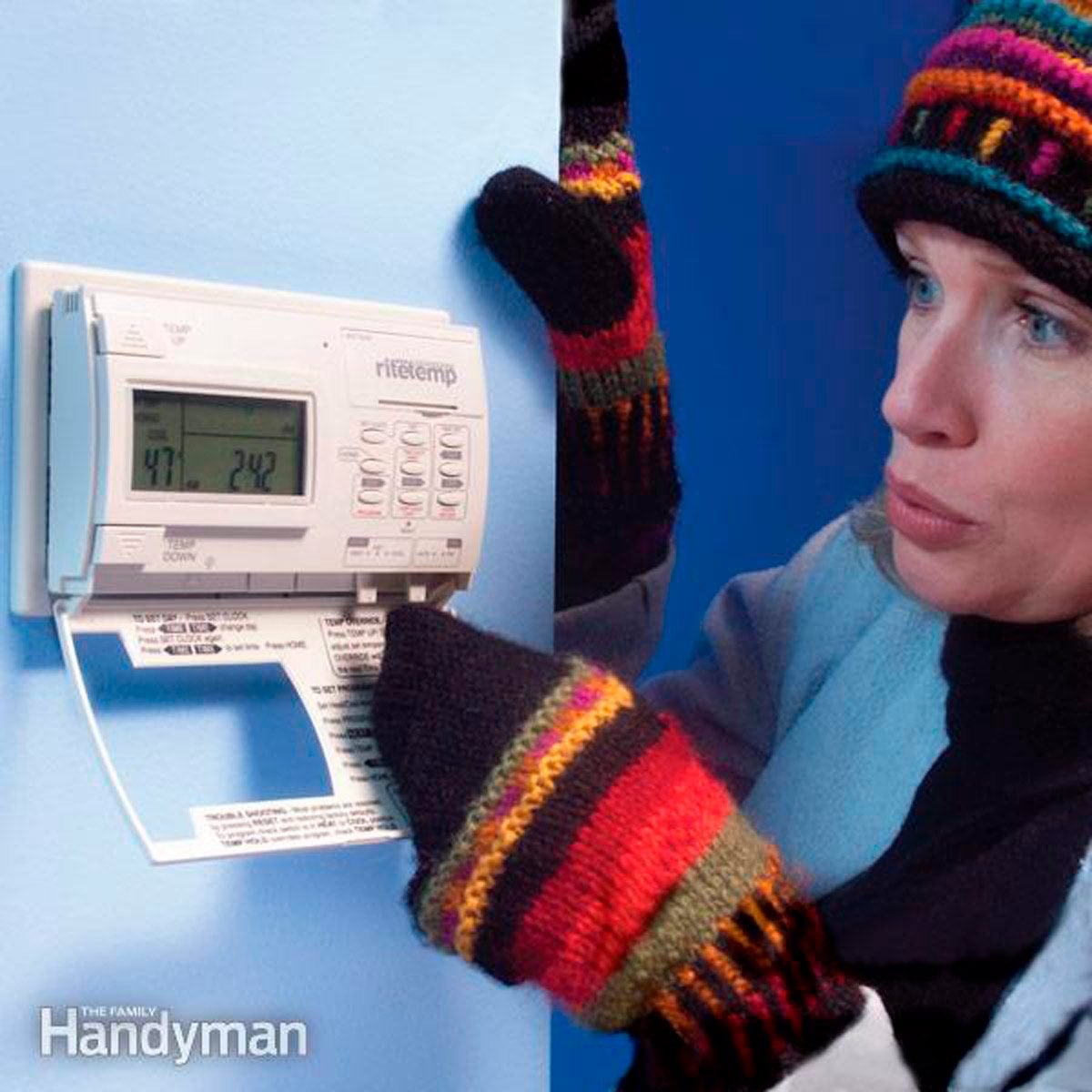
The thermostat is the tiny wall boss of your heating system. If it is confused, the furnace or heat pump may never receive the message to start. This is the easiest place to begin when your heater is not working.
What to check
Make sure the thermostat is set to “Heat,” not “Cool” or “Off.” Then raise the temperature setting at least five degrees above the current room temperature. If the room is 66 degrees, set the thermostat to 71 or 72 and wait several minutes. Some heating systems do not start instantly, so give it a little time before declaring the furnace dramatic and uncooperative.
Also check the fan setting. If the fan is set to “On,” it may blow air continuously even when the system is not actively heating. That can make it feel like the heater is blowing cold air. Switching the fan to “Auto” usually means the blower runs only during a heating cycle.
Smart thermostat tip
If you have a smart thermostat, check the schedule, Wi-Fi connection, eco mode, vacation mode, and app settings. Smart thermostats are helpful, but occasionally they behave like tiny robots with too many opinions. A schedule may be lowering the temperature when you expected heat, or a power interruption may have changed a setting.
2. Replace or Clean the Air Filter
A dirty air filter is one of the most common reasons a furnace is not heating properly. Your heating system needs steady airflow. When the filter is clogged with dust, pet hair, lint, and the mysterious gray fluff that appears out of nowhere, the furnace has to work harder. In some cases, restricted airflow can cause overheating and trigger a safety shutdown.
How to check the filter
Find the filter slot near the furnace or air handler. Slide the filter out and hold it up to a light. If light barely passes through, replace it. If it looks like a felt blanket made by your dog, replace it immediately and apologize to your HVAC system.
Many homes need a new filter every one to three months, but during heavy heating season, monthly checks are smart. Homes with pets, smokers, remodeling dust, or allergy concerns may need more frequent changes. Always use the correct filter size and pay attention to the airflow arrow printed on the frame.
Do not overdo filter strength
High-MERV filters can capture smaller particles, but some older systems struggle with very restrictive filters. If your furnace problems started right after installing a dense premium filter, airflow may be part of the issue. Check your equipment manual or ask an HVAC professional what filter rating is best for your system.
3. Check the Circuit Breaker and Furnace Power Switch
If the heater will not turn on at all, it may not be getting power. This sounds obvious, but many “broken furnace” calls begin with a tripped breaker or a switch that looks suspiciously like a normal light switch.
Check the breaker panel
Go to your electrical panel and look for a breaker labeled “Furnace,” “HVAC,” “Air Handler,” or “Heat Pump.” If it has tripped, move it fully to the “Off” position and then back to “On.” If it trips again, do not keep resetting it. Repeated tripping can point to an electrical fault, motor issue, short circuit, or overloaded component that needs professional repair.
Look for the furnace switch
Many furnaces have a power switch mounted on or near the unit. It often looks like a regular wall switch, which is why people accidentally turn it off. Make sure it is in the “On” position. After switching it on, wait a few minutes for the system to respond.
If your thermostat is blank, the issue may also be dead thermostat batteries, a tripped breaker, a blown low-voltage fuse, or a wiring problem. Replacing batteries is fine. Opening panels and testing live wires is not a casual Saturday hobby.
4. Open and Clear Air Vents, Registers, and Returns
If your heater is running but the house is still cold, airflow may be blocked. Closed supply vents, covered return grilles, furniture pressed against registers, rugs over floor vents, or dust buildup can all reduce comfort.
Simple airflow fixes
Walk through the house and make sure supply vents are open. Move sofas, beds, curtains, laundry baskets, and toy bins away from vents and return grilles. Your heater cannot warm a room if the air is blocked behind a bookshelf like it is serving a secret sentence.
Vacuum visible dust from registers and returns. If you have radiators or baseboard heaters, make sure they are not blocked by furniture or heavy drapes. For hot-water radiators, trapped air can reduce heating performance. Bleeding radiators may help, but only do it if you know the correct process for your system. Otherwise, call a professional.
A note about closing vents
Some homeowners close vents in unused rooms to “save energy.” In many forced-air systems, closing too many vents can increase pressure, reduce airflow, and make the system work harder. A few adjustments may be harmless, but widespread vent-closing can create comfort and equipment problems.
5. Inspect the Furnace Door or Access Panel
Modern furnaces often have a safety switch that prevents operation when the access panel is loose or removed. This protects you from moving parts and electrical components. It also creates a surprisingly common no-heat situation after someone checks the filter and does not reinstall the door correctly.
How to fix it
Turn the system off at the thermostat. Check the furnace panel and make sure it is seated securely. Many panels need to slide into place before the switch is fully pressed. Once the panel is secure, turn the thermostat back to heat and wait for the furnace to start.
This is one of those fixes that feels too simple to be real, but it happens often. Your furnace is not being stubborn; it is just refusing to run with its coat half-buttoned.
6. Check the Pilot Light or Ignition System
If you have an older gas furnace, it may use a standing pilot light. If the pilot light goes out, the furnace cannot ignite. Newer furnaces usually use electronic ignition systems instead, and those should generally be serviced by a professional if they fail.
For older pilot-light furnaces
Look for manufacturer instructions printed on the furnace panel or in the manual. Follow them exactly. Usually, the process involves turning the gas control to “Off,” waiting several minutes, switching to “Pilot,” and carefully relighting according to the instructions. If the pilot will not stay lit, the problem may involve the thermocouple, gas valve, draft, or another component.
When to stop
Never improvise with gas. If you smell gas, cannot find the instructions, or feel unsure, stop and call a technician. For electronic ignition problems, avoid opening burner compartments or cleaning sensors unless you are trained and the manufacturer allows it. Ignition systems are safety-critical, not a good place for “I saw a video once” confidence.
7. Reset the System Carefully
Sometimes a heater not working is caused by a temporary control glitch, especially after a power outage, thermostat change, or short cycling event. A basic reset may help, but it should be done gently and safely.
How to do a simple reset
Set the thermostat to “Off.” Turn off the furnace power switch or the HVAC breaker. Wait several minutes. Turn the power back on, then set the thermostat to “Heat” and raise the temperature above room temperature. Listen for the startup sequence: inducer motor, ignition, burners, and blower. The exact order depends on your equipment.
If the furnace starts and runs normally, the issue may have been temporary. If it shuts down again, blows cold air, flashes an error code, or trips the breaker, do not keep resetting it. Repeated resets can mask a real safety problem and may worsen damage.
Look for error codes
Many furnaces have a small LED light visible through a window on the access panel. Blinking patterns can point to issues such as ignition failure, pressure switch problems, overheating, or flame sensor faults. The code chart is often printed on the furnace door. You do not need to repair the problem yourself, but noting the code can help the technician diagnose it faster.
8. Check the Heat Pump Outdoor Unit
If your home uses a heat pump, the troubleshooting process is a little different from a gas furnace. Heat pumps move heat rather than creating it by burning fuel. During cold weather, the outdoor unit still matters. If it is blocked by leaves, snow, ice, debris, or overgrown shrubs, performance can drop.
What to inspect outside
Make sure the outdoor unit has room to breathe. Clear leaves, branches, snow, and debris from around it. Do not chip ice off the coils with sharp tools. If the unit is covered in heavy ice and does not defrost normally, call a professional. A heat pump may enter defrost mode occasionally, which can briefly make the indoor air feel cooler. That is normal. Constant cold air is not.
Thermostat habits for heat pumps
Large thermostat setbacks can cause some heat pumps to rely more on auxiliary heat, which may increase energy use. Instead of making big temperature swings, many heat pump homes perform better with modest, steady settings. If your heat pump says “aux heat” constantly, that may signal outdoor temperature limits, airflow trouble, thermostat setup issues, or equipment problems.
When Your Heater Is Running but Blowing Cold Air
A heater blowing cold air can be confusing because something is clearly happening, just not the warm thing you requested. Start with the thermostat fan setting. If it is set to “On,” switch it to “Auto.” Next, check the filter, vents, and access panel. For gas furnaces, ignition problems can cause the blower to run without heat. For heat pumps, defrost cycles and auxiliary heat settings may be involved.
If cold air continues after the basic checks, call a professional. The cause could be a dirty flame sensor, failed igniter, gas supply issue, limit switch problem, control board fault, refrigerant issue, or ductwork leak. Some of these are simple for a technician and risky for a homeowner.
When to Call an HVAC Professional
DIY heater troubleshooting is useful, but it has limits. Call a licensed HVAC technician if the breaker keeps tripping, the furnace repeatedly shuts down, the pilot will not stay lit, the system makes banging or grinding noises, you see water around the furnace, the heat exchanger may be cracked, the blower does not run, or your home still will not warm up after basic checks.
You should also schedule professional maintenance once a year, ideally before heating season. A tune-up can include checking burners, ignition, electrical connections, safety controls, airflow, venting, gas pressure, and overall system performance. Regular maintenance helps prevent breakdowns, improves comfort, and can extend equipment life.
Simple Preventive Habits That Keep Heat Working
The best heater repair is the one you never need. Replace or clean filters regularly. Keep vents and returns open. Keep the furnace area clear of storage boxes, paint cans, cleaning chemicals, and clutter. Test carbon monoxide alarms. Watch for changes in noise, smell, airflow, and cycling patterns. A heater usually gives hints before it fully quits; it just does not send a polite calendar invite.
For older systems, keep records of repairs and maintenance. If your furnace is more than 15 to 20 years old, needs frequent repairs, heats unevenly, or causes rising energy bills, replacement may eventually be more practical than another repair. A professional can help compare repair costs, efficiency, safety, and expected lifespan.
Real-Life Experience: What Usually Works First
In real homes, the “heater not working” story often begins on the first truly cold night of the season. The system has been sitting quietly for months, everyone assumes it will leap into action, and then nothing happens. The thermostat clicks, the family waits, the dog looks disappointed, and someone says, “Did we pay the gas bill?” Usually, the solution is less dramatic.
The first thing that often works is correcting the thermostat. Many no-heat calls come from a thermostat still set to cooling mode, a schedule that drops the temperature too low, or a fan set to “On” instead of “Auto.” One common example is a homeowner who says the furnace is blowing cold air all day. The furnace is not actually heating; the blower is simply circulating room-temperature air because the fan is running continuously. One setting change later, the “repair” is complete and nobody has to sell a kidney to pay for emergency service.
The second common fix is the air filter. A clogged filter can make a furnace behave like it is out of shape. It starts, struggles, overheats, shuts down, cools off, and repeats the cycle. Homeowners sometimes replace the filter and think, “Surely this cannot be the whole problem.” Then the furnace runs normally, and the dirty filter receives the silent blame it deserves. If you have pets, especially fluffy ones who shed like it is their side business, filter checks matter even more.
Another frequent discovery is the mystery switch. Many furnaces have a wall switch nearby that looks exactly like a light switch. Someone may flip it off while cleaning, moving boxes, or searching for a basement light. Later, the thermostat calls for heat and the furnace does absolutely nothing. Finding that switch and turning it back on feels almost too easy, but it is a classic.
Blocked vents are also common in everyday life. A sofa gets moved, a rug slides over a floor register, curtains cover a baseboard heater, or a return vent disappears behind a stack of storage bins. The heater may be working, but the warm air cannot travel properly. In bedrooms, especially, moving furniture a few inches can noticeably improve comfort.
The best practical habit is to troubleshoot from simple to serious. Start at the thermostat. Check the filter. Confirm power. Look at vents. Make sure panels are secure. Then stop before the repair becomes unsafe. Homeowners can save time and money by checking the basics, but gas lines, ignition components, electrical faults, cracked heat exchangers, and repeated shutdowns belong to professionals. A warm house is wonderful; a safe warm house is the actual goal.
Note: This article is for general home troubleshooting and educational use. For gas odors, carbon monoxide alarms, electrical hazards, repeated breaker trips, or uncertain furnace operation, stop troubleshooting and contact a qualified HVAC professional or emergency service.
Conclusion
If your heater is not working, do not assume the worst right away. Many heating problems come from simple causes: incorrect thermostat settings, dirty filters, tripped breakers, blocked vents, loose furnace panels, pilot light issues, temporary system glitches, or outdoor heat pump obstructions. These eight simple fixes can help restore comfort quickly and safely.
Still, your heater is a major appliance with electrical, mechanical, and sometimes gas-burning parts. When the issue goes beyond basic troubleshooting, call a licensed HVAC technician. The smartest homeowner is not the one who fixes everything alone; it is the one who knows when a simple filter change ends and professional safety begins.