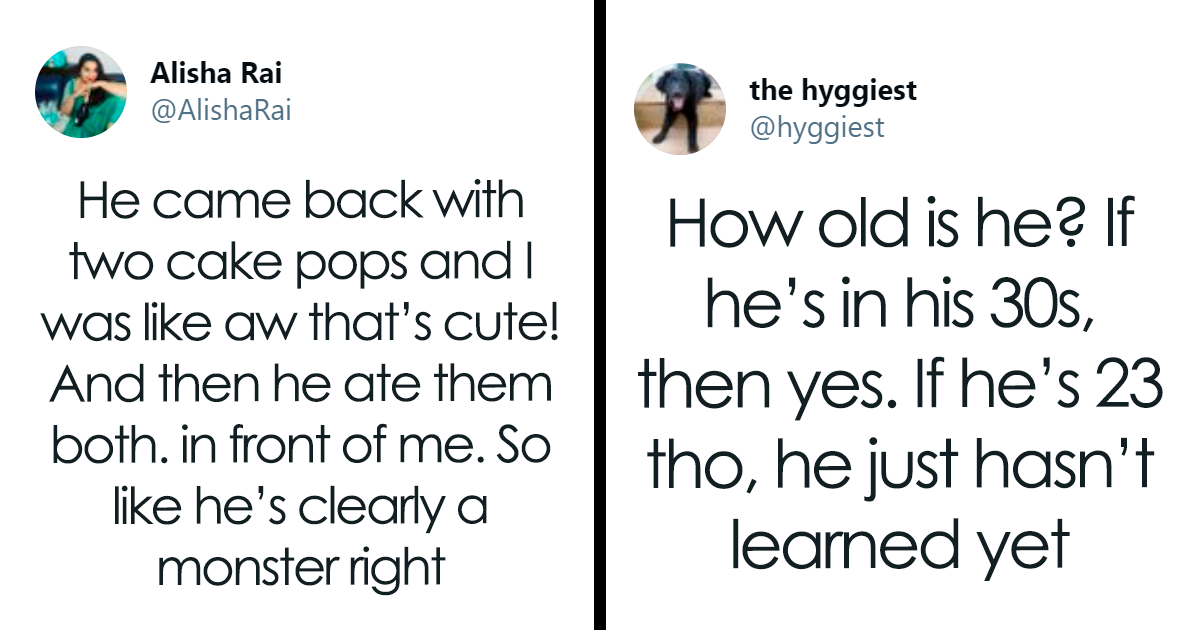
Some first dates end with a spark. Some end with a polite hug, a “let’s do this again,” and then a suspiciously quiet phone. And some become internet folklore because a man bought two Valentine’s Day cake pops on a coffee date and ate both of them in front of the woman sitting across from him. No offer. No half. No “Do you want one?” Just one man, two tiny desserts, and a global courtroom of social media jurors banging the gavel on modern dating manners.
The story, originally shared by romance author Alisha Rai, went viral because it was small enough to be funny but specific enough to feel painfully real. The date was not ruined by a dramatic betrayal, an ex appearing from behind a ficus, or someone saying, “I don’t believe in chairs.” It was ruined by a tiny act of thoughtlessness. And that is exactly why people could not stop talking about it.
At its core, this first date fail story is not really about cake pops. It is about effort, awareness, generosity, communication, and the quiet social signals people notice when deciding whether someone deserves a second cappuccino. Modern dating may involve apps, algorithms, ghosting, “icks,” and enough text-message analysis to qualify as amateur forensics, but the basics remain surprisingly old-fashioned: be kind, be present, be considerate, and maybe do not consume all available dessert while your date watches like a witness in a pastry crime documentary.
Why One Tiny Cake Pop Moment Became a Big Dating Debate
The viral first date story struck a nerve because it captured a common dating frustration: people are often not looking for grand gestures on a first meeting. They are looking for basic consideration. The man did not need to arrive in a horse-drawn carriage or hire a string quartet to perform beside the espresso machine. He simply needed to acknowledge that there were two people on the date and two cake pops on the table.
That is why the internet reaction was so intense. Some people saw the moment as harmless and funny. Others viewed it as a clear red flag. Many argued that the problem was not the dessert itself but the lack of social awareness. If someone buys two of anything while on a date, especially themed sweets with little hearts involved, the polite assumption is that one might be for the other person. Otherwise, congratulations, you have created confusion with frosting.
Dating etiquette often lives in these tiny moments. Does someone ask what you want before ordering? Do they check whether the location works for you? Are they on time? Do they treat the barista, server, rideshare driver, and stranger holding the door like actual human beings? These details may look minor, but they reveal how a person moves through the world when they are not reading from a romantic script.
Modern Dating Manners Are About Signals, Not Perfection
First dates are awkward by design. Two people with carefully chosen outfits and lightly edited personal histories meet in public to determine whether chemistry exists. There will be pauses. Someone may laugh too loudly. Someone may say “you too” when the server says “enjoy your meal.” Humanity will survive.
Good dating manners are not about being flawless. They are about sending the right signals. A thoughtful first date says, “I respect your time.” A careless one says, “I have not considered that you are also experiencing this evening.” That difference matters.
In today’s dating culture, many singles meet through apps before they ever share physical space. That means the first in-person date carries extra pressure. It is the moment when profile charm meets real-world behavior. A person can have witty prompts, excellent photos, and a bio claiming they love “deep conversations and tacos,” but if they spend the date scrolling, bragging, interrogating, or eating both cake pops, the brand collapses.
The First Date Basics People Still Care About
Despite all the modern debate about who should text first, who should pay, and whether liking someone’s Instagram Story counts as communication, the most appreciated dating manners remain simple. They are not revolutionary. They are not hidden in a $300 dating course. They are the social equivalent of remembering to put the lid back on the blender.
1. Be Clear When Making Plans
A good first date starts before anyone leaves the house. Suggest a time, place, and general plan. “Want to grab coffee Saturday at 2 near Union Square?” is much better than “We should hang sometime,” which is not a plan; it is a fog machine with punctuation.
Clear planning shows intention. It also reduces anxiety. People want to know how to dress, how long to expect, whether food is involved, and whether they are walking into a quick coffee or a five-course tasting menu with someone they have only known through three dog photos and a debate about pineapple on pizza.
2. Show Up On Time
Punctuality is not about being rigid. Traffic happens. Trains have moods. Life occasionally throws a banana peel. But being late without communication sends a message that the other person’s time is optional. A quick “I’m running ten minutes behind, sorry!” can save the mood before it starts limping.
Showing up on time also gives the date a calmer beginning. No one wants to start romantic possibility by standing alone outside a coffee shop pretending to be fascinated by a menu they have already read seven times.
3. Put the Phone Away
Nothing says “I am emotionally available” quite like staring into a glowing rectangle while someone tells you about their childhood dog. Phones are useful for emergencies, directions, and showing one tasteful photo of your pet. They should not become a third guest at the table.
Good phone etiquette is simple: keep it away, keep notifications quiet, and do not scroll unless there is a practical reason. Being present is one of the easiest ways to make another person feel valued.
4. Share the Conversation
A first date should not feel like a job interview, therapy intake form, or one-person podcast. Ask questions, answer thoughtfully, and leave room for the other person to speak. If you realize you have been explaining your crypto opinions for eleven uninterrupted minutes, gently land the plane.
Likewise, avoid digging too deeply too quickly. Heavy subjects can come up naturally, but first dates usually work best when the conversation has breathing room. You are trying to create connection, not complete a background check with appetizers.
5. Be Kind to Service Workers
One of the clearest first date red flags is rudeness to waitstaff, baristas, bartenders, valet workers, hosts, or anyone else involved in the outing. People notice. A date who is charming to you but dismissive to everyone else is showing you the trailer for a movie you may not want to watch.
Kindness in public is attractive because it suggests emotional maturity. Saying “please,” “thank you,” and “no rush” costs nothing. It also makes you look like you were raised somewhere with napkins.
The Bill Question: Who Pays on a First Date?
The first date bill remains one of the great American social puzzles, right up there with tipping screens and why every group dinner includes someone who “only had fries” but somehow owes $47. The cleanest rule is also the least dramatic: the person who invites can offer to pay, unless both people agree in advance to split.
That said, expectations vary by age, culture, region, income, and personal values. Some people prefer to split because it feels equal. Others appreciate the inviter paying because it signals hospitality. Some people rotate. Some use coffee dates to keep the stakes low. The real etiquette win is not guessing perfectly; it is handling the moment with grace.
If you want to split, say so warmly. If you invited and want to pay, offer without turning it into a power move. If the other person insists on contributing, do not wrestle the check like it contains state secrets. Money manners are less about the amount and more about avoiding awkward pressure.
Why Small Acts Matter So Much in Early Dating
On a first date, people do not have much data. They are observing tone, timing, attention, humor, confidence, humility, and how someone handles tiny decisions. That is why small acts carry surprising weight.
Offering the second cake pop would not have guaranteed romance. It would not have transformed the coffee shop into a Hallmark movie. But it would have communicated awareness. Not offering it communicated something else: either he did not think about her comfort, or he did and decided the cake pops were a private kingdom.
Small gestures matter because they are easier to trust than big speeches. Anyone can say, “I’m very thoughtful.” Not everyone remembers to ask, “Do you want one?” Anyone can claim to value respect. Not everyone treats a server kindly when the order is wrong. Anyone can say they are ready for a relationship. Not everyone can make a plan and arrive on time.
The Internet’s Role in Turning Dates Into Public Debates
The cake pop story also revealed something bigger about dating in the digital age: private awkwardness can become public entertainment in minutes. A funny post about one bad date can turn into a viral debate about gender, money, manners, entitlement, safety, romance, and whether dessert has moral significance. Spoiler: sometimes it does.
Social media can be useful because it lets people compare experiences and laugh at the weirdness of dating. It can also become cruel. Viral stories often attract strangers who forget there are real people behind the screen. A harmless joke can invite insults, threats, and personal attacks. That response is far worse than any cake pop offense.
There is a dating lesson here too: disagreement is not permission to be vicious. Whether online or across a table, manners are revealed by how people behave when they do not get exactly what they want.
Dating App Fatigue Makes Manners Even More Important
Many singles today describe dating as exhausting. Apps can create the feeling that there is always another option, another match, another message, another person one swipe away. That abundance can make people careless. When everyone becomes a profile, it is easier to forget that every date is a person who got dressed, traveled, hoped a little, and risked disappointment.
This is why basic dating etiquette has become more valuable, not less. In a culture full of ghosting, half-plans, vague texting, and “we should hang” energy, simple reliability stands out. Confirming the plan, being punctual, listening well, and following up honestly can feel almost luxurious. The bar is not underground, but some days it is definitely sitting on the floor wearing noise-canceling headphones.
Red Flags and Green Flags on a First Date
Not every awkward moment is a red flag. Nervousness is normal. Bad jokes happen. A person can be wonderful and still spill iced tea with the confidence of a collapsing fountain. The trick is to distinguish human awkwardness from patterns of disrespect.
Common Red Flags
- They are rude to service workers or strangers.
- They arrive very late without apology or explanation.
- They dominate the conversation and show little curiosity.
- They pressure you about physical intimacy, privacy, or future plans.
- They complain constantly about exes, dating apps, or “all women” or “all men.”
- They make jokes that feel mean rather than playful.
- They ignore boundaries, even small ones.
Underrated Green Flags
- They communicate clearly before the date.
- They ask thoughtful but not invasive questions.
- They listen without immediately redirecting everything back to themselves.
- They treat everyone around them with respect.
- They handle small inconveniences calmly.
- They are honest about whether they want to meet again.
- They offer you the cake pop. Obviously.
How to Recover From a First Date Mistake
Everyone makes mistakes. Maybe you talked too much because you were nervous. Maybe you chose a restaurant that turned out to be louder than a leaf blower convention. Maybe you forgot to ask whether your date wanted a snack before inhaling both desserts like a raccoon with a reservation.
The recovery matters. A sincere apology can be charming when it is specific and not dramatic. Try, “I realized I talked your ear off about work. I was nervous, but I’m sorry. I’d love to hear more about your trip next time.” That is mature. Do not say, “Sorry I’m such a terrible person, I guess I’ll go live in a cave.” That forces the other person to comfort you, and caves have poor Wi-Fi anyway.
If you accidentally make the date uncomfortable, acknowledge it and adjust. Good manners are not about never slipping. They are about caring enough to notice the slip and step differently.
What This First Date Fail Teaches About Compatibility
Compatibility is not just shared hobbies or matching playlists. It is also shared expectations about courtesy. One person may see eating both cake pops as meaningless. Another may see it as symbolic. Neither reaction appears out of nowhere. People bring their experiences, values, and dating fatigue into every interaction.
The point is not that one dessert mistake should automatically disqualify someone from love forever. The point is that first dates reveal how people interpret care. If you value generosity and your date seems oblivious to it, that is useful information. If you value independence and your date makes every choice without asking you, that is useful too.
Dating is partly about attraction, but it is also about observation. You are learning whether someone’s natural rhythm feels good beside yours. Sometimes the answer is yes. Sometimes the answer is no. And sometimes the answer is, “He ate both Valentine’s cake pops, and I must now consult the internet.”
Practical First Date Manners Everyone Should Remember
Good dating manners do not need to be stiff, formal, or old-fashioned in a dusty way. They should make the date easier and kinder for both people. Here are practical rules that still work:
- Confirm the plan. A quick message the day of the date prevents confusion.
- Choose a comfortable public place. Coffee, a walk, a casual drink, or a simple activity can keep pressure low.
- Dress appropriately for the setting. You do not need a runway moment; just show that you made an effort.
- Ask before ordering shared food. Shared plates require shared decisions. Revolutionary, yes.
- Avoid trauma-dumping. Be real, but let intimacy develop gradually.
- Respect boundaries. Consent, comfort, and safety are nonnegotiable.
- Follow up honestly. If you are interested, say so. If not, be kind and clear.
Experiences and Lessons From First Date Fail Culture
Most people who have dated long enough have their own version of the cake pop story. Maybe it was the person who invited them to dinner and then spent twenty minutes arguing with the server about a coupon. Maybe it was the date who talked only about their ex, pausing occasionally to breathe and mispronounce “closure.” Maybe it was the person who arrived with a friend “just for support,” turning a date into an accidental panel discussion.
These experiences become stories because they teach us something. A bad first date can clarify what we value faster than a perfect one. When someone is inconsiderate, we learn that kindness matters. When someone is vague, we learn that clarity feels safe. When someone treats the evening like an audition for their personal fan club, we learn that mutual curiosity is not optional.
Many daters say the most memorable failures are not always the most outrageous ones. Yes, dramatic stories get laughs: the date who brought a pet snake, the date who asked to borrow money before dessert, the date who performed original spoken-word poetry about cryptocurrency. But the quieter failures often hurt more because they feel dismissive. Not asking a single question. Checking the phone repeatedly. Making someone travel far without considering their convenience. Ordering food to share and then eating like the table is a competitive sport. These moments whisper, “I am not paying attention to you.”
On the brighter side, first date experiences also show how easy it can be to stand out in a good way. One woman might remember that her date walked her to her car without making it weird. Another might remember that he asked whether she preferred indoor or outdoor seating. Someone else might remember a simple message afterward: “I had a nice time. No pressure, but I’d like to see you again.” These gestures are not expensive, cinematic, or complicated. They are just thoughtful.
The best first date manners create room for both people to relax. That means choosing a setting where conversation is possible, staying curious, avoiding pressure, and accepting the outcome gracefully. Sometimes chemistry will not appear, even if both people behave beautifully. That is not failure. That is dating doing its filtering work. The goal is not to force every first date into a love story. The goal is to leave each person feeling respected, even if the romantic door closes.
The cake pop saga became funny because it was absurdly specific. But it lasted because it named a universal truth: dating manners are not about grand performance. They are about noticing the other person. Offer the snack. Share the space. Ask the question. Say thank you. Listen. Be honest. Do the small things well, because early romance is often built from tiny evidence. And if there are two desserts for two people, the math is not difficult. Love may be mysterious, but basic pastry distribution should not be.
Conclusion: The Real Moral of the Cake Pop Date
The woman’s first date fail story sparked discussion about dating manners because it transformed one tiny coffee shop moment into a bigger conversation about respect. People disagreed about whether the cake pop incident was funny, rude, unforgivable, or simply awkward. But almost everyone recognized the larger issue: first dates are filled with small opportunities to show consideration.
Modern dating may be complicated, but good manners still make it easier. Be clear. Be kind. Be punctual. Be curious. Treat people well when there is nothing obvious to gain. Do not confuse casual dating with careless dating. And when in doubt, offer the cake pop. It may not guarantee romance, but it will at least keep you out of the internet’s dessert-based ethics committee.
Note: This article is written as original, publication-ready content based on real public discussions and current dating-etiquette insights, without inserting source links or unnecessary reference markers.