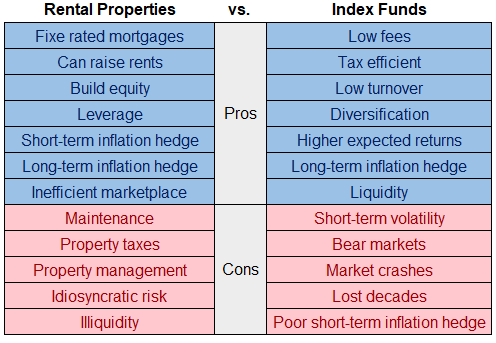
Owning a rental property sounds wonderfully simple from a distance: buy a house, find a tenant, collect rent, and casually sip coffee while your mailbox fills with money. Then reality taps you on the shoulder wearing a tool belt and holding a plumbing invoice.
Rental property investing can absolutely be a powerful wealth-building strategy. It may provide monthly cash flow, long-term appreciation, tax advantages, inflation protection, and a real asset you can improve with your own decisions. But it is not magic. It is not always passive. And it is definitely not a guaranteed shortcut to lounging on a beach while a duplex pays for your coconut water.
The truth is more interesting: owning a rental property is part investment, part small business, part customer service job, and part emergency response unit. When it works, it can be financially rewarding. When it goes sideways, it can test your patience, your budget, and your ability to remain calm while someone explains that the “small leak” is now a ceiling waterfall.
This guide breaks down the real pros and cons of owning a rental property, including income potential, tax benefits, financing challenges, maintenance costs, tenant issues, legal responsibilities, and practical lessons from landlord life.
What Is a Rental Property?
A rental property is real estate purchased or held with the goal of generating income from tenants. It can be a single-family home, duplex, condo, townhouse, apartment building, accessory dwelling unit, or even part of your primary residence. Some owners rent long-term to residents, while others use short-term rental platforms, furnished leases, or seasonal arrangements.
At its core, the business model is simple: rental income should ideally exceed expenses. Those expenses may include mortgage payments, property taxes, insurance, repairs, maintenance, utilities, HOA fees, property management, vacancies, advertising, legal costs, and capital improvements. The difference between income and expenses determines whether the property produces positive cash flow or quietly eats your wallet for breakfast.
The Pros of Owning a Rental Property
1. Monthly Rental Income
The most obvious benefit of owning a rental property is income. A well-located, properly priced rental can generate steady monthly cash flow. This income may help cover the mortgage, pay operating costs, and leave money left over for profit or future repairs.
For example, if a property rents for $2,000 per month and total monthly expenses are $1,600, the owner has $400 in monthly cash flow before taxes and major unexpected costs. That sounds small until you remember that $400 per month is $4,800 per year, and the tenant may also be helping pay down the loan balance over time.
However, cash flow should be calculated conservatively. A smart rental property analysis includes vacancy, maintenance reserves, capital expenditures, management fees, and realistic insurance and tax estimates. The rent check is exciting. The water heater replacement fund is less glamorous, but far more useful.
2. Long-Term Appreciation
Real estate can increase in value over time, especially in areas with job growth, population growth, limited housing supply, good schools, transportation access, and desirable amenities. Appreciation is never guaranteed, but it is one reason rental property investing attracts long-term investors.
Imagine buying a property for $300,000 and selling it years later for $420,000. That increase can create substantial equity, especially if the mortgage balance has also been reduced. Appreciation can turn a modest cash-flowing property into a major wealth-building asset.
The catch? Property values can also stagnate or decline. Neighborhoods change. Interest rates move. Local economies rise and fall. A rental property should make sense based on today’s numbers, not only on a hopeful future resale price.
3. Tenants Help Build Your Equity
One of the quiet superpowers of rental property ownership is amortization. Each mortgage payment includes principal and interest. When tenants pay rent, part of that rent may effectively help reduce your loan balance.
This does not mean tenants are “buying the house for you” in a perfectly neat way. You still carry risk, make the down payment, qualify for financing, pay for repairs, and remain legally responsible for the property. But over time, loan paydown can build equity while the asset remains under your control.
4. Tax Advantages
Rental property owners may be able to deduct ordinary and necessary expenses related to the rental activity. These may include mortgage interest, property taxes, insurance, repairs, maintenance, advertising, professional fees, property management, and certain travel expenses related to managing the property.
Depreciation is another major tax concept. Residential rental property is generally depreciated over 27.5 years under U.S. tax rules. Depreciation can reduce taxable rental income even when the property may be increasing in market value. That is one reason landlords often smile when accountants say words that sound boring at parties.
Tax rules are complex, and not every expense is treated the same way. Repairs and improvements can be handled differently. Passive activity rules may limit losses. Selling a rental property can trigger capital gains tax and depreciation recapture. A qualified tax professional is not just a nice-to-have; they are often the person standing between you and a very confusing April.
5. Inflation Protection
Rental property can offer some protection against inflation. As the cost of living rises, rents may rise too, depending on local market conditions and lease terms. Meanwhile, if you have a fixed-rate mortgage, your principal and interest payment generally stays the same.
This can create a useful long-term advantage: income may increase while a major expense remains stable. Of course, property taxes, insurance, labor, materials, and repairs can also rise. Inflation protection is helpful, but it does not make a roof magically cheaper.
6. Control Over the Investment
Unlike buying shares of a company, owning rental real estate gives you direct control over many value-driving decisions. You can improve the property, update appliances, add amenities, screen tenants carefully, adjust lease terms within the law, refinance, hire a property manager, or sell when the timing makes sense.
This control can be a major advantage for hands-on investors. A new kitchen, better curb appeal, improved lighting, or smart storage can make a rental more attractive and potentially support higher rent. In real estate, sweat equity is real. So is actual sweat, especially if you decide to paint the unit yourself in July.
The Cons of Owning a Rental Property
1. High Upfront Costs
Buying a rental property usually requires significant capital. Investors often need a down payment, closing costs, inspection fees, appraisal fees, cash reserves, insurance, repairs, and possibly renovation funds before a tenant ever moves in.
Investment property loans can also be more expensive than loans for primary residences. Lenders often view rental properties as riskier, which may lead to stricter qualification standards, larger down payments, higher interest rates, and more reserve requirements.
This means the first “con” appears before the first rent check. Rental property can be profitable, but it is rarely cheap to enter properly.
2. Vacancies Can Damage Cash Flow
A vacant rental property is still hungry. The mortgage, taxes, insurance, utilities, landscaping, HOA dues, and maintenance costs do not politely pause because no one is living there.
Even a strong rental market can have vacancies between tenants. A unit may need cleaning, repairs, advertising, showings, screening, and lease preparation. If a property is vacant for one month per year, that can erase a large portion of annual profit.
Smart landlords build vacancy into their numbers. If the deal only works with 12 perfect months of rent, no repairs, no late payments, and no surprises, it is not an investment analysis. It is a bedtime story.
3. Repairs and Maintenance Are Inevitable
Every property needs maintenance. Appliances wear out, roofs age, pipes leak, flooring gets damaged, and HVAC systems choose the hottest or coldest day of the year to become dramatic.
Small repairs can usually be handled with planning. Large repairs can be painful. A new roof, sewer line, furnace, or major plumbing repair can cost thousands of dollars. Rental income must be strong enough to support ongoing maintenance and capital reserves.
Skipping maintenance may save money in the short term, but it usually creates bigger problems later. Tenants also have the right to a safe and habitable home, and landlords must follow applicable state and local housing laws.
4. Tenant Problems Can Be Stressful
Many tenants are responsible, respectful, and easy to work with. Others may pay late, ignore lease terms, damage the property, disturb neighbors, or communicate exclusively during dinner.
Tenant screening helps reduce risk. Landlords should verify income, review credit, check rental history, contact references, and follow fair housing laws consistently. A strong lease also matters. It should clearly explain rent due dates, late fees, maintenance responsibilities, pet rules, occupancy limits, notice requirements, and move-out expectations.
Even with good screening, problems can happen. Evictions, disputes, and unpaid rent can be costly and time-consuming. This is why professionalism matters. Rental property ownership is not just about buildings; it is about people.
5. Legal and Regulatory Responsibilities
Landlords must comply with federal, state, and local laws. These may include fair housing rules, security deposit limits, required disclosures, habitability standards, eviction procedures, privacy rules, rent-control laws, licensing requirements, and local inspection rules.
The Fair Housing Act prohibits discrimination in housing based on protected characteristics. Landlords must also be careful with advertising, screening criteria, reasonable accommodation requests, and lease enforcement.
Laws vary widely by state and city. A landlord in Texas, California, New York, Florida, or Illinois may face very different rules. Before buying a rental property, investors should understand the local landlord-tenant environment. “I saw someone do it on the internet” is not a legal strategy.
6. Property Management Takes Time
Rental income is often described as passive income, but many landlords quickly discover that “passive” can include answering repair calls, coordinating contractors, collecting rent, handling notices, renewing leases, tracking expenses, and solving problems.
A property manager can help with marketing, tenant screening, rent collection, maintenance coordination, inspections, and legal notices. This can make ownership more hands-off, but management fees reduce profit. Many managers charge a percentage of monthly rent, plus possible leasing or renewal fees.
Self-managing saves money but costs time. Hiring a manager saves time but costs money. Either way, the work exists. It simply changes whose phone rings.
7. Real Estate Is Not Very Liquid
Stocks can often be sold quickly. A rental property cannot. Selling real estate may take weeks or months and usually involves agents, repairs, showings, inspections, negotiations, closing costs, and market timing.
This lack of liquidity can be a problem if you need cash quickly. A rental property may have strong equity on paper, but that equity is not the same as money in your checking account. Investors should keep emergency reserves outside the property.
How to Decide If a Rental Property Is Worth It
Run the Numbers Before Falling in Love
Never buy a rental property because the kitchen backsplash whispers sweet nothings. Run the numbers first. Estimate rent, vacancy, property taxes, insurance, maintenance, management, utilities, HOA fees, repairs, debt service, and capital reserves.
Key metrics include cash flow, cap rate, cash-on-cash return, debt service coverage, and total return. But numbers should be realistic. Use actual comparable rents, current insurance quotes, accurate tax estimates, and conservative repair assumptions.
Study the Local Market
A great rental property is usually supported by a strong location. Look for employment centers, transportation, schools, hospitals, universities, military bases, walkability, shopping, and population stability. Also review crime trends, future development, zoning, and local rental regulations.
Cheap properties are not always good deals. Sometimes they are cheap because demand is weak, repairs are huge, or tenants are difficult to attract. The purchase price is only one part of the story.
Build a Reserve Fund
A rental property without reserves is a financial cliff with a welcome mat. Owners should keep money available for vacancies, repairs, insurance deductibles, legal costs, and major replacements.
The right reserve amount depends on the property’s age, condition, location, and financing. Older properties often require larger reserves. Multi-unit properties may spread risk across several tenants, but they can also have more systems to maintain.
Treat It Like a Business
Successful landlords keep records, use written leases, document property condition, respond to maintenance requests, follow laws, communicate clearly, and avoid emotional decision-making. A rental property is not just an address. It is a business with customers, expenses, rules, and risk.
That does not mean landlords must be cold or unfriendly. It means they should be fair, consistent, and organized. The best landlord style is professional with a human pulse.
Real-World Experiences: What Rental Property Ownership Feels Like
The experience of owning a rental property is often different from the spreadsheet version. On paper, the deal may look beautifully simple: rent comes in, expenses go out, profit remains. In real life, the story has more texture.
One common experience is the first repair call. New landlords may feel nervous the first time a tenant reports a problem. Maybe the dishwasher stopped draining, the garage door jammed, or the bathroom fan sounds like a tiny helicopter. At first, every issue feels urgent and expensive. Over time, experienced owners learn to separate true emergencies from routine maintenance. Water pouring through a ceiling is urgent. A loose cabinet knob can wait until business hours.
Another lesson is that tenant quality matters more than maximum rent. A landlord might be tempted to choose the applicant willing to pay the highest price, but stable income, good references, respectful communication, and a clean rental history can be more valuable. A reliable tenant who pays on time and cares for the property may be worth more than an extra $75 per month from someone who turns every lease clause into a courtroom drama.
Many owners also learn that upgrades should be durable, not fancy. Rental properties need materials that can survive normal wear and tear. Luxury finishes may look great in photos, but mid-range, easy-to-clean, replaceable materials often make more sense. A landlord does not need a museum-grade faucet in a rental kitchen. They need one that works, looks good, and does not require a ceremony to install.
Communication becomes another major skill. Good landlords set expectations early. They explain how maintenance requests should be submitted, when rent is due, what counts as an emergency, and how lease renewals work. Clear communication prevents confusion and reduces conflict. It also helps tenants feel respected, which can improve retention.
Vacancy is another eye-opening experience. A vacant property feels quiet in the most expensive way possible. Every day without a tenant is lost income. Owners quickly learn the value of taking good listing photos, pricing rent correctly, responding quickly to inquiries, and preparing the unit before the previous tenant even finishes moving out.
There is also the emotional side. Some owners feel proud watching a property improve over time. Fresh paint, better lighting, repaired landscaping, and responsible tenants can turn a neglected house into a valuable home. Others feel overwhelmed when costs arrive in clusters. A refrigerator, roof patch, and insurance increase in the same month can make even confident investors question their life choices.
The biggest experience-based lesson is this: rental property ownership rewards patience and preparation. The best landlords do not expect perfection. They expect problems and plan for them. They keep reserves, build contractor relationships, study local laws, screen carefully, and make decisions based on math rather than panic.
Owning a rental property can be rewarding, but it is not effortless. It asks for money, time, judgment, and resilience. In return, it can provide income, equity, tax benefits, and long-term financial growth. It is a serious investment, not a vending machine with shingles.
Conclusion
The pros and cons of owning a rental property come down to balance. On the positive side, rental real estate can generate monthly income, build equity, appreciate over time, offer tax advantages, and give investors more control than many other assets. On the negative side, it requires upfront capital, careful financing, legal compliance, maintenance, tenant management, reserves, and patience.
A rental property can be a smart investment when the numbers work, the location is strong, the owner is prepared, and the risks are understood. It can be a stressful mistake when bought casually, underfunded, or managed like a hobby.
The best approach is simple but not always easy: research the market, run conservative numbers, understand local laws, build cash reserves, screen tenants carefully, and treat the property like a business. Do that, and rental property ownership may become a valuable part of your financial future. Ignore it, and your “passive income” may become an active headache with a mortgage.