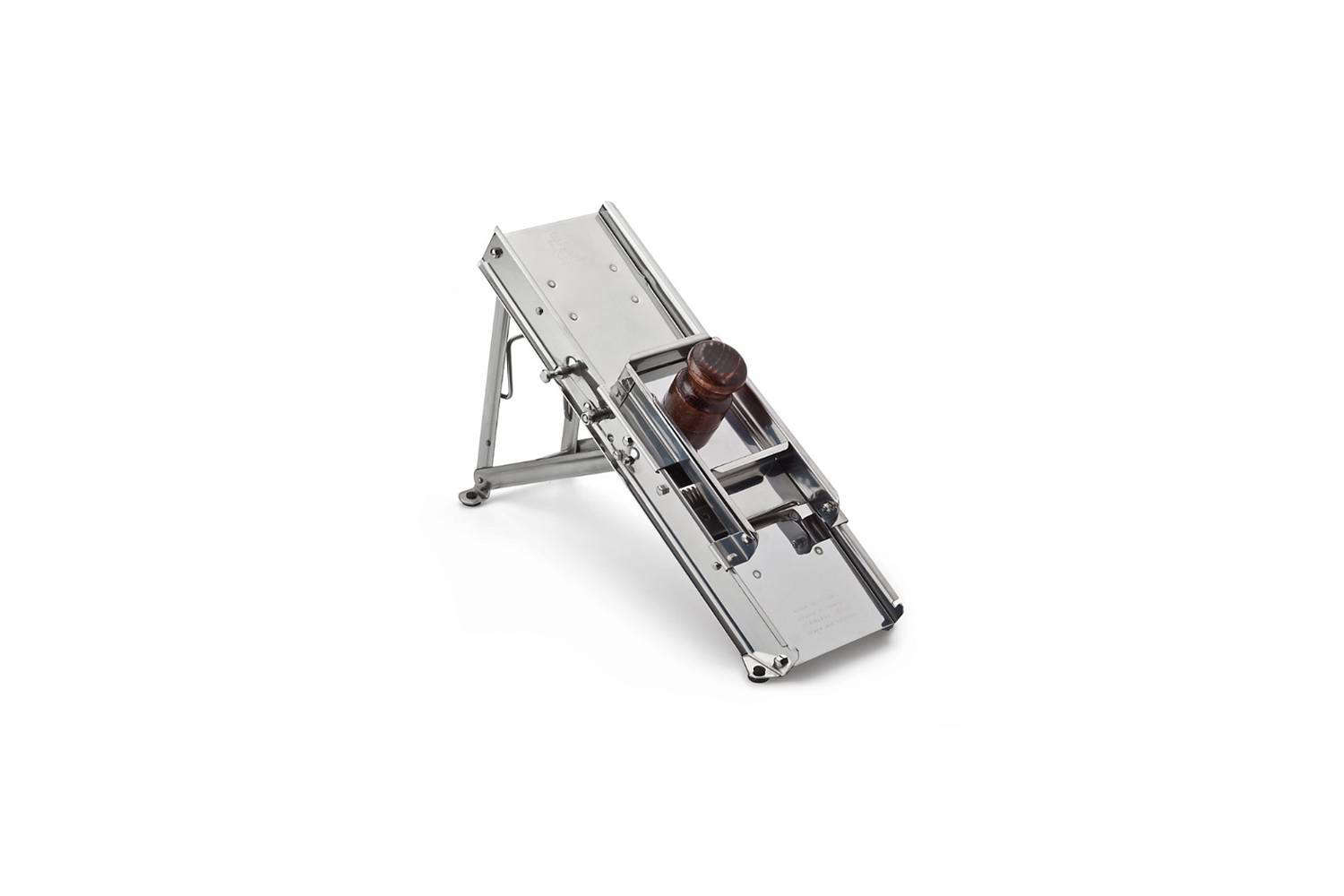
A Mandoline Vegetable SS Slicer is one of those kitchen tools that looks simple until it turns a potato into perfect gratin slices in ten seconds and makes your chef’s knife feel like it needs a motivational podcast. Built with stainless steel cutting surfaces or stainless steel blades, this slicer is designed for fast, even, repeatable cuts: thin cucumber ribbons, crisp carrot matchsticks, onion rings, zucchini planks, cabbage shreds, and potatoes that finally stop arguing about who gets cooked first.
For home cooks, meal preppers, salad enthusiasts, and anyone who has ever stared at a mountain of vegetables with mild emotional distress, a mandoline slicer can be a serious upgrade. The magic is consistency. When vegetables are cut to the same thickness, they cook more evenly, look better on the plate, and absorb seasoning more predictably. It is not just about speed; it is about making your food behave.
What Is a Mandoline Vegetable SS Slicer?
A mandoline vegetable slicer is a manual kitchen tool that uses a sharp fixed blade and an adjustable platform to slice food as it slides across the cutting surface. The “SS” usually refers to stainless steel, which may describe the blade, the deck, or the overall body of the slicer. Stainless steel is popular because it is sturdy, corrosion-resistant, easy to clean, and gives the tool a professional feel.
Unlike a knife, which depends heavily on your hand skills, a mandoline creates uniform slices with each pass. Many models also include julienne blades, waffle-cut settings, crinkle-cut options, or interchangeable inserts. A basic slicer may only make straight slices, while a more advanced stainless steel mandoline can handle multiple cutting styles without making your drawer look like a tiny hardware store exploded.
Why Stainless Steel Matters
Stainless steel is not just there to look shiny on the countertop. In a vegetable slicer, stainless steel offers strength and stability, especially when cutting firm produce like sweet potatoes, carrots, beets, cabbage, and winter squash. A flimsy slicer can flex under pressure, which makes cuts less even and can feel less controlled. A well-built stainless steel mandoline provides a more confident slicing surface.
The blade material matters even more. Sharp stainless steel blades are commonly used because they can cut cleanly through firm vegetables and maintain a useful edge for a long time with proper care. Some slicers use ceramic blades, which can be very sharp, but stainless steel remains a favorite for durability, versatility, and the familiar feel most cooks expect from kitchen tools.
Main Benefits of Using a Mandoline Vegetable SS Slicer
1. Faster Prep Without the Drama
Chopping vegetables by hand can be relaxing for some people. For everyone else, it is the part of cooking where dinner quietly becomes tomorrow’s lunch. A mandoline slicer speeds up repetitive prep tasks, especially when you need a lot of thin, even pieces. Think scalloped potatoes, cucumber salad, coleslaw, apple chips, ratatouille, onion rings, zucchini ribbons, and homemade fries.
2. Uniform Slices for Better Cooking
Uneven slices are the reason one potato chip burns while another remains suspiciously floppy. A mandoline helps solve that problem. When pieces are consistent, they roast, fry, bake, pickle, and dehydrate at a similar pace. This is especially useful for recipes where texture matters, such as gratins, vegetable chips, shaved salads, and quick pickles.
3. Professional Presentation at Home
A mandoline turns ordinary vegetables into neat, restaurant-style cuts. Paper-thin radishes make tacos look brighter. Shaved fennel makes salads feel fancy without requiring you to use the word “elevated” at dinner. Thin zucchini strips can layer beautifully in casseroles. Even a plain cucumber looks like it has hired a publicist.
4. More Creative Meal Prep
When slicing is easy, vegetables become easier to use. You may find yourself adding shaved carrots to sandwiches, thin onions to burgers, cabbage ribbons to bowls, or apple slices to salads. A Mandoline Vegetable SS Slicer can quietly encourage healthier cooking because it removes one of the biggest obstacles: prep time.
Common Cutting Styles
Most stainless steel mandoline slicers focus on a few useful cuts. The most common is the straight slice, which can range from paper-thin to several millimeters thick depending on the model. Thin slices are ideal for chips, pickles, salads, and garnishes. Thicker slices work better for roasting, casseroles, and vegetables that need structure.
Julienne cuts create thin matchstick strips, often used for carrots, potatoes, zucchini, cucumbers, and daikon. These are excellent for slaws, stir-fries, spring rolls, and crispy toppings. Some slicers also offer crinkle cuts for wavy potatoes or waffle cuts for dramatic vegetables that clearly want attention.
Not every mandoline needs every feature. A simple adjustable slicer may be better for everyday use than a complex model with parts you never touch. The best choice depends on whether you want quick salad prep, professional-level precision, or a vegetable gadget that can basically audition for a cooking show.
Best Foods to Slice with a Mandoline
A Mandoline Vegetable SS Slicer works best with firm fruits and vegetables. Potatoes, cucumbers, carrots, onions, zucchini, apples, cabbage, radishes, beets, fennel, sweet potatoes, and firm pears are all good candidates. These foods hold their shape and glide across the blade cleanly.
Softer foods can be trickier. Very ripe tomatoes, soft peaches, or delicate mushrooms may crush instead of slice unless the blade is extremely sharp and the food is handled gently. For soft produce, a serrated knife may sometimes be the better tool. The mandoline is a champion, but it does not need to compete in every event.
How to Choose the Right Mandoline Vegetable SS Slicer
Blade Sharpness and Blade Style
The blade is the heart of the slicer. A sharp blade requires less force, creates cleaner cuts, and helps reduce slipping. Straight blades are common and work well for many vegetables. V-blades grip food from both sides and can be helpful for round produce like tomatoes, onions, and lemons. Angled blades can make slicing smoother by reducing the pressure needed to move food across the cutting surface.
Adjustable Thickness Settings
A good mandoline should make thickness changes easy. Look for a clear dial, knob, lever, or marked settings. Some models offer preset thickness levels, while others allow more continuous adjustment. Presets are beginner-friendly because they remove guesswork. Continuous adjustment is great for cooks who want precise control.
Safety Features
Safety is not optional. A mandoline blade is extremely sharp, and the tool should always be used with respect. Look for a food holder, hand guard, non-slip feet, stable legs, and a blade cover for storage. A cut-resistant glove is also a smart addition. The glove is not magic armor, but it adds a useful layer of protection and confidence.
Stability and Comfort
A slicer should feel stable on the counter. Folding legs should lock securely, and the handle should be comfortable. If the mandoline wobbles, slides, or feels like it is trying to leave the kitchen, choose another one. Stability affects both performance and safety.
Ease of Cleaning
Vegetable bits love to hide in blade slots like they are avoiding rent. Choose a slicer with accessible parts and simple cleaning instructions. Some models are top-rack dishwasher-safe, but hand washing is often better for preserving blade sharpness. Always clean from the dull side when possible and never swipe your fingers directly across the blade.
How to Use a Mandoline Vegetable SS Slicer Safely
Before slicing, place the mandoline on a stable surface. If the model has legs, open and lock them. If it is handheld, angle it securely over a cutting board or bowl. Select the desired thickness before adding food. Once the blade is exposed, focus completely. This is not the moment to check a text, settle a family debate, or watch a cat knock over a glass.
Trim the food so it has a flat surface. This helps it sit securely against the hand guard. Attach the food to the holder if one is included. Move the food with steady, even pressure across the blade. Do not rush. Speed comes naturally as you gain confidence, but control should always come first.
When the remaining piece becomes small, stop slicing. Use a knife to finish it or save the leftover piece for stock, soup, or snacking. Trying to slice the final tiny nub is how many mandoline mistakes happen. The last slice is not worth a kitchen adventure you did not sign up for.
Mandoline vs. Knife vs. Food Processor
A chef’s knife is the most versatile cutting tool in the kitchen. It can chop, dice, mince, trim, and slice almost anything. But even a great knife requires practice to create ultra-thin, consistent slices. A mandoline is more specialized. It does fewer things, but it does them with impressive speed and uniformity.
A food processor is excellent for shredding and slicing large quantities, but it requires setup, space, and cleanup. It can also produce less precise slices depending on the blade and ingredient. A mandoline sits in the sweet spot: faster than a knife for repetitive slicing, simpler than a food processor for small and medium tasks, and easier to store than another electric appliance.
Recipes That Make a Mandoline Worth It
Potato Gratin
Thin, even potato slices are essential for a creamy gratin. A mandoline helps each layer cook evenly, so the dish becomes tender throughout instead of half-luxurious and half-crunchy.
Quick Pickled Cucumbers
Uniform cucumber slices absorb brine evenly. Add vinegar, sugar, salt, garlic, and dill, and you have a crisp side dish that tastes like you planned ahead, even if you absolutely did not.
Homemade Vegetable Chips
Sweet potatoes, beets, zucchini, and potatoes all benefit from consistent thickness. Thin slices crisp better and reduce the chance of uneven cooking.
Shaved Fennel and Apple Salad
Paper-thin fennel and apple slices create a bright, crunchy salad with lemon juice, olive oil, herbs, and a little salt. It is simple, fresh, and suspiciously elegant.
Classic Coleslaw
A mandoline makes quick work of cabbage and carrots. The result is finer, more consistent slaw that mixes better with dressing and does not feel like chewing through a vegetable manuscript.
Care and Maintenance Tips
Rinse the slicer soon after use so starches and vegetable juices do not dry onto the blade. Use warm water, mild dish soap, and a brush when needed. Avoid careless scrubbing around the cutting edge. Dry the stainless steel parts thoroughly to reduce water spots and keep the tool looking clean.
Store the mandoline with the blade covered or locked in a safe position. Keep loose blade inserts in a dedicated container if your model includes them. A sharp blade floating around a drawer is not storage; it is a surprise test nobody wants to take.
Over time, blades may dull. Some mandolines allow blade replacement, while others do not. If the slicer starts crushing food, requires too much pressure, or produces ragged cuts, it may be time to replace the blade or the tool. A sharp mandoline is safer and more effective than a dull one because it requires less force.
Who Should Buy a Mandoline Vegetable SS Slicer?
A stainless steel mandoline is ideal for people who cook with vegetables often, prepare meals in batches, enjoy salads, make homemade chips, pickle produce, or want better-looking dishes without spending years practicing knife cuts. It is also useful for families that eat a lot of potatoes, cucumbers, onions, carrots, cabbage, or zucchini.
It may not be necessary for someone who rarely cooks or only slices vegetables once in a while. It also may not be the best choice for people who dislike sharp manual tools and know they will not use the guard or glove. In that case, a safety-focused upright slicer or food processor attachment may be a better fit.
Buying Mistakes to Avoid
Do not buy only for the number of features. A mandoline with fifteen attachments is not automatically better than a simple, sturdy slicer. More parts can mean more cleaning, more storage, and more opportunities to lose the one insert you actually need.
Do not ignore the hand guard. If the guard is awkward, you may be tempted not to use it. Look for a holder that grips food well and keeps your hand comfortably above the blade. Also avoid slicers that feel unstable or require excessive force. A mandoline should make prep easier, not turn dinner into a negotiation.
Finally, do not assume “dishwasher-safe” means “best cleaned in the dishwasher every time.” High heat and harsh detergents can dull blades faster. Hand washing is often the better long-term habit, especially for stainless steel blades.
Real-World Experience: Living With a Mandoline Vegetable SS Slicer
The first time you use a Mandoline Vegetable SS Slicer, you may wonder why you waited so long. Then, about thirty seconds later, you may also wonder why this innocent-looking tool feels like it deserves its own safety briefing. That is the mandoline experience in a nutshell: thrillingly efficient, slightly intimidating, and completely worth learning.
One of the biggest practical advantages appears during weeknight cooking. Imagine making a simple dinner of roasted chicken, potatoes, and salad. Without a mandoline, slicing potatoes thinly enough for quick roasting takes time and patience. With a mandoline, the slices pile up quickly and evenly. Toss them with oil, salt, pepper, and herbs, and they roast with crisp edges instead of random thick pieces that stubbornly remain undercooked.
For salads, the difference is even more obvious. A cucumber sliced by hand is fine. A cucumber sliced thinly and evenly on a mandoline becomes lighter, more delicate, and better at soaking up dressing. Red onion becomes less aggressive when shaved thin. Radishes turn into crisp little coins. Carrots can become matchsticks that blend into slaw instead of dominating it like orange construction beams.
Meal prep also becomes more enjoyable. If you prepare vegetables for several days, a mandoline can help you make containers of sliced cabbage, cucumbers, carrots, zucchini, and onions in one session. The key is matching the cut to the purpose. Thicker zucchini slices hold up better for grilling or roasting. Thin cabbage shreds are better for tacos and bowls. Very thin onion slices are excellent for sandwiches, while thicker onion rings work better for roasting.
There is also a learning curve. At first, many people press too hard. A sharp mandoline does not need brute force. Gentle, steady movement works better. If food catches on the blade, check the angle, make sure the food has a flat surface, and avoid using produce that is too soft. The tool rewards calm hands. It does not reward the “I am late and emotionally committed to speed” method.
The hand guard may feel awkward at first, especially with small or oddly shaped vegetables. Still, it is worth using. A cut-resistant glove can make the process feel more natural because it allows better control while adding protection. Many experienced cooks use both: glove for confidence, guard for distance, and common sense as the main ingredient.
Cleaning becomes part of the routine. The easiest habit is to rinse the slicer immediately after use. Potato starch, beet juice, and onion residue are much less annoying when they have not dried into a culinary fossil. A small brush helps clean around the blade area. Drying the slicer before storage keeps stainless steel looking better and prevents moisture from sitting in crevices.
The best experience comes from keeping the mandoline accessible. If it is buried behind the slow cooker, under a waffle maker, and next to a mystery lid from 2018, you will not use it. Store it where you can grab it quickly. A tool that saves time should not require an archaeological dig.
In everyday use, the Mandoline Vegetable SS Slicer shines because it makes vegetables feel less like homework. It encourages better texture, faster prep, and more attractive meals. It is not a replacement for knife skills, but it is a powerful assistant. Treat it carefully, clean it properly, and it will turn humble produce into neat, even slices with the confidence of a tiny stainless steel sous-chef.
Conclusion
A Mandoline Vegetable SS Slicer is a practical, efficient, and surprisingly inspiring kitchen tool for anyone who wants faster prep and more consistent results. Its stainless steel construction or stainless steel blades provide durability, sharpness, and clean slicing performance. From potato gratin to cucumber salad, from coleslaw to vegetable chips, this tool helps home cooks create even cuts that improve cooking, texture, and presentation.
The most important rule is simple: respect the blade. Choose a stable model, use the hand guard, consider a cut-resistant glove, clean it carefully, and stop before the food gets too small. With the right habits, a mandoline slicer becomes less intimidating and more like the kitchen helper you always wanted: fast, precise, shiny, and thankfully not asking for a raise.