Scabies is one of those skin problems that sounds tiny but acts like it owns the house. The culprit is a microscopic mite called Sarcoptes scabiei, which burrows into the top layer of the skin and triggers intense itching, especially at night. The good news? Scabies is curable. The slightly annoying news? You have to treat it correctly, treat close contacts at the same time, and clean the right items so the mites do not get a second chance to throw a reunion party.
This guide explains how to cure scabies in 15 practical steps, from recognizing the symptoms to using prescription treatment, washing bedding, calming the itch, and preventing reinfestation. It is written for everyday readers, not dermatology robots, but it is based on real medical guidance. Scabies treatment should always involve a healthcare professional because over-the-counter itch creams may calm the scratching, but they do not reliably kill the mites.
What Is Scabies?
Scabies is a contagious skin infestation caused by the human itch mite. These mites are too small to see with the naked eye, but your immune system notices them loud and clear. The result is itching, bumps, rash, and sometimes thin, wavy burrow lines on the skin. Common scabies rash locations include between the fingers, wrists, elbows, armpits, waist, buttocks, nipples, genitals, and shoulder blades. In infants and very young children, scabies may also affect the scalp, palms, and soles.
Scabies spreads mostly through prolonged skin-to-skin contact. It can also spread through shared bedding, clothing, or towels, although casual contact like a quick handshake is less likely to transmit it. Outbreaks are more common in crowded homes, dorms, shelters, nursing homes, childcare settings, and other places where close contact happens often.
How to Cure Scabies: 15 Steps That Actually Matter
1. Confirm the Symptoms Before You Panic
The classic scabies clue is severe itching that gets worse at night. You may see small red, brown, gray, or skin-colored bumps depending on your skin tone. Some bumps appear in lines, clusters, or pimple-like patches. Because scabies can look like eczema, allergic rash, insect bites, or hives, guessing is risky. If your rash is spreading, keeping you awake, or affecting several people in the home, assume it deserves medical attention.
2. See a Healthcare Provider for Diagnosis
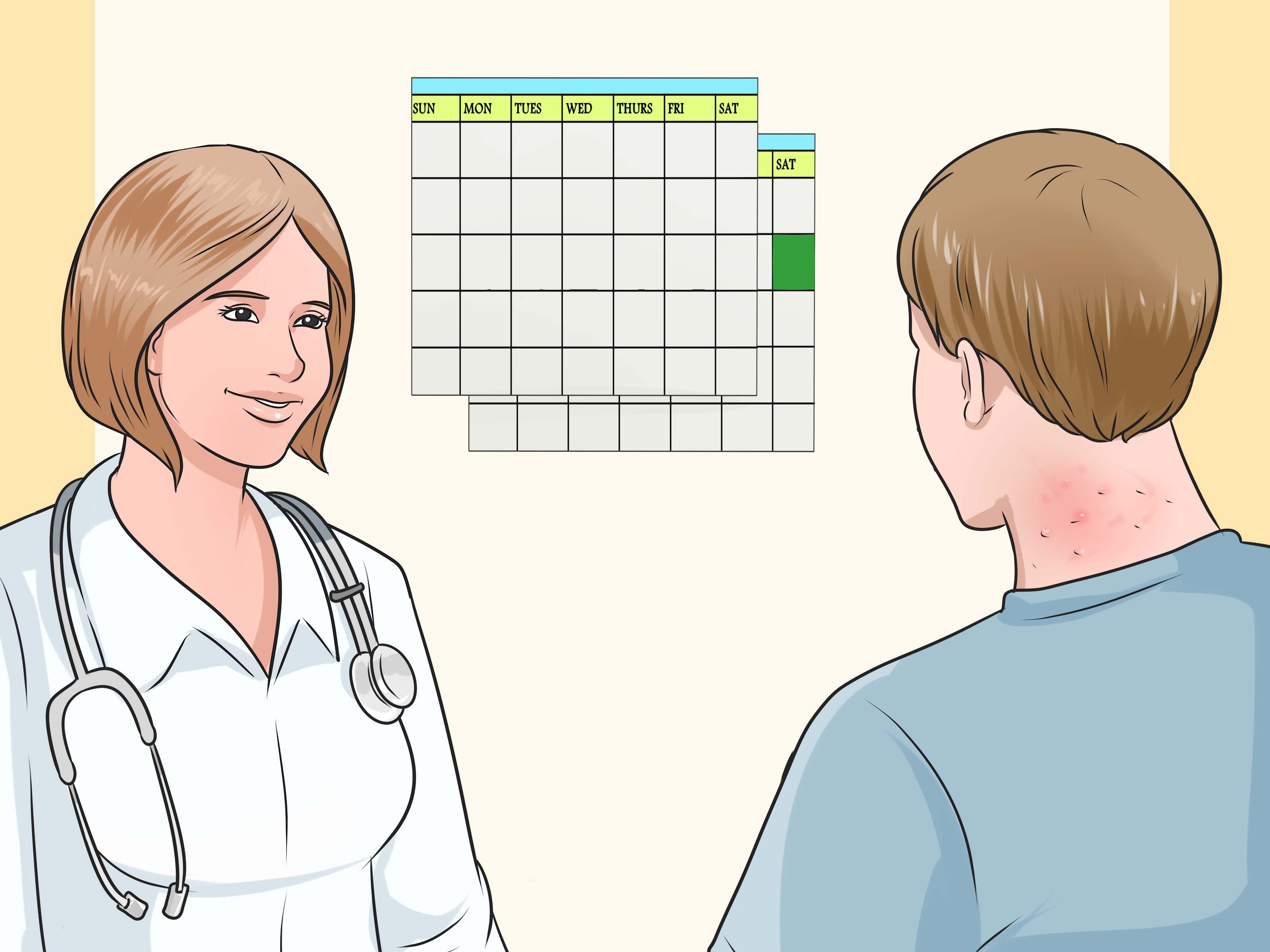
A doctor, dermatologist, nurse practitioner, or clinic provider can often diagnose scabies by examining your skin. Sometimes they may scrape a tiny bit of skin and check it under a microscope for mites, eggs, or mite waste. That sounds dramatic, but it is usually quick and not the horror movie your imagination just produced.
3. Use Prescription Scabies Medicine
The most common first-line scabies treatment in the United States is permethrin 5% cream. It is a prescription scabicide, meaning it kills scabies mites. In some cases, a provider may prescribe oral ivermectin, especially when creams are not practical, treatment fails, or crusted scabies is suspected. Other prescription options may be used depending on age, pregnancy status, medical history, skin sensitivity, and local availability.
Important: regular over-the-counter permethrin products made for head lice are not the same as prescription permethrin 5% cream for scabies. Do not try to “DIY” scabies treatment with random bug sprays, essential oil experiments, or internet potions that smell like a forest had a nervous breakdown.
4. Apply Permethrin Correctly
If prescribed permethrin 5% cream, follow your provider’s instructions exactly. For many older children and adults, it is applied to clean, dry skin from the neck down, including the hands, between fingers, under nails, belly button, groin, buttocks, and between toes. In babies, toddlers, older adults, or people with scalp involvement, the provider may recommend applying it to the scalp, hairline, temples, and forehead as well.
Most instructions require leaving the cream on for 8 to 14 hours before washing it off. Many people apply it before bed and rinse it off in the morning. Wear clean clothing after treatment and change into freshly washed bedding.
5. Do Not Skip the Tiny Spaces
Scabies mites are not impressed by lazy application. They love folds, cracks, creases, and warm protected skin. Pay attention to wrists, elbows, armpits, waistline, buttocks, genitals, nipples, ankles, and spaces between fingers and toes. Trim fingernails and apply medication under the nail edges because scratching can trap mites or eggs there.
6. Repeat Treatment If Your Provider Says So
Many scabies treatment plans involve a second application about one week later. This helps kill mites that may have hatched after the first treatment. Do not freestyle the schedule. Use the timing your healthcare provider gives you. Taking too little medicine, washing it off too soon, or forgetting the second dose can make scabies feel like it has nine lives.
7. Treat Close Contacts at the Same Time
This is one of the biggest scabies treatment mistakes. If one person treats scabies but a close contact remains untreated, the mites can come right back. Household members, sexual partners, and people with prolonged skin contact may need treatment even if they do not itch yet. Symptoms can take weeks to appear after first exposure, so “I feel fine” is not always proof of “I am mite-free.”
8. Wash Bedding, Towels, and Clothing
Wash clothing, towels, and bedding used during the few days before treatment in hot water and dry them on a hot dryer cycle. Heat helps kill mites and eggs. Focus on items that touched your skin: sheets, pillowcases, blankets, pajamas, underwear, socks, towels, and recently worn clothes. You do not need to boil the house, interrogate every sock, or pressure-wash the ceiling. Target the items that matter.
9. Seal Items That Cannot Be Washed
Stuffed animals, delicate clothing, shoes, pillows, or fabric items that cannot be washed can be sealed in a plastic bag for several days to a week. Scabies mites generally do not survive long away from human skin, so separating them from people helps break the cycle. Label the bag with the date so you do not open it early and accidentally invite the mites back like badly behaved guests.
10. Vacuum Soft Surfaces
Vacuum mattresses, carpets, couches, and upholstered chairs, especially in rooms where the infected person spent time. After vacuuming, empty the canister or discard the bag. Heavy-duty fumigation is usually not needed for ordinary scabies. The goal is practical cleanup, not turning your bedroom into a crime scene investigation.
11. Avoid Close Skin Contact Until Treatment Is Complete
Until treatment has started and your provider says it is safe, avoid prolonged skin-to-skin contact. That includes cuddling, sharing a bed, and close physical contact. Many people can return to school, work, or regular activities after appropriate treatment, but policies vary by setting. When in doubt, ask your healthcare provider or school/work health office.
12. Manage the Itch Without Assuming Treatment Failed
Here is the weird part: itching can continue for two to six weeks after successful scabies treatment. This is called post-scabies itch, and it happens because the skin is still reacting to mites, eggs, and irritation even after the infestation is gone. Cool compresses, fragrance-free moisturizer, oral antihistamines, or mild topical steroid creams may help, but ask a healthcare professional before using medicated products, especially on children or sensitive areas.
13. Watch for Signs of Skin Infection
Scratching can break the skin and allow bacteria to enter. Call a healthcare provider if you notice increasing redness, warmth, swelling, pain, pus, honey-colored crusting, fever, or red streaks. These signs may suggest a secondary skin infection that needs medical treatment. The goal is to kill the mites, calm the itch, and keep your skin barrier from filing a formal complaint.
14. Know When Scabies May Be More Serious
Crusted scabies is a severe form that can involve thick crusts of skin and a very high number of mites. It is more common in people with weakened immune systems, older adults, and people who cannot scratch or feel itching normally. Crusted scabies is highly contagious and often needs more intensive treatment, sometimes combining topical and oral medicines. If you see thick crusting, widespread scaling, or scabies in a person who is medically fragile, seek care quickly.
15. Follow Up If Symptoms Continue or Return
If new burrows or bumps appear after treatment, if itching gets worse instead of gradually improving, or if other household members develop symptoms, contact your provider. Persistent symptoms may mean reinfestation, incorrect application, untreated contacts, resistance, or a different skin condition. A follow-up visit can prevent weeks of frustration and laundry-related emotional damage.
Common Mistakes That Keep Scabies Coming Back
The most common reason scabies seems impossible to cure is not because the mites are superheroes. It is usually because one piece of the treatment plan was missed. Maybe the cream was not applied to the whole body. Maybe it was washed off too soon. Maybe the second treatment was forgotten. Maybe a partner, roommate, or child was not treated at the same time. Maybe bedding was washed but the favorite hoodie stayed in rotation like nothing happened.
Another mistake is treating the itch but not the infestation. Hydrocortisone cream, antihistamines, oatmeal baths, and moisturizers can help you feel better, but they do not cure scabies by themselves. Think of them as the backup dancers. The prescription scabicide is the headliner.
Can Home Remedies Cure Scabies?
Home remedies may soothe itching, but they should not replace prescription scabies treatment. Tea tree oil, neem, clove oil, vinegar, and other natural remedies are often discussed online, but evidence is not strong enough to rely on them as a cure. Some can also irritate skin or cause allergic reactions. If your skin is already angry, pouring harsh substances on it is like trying to calm a toddler by handing them a drum set.
Safe comfort measures include cool compresses, gentle fragrance-free soap, loose cotton clothing, moisturizers, and avoiding hot showers that can worsen itching. These steps can make recovery more comfortable while the prescribed medicine does its job.
How Long Does It Take to Cure Scabies?
The mites may die quickly after proper treatment, but the rash and itching often take longer to settle. Many people feel improvement within days, but itching can linger for weeks. That does not always mean treatment failed. However, brand-new bumps, fresh burrows, or symptoms in untreated contacts may suggest reinfestation. A good rule: if things are not clearly improving, or if symptoms return after getting better, check back with a healthcare provider.
Scabies Prevention Tips
To prevent scabies from spreading, avoid prolonged skin contact with anyone who has untreated scabies. Do not share towels, bedding, or recently worn clothing during an active infestation. Treat all close contacts at the same time when advised. Wash skin-contact items in hot water and dry them with heat. Seal unwashable items. Keep fingernails short. Clean your sleeping area. Most importantly, do not feel embarrassed. Scabies can happen to anyone, including very clean people. Mites do not check your housekeeping score before moving in.
Real-World Experiences: What Scabies Recovery Often Feels Like
The experience of curing scabies is often less about one magic tube of cream and more about coordination. Imagine a family where one child starts scratching at night. A few days later, a parent notices itchy wrists. Then someone says, “Maybe it is detergent,” because denial is cheaper than dermatology. By the time scabies is diagnosed, everyone is tired, suspicious of every blanket, and Googling at 2 a.m. The turning point usually comes when the whole household treats together, bedding gets washed, and the family stops playing “pass the mite” without realizing it.
One common experience is the anxiety after treatment. A person applies the cream perfectly, washes everything, changes sheets, and then wakes up two nights later still itching. Panic arrives wearing tap shoes. But lingering itch is common. The skin needs time to calm down. The important question is whether there are new burrows or new spreading bumps, not whether every itch disappears instantly. Recovery often feels gradual, not like flipping a light switch.
Another real-world lesson is that laundry can become oddly emotional. People want to wash every curtain, backpack, lampshade, and emotional support throw pillow in the home. Usually, the smarter approach is to focus on clothing, towels, bedding, and soft items that had recent skin contact. The goal is not perfection. The goal is breaking transmission. A clear checklist helps: treat people, wash hot, dry hot, bag unwashables, vacuum soft surfaces, repeat treatment if directed, and monitor symptoms.
Scabies can also test communication. Telling a roommate, partner, babysitter, or close contact can feel awkward. Still, it is better than staying silent and creating a reinfestation loop. A simple message works: “I was diagnosed with scabies. It is treatable, but close contacts may need treatment even without symptoms. Please check with a healthcare provider.” No drama, no blame, no detective board with red string.
The final experience many people mention is relief mixed with impatience. The mites may be gone, but the skin still itches, and every tickle feels suspicious. During this phase, gentle skin care matters. Avoid harsh scrubbing, hot showers, fragranced lotions, and aggressive home remedies. Use moisturizer, wear breathable clothing, and follow medical advice for itch control. Healing skin is not lazy; it is rebuilding. Give it time.
In the end, curing scabies is completely possible. The winning formula is medical treatment plus synchronized contact treatment plus targeted cleaning. Do those three things well, and the mites lose their tiny underground lease.
Conclusion
Scabies is uncomfortable, contagious, and wildly annoying, but it is also treatable. The fastest path to recovery is not guessing, scratching, or trying every home remedy on the internet. It is getting a proper diagnosis, using prescription scabies medication correctly, treating close contacts at the same time, washing or sealing skin-contact items, and giving the skin time to recover. If symptoms persist, worsen, or come back, follow up with a healthcare provider. With the right plan, scabies can be curedand your bed can go back to being a place for sleep instead of midnight detective work.