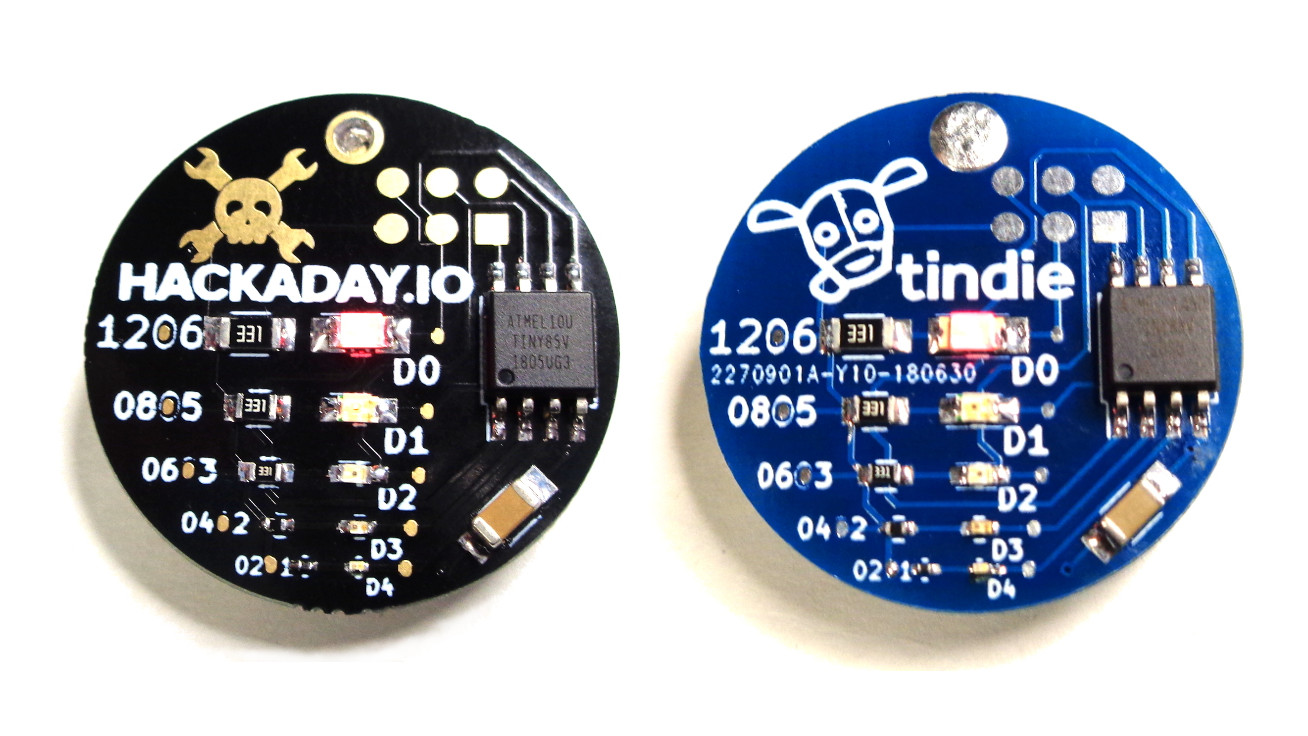
Most people hear the phrase competitive soldering and assume it is a joke invented by engineers who have been awake too long and consumed too much coffee. But no, this is real. Somewhere between esports, cooking competitions, and old-school trade skills, soldering has quietly become a spectator-worthy showdown. Tiny parts. Steady hands. Zero room for panic. One bad move and your heroic little resistor ends up looking like a metallic sneeze.
The surprising part is not that soldering can be competitive. The surprising part is that it took this long for the rest of us to notice. Precision work has always invited comparison. Give skilled people the same tools, the same board, the same time limit, and suddenly you have drama. Not the reality-TV kind where someone flips a table, but the kind where a room goes silent because a competitor is placing microscopic components without blinking.
So yes, competitive soldering is now a thing. And honestly, it makes more sense than half the trends on the internet.
What Competitive Soldering Actually Means
At its core, competitive soldering is exactly what it sounds like: contestants are judged on how well they assemble or repair electronics by hand under controlled conditions. Sometimes the format is highly professional, with formal judging criteria and industry standards. Other times it is more like a maker challenge, where participants race to complete a tiny surface-mount kit while everyone nearby stares in respectful horror.
That range is what makes the trend so interesting. On one end, you have official hand soldering championships tied to the electronics manufacturing world. On the other, you have hacker and maker events turning the ability to solder microscopic components into a public test of nerves, dexterity, and patience. Either way, the appeal is the same: a deceptively simple task becomes riveting when the components get smaller and the stakes get hotter.
Yes, There Are Real Championships
This is not just a cute side event at a geek festival. Professional competition soldering has a genuine structure behind it. IPC, one of the most important organizations in electronics manufacturing, has run hand soldering competitions for years and hosts world-level championships that recognize high-end skill in assembling complex printed circuit boards. Competitors are evaluated not just on whether the board works, but also on process compliance, overall product quality, and clean execution.
That detail matters. The point is not simply “finish fastest and hope for the best.” The point is to produce work that would be respected in serious manufacturing environments. In other words, the event is closer to a trade-skill championship than a novelty stunt.
Professional versions of the contest usually involve identical materials, a fixed time limit, and judging against demanding workmanship expectations. That setup turns soldering into something spectators can follow surprisingly easily. Did the board function? Are the joints clean? Did the competitor avoid bridges, bad alignment, or sloppy rework? Was the process controlled instead of chaotic? Even people who do not know a resistor from a raisin can understand that clean, precise work beats a rushed mess.
How It Became a Competitive Spectacle
Part of the answer is miniaturization. As electronics got smaller, soldering got harder. The leap from chunky through-hole parts to tiny surface-mount packages changed the whole vibe. A soldering task that once looked like ordinary bench work started to look like surgery for people who own multimeters.
Maker culture helped too. Events popular with hackers, builders, and electronics hobbyists began turning soldering into public entertainment. A challenge kit with tiny parts is visual, tense, and easy to understand. You can feel the pressure in real time. Everyone in the room knows that one shaky hand can ruin the whole run. Suddenly, a skill usually hidden behind factory walls or workshop benches becomes something like a live-performance craft.
Hackaday helped spotlight that shift by covering events where participants raced through SMD challenge kits packed with increasingly tiny components. What sounds absurd at first becomes compelling once you imagine a contestant calmly placing 0201 parts while onlookers hover like they are watching a championship free throw.
Why Soldering Works So Well as a Competition
It is easy to score
The best competitions are built around clear outcomes. Soldering has those in abundance. Does the assembly function? Are the joints reliable? Is the board clean? Is the alignment correct? Did the competitor finish in time? That mix of objective and visual criteria makes soldering unusually competition-friendly.
It rewards real skill, not gimmicks
Competitive soldering is satisfying because the skill is transferable. This is not a made-up challenge that exists only for a stage. The same control, patience, inspection habits, and process discipline matter in real electronics work. Watching someone perform well feels impressive because it is impressive.
It has built-in tension
Time limits create pressure. Tiny components create risk. Public judging creates drama. That is the recipe for any good contest. A competitor may look perfectly calm while internally bargaining with the universe over one suspicious solder joint. From the outside, it is mesmerizing.
Professional Competition vs. Maker-Style Challenge
Not all soldering contests are the same, and that is part of the fun. Professional hand soldering competitions are serious business. They are tied to industry standards, judged by experts, and designed to reflect high-reliability expectations. The vibe is precise, disciplined, and very much not “just wing it.”
Maker-style contests, by contrast, often lean into the theatrical side of tiny electronics. The kit might include several package sizes arranged like a miniature difficulty ladder. The rules may emphasize speed more visibly. The crowd tends to react more like sports fans and less like auditors from a quality department.
Both formats matter. The professional side proves that competitive soldering is legitimate. The maker side proves it is entertaining. Together, they explain why the idea has staying power.
What Judges Are Really Looking For
If you think winning comes down to “put solder on metal and pray,” the judges would like a word. Good soldering has never been about random bravery. It is about controlled heat, clean surfaces, proper wetting, correct component placement, and reliable electrical performance.
That is why professional contests judge more than speed. A board can be finished quickly and still lose if the workmanship is sloppy. In many high-level settings, what matters is whether the assembly meets strict expectations for quality and function. Visual inspection is a major part of the story, and in demanding environments inspection may be paired with additional verification methods.
This is also why good competitors tend to look less flashy than outsiders expect. The best ones move with a kind of quiet efficiency. They do not rush blindly. They do not drown the board in solder like they are frosting a cupcake. They work with intention, because intention is what separates clean assembly from expensive regret.
The Hidden Backbone: Standards, Training, and Workmanship
One reason competitive soldering feels oddly prestigious is that it sits on top of decades of serious workmanship culture. Electronics assembly is not a casual craft when reliability matters. Aerospace, defense, medical technology, automotive systems, and industrial electronics all depend on connections that do not fail when life gets inconvenient.
That is where standards and training enter the scene. Organizations such as NASA and IPC emphasize documented workmanship, inspection, and qualification because soldered connections are not decorative. They are functional links in systems that may need to perform in environments far less forgiving than your desk lamp and hobby mat.
Seen through that lens, competitive soldering is not silly at all. It is a public showcase for a skill that industry already treats with enormous seriousness. The contest format simply makes that invisible discipline visible.
Why the Tiny Parts Matter So Much
Much of the spectacle comes from component size. When contests move into surface-mount territory, the audience suddenly understands that this is not beginner stuff. Tiny packages demand tool control, excellent visibility, and clean technique. Even the iron tip becomes part of the story.
Modern tools reflect that reality. Precision-oriented soldering systems are marketed for microscope work and for handling extremely small components. That is not marketing fluff. It is a reminder that hand soldering at high levels now overlaps with micro-assembly, delicate rework, and advanced electronics manufacturing.
In plain English: the parts are so small that your confidence may arrive first, but your humility will show up immediately after.
Why Industry Loves the Trend
Competitive soldering gives manufacturing a rare public-relations win. It turns bench skill into something visible, respectable, and even cool. For an industry that often struggles to explain what high-level technicians actually do, that is valuable.
It also helps with workforce visibility. Student competitions and beginner-oriented training kits show that the pipeline is being taken seriously. The message is clear: precision electronics work is learnable, valuable, and worth celebrating. In an era obsessed with software, competitive soldering is a useful reminder that hardware still needs human hands, human judgment, and human discipline.
That may be the biggest reason the trend matters. It gives skilled manufacturing labor a spotlight it rarely gets. People who build, inspect, and repair electronics are not background scenery. They are essential. Competitive formats finally treat that reality like the headline it deserves to be.
The Entertainment Value Is Weirdly Real
There is something undeniably funny about a crowd gathering to watch another person place tiny passive components. Yet once the competition begins, the joke wears off fast. The room changes. People lean forward. Every motion starts to matter. A slight correction with tweezers suddenly feels dramatic. A clean row of finished joints looks almost artistic. A mistake feels louder than it should.
That is when you realize the contest works because the audience can feel the pressure even if they do not fully understand the process. It is the same reason people can appreciate a difficult piano performance without reading music. You can tell when someone has control. You can also tell when control has left the building.
What Competitive Soldering Gets Right
It respects craftsmanship. It makes invisible labor visible. It rewards discipline rather than noise. It reminds people that modern technology is not built by apps alone. Somewhere, somehow, somebody still has to connect the physical world correctly.
It also adds some much-needed swagger to technical skill. For years, dexterity-heavy electronics work has been admired inside the industry but barely noticed outside it. Competition changes that. Suddenly, a person with a soldering iron is not just “the one fixing the board.” They are the athlete at the bench, the specialist under pressure, the calm operator in a room full of people silently begging the solder bridge not to happen.
What People Still Get Wrong
The biggest misunderstanding is thinking the contest is about speed alone. Speed matters, sure, but only in the way lap time matters when the car still has to finish the race intact. In serious soldering, reckless fast work is just a creative way to fail in public.
Another mistake is assuming the whole thing is merely quirky entertainment. The reality is much more grounded. Competitive soldering exists because hand assembly and rework are still important in the real world. The competition does not invent the skill. It reveals the skill.
Final Thoughts
Competitive soldering sounds like one of those jokes that should end with a punchline about magnifiers and stress. Instead, it ends with a surprisingly convincing case for why hands-on technical skill deserves more attention. The format is dramatic, the standards are real, and the talent is obvious once you see it.
So yes, competitive soldering is now a thing. And after looking at the mix of precision, pressure, workmanship, and tiny-component chaos involved, the better question may be this: why were we not watching sooner?
Experience: What Competitive Soldering Feels Like Up Close
The strange magic of competitive soldering is that it looks calm from ten feet away and completely nerve-rattling from two feet away. At a glance, you see a person at a workbench with tools, lights, and a board. It seems quiet. Maybe even boring. Then you move closer and realize the competitor is balancing speed, accuracy, heat control, tool placement, visibility, and self-control all at once. Suddenly it feels less like a hobby table and more like a pressure chamber disguised as a folding desk.
The first thing people notice is the silence. Not total silence, of course. There is always the background hum of an event, the shuffle of shoes, the occasional cough, the sound of someone whispering, “Oh no,” when a tweezers adjustment takes a bit too long. But around the bench itself, there is a strange concentration bubble. Everyone seems to understand that one shaky second can ruin several brilliant minutes.
Then comes the visual comedy of scale. The competitor is doing battle with parts that look as if they were designed by a watchmaker who wanted revenge. A resistor smaller than a breadcrumb becomes the center of the universe. A neat solder joint feels like a tiny miracle. Spectators who have never held an iron in their lives start reacting like sports analysts. “Good alignment.” “Clean corner tack.” “That looked like a bridge.” It is ridiculous, and yet it makes perfect sense in the moment.
From the competitor’s side, the experience is probably even more intense. You are not just trying to do the job. You are trying to do the job while being watched, timed, and judged. Every move carries consequences. Too cautious, and the clock starts glaring at you. Too aggressive, and quality slips. The iron must go exactly where it needs to go. The solder must behave. Your hands must stop pretending they are emotionally affected by the existence of an audience.
What makes it memorable is that the pressure is visible without being loud. No one needs flashing lights or dramatic music. The tension lives in the details: the pause before a final touch-up, the quick inspection after a tricky component, the tiny posture change that says, “I think that went well,” or, “I may need to rethink my life choices.”
And when a board comes together cleanly, it creates a kind of quiet satisfaction that is hard to fake. The result is small, but the achievement feels big. People nod. Judges lean in. The competitor finally exhales. For a moment, the whole room appreciates something modern life often ignores: real technical craftsmanship, performed live, under pressure, with no shortcut button available.
That is the experience of competitive soldering in a nutshell. It is precise, stressful, oddly elegant, and much more exciting than it has any right to be. You come in expecting a niche curiosity. You leave understanding why a steady hand can earn genuine respect.
Note: Clean body-only HTML for direct web editing and publishing.