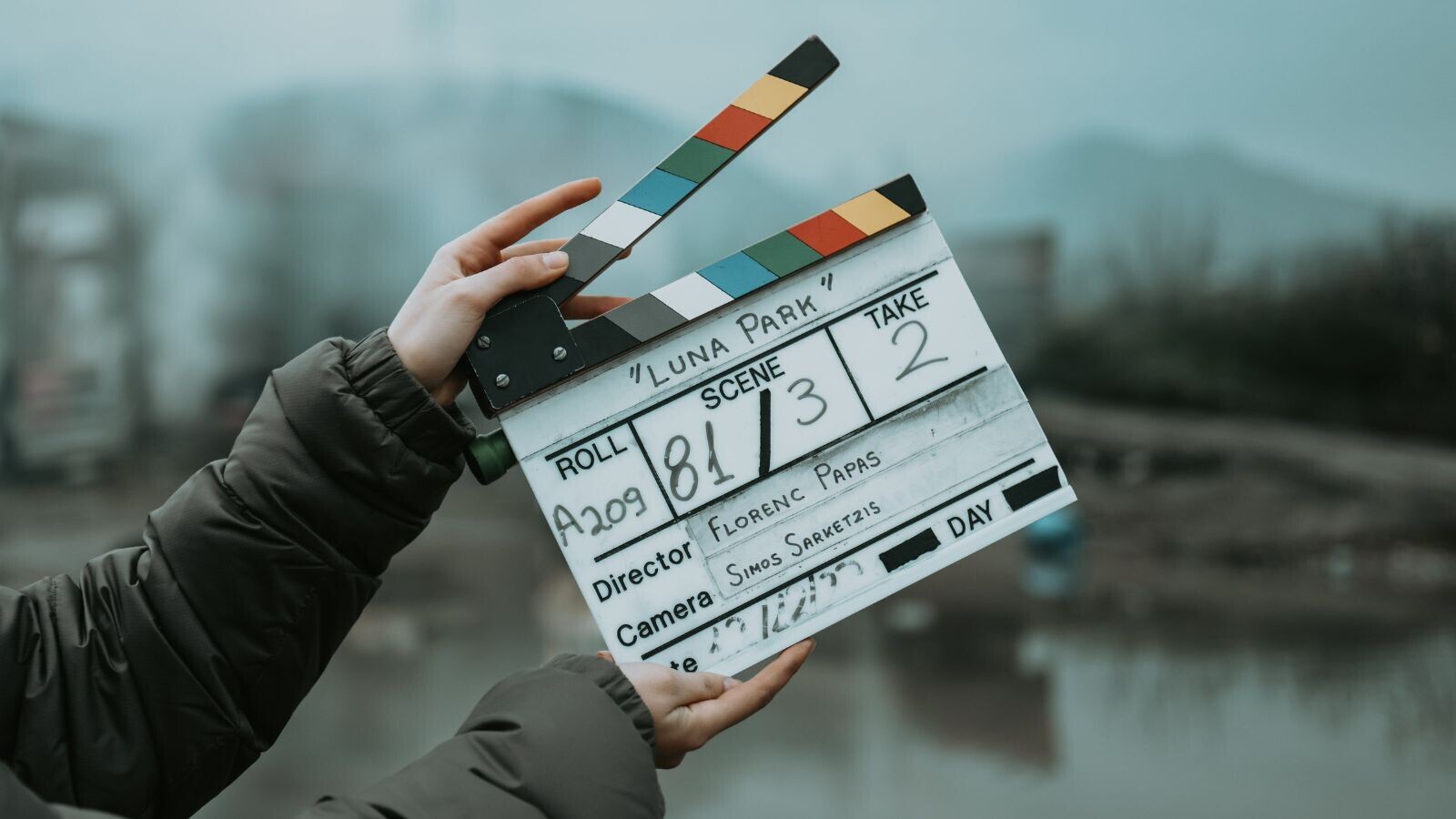
Deleted scenes are Hollywood’s attic: dusty, weird, sometimes embarrassing, and occasionally packed with treasures someone absolutely should not have thrown away. Editors cut scenes for pacing, tone, ratings, runtime, studio notes, or because a rubber octopus looked like it had been assembled during a lunch break. Fair enough. Movies need shape. But every now and then, a deleted scene explains a character, fixes a plot gap, or adds the kind of emotional punch that makes fans point at the screen and yell, “Why was this not in the movie?”
This list looks at 24 deleted scenes they should have left in moviesnot simply because they are cool bonus features, but because they deepen stories, clarify motivations, and sometimes rescue entire character arcs from the cinematic lost-and-found bin. From superhero epics and fantasy trilogies to teen comedies, horror classics, and romantic dramas, these are the movie scenes cut from films that deserved a permanent seat at the table.
Why Deleted Scenes Matter More Than Fans Think
A great deleted scene can change how we understand a film. It can turn a villain into a wounded person, give a hero a stronger reason to act, or make an ending feel earned instead of rushed. Of course, not every removed scene belongs back in the final cut. Some are slow, repetitive, or about as necessary as a fourth fake-out ending. But the best deleted scenes do something special: they make the movie feel more complete.
24 Deleted Scenes That Should Have Stayed
-
1. Harry and Dudley’s Goodbye Harry Potter and the Deathly Hallows: Part 1
The Dursleys leave Privet Drive in the theatrical version with barely a hint of closure, but the deleted goodbye gives Dudley a small, believable moment of growth. When he tells Harry he does not think he is a waste of space, it does not magically erase years of bullying, but it does show that Dudley has matured. The scene also gives Harry a rare emotional victory outside the wizarding world. For a franchise built on chosen family, this tiny handshake mattered.
-
2. Aunt Petunia Remembers Lily Harry Potter and the Deathly Hallows: Part 1
Another lost Dursley moment belongs to Petunia. In the deleted scene, she reminds Harry that he did not only lose a mother the night Voldemort killed LilyPetunia lost a sister. It is a sharp, humanizing beat for a character the films mostly treat as a cartoonish suburban nightmare. Keeping it would not have redeemed Petunia, but it would have added a sad wrinkle to her bitterness. Sometimes one line can do the work of ten flashbacks.
-
3. The Sons of the Steward The Lord of the Rings: The Two Towers
The extended edition scene with Boromir, Faramir, and Denethor is practically character-arc protein. We see Boromir as a charismatic leader, Faramir as the overlooked son, and Denethor as the father who turns love into pressure. It explains why Boromir went to Rivendell and why Faramir is so desperate to “prove his quality.” Without it, Faramir’s pain still works. With it, his entire story lands with the force of a siege engine.
-
4. Saruman’s Fate The Lord of the Rings: The Return of the King
Leaving Saruman out of the theatrical cut of Return of the King is one of the strangest omissions in modern blockbuster history. He is a major villain in the first two films, thenpoofhe is basically absent. The extended scene at Orthanc gives Christopher Lee’s wizard a proper ending and provides closure after the fall of Isengard. The trilogy is already long enough to qualify as a weekend hobby, but this scene earned its minutes.
-
5. Ripley Learns About Her Daughter Aliens
In the special edition of Aliens, Ripley discovers that her daughter Amanda died while Ripley was drifting through space. This scene transforms Ripley’s bond with Newt from strong to devastating. She is not just protecting a child; she is trying, on some level, to answer a loss she can never repair. The theatrical version is still a sci-fi masterpiece, but this deleted scene gives Ripley’s maternal ferocity an even deeper emotional engine.
-
6. The Sentry Guns Aliens
The automated sentry-gun sequence is pure tension candy. As the ammunition counters drop and the unseen xenomorphs keep coming, the scene makes the Marines’ situation feel even more hopeless. It also shows how intelligent and relentless the aliens are; they are not merely movie monsters waiting for their cue. They test defenses, absorb losses, and adapt. The scene is simple, suspenseful, and wonderfully stressfullike watching a printer jam during an office evacuation.
-
7. The T-800’s CPU Reset Terminator 2: Judgment Day
In this deleted scene, Sarah and John remove the T-800’s chip and reset it so he can learn more freely. It is a fascinating turning point because Sarah briefly considers destroying the chip, which would end their protector before he can become more human. The moment strengthens John’s role as moral center and makes the Terminator’s later emotional development feel less automatic. For a movie about changing the future, this scene is the thesis with a screwdriver.
-
8. Kyle Reese Visits Sarah Terminator 2: Judgment Day
Sarah Connor’s dream of Kyle Reese in the hospital adds grief, romance, and psychological pressure to an already intense story. Kyle urges her to protect John, pulling Sarah back toward the mission that has consumed her life. The theatrical cut works without him, but the scene reminds us that Sarah is not just a warrior; she is a widow haunted by love, trauma, and a future nobody else believes in. Linda Hamilton sells every second.
-
9. Seeds of Rebellion Star Wars: Episode III – Revenge of the Sith
The deleted “Seeds of Rebellion” material shows Padmé, Bail Organa, Mon Mothma, and other senators quietly resisting Palpatine’s expanding power. This would have helped Revenge of the Sith connect the fall of the Republic to the birth of the Rebel Alliance. More importantly, it gives Padmé something political and active to do before tragedy overtakes her. Cutting it left a major bridge between trilogies sitting on the cutting room floor, waving politely.
-
10. Luke and Biggs at Tosche Station Star Wars: A New Hope
The early Tatooine scenes with Luke and Biggs Darklighter slow the opening, so the cut makes sense structurally. Still, keeping at least part of Luke’s reunion with Biggs would have added weight to Biggs’s later death during the Death Star assault. In the final film, he is mostly “pilot friend with excellent mustache energy.” The deleted scene makes him a real link to Luke’s old life and a symbol of the future Luke wants.
-
11. Finn Exposes Phasma Star Wars: The Last Jedi
The theatrical fight between Finn and Captain Phasma is visually cool but emotionally thin. The deleted version gives Finn sharper dialogue and reveals Phasma’s hypocrisy: she lowered Starkiller Base’s shields in The Force Awakens to save herself. That accusation turns their duel into a clash of identitiesFinn the deserter who found a cause versus Phasma the loyalist who betrayed hers. It is the kind of character-specific conflict Star Wars fans crave between laser blasts.
-
12. Okoye and W’Kabi Argue Black Panther
This deleted Black Panther scene gives Okoye and W’Kabi’s relationship more room to breathe. Their disagreement over Wakanda’s future reveals love, duty, anger, and political division in one conversation. The final film is already rich, but W’Kabi’s turn toward Killmonger would have felt more layered with this scene intact. It also gives Danai Gurira and Daniel Kaluuya a dramatic face-off worthy of two performers who can say paragraphs with one stare.
-
13. The Avengers Take a Knee Avengers: Endgame
After Tony Stark dies, a deleted scene shows the heroes kneeling in tribute. Some viewers prefer the quieter funeral sequence, and that is reasonable. Still, the kneeling moment has mythic power. It turns the battlefield into a memorial and lets the entire MCU physically acknowledge the man whose selfishness once defined him and whose sacrifice saved everyone. Also, it explains Gamora slipping away, which is useful because disappearing after a funeral-level trauma is bold scheduling.
-
14. Batman Visits Joker in Arkham The Batman
Matt Reeves’s deleted Arkham scene has Batman consult Barry Keoghan’s Joker about the Riddler. It is eerie, intimate, and detective-driven, giving Robert Pattinson’s Batman another chance to investigate rather than simply brood with premium cheekbones. The scene also suggests a prior history between Batman and Joker without hijacking the movie. It may have interrupted the film’s focus, but as a noir character beat, it is deliciously unsettling.
-
15. Miranda Thanks Andy The Devil Wears Prada
The infamous deleted gala scene shows Andy helping defuse an awkward confrontation involving Miranda’s husband, after which Miranda silently mouths “thank you.” Some fans argue it softens Miranda too much. But that is exactly why it is interesting. The scene suggests Miranda notices more than she admits and that Andy is learning to survive Runway’s shark tank. A microscopic moment of gratitude from Miranda Priestly is basically a fireworks display with better tailoring.
-
16. Cady and Regina in the Bathroom Mean Girls
The deleted Spring Fling bathroom scene gives Cady and Regina a surprisingly honest moment before the crown-sharing finale. Regina, injured and medicated, is still Regina, but she also shows a flicker of self-awareness. The scene does not turn the Plastics into saints, which would be suspicious and probably require a federal investigation. Instead, it gives the ending a little more emotional texture and makes Cady’s public gesture feel less random.
-
17. Bill vs. Michael Jai White Kill Bill: Vol. 2
Quentin Tarantino cut a fight scene featuring Bill facing off against a martial artist played by Michael Jai White. The sequence is stylish, funny, and a reminder that Bill is not merely a charming storyteller with a flute and excellent villain posture. He is dangerous. The final film saves Bill’s menace for quieter moments, which works beautifully, but the deleted fight would have added one more pulpy martial-arts flourish before the emotional endgame.
-
18. The Original Ending Little Shop of Horrors
The darker original ending of Little Shop of Horrors, closer to the stage musical, lets Audrey II win and unleash plant chaos on a grand scale. Test audiences wanted something happier, so the theatrical release changed course. But the restored ending is bold, weird, and visually spectacular. It turns the story’s warning about greed into a full monster-movie apocalypse. Sometimes the plant should eat the nice people. Musicals are complicated like that.
-
19. Joel’s Ex-Girlfriend Naomi Eternal Sunshine of the Spotless Mind
Ellen Pompeo filmed scenes as Naomi, Joel’s ex-girlfriend, but they were removed from the final cut. The finished film’s emotional focus on Joel and Clementine is cleaner without Naomi, yet her presence adds complexity to Joel’s loneliness and romantic patterns. She makes the story less like fate pulling two people together and more like a messy human cycle. For a movie about memory, erasure, and repetition, that complication feels painfully appropriate.
-
20. Hollis Mason’s Death Watchmen
The director’s cut restores the death of Hollis Mason, the original Nite Owl. It is brutal, mournful, and important because it connects the superhero past to the ugly present. Hollis is not just a retired costumed figure; he represents a whole era being crushed by the consequences of masked vigilantism. The theatrical cut already has plenty on its plate, but this scene gives Dan Dreiberg’s grief and rage sharper emotional grounding.
-
21. Dani and Christian’s Argument Midsommar
The Midsommar director’s cut includes a longer sequence after a water ritual, leading into a confrontation where Dani pushes back against Christian’s manipulation. This matters because the theatrical cut sometimes leaves Dani’s awareness simmering under the surface. The deleted material makes her emotional intelligence more explicit and Christian’s selfishness harder to dodge. It is uncomfortable, yes, but so is the whole movie. Comfort left the festival on day one.
-
22. “Is That Alright?” at the Wedding A Star Is Born
The encore cut of A Star Is Born adds more music and domestic texture, including Ally singing “Is That Alright?” around the wedding sequence. That addition gives the marriage more tenderness before the story darkens. The theatrical cut is emotionally effective, but the added song lets audiences sit with the couple’s hope a little longer. In a tragedy, hope is not filler. It is the thing that makes the fall hurt.
-
23. Rogue’s Rescue X-Men: Days of Future Past
The “Rogue Cut” restores a subplot in which Rogue becomes more than a cameo. The rescue mission gives the future timeline added urgency and lets Anna Paquin’s character matter to the mechanics of saving history. The theatrical cut is sleeker, but Rogue’s expanded role strengthens the ensemble feeling that made the early X-Men films so beloved. When your movie is about mutant survival, maybe do not hide one of the original mutants in the basement.
-
24. Mia Interviews Vincent Pulp Fiction
In a deleted Pulp Fiction scene, Mia Wallace interviews Vincent Vega with a video camera before their night out fully unfolds. It is playful, odd, and very Tarantino. The scene gives their chemistry more shape and makes Mia feel even more like someone testing the room for weakness, boredom, and entertainment value. The final cut is tighter without it, but the scene is a gem for viewers who enjoy character tension served with a side of cool nonsense.
What These Deleted Scenes Teach Us About Better Storytelling
The best deleted scenes are not always the biggest. A farewell handshake, a brief argument, a half-swallowed “thank you,” or one look at an old photograph can reshape a movie more than another explosion ever could. These moments remind us that storytelling is often built in the margins. Editors trim for speed, but viewers remember meaning. That is why deleted movie scenes continue to fascinate fans years after a film’s release.
Still, this is not an anti-editor manifesto. Editors save movies. Without tough cuts, many beloved films would wander around like tourists who lost the hotel address. The point is balance. When a cut removes repetition, bless the scissors. When it removes emotional logic, fans notice. They may not notice immediately, but years later, when the Blu-ray bonus feature appears, they will sit up and say, “Hold onthis explains everything.”
My Experience Watching Deleted Scenes After the Movie
There is a specific kind of joy in discovering a deleted scene after you already know a movie by heart. It feels like finding a secret room in a house you grew up in. You know the hallway. You know the squeaky floorboard. You know where the story turns left. Then suddenly a door opens, and there is a whole little emotional closet full of context, jokes, motives, and occasionally one deeply questionable monster puppet.
For movie fans, deleted scenes create a second viewing experience. The first viewing is about the finished story. The second is about the road not taken. When I watch a scene like Ripley learning about her daughter in Aliens, I do not think, “This is trivia.” I think, “This changes the temperature of the entire movie.” It makes every protective glance toward Newt ache a little more. It proves that a few minutes of footage can add years of emotional history.
On the other hand, deleted scenes also teach humility. Sometimes we want everything restored because we love the world of the film, not because the movie actually needs it. Fans are greedy in the best possible way. We want the three-hour cut, the four-hour cut, the director’s cut, the extended cut, the “somebody found a VHS in a garage” cut. But a movie is not a storage unit. It has to move. It has to breathe. A great scene can still be wrong for the rhythm of the final film.
That tension is what makes deleted scenes so addictive. They let us argue with the movie in a friendly way. Should The Devil Wears Prada have allowed Miranda to show gratitude? Should Return of the King have paused for Saruman? Should The Last Jedi have given Finn a stronger victory over Phasma? These debates keep films alive long after opening weekend. They turn editing decisions into fan folklore.
Deleted scenes also reveal how fragile storytelling can be. One missing conversation can make a character seem colder than intended. One removed political subplot can shrink a heroine’s agency. One cut goodbye can deny an audience closure it did not realize it needed. That is why the best deleted scenes are not just bonus content; they are alternate emotional maps. They show us that the movies we love could have loved us back in slightly different ways.
So yes, many deleted scenes belong exactly where they are: tucked away in special features, safely supervised by commentary tracks. But the 24 examples above make a strong case that some scenes deserved better than exile. They added heart, logic, suspense, or glorious weirdness. And in a movie world full of remakes, reboots, and extended universes, maybe the most exciting sequel is sometimes just a missing scene finally getting its moment.
Note: This article is a fully rewritten synthesis based on publicly available information about officially released deleted scenes, extended cuts, alternate versions, and home-video bonus materials. No direct source text has been copied.