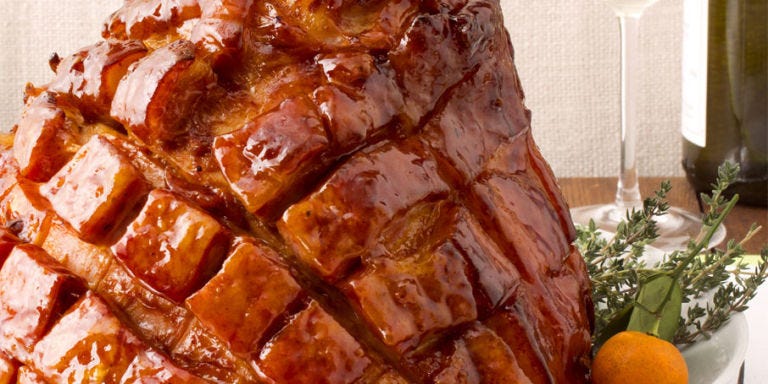
Apricot glazed ham is the holiday main dish that looks like it hired a publicist. It arrives glossy, golden, sweet, salty, and dramatic enough to make the mashed potatoes feel underdressed. The best part? It is much easier than it looks. Most glazed ham recipes rely on a fully cooked ham, which means you are not starting from raw meat. You are gently reheating, flavor-building, glazing, and trying not to nibble the caramelized edges before dinner.
This guide explains how to make the best apricot glazed ham with apricot preserves, brown sugar, mustard, vinegar, warm spices, and a few simple techniques that keep the meat juicy instead of dry. Whether you are cooking for Easter, Christmas, Thanksgiving, Sunday dinner, or a family gathering where everyone “just wants a small slice” and then goes back three times, this apricot ham glaze delivers big flavor without turning your kitchen into a culinary obstacle course.
Why Apricot Glazed Ham Works So Well
Ham is naturally salty, smoky, and savory. Apricot preserves bring sweetness, fruitiness, and a sticky texture that clings beautifully to the surface. Brown sugar deepens the caramel notes, mustard cuts through the richness, and apple cider vinegar adds a bright tang that keeps the glaze from tasting like candy wearing a pork costume.
The secret to a great baked ham with apricot glaze is balance. Sweetness alone can make ham taste flat. Mustard alone can be too sharp. Vinegar alone might make your guests suspicious. But together, they create a glossy glaze that caramelizes in the oven and turns a simple ham into the centerpiece of the meal.
Best Ham to Use for Apricot Glazed Ham
For the easiest version, choose a fully cooked bone-in spiral sliced ham between 8 and 10 pounds. A bone-in ham usually has better flavor and moisture, while spiral slicing makes serving simple. Boneless ham also works, especially if you want neat slices for sandwiches, but it may not feel quite as impressive on the platter.
Avoid confusing fully cooked ham with fresh ham. Fresh ham is raw pork and needs a different cooking method. Most grocery-store holiday hams are city hams, meaning they are cured, smoked, and fully cooked. Your job is to reheat them gently, not roast them into submission. Ham has already had a life; it does not need a second career as jerky.
Spiral-Cut Ham vs. Uncut Ham
Spiral-cut ham is convenient because it is already sliced, but those slices can dry out if the ham is overheated. Keep it covered tightly with foil for most of the baking time. Add a small amount of liquid to the pan, such as apple juice, orange juice, pineapple juice, broth, or water, to create gentle steam.
An uncut bone-in ham stays juicier and gives you more control over carving. If you use an uncut ham, score the fat in a shallow diamond pattern so the apricot glaze has places to settle. Do not cut too deeply; you want the glaze to hug the ham, not move in permanently.
Ingredients for the Best Apricot Ham Glaze
This apricot glaze uses pantry-friendly ingredients and takes only a few minutes to make. It is sweet, tangy, slightly spicy, and glossy enough to make your dinner guests ask whether you secretly attended culinary school.
Main Ingredients
- 1 fully cooked bone-in ham: About 8 to 10 pounds is ideal for a crowd.
- 1 cup apricot preserves: The star ingredient. Use good-quality preserves or jam.
- 1/3 cup light brown sugar: Adds caramel flavor and helps the glaze brown.
- 1/4 cup Dijon mustard: Balances sweetness with sharp, savory depth.
- 2 tablespoons whole grain mustard: Adds texture and a rustic look.
- 2 tablespoons apple cider vinegar: Brightens the glaze and cuts richness.
- 1 tablespoon orange juice: Optional, but it boosts the fruit flavor.
- 1/2 teaspoon ground ginger: Adds warmth without taking over.
- 1/4 teaspoon ground cloves: Classic with ham, but use lightly.
- 1/4 teaspoon black pepper: Keeps the glaze from being too sweet.
You can also add a pinch of cinnamon, a spoonful of honey, a splash of bourbon for adults, or a little crushed red pepper for heat. Keep add-ins modest. The apricot should remain the lead singer, not the backup dancer buried behind too many spices.
How to Make Apricot Glazed Ham
The method is simple: warm the ham low and slow, make the apricot glaze, brush it on near the end, and finish uncovered so the glaze turns sticky and shiny.
Step 1: Bring the Ham Toward Room Temperature
Remove the ham from the refrigerator about 30 to 60 minutes before baking. This helps it heat more evenly. Do not leave it out for hours. We are making dinner, not conducting a science experiment on the counter.
Step 2: Preheat the Oven
Preheat the oven to 325°F. Place a rack in the lower third of the oven so the ham fits comfortably. Line a roasting pan with foil for easier cleanup. Future you will be grateful, especially after the glaze starts acting like edible glue.
Step 3: Prepare the Ham
Place the ham cut-side down in the roasting pan. If it is spiral sliced, try to keep the slices together so they do not dry out. Add 1/2 cup of apple juice, orange juice, pineapple juice, broth, or water to the bottom of the pan. Cover the ham tightly with foil.
If you are using an uncut ham with a fat cap, score the top in a shallow diamond pattern. This creates a beautiful presentation and gives the glaze more surface area to cling to.
Step 4: Bake Gently
Bake the covered ham for about 10 to 15 minutes per pound, depending on the size and shape. A fully cooked, USDA-inspected ham should be reheated to 140°F. Use an instant-read thermometer inserted into the thickest part of the ham, avoiding the bone.
The most common mistake is overheating. Fully cooked ham needs gentle warming, not aggressive roasting. If your ham turns dry, it is usually because it stayed in the oven too long or was left uncovered for too much of the cooking time.
Step 5: Make the Apricot Glaze
While the ham warms, combine apricot preserves, brown sugar, Dijon mustard, whole grain mustard, apple cider vinegar, orange juice, ginger, cloves, and black pepper in a small saucepan. Warm over medium-low heat, stirring until smooth and glossy.
If your preserves have large fruit pieces, you can leave them for texture or strain the glaze for a smoother finish. A slightly chunky glaze looks homemade in the best way, like you put in effort but did not lose your personality.
Step 6: Glaze Near the End
When the ham is almost heated through, remove the foil and brush the glaze all over the surface. For spiral ham, gently brush some glaze between the slices without pulling them apart too much. Return the ham to the oven uncovered for 15 to 25 minutes, brushing with more glaze every 7 to 10 minutes.
Sugary glazes can burn if they are added too early. That is why the apricot glaze goes on near the end. You want caramelized, not scorched. There is a difference between “beautifully lacquered” and “why does the ham smell like a campfire accident?”
Step 7: Rest, Slice, and Serve
Let the ham rest for 10 to 15 minutes before serving. This helps the juices settle and makes carving easier. Transfer to a platter, spoon extra warm glaze over the top, and garnish with orange slices, fresh herbs, or roasted apricots if you want the full magazine-cover effect.
Recipe Card: Apricot Glazed Ham
Ingredients
- 1 fully cooked bone-in spiral ham, 8 to 10 pounds
- 1/2 cup apple juice, orange juice, pineapple juice, broth, or water
- 1 cup apricot preserves
- 1/3 cup light brown sugar, packed
- 1/4 cup Dijon mustard
- 2 tablespoons whole grain mustard
- 2 tablespoons apple cider vinegar
- 1 tablespoon orange juice
- 1/2 teaspoon ground ginger
- 1/4 teaspoon ground cloves
- 1/4 teaspoon black pepper
Instructions
- Preheat oven to 325°F. Line a roasting pan with foil.
- Place ham cut-side down in the pan. Add 1/2 cup liquid to the bottom of the pan.
- Cover tightly with foil and bake until the ham is nearly heated through, about 10 to 15 minutes per pound.
- Meanwhile, combine apricot preserves, brown sugar, mustards, vinegar, orange juice, ginger, cloves, and pepper in a saucepan.
- Warm over medium-low heat, stirring until smooth.
- Remove foil from ham. Brush glaze over the surface and between slices.
- Bake uncovered for 15 to 25 minutes, brushing with additional glaze every 7 to 10 minutes.
- Remove from oven when the ham reaches 140°F. Rest 10 to 15 minutes before serving.
Tips for Juicy Apricot Glazed Ham
Keep It Covered First
Covering the ham with foil traps moisture and prevents the exterior from drying before the inside is warm. The uncovered stage should be short and focused on caramelizing the glaze.
Use a Thermometer
Guessing is risky. A thermometer tells you exactly when the ham is hot enough. For most fully cooked hams, aim for 140°F. If the label gives different instructions, follow the package guidance.
Do Not Boil the Glaze Hard
Warm the glaze until smooth, but do not reduce it into a sticky brick. If it becomes too thick, loosen it with a splash of orange juice, apple juice, or water.
Save Some Glaze for Serving
Reserve a small portion of glaze before brushing the ham, or make extra. Warm apricot mustard glaze served on the side is wonderful with slices of ham, biscuits, rolls, roasted vegetables, and even leftover sandwiches.
Flavor Variations
Once you understand the basic formula, apricot glazed ham is easy to customize. For a citrus version, add orange zest and replace the vinegar with lemon juice. For a smoky version, add a pinch of smoked paprika. For a spicy-sweet glaze, stir in a little hot sauce or crushed red pepper. For a more elegant holiday version, add a splash of bourbon and simmer the glaze for a few minutes to mellow the flavor.
You can also swap apricot preserves with peach preserves, orange marmalade, pineapple preserves, or mango chutney. Apricot remains one of the best choices because it is fruity without being too loud, sweet without being syrupy, and tangy enough to play nicely with mustard.
What to Serve with Apricot Glazed Ham
Apricot glazed ham pairs beautifully with classic holiday side dishes. Serve it with scalloped potatoes, mashed potatoes, roasted carrots, green beans almondine, deviled eggs, dinner rolls, macaroni and cheese, cornbread dressing, or a crisp salad with vinaigrette.
Because the ham is rich and salty, fresh or acidic sides work especially well. Think citrus salad, roasted Brussels sprouts with balsamic vinegar, cranberry relish, pickled onions, or a simple apple slaw. These sides balance the sweetness of the glaze and keep the meal from feeling too heavy.
How Much Ham Per Person?
For bone-in ham, plan on about 1/2 to 3/4 pound per person. For boneless ham, plan on about 1/3 to 1/2 pound per person. If your guests love leftovers, buy extra. Leftover apricot glazed ham is not a problem; it is a breakfast, lunch, and midnight-snack opportunity waiting politely in the refrigerator.
How to Store and Reheat Leftover Ham
Store leftover ham in an airtight container or tightly wrapped in the refrigerator for 3 to 5 days. For longer storage, freeze slices in freezer-safe bags or containers for up to 2 months. Add a little glaze or broth before freezing to help preserve moisture.
To reheat slices, place them in a covered baking dish with a spoonful of glaze, broth, or juice. Warm at 325°F until heated through. You can also reheat small portions in a skillet over low heat. Avoid blasting ham in the microwave until it becomes rubbery. Ham deserves better, and frankly, so do you.
Best Leftover Apricot Glazed Ham Ideas
Leftover ham is one of the best reasons to make a large holiday ham. Use it in ham and cheese sliders, omelets, breakfast casseroles, split pea soup, fried rice, scalloped potatoes, quiche, chef salads, or grilled cheese sandwiches. The apricot glaze adds a subtle sweet-savory flavor that makes leftovers taste intentional rather than recycled.
For a quick lunch, layer ham on a soft roll with Swiss cheese, Dijon mustard, and a spoonful of leftover apricot glaze. Warm until the cheese melts. It tastes like a deli sandwich got dressed up for a holiday party.
Common Mistakes to Avoid
Adding the Glaze Too Early
Apricot preserves and brown sugar contain sugar, which burns if exposed to heat for too long. Add the glaze near the end of baking for the best shine and flavor.
Cooking Instead of Reheating
Most holiday hams are already cooked. Treat them gently. High heat and long baking times can dry out even a good-quality ham.
Skipping the Foil
Foil helps protect the ham during reheating. Save the uncovered baking for the final glaze stage.
Forgetting the Acid
Apple cider vinegar, lemon juice, orange juice, or mustard keeps the glaze balanced. Without acidity, the glaze can taste overly sweet.
Experiences and Practical Lessons from Making Apricot Glazed Ham
The first thing you learn after making apricot glazed ham a few times is that confidence matters, but patience matters more. Ham is forgiving, but it rewards cooks who do not rush. The best version usually happens when you give the meat time to warm gently, keep it covered, and resist the urge to paint on the glaze too soon. That shiny apricot finish is the grand finale, not the opening act.
One helpful experience is to prepare the glaze before the ham needs it. When the oven timer is beeping, side dishes are demanding attention, and someone is asking where the serving spoons are, you do not want to be hunting for mustard. Make the glaze early, keep it warm, and give it a stir before brushing. This small move makes the whole cooking process feel calmer.
Another lesson is that the ham label is your friend. Some hams are spiral sliced, some are not. Some are water-added, some are natural juice, and some are larger than they look when you are standing in the grocery store feeling optimistic. Read the package so you know whether the ham is fully cooked and how much it weighs. Cooking time depends on weight, and guessing can lead to dry meat or a late dinner. Nobody wants guests circling the kitchen like hungry holiday raccoons.
It also helps to choose the right pan. A sturdy roasting pan or large baking dish makes glazing easier. If the pan is too small, the glaze drips everywhere and cleanup becomes a sticky negotiation. Foil lining is not glamorous, but it is practical. Apricot glaze caramelizes beautifully on ham and aggressively on metal. Protect the pan and save your energy for eating.
When serving apricot glazed ham, presentation can be simple. You do not need a professional garnish strategy. A few orange slices, fresh rosemary, parsley, or roasted apricots can make the platter look festive. The glossy glaze does most of the visual work. If the slices shift a little, do not panic. Real food has personality.
The most satisfying part of this recipe is how well it fits different occasions. It feels special enough for Easter or Christmas, but it is easy enough for a weekend family dinner. It also feeds a group generously, which makes it useful when you want a main dish that does not require last-minute stovetop juggling. Put the ham in the oven, make the glaze, finish it near serving time, and let everyone admire the result as if you performed a magic trick with apricot jam.
Finally, the leftovers may become the best part. Apricot glazed ham makes excellent sandwiches, breakfast hash, omelets, soups, and sliders. The sweet-savory coating gives even a simple ham sandwich extra character. In many kitchens, the day-after meal is when people quietly admit they were hoping there would be leftovers all along.
Conclusion
The best apricot glazed ham is juicy, glossy, sweet, tangy, and surprisingly simple. Start with a fully cooked ham, warm it gently under foil, make a balanced glaze with apricot preserves, brown sugar, mustard, vinegar, and spices, then brush it on near the end so it caramelizes without burning. The result is a holiday-worthy main dish with minimal stress and maximum table appeal.
Whether you are feeding a big family, hosting a celebration, or simply craving a classic baked ham with a fruity twist, apricot glazed ham is a dependable recipe that tastes festive without being fussy. It is elegant, practical, and leftover-friendlythe holy trinity of holiday cooking.