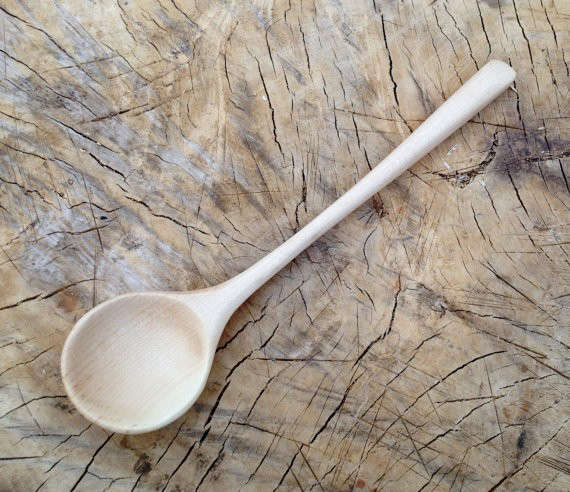
A hand-carved maple cooking spoon is the kind of kitchen tool that does not need a charging cable, a software update, or a 47-page instruction manual. It simply sits in a utensil crock looking humble, then saves dinner when the risotto starts sticking, the soup needs stirring, or the cookie dough decides to behave like wet cement. In a kitchen world full of silicone gadgets, stainless steel tongs, and plastic spatulas with suspiciously short life spans, the maple wooden spoon remains deliciously old-schooland for good reason.
Made from dense hardwood and shaped by hand, a maple cooking spoon offers durability, comfort, beauty, and gentle performance on cookware. It will not scratch nonstick pans, it will not clang against enamel like a tiny kitchen gong, and it will not melt into your tomato sauce like a cheap plastic utensil having an identity crisis. Whether you are a serious home cook, a weekend soup wizard, or someone who believes “homemade” means stirring store-bought sauce with confidence, this classic tool deserves a prime spot beside the stove.
What Is a Hand-Carved Maple Cooking Spoon?
A hand-carved maple cooking spoon is a wooden kitchen utensil shaped from maple wood, usually by an artisan using carving knives, gouges, rasps, sanding tools, and careful finishing methods. Unlike mass-produced spoons that are cut in batches by machines, a hand-carved spoon carries small variations in shape, grain, and feel. That is not a flaw; that is the charm. No two trees grow exactly alike, and no two hand-carved spoons are identical.
The spoon typically includes a rounded or oval bowl for stirring and serving, a tapered handle for comfort, and a smooth finish that feels pleasant in the hand. Some designs are long and narrow for deep pots, while others have wider bowls for folding batter, serving vegetables, or scooping thick stews. Many are finished with food-safe mineral oil, beeswax, walnut oil, or another approved finish that protects the surface without adding unwanted flavors.
Why Maple Wood Is Excellent for Cooking Spoons
Maple is one of the most trusted hardwoods for kitchen tools, cutting boards, butcher blocks, rolling pins, and utensils. Hard maple, sometimes called sugar maple or rock maple, is especially valued because it is dense, strong, and fine-grained. Those qualities matter when a spoon is expected to stir chili, scrape fond from a pan, mix bread dough, and survive years of weeknight dinners without retiring early to the junk drawer.
Maple Has a Tight Grain
The tight, closed grain of maple helps create a smooth surface that is less likely to trap food particles than more open-grained woods. That makes it a smart choice for cooking utensils that touch sauces, soups, eggs, grains, and vegetables. A well-sanded maple spoon feels silky rather than rough, which also makes it easy to clean after use.
It Is Strong Without Being Brutal
Maple is hard enough to handle daily cooking but still gentle enough for cookware. Metal utensils can scratch nonstick coatings, scrape enamel, and create that unpleasant metal-on-pan sound that makes everyone in the house briefly question your life choices. A maple spoon, by contrast, can stir, fold, and scrape without damaging most cookware surfaces.
It Handles Heat Beautifully
Wood is naturally less heat-conductive than metal. That means the handle of a maple spoon stays comfortable longer while stirring hot soup, sauce, oatmeal, or gravy. It is not magicdo not leave any utensil parked in a boiling pot foreverbut it is far more hand-friendly than metal when dinner gets steamy.
It Does Not React with Food
Maple cooking spoons are non-reactive, meaning they will not give acidic foods a metallic taste. Tomato sauce, lemony pan sauces, fruit compotes, and vinegar-based reductions can all be stirred confidently. The spoon will not boss your recipe around; it simply helps bring everything together.
Hand-Carved vs. Factory-Made: What Is the Difference?
A factory-made wooden spoon can be useful, affordable, and perfectly serviceable. But a hand-carved maple cooking spoon adds something more: intention. The maker chooses the blank, reads the grain, shapes the handle, hollows the bowl, refines the edges, and finishes the piece with human judgment. The result often feels more balanced, more tactile, and more personal.
Hand carving also allows subtle ergonomic details. The handle may have a slight curve that rests naturally in the palm. The bowl may be thinner at the edge for better scraping. The neck may be reinforced where stress is greatest. These tiny decisions can turn a simple spoon into the utensil you keep reaching for, even when the drawer is full of other options waving desperately for attention.
Best Uses for a Hand-Carved Maple Cooking Spoon
A hand-carved maple cooking spoon is wonderfully versatile. It can handle delicate dishes and heavy-duty stirring, making it one of the most practical tools in the kitchen.
Stirring Soups and Stews
Maple spoons are ideal for simmering soups, beans, stews, and broths. The rounded bowl moves ingredients gently without bruising vegetables or shredding tender meat. A long-handled version is especially useful for deep stockpots because nobody enjoys steam facials unless they booked one on purpose.
Scraping Sauces and Pan Drippings
When making tomato sauce, gravy, curry, or pan sauce, the edge of a wooden spoon can loosen browned bits from the bottom of a skillet without scratching the surface. This is where flavor lives. Chefs call it fond. Hungry people call it “why this tastes so good.”
Mixing Batter and Dough
A sturdy maple spoon can fold muffin batter, stir pancake mix, and bring cookie dough together. Because maple is strong and smooth, it can handle thick mixtures better than flimsy plastic utensils. If your cookie dough has ever snapped a cheap spoon in half, you already understand the importance of kitchen backbone.
Cooking Eggs and Nonstick-Friendly Foods
Wooden spoons are gentle on nonstick pans, making them useful for scrambled eggs, soft polenta, oatmeal, and creamy risotto. The spoon glides across the surface without gouging the coating, helping cookware last longer.
How to Choose a Quality Hand-Carved Maple Cooking Spoon
Not every wooden spoon is created equal. Some are lifelong kitchen companions. Others look cute online and arrive feeling like a popsicle stick that got promoted too quickly. Here is what to look for when choosing a high-quality hand-carved maple cooking spoon.
Look for Solid Maple Wood
Choose spoons made from a single piece of maple rather than glued sections. A one-piece spoon has fewer weak points and no adhesive seams. Hard maple is excellent for strength and longevity, while soft maple can also work well if carved and finished properly.
Check the Grain Direction
The grain should run along the length of the handle. This improves strength and helps reduce the chance of splitting. Wild grain patterns can be beautiful, but structural integrity matters more than drama. Your spoon should survive chili night, not just pose for Instagram.
Feel the Handle
A good spoon should feel comfortable, balanced, and secure. The handle should not have sharp edges or awkward bumps. Slight asymmetry is normal in hand-carved work, but discomfort is not. If the spoon feels good in your hand, you are more likely to use it daily.
Inspect the Bowl Shape
A deeper bowl is useful for tasting, serving, and scooping. A shallower bowl is better for stirring and folding. Some cooks prefer an oval bowl for general use, while others like a flat-edged spoon for scraping pans. If you cook often, owning more than one shape is not excessive; it is culinary preparedness.
Choose a Food-Safe Finish
The finish should be food-safe and simple. Mineral oil, beeswax, walnut oil, and specialized board creams are common choices. Avoid spoons coated with unknown varnishes, decorative paints on food-contact areas, or finishes that smell strongly chemical.
How to Care for a Maple Wooden Spoon
A hand-carved maple cooking spoon can last for many years with basic care. The routine is simple: wash gently, dry thoroughly, oil occasionally, and keep it out of the dishwasher. In other words, treat it like a small wooden treasurenot like a cereal bowl from a college apartment.
Wash by Hand
After cooking, wash the spoon with warm water, mild dish soap, and a soft sponge or cloth. Avoid soaking it for long periods. Wood can absorb water, and repeated soaking may lead to swelling, warping, cracking, or rough texture.
Dry It Thoroughly
After washing, towel-dry the spoon and let it finish drying in a well-ventilated spot. Do not toss it wet into a drawer where it can sulk in darkness and moisture. Dry wood is happy wood.
Avoid the Dishwasher
Dishwashers expose wood to high heat, harsh detergents, and prolonged moisture. That combination can strip natural oils, raise the grain, cause cracks, and shorten the spoon’s life. The dishwasher may be convenient, but it is not your maple spoon’s friend. It is more like a spa day hosted by a pressure washer.
Oil When the Wood Looks Dry
If the spoon starts looking pale, rough, or thirsty, apply a thin coat of food-grade mineral oil or a food-safe wood conditioner. Let it soak in, then wipe off the excess. Avoid cooking oils such as olive oil or vegetable oil because they can turn rancid over time and leave unpleasant odors.
Handle Stains and Odors Naturally
For mild stains, rub the spoon with coarse salt and lemon, then rinse and dry. For odors, a paste of baking soda and water can help. Do not overdo harsh cleaning methods. The goal is to refresh the spoon, not interrogate it under kitchen police lights.
Is a Maple Spoon Better Than Silicone, Plastic, or Metal?
Each utensil material has its place, but maple offers a rare combination of beauty, durability, and cooking comfort. Silicone is flexible and heat-resistant, but it can stain, hold odors, or feel too soft for serious scraping. Plastic is inexpensive but can warp, melt, or wear out quickly. Metal is strong but risky for nonstick and enameled cookware.
A maple wooden spoon sits comfortably in the middle: sturdy but gentle, natural but practical, beautiful but not fussy. It is excellent for everyday cooking and especially useful for cooks who want fewer disposable tools and more objects that improve with age.
The Beauty of Handmade Kitchen Tools
One of the best things about a hand-carved maple cooking spoon is that it feels personal. You can see the grain, feel the curve of the handle, and notice the tiny differences left by handwork. Over time, the spoon develops a patina from use and care. It becomes smoother, warmer in color, and more familiar.
This is why handmade kitchen tools make excellent gifts. A maple spoon is practical enough for a new apartment, thoughtful enough for a wedding gift, and charming enough for someone who already owns every gadget known to humankind. It says, “I want you to cook well,” without saying, “Here is another appliance that will live in your cabinet forever.”
Sustainability and Longevity
A well-made maple spoon supports a slower, more sustainable approach to kitchen tools. Instead of buying cheap utensils that crack, melt, or get replaced every year, a hand-carved spoon can last for decades with care. Maple is also widely available in North America, and many artisans use responsibly sourced wood, fallen branches, offcuts, or local lumber.
Long-lasting tools reduce waste. They also encourage a different relationship with cooking. When you use a spoon that someone shaped by hand, you tend to slow down a little. You stir the sauce, smell the garlic, taste for salt, and maybe stop treating dinner like an emergency assembly project.
Common Mistakes to Avoid
Even the best maple cooking spoon can suffer from poor habits. The most common mistake is putting it in the dishwasher. The second is leaving it submerged in the sink overnight, where it can absorb water and odors. Another mistake is ignoring dryness until the spoon becomes rough or cracked.
Do not use a hand-carved spoon as a pry bar for frozen food, a hammer for garlic, or a chew toy for an ambitious dog. It is strong, yes, but it is still a kitchen utensil, not a medieval tool of conquest. Use it well, clean it properly, and it will reward you with years of service.
Real Kitchen Experiences with a Hand-Carved Maple Cooking Spoon
The first time you use a hand-carved maple cooking spoon, the difference may feel subtle. It is not going to burst into song or stir the risotto by itself, though frankly that would be a premium feature. What you notice instead is the comfort. The handle sits naturally in your palm. The spoon has enough weight to feel substantial but not so much that stirring a pot of soup becomes an arm workout. It feels like a tool made for hands, not just for packaging.
One of the best experiences with a maple spoon happens during slow cooking. Imagine a pot of caramelized onions on the stove. At first, the pan is full and dramatic, like the onions have organized a protest. As they soften and brown, the spoon moves them gently around the skillet, scraping up the golden bits without damaging the pan. A metal spoon might be too aggressive. A silicone spatula might bend too much. The maple spoon lands right in the sweet spot: firm, gentle, and dependable.
It is also excellent for tomato sauce. The spoon does not react with acidity, and it feels steady when stirring thick sauce near the end of cooking. Over time, the bowl may take on a faint warm tint from tomatoes, spices, and oil. Some people worry about that, but many cooks see it as a badge of honor. A spotless wooden spoon is nice, but a spoon with a little history says, “Yes, I was there for the Sunday sauce.”
Another everyday pleasure is using it with breakfast. Oatmeal, scrambled eggs, pancake batter, and fruit compote all benefit from a wooden spoon’s soft touch. When cooking eggs in a nonstick pan, the maple edge moves curds gently without scratching the coating. When stirring oatmeal, the handle stays comfortable even as steam rises. It is a small thing, but mornings are built from small things. Coffee, a reliable spoon, and not burning breakfastthis is civilization.
Care becomes part of the ritual. After cooking, you wash the spoon by hand, wipe it dry, and set it out to breathe. Every so often, you rub in a little mineral oil or wood conditioner. The grain deepens. The surface feels smooth again. The spoon looks refreshed, like it had a weekend in Vermont and came back emotionally balanced.
A hand-carved maple cooking spoon also changes how people think about kitchen value. It is not disposable. It is not trendy in the flimsy sense. It is useful today, useful tomorrow, and probably useful years from now when half the gadgets in the drawer have lost their attachments, chargers, or dignity. That is the real experience: a quiet, reliable tool that makes cooking feel more grounded. It does not demand attention, but it earns loyalty one pot, one sauce, and one batch of cookie dough at a time.
Conclusion
A hand-carved maple cooking spoon is more than a pretty wooden utensil. It is a durable, cookware-friendly, heat-comfortable, naturally beautiful tool that brings craftsmanship into everyday cooking. Maple’s tight grain, strength, and smooth texture make it especially suitable for stirring soups, scraping sauces, mixing batter, cooking eggs, and serving hearty meals. With simple carehand washing, thorough drying, and occasional oilingit can last for years and become one of the most trusted tools in the kitchen.
In a world where kitchen gadgets often promise miracles and deliver clutter, the maple spoon remains refreshingly honest. It stirs. It scrapes. It serves. It feels good in the hand. And unlike that avocado slicer hiding in the back of the drawer, it earns its keep every single week.
Note: This article was written in original standard American English and synthesized from reputable U.S. food-safety, cooking, wood-care, and woodworking information without inserting source links or citation artifacts.