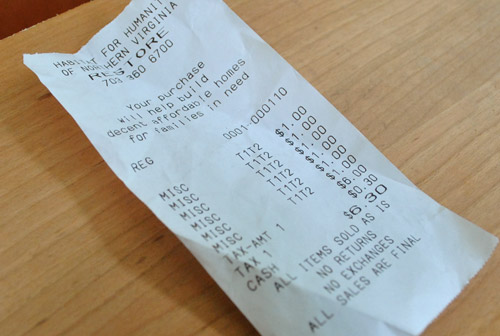
There are few thrills in home improvement more dramatic than spotting a secondhand cabinet with a tiny price tag and thinking, “Surely that sticker is missing a zero.” And yet, every so often, the home-renovation gods smile, the fluorescent lights flicker in your favor, and there it is: a cabinet for $6. Not six hundred. Not sixty. Six. Dollars. At that price, even your coffee order starts feeling financially irresponsible.
But finding secondhand cabinets for $6 is not just about luck. It is about timing, patience, a decent eye for quality, and the willingness to look past grime, old hardware, and paint colors that can only be described as “retired dentist beige.” The good news is that cheap used cabinets can be turned into beautiful, practical storage. The better news is that even when a cabinet is not perfect for a kitchen, it can still become a star in a laundry room, garage, mudroom, pantry, craft room, or home office.
This guide breaks down how to find secondhand cabinets for next to nothing, what separates a real bargain from a future headache, and how to transform a low-cost cabinet into something that looks far more expensive than the price tag suggests. Because a $6 cabinet is not just furniture. It is a lifestyle. A slightly dusty lifestyle, but still.
Why a $6 Cabinet Is Such a Big Deal
Cabinets are often one of the biggest expenses in any kitchen or bathroom update. That is why finding a secondhand cabinet for $6 feels like winning a tiny, oddly specific lottery. Even one inexpensive cabinet can solve a storage problem, create a custom look, or serve as the starting point for a larger makeover.
The value is not only in the sticker price. Secondhand cabinets often offer details that are hard to find at budget prices today: solid wood doors, stronger joinery, older craftsmanship, and proportions that feel more substantial than many mass-market options. Some are rough around the edges, sure. But plenty are structurally solid and just need cleaning, paint, or new hardware to earn a second act.
A low-cost cabinet also lowers the emotional stakes. When you buy something brand-new and pricey, every change feels terrifying. With a thrifted cabinet, you can experiment. Paint it navy. Swap the pulls. Remove the door fronts. Add wallpaper to the back. Turn it into a coffee bar, a charging station, or a bathroom vanity. If it cost you six bucks, you are suddenly much braver. This is how great DIY stories begin.
Where to Find Secondhand Cabinets for Cheap
1. Habitat ReStore and Other Building-Material Reuse Stores
If you are serious about finding secondhand cabinets for $6, building-material reuse stores should be near the top of your list. Habitat ReStore locations and local architectural salvage shops often receive donated kitchen cabinets, bathroom vanities, cabinet doors, hardware, and even showroom displays. Inventory changes constantly, which is both thrilling and mildly chaotic. One day there is nothing but a lonely laminate shelf; the next day there is a full set of upper cabinets just waiting for someone with a tape measure and good reflexes.
These stores are especially useful because the prices are usually set to move inventory fast. A single wall cabinet, small base cabinet, or imperfect piece can absolutely dip into impulse-purchase territory. That is where the magic happens. Cabinets with cosmetic flaws, mismatched finishes, or missing hardware are often the ones tagged cheapest, and those are exactly the pieces creative buyers love.
2. Facebook Marketplace, Craigslist, and Local Classifieds
Online local resale platforms are where many people unload cabinets after a remodel. Sometimes sellers list a whole kitchen set. Sometimes they just want one stray cabinet gone before it continues haunting the garage. Search broadly using terms like “used cabinets,” “salvage cabinet,” “bathroom vanity,” “garage cabinet,” “kitchen cabinet,” and “free cabinet.” The best deals are often poorly photographed, vaguely titled, and listed by someone who clearly wants the item out of the driveway by sunset.
This is where the $6 deal lives. Not every seller is trying to maximize profit. Some just want convenience. If a cabinet is older, scuffed, or separated from the rest of a set, the price can drop dramatically.
3. Garage Sales, Estate Sales, and Moving Sales
Weekend sales are ideal for buyers who do not mind a little dirt and a lot of randomness. Small cabinets, pie safes, utility cabinets, old medicine cabinets, and freestanding storage pieces often show up at these sales for shockingly low prices. Late-day shopping helps, too. Sellers become much more philosophical about pricing once they realize they still have to carry the cabinet back inside if nobody buys it.
4. Demolition Projects and Curbside Opportunities
Homeowners doing renovations sometimes give away old cabinets for free or almost free, especially if the cabinets are still usable but no longer fit the new design. If your area allows bulk pickup or curb alerts, keep your eyes open. A curbside cabinet will not always be glamorous, but glamorous is overrated when storage is $6.
5. Showroom and Display Sales
Display cabinets from kitchen showrooms can be deeply discounted when styles rotate or floor layouts change. These pieces may have higher-end features than typical thrift finds and can work well in laundry rooms, home offices, or garages even if they do not fit a full kitchen layout. One display cabinet with good bones can become the most useful thing in your house.
How to Tell if a Cheap Cabinet Is a Treasure or a Trap
Price matters, but condition matters more. A cabinet that costs $6 and falls apart at home is not a bargain. It is a life lesson. Before buying, inspect these details carefully.
Check the Cabinet Box First
The cabinet box is the body of the piece. If the box is badly warped, swollen, split, or soft from moisture, walk away unless you are buying it for parts. Water damage is one of the biggest red flags with secondhand cabinets, especially around the sink area, the bottom edges, and the back panel. Press gently on suspicious spots. If the surface feels puffy, crumbly, or weak, that cabinet has probably lived through things.
Look at the Doors and Drawer Fronts
Minor scratches, dated paint, and ugly hardware are easy to fix. Peeling veneer, cracked panels, or badly misaligned doors are more annoying. They are not always deal-breakers, but they add time and cost. Make sure doors open and close properly, and check whether the fronts are solid wood, veneer over composite material, or laminate. Solid wood usually gives you more refinishing options.
Test Drawers, Slides, and Hinges
Open every drawer. Tug gently. If it sticks, sags, or feels loose, inspect the slides. Better-built cabinets often have sturdier drawers and smoother glides. Hardware can usually be replaced, but if the drawer box itself is poorly built or damaged, repairs may not be worth the effort. Hinges are another clue: loose hinges are easy, torn screw holes are less charming.
Sniff for Trouble
Yes, really. Cabinets absorb odors. Smoke, mildew, pests, and mystery garage funk can linger. A surface-level smell may clean up, but deep odor problems can be stubborn. If a cabinet smells like it has been storing wet soccer gear and regret since 2009, think carefully.
Watch for Paint Safety Issues
If you are dealing with an older painted cabinet, especially one that may have come from a pre-1978 home, be cautious before sanding, scraping, or disturbing the finish. Lead-safe renovation practices matter. That does not mean you cannot buy the cabinet. It means you need to handle prep work responsibly and avoid acting like a random orbital sander is a personality trait.
The Best Types of Secondhand Cabinets to Buy
Not every cabinet is equally worth rescuing. Some materials and styles hold up better than others.
Solid Wood Cabinets
These are often the gold standard for secondhand shopping. They can usually be sanded, stained, painted, or repaired more easily than cheaper materials. Even when they look tired, they often bounce back beautifully.
Plywood-Box Cabinets
Plywood boxes tend to be sturdier than flimsy particleboard alternatives. If the box is straight and dry, it is usually worth considering. Strong construction matters, especially if the cabinet will store heavy kitchenware, tools, or pantry staples.
Laminate Cabinets in Good Shape
Laminate gets a bad reputation, but a laminate cabinet with a solid structure can still be a smart buy. It may not be ideal for every refinishing approach, yet it can work well as utility storage, especially if the surface is intact and clean.
Standalone Cabinets and Odd Singles
Single cabinets are often the cheapest because they do not belong to a full matching set. That is exactly why they are so useful. One upper cabinet can become laundry storage. One base cabinet can anchor a potting bench. One narrow cabinet can become a pull-out pantry lookalike with some shelves and determination.
How to Make a $6 Cabinet Look Expensive
This is the part where a sad little thrifted cabinet becomes the overachiever of your home.
Start With a Deep Clean
Grease, wax, dust, and kitchen residue need to go before any makeover begins. Cleaning is boring but transformative. A cabinet can look ten years younger after a serious scrub. It can also smell less like old casserole, which helps.
Repair Before You Beautify
Tighten loose hinges, fill small holes, glue minor separations, and replace missing screws before painting or styling. Cosmetic upgrades work best when the cabinet functions well first. Beauty is great. A drawer that actually closes is better.
Paint Strategically
Paint is one of the fastest ways to modernize a secondhand cabinet. Soft white, warm greige, muted green, charcoal, navy, and deep black are all popular for a reason: they hide age well and make old shapes look more intentional. If the cabinet has interesting wood grain, a stain refresh may be even better than paint. If it is laminate, use the right prep and products so the finish lasts.
Swap the Hardware
New pulls and knobs are tiny details with a huge visual payoff. This is often the moment when a thrifted cabinet stops looking rescued and starts looking curated. Vintage brass, matte black, brushed nickel, and simple wood knobs can all work depending on the style you want.
Add Personality
Line the back with wallpaper. Replace glass inserts with cane or metal mesh. Add feet to make a boxy cabinet feel like furniture. Install a wood top. Use baskets inside for cleaner storage. Good styling is not cheating. It is strategy.
Smart Places to Use Secondhand Cabinets Beyond the Kitchen
One of the best things about finding secondhand cabinets for $6 is that they do not have to go back into a kitchen.
- Laundry room: Great for detergents, cleaning supplies, and linens.
- Garage: Perfect for tools, paint cans, extension cords, and sports gear.
- Mudroom: Base cabinets can support a bench top, while uppers corral hats and bags.
- Bathroom: Small cabinets can hold toiletries, towels, and backup supplies.
- Home office: A base cabinet plus a countertop can create a low-cost desk setup.
- Pantry overflow: Ideal for small appliances, dry goods, and serving pieces.
- Craft room: Cabinets hide mess better than open shelves, which is a public service.
Repurposing is often where the best thrifted cabinet wins happen. You may not find the exact size and style for a dream kitchen, but you might find the perfect piece to solve a storage problem elsewhere in the house.
The Hidden Costs You Should Factor In
A $6 cabinet is exciting, but the total cost may rise once you add supplies and repairs. Paint, primer, cleaning materials, replacement hinges, shelf liners, hardware, and transport can all add up. That still does not mean the project is not worth it. It just means the smartest bargain hunters think in terms of final value, not just purchase price.
Ask yourself a few questions before buying:
- Do I have space to store this while I work on it?
- Can I transport it without damaging it?
- Do I need to buy tools or supplies?
- Will it still be a bargain after repairs?
- Does it solve a real problem in my home?
If the answer to that last question is yes, you are probably on the right track. The cheapest cabinet is not always the best one. The best one is the cabinet that becomes genuinely useful.
When to Walk Away
Not every thrifted cabinet deserves a heroic rescue montage. Pass on cabinets with major water swelling, structural instability, severe odor, pest damage, or so many missing parts that you would basically be rebuilding the furniture from memory and spite. Also skip anything that fits your space only if you “just move three walls and learn advanced carpentry.”
The right secondhand cabinet should feel like an opportunity, not a punishment.
Final Thoughts on Finding Secondhand Cabinets for $6
Finding secondhand cabinets for $6 is part treasure hunt, part practical design strategy, and part test of your ability to see potential under layers of dust. The best buyers know how to measure quickly, inspect carefully, and imagine creatively. They understand that beautiful storage does not always come from a showroom. Sometimes it comes from a reuse store, a garage sale, or a poorly lit online listing with one blurry photo and the deeply poetic description, “cabnit good.”
If you are patient, flexible, and willing to do a little cleanup, a thrifted cabinet can deliver incredible value. It can save money, reduce waste, add character, and solve storage problems in a way that feels personal rather than cookie-cutter. And if you happen to find one for $6, buy it fast. Then try to act normal about it, even though you will absolutely be bragging about that cabinet for years.
What the $6 Cabinet Hunt Really Feels Like: A Realistic Experience-Based Look
People imagine secondhand shopping as one magical moment where you walk into a store, lock eyes with a perfect cabinet, and glide home victorious like the star of a renovation show. In real life, finding secondhand cabinets for $6 is usually messier, funnier, and way more human than that. It starts with a lot of near misses. You see a cabinet online that looks charming, then realize the door is hanging on by one screw and optimism. You drive to a reuse store for one item and leave with nothing but a doorknob and a new opinion about particleboard. You learn that “vintage patina” and “sticky kitchen grease” are not actually the same thing.
Then one day, the good find appears. Maybe it is a small upper cabinet tucked under a pile of random trim boards. Maybe it is a bathroom vanity missing a knob. Maybe it is a freestanding utility cabinet with a terrible paint job and excellent bones. The low price is what gets your attention, but the details are what make you commit. The frame feels sturdy. The door still closes. The shelf inside is intact. Suddenly you are doing extremely serious mental math over six dollars like a person negotiating a commercial real-estate deal.
Bringing it home is the next chapter. The cabinet always looks dirtier in daylight. This is a law of nature. You wipe it down once and the rag becomes a biography of everyone who has ever cooked near it. You tighten a hinge, remove old shelf paper, and discover the original finish is actually nicer than you thought. Or maybe it is not nicer, but paint exists for a reason. A lot of secondhand cabinet success comes from this exact moment: the shift from “Why did I buy this weird little box?” to “Wait, this could actually be great.”
What surprises many people is how satisfying the process becomes. Because the cabinet was cheap, you feel free to experiment. You test a new paint color. You swap the hardware. You line the inside with peel-and-stick paper. You use a leftover wood panel for the top. It stops being just a purchase and becomes a project with personality. Unlike buying something brand-new, a thrifted cabinet often ends up feeling earned. You noticed it, rescued it, fixed it, and gave it a purpose.
The practical payoff is real, too. A $6 cabinet in the laundry room can make detergents disappear from sight. In a garage, it can tame the chaos of tools, gloves, and extension cords. In a bathroom, it can hold towels and toiletries like it has been preparing for this role all its life. In a pantry corner, it can store bulky appliances that used to colonize your counters. One small cabinet can make a room feel more organized than a dozen decorative baskets ever could.
The biggest lesson people learn from experiences like this is that secondhand shopping rewards flexibility more than perfectionism. If you insist on finding a cabinet in the exact width, exact style, exact finish, and exact shade of your dream kitchen mood board, the process can feel frustrating. But if you focus on structure, usefulness, and potential, the hunt becomes much more exciting. You stop asking, “Is this exactly what I planned?” and start asking, “Could this become something great?” That question is where all the best budget decorating stories begin.
So yes, finding secondhand cabinets for $6 can absolutely happen. It is not a myth, and it is not reserved for professional decorators with warehouse-sized garages. It is usually the result of being observant, moving quickly, and seeing beyond cosmetics. The experience is part bargain, part creativity, part elbow grease, and part pure delight. And once you score one truly excellent cabinet for the price of a sandwich, you will never look at a dusty corner of a reuse store the same way again.