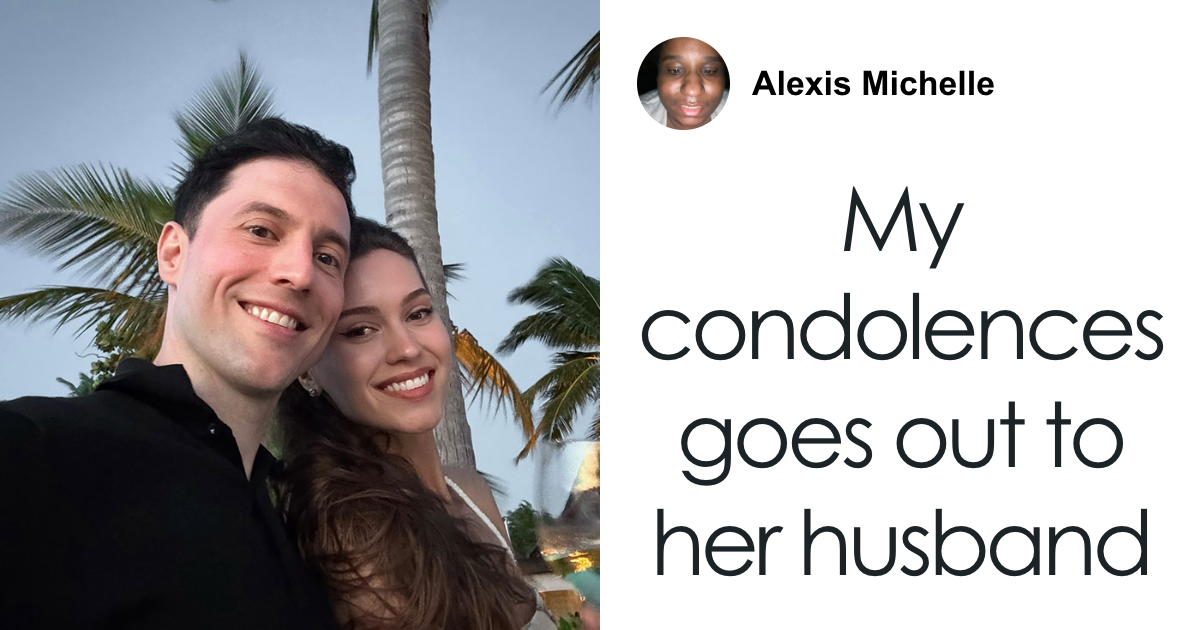
Former Miss Universe contestant Kseniya Alexandrova has died at 30 after a shocking elk collision in Russia, a tragedy that turned a routine road trip into an unimaginable loss for her family, fans, and the global pageant community.
The Russian model, psychologist, and former beauty queen was traveling with her husband in the Tver Oblast region when an elk suddenly entered the roadway and collided with their car. The accident happened on July 5, 2025, on the M-9 highway, according to multiple reports. Alexandrova suffered severe injuries and remained hospitalized before her death was reported in August.
The story spread quickly because it sounded almost impossible: a former Miss Universe contestant, newly married, seated beside her husband, struck in what officials and witnesses described as a freak accident involving a large wild animal. It was the kind of tragedy that makes readers pause, not because it belongs in a movie, but because it happened during an ordinary drive home.
Who Was Kseniya Alexandrova?
Kseniya Alexandrova was best known internationally for representing Russia at the Miss Universe 2017 pageant. Before that, she earned recognition as first runner-up at Miss Russia 2017, a placement that helped launch her onto the global pageant stage.
But describing her only as a beauty queen would miss half the story. Alexandrova was also a professional model, television personality, and practicing psychologist. She worked in the fashion industry for years and later built a career connected to mental health and personal development. In other words, she was not simply someone who walked across a stage in a crown-worthy gown. She was building a life that mixed glamour, study, work, and purpose.
Her modeling agency, Modus Vivendis, remembered her as graceful, bright, and deeply loved. The Miss Universe Organization also paid tribute after her death, honoring her presence in the pageant community. Friends, fans, and fellow contestants shared condolences online, turning social media into a digital memorial wall.
What Happened In The Elk Collision?
The fatal crash occurred while Alexandrova and her husband, Ilya, were reportedly returning from Rzhev in Russia’s Tver Oblast region. Ilya was driving, and Alexandrova was in the passenger seat. According to reports, an elk suddenly appeared in front of their Porsche Panamera, leaving almost no time to react.
Large-animal collisions are terrifying because they unfold in seconds. One moment the road is clear; the next, a massive animal is directly in the path of the vehicle. Elk are powerful animals, much larger than most drivers expect, and their height can make collisions especially dangerous for people inside lower vehicles.
Reports say Alexandrova suffered severe head trauma in the crash. She was taken for emergency medical care and remained in serious condition for weeks. Her husband survived the accident.
Out of respect for Alexandrova and her family, the important point is not the graphic nature of the crash. The important point is how suddenly life changed. A normal drive became a tragedy before anyone could process what was happening.
Why People Are Calling It A “Freak Accident”
The phrase “freak accident” gets used often online, sometimes too casually. In this case, it fits because the chain of events was so abrupt and difficult to avoid. Reports said the elk appeared suddenly, and the driver had only a split second to respond.
Wildlife collisions can feel random, but they are not rare. In the United States, transportation safety research has long warned that collisions between vehicles and large animals happen in huge numbers each year. Deer are the most common animals involved, but elk and moose collisions can be especially dangerous because of their size.
Think of it this way: a squirrel darting across the road is stressful. A deer is dangerous. An elk is a full-size “nature has entered the chat” situation. Drivers can do everything rightwear seat belts, obey the speed limit, stay sober, keep both hands on the wheeland still be caught in a moment where physics is very much not taking requests.
The Pageant World Reacts
After news of Alexandrova’s death spread, the pageant world responded with shock and sadness. Former contestants, agencies, and fans remembered her as more than a titleholder. She was described as kind, elegant, thoughtful, and full of life.
Beauty pageants are often judged from the outside as sparkly competitions full of gowns, interviews, and perfectly sprayed hair. And yes, there is enough hairspray backstage to negotiate with a small weather system. But for many contestants, pageantry is also a network, a career platform, and a lifelong community. When one contestant dies young, especially in such a sudden way, that community feels it.
Alexandrova’s Miss Universe journey placed her among women from around the world. Although she did not place in the Top 16 at Miss Universe 2017, her appearance on that stage became part of her public legacy. For fans who followed that year’s pageant, her death brought back memories of a young woman representing her country with confidence and polish.
A Life Beyond The Spotlight
One reason Alexandrova’s story has resonated is that her life was still unfolding. She had recently married, and reports noted that she and her husband had only been married for several months before the accident.
Marriage adds another emotional layer to the tragedy. The early months of marriage are usually full of plans: trips, routines, inside jokes, furniture debates, and the discovery that two adults can have wildly different opinions about how many pillows belong on a bed. Alexandrova and her husband should have been in that chapterordinary, hopeful, and slightly chaotic in the best way.
Instead, her death became a reminder that public figures are still private people with families, unfinished plans, and daily lives far removed from headlines. The crown, the photoshoots, the pageant clips, and the red-carpet images are only one part of the person.
Why Elk Collisions Can Be So Dangerous
Elk are not just “big deer.” Adult elk can be extremely large, heavy, and tall. In a collision, their body height can cause them to hit the upper portion of a vehicle rather than the bumper area alone. That creates a serious risk for people inside the cabin.
In North America, road-safety organizations often warn drivers to be especially careful around dawn and dusk, when many animals are more active. Rural roads, forested highways, and roads near fields or water sources can carry higher risks. Wildlife warning signs are not roadside decorations; they are the highway’s polite way of saying, “Please do not test your reaction time against a 700-pound animal.”
Common Wildlife Collision Risk Factors
Wildlife collisions are more likely when visibility is low, traffic is light enough for animals to cross, and roads cut through habitat. Seasonal movement, mating periods, and feeding patterns can also increase animal activity near highways.
Drivers should be extra careful in areas marked by animal-crossing signs. These signs are usually placed where collisions have happened before or where animal movement is common. They are not there because someone in the transportation department had leftover signposts and a fondness for deer silhouettes.
What Drivers Can Learn From This Tragedy
No safety tip can guarantee protection from a sudden wildlife collision, and it would be unfair to imply that every accident can be prevented. Still, tragedies like this can make drivers more aware of risks that are easy to underestimate.
First, slow down in wildlife zones. Speed affects reaction time and crash severity. Second, scan the shoulders of the road, not only the lane ahead. Animals often appear at the edges before crossing. Third, use high beams when appropriate and safe, especially on dark rural roads. Fourth, remember that animals often travel in groups. If one crosses, another may follow with the timing of a badly planned surprise party.
Most experts advise against sharp swerving because it can lead to rollovers or collisions with other vehicles. When a crash cannot be avoided, controlled braking while staying in the lane is often safer than a panic maneuver. Seat belts also matter. They cannot prevent every injury, but they remain one of the most important protections drivers and passengers have.
The Bigger Road-Safety Picture
Wildlife-vehicle collisions are not only personal tragedies. They are also a major transportation and environmental issue. In the United States, agencies and conservation groups have studied wildlife crossings, fencing, underpasses, and overpasses designed to guide animals safely across highways.
These projects may sound expensive until you compare them with the cost of repeated crashes, emergency responses, vehicle damage, injuries, and animal deaths. A good wildlife crossing is basically a bridge that says, “Everyone gets home alive, including the elk.” That is the kind of infrastructure that deserves applause and possibly a tiny ribbon-cutting ceremony attended by very confused deer.
States with high rates of deer, elk, or moose movement have increasingly looked at wildlife corridors as a safety tool. When fencing is paired with crossings, animals are guided toward safer routes instead of wandering directly into traffic. The result can protect both drivers and ecosystems.
How Media Should Cover Tragic Accidents Respectfully
Stories involving celebrities, beauty queens, and shocking accidents often attract intense attention. Search engines reward dramatic headlines, and readers click because the details sound unbelievable. But responsible coverage should avoid turning a person’s final moments into spectacle.
The headline may mention a “gruesome elk collision,” but the article should remember the human being at the center of the story. Alexandrova was not merely “the woman in the crash.” She was a daughter, wife, colleague, public figure, and professional with a life far bigger than one terrible moment.
Good reporting can balance public curiosity with dignity. It can explain what happened, offer context, and discuss safety without lingering on disturbing details. That is especially important when families are grieving and when young readers may encounter the story online.
Why This Story Resonated Worldwide
Alexandrova’s death drew global attention because it combined several elements that feel emotionally overwhelming: youth, beauty, fame, marriage, sudden danger, and the randomness of the road. People are often shaken by accidents that seem to arrive from nowhere because they challenge our comforting belief that normal days stay normal.
Many readers saw the story and thought about their own commutes, road trips, or late-night drives through wooded areas. Others remembered near-misses with deer or other animals. Some simply felt sadness that a woman with so much ahead of her died at only 30.
That reaction is natural. Public tragedies can become private mirrors. We read about someone else’s loss and briefly notice the fragile machinery of our own routines: the car keys, the seat belt click, the familiar road, the ordinary trip we assume will end exactly as planned.
Experiences And Reflections Related To Wildlife Road Accidents
Anyone who has driven through rural roads at night knows the strange suspense of headlights meeting darkness. The road looks empty until suddenly it is not. A pair of eyes flashes at the shoulder. A shape moves near the tree line. Your brain, which was peacefully thinking about snacks or tomorrow’s schedule, instantly becomes a wildlife-identification department.
For many drivers, the closest call happens with deer. A deer can stand still at the edge of the road as if it is politely waiting for traffic, then leap directly into the lane at the worst possible second. It is one of nature’s least helpful talents. Elk and moose create an even greater risk because they are larger and harder to see fully in low light. Their bodies may be above the beam of the headlights, while their legs blend into shadows.
One common experience after a near-miss is delayed fear. In the moment, drivers react automatically: brake, grip the wheel, breathe like they just ran a marathon while sitting down. The real shock often arrives minutes later, when the heart finally catches up and says, “Excuse me, we almost had a very bad day.” That emotional aftershock is part of why wildlife collisions stay in people’s memories.
Passengers experience it differently. They may see the animal first and shout, or they may only feel the sudden braking. In either case, it reminds everyone in the vehicle that road safety is shared. A passenger who stays alert, avoids distracting the driver, and helps watch for hazards can make a difference, especially on long rural drives.
Families who travel through mountain roads, forest highways, or open countryside often develop their own safety habits. Some avoid driving at dusk when possible. Some slow down near known crossing areas even when traffic behind them gets impatient. Some keep conversations calmer on dark roads so the driver can focus. These habits are not dramatic, but safety usually is not dramatic. Safety is boring on purposeand boring is wonderful when the alternative is a headline.
Another lesson is that wildlife safety is not only about drivers. Communities can help by supporting better road design, clearer warning signs, animal crossings, and habitat planning. Roads often cut through migration routes and feeding areas that existed long before the asphalt arrived. When humans build highways across animal paths, we inherit responsibility for reducing the danger.
Alexandrova’s accident is heartbreaking because it appears to have happened too quickly for ordinary caution to change the outcome. Still, remembering her story can encourage broader awareness. Drivers can slow down in wildlife zones. Transportation planners can invest in crossings. Readers can resist sensationalism and focus on compassion. And everyone can treat the next quiet road through the trees with a little more respect.
Conclusion
Kseniya Alexandrova’s death after an elk collision was a devastating loss for her loved ones and for the international pageant community. She was only 30, newly married, and known not just for her Miss Universe appearance but also for her work as a model and psychologist.
The accident also highlights a serious road-safety issue that affects drivers around the world. Wildlife collisions may sound rare until they happen close to home. While not every tragedy can be prevented, awareness, cautious driving, better infrastructure, and respectful reporting can all help.
Her story should be remembered with dignity: not only as a shocking accident, but as the loss of a young woman whose life included ambition, beauty, intelligence, love, and promise.