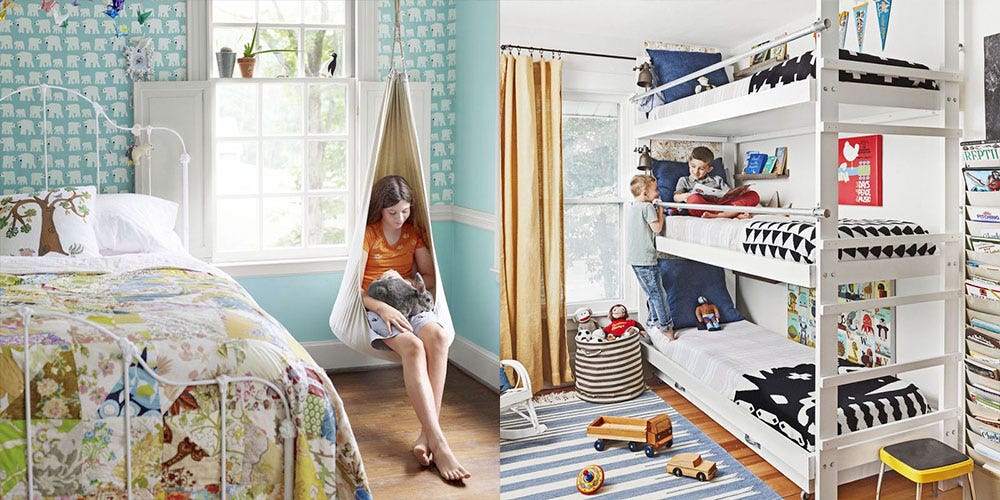
Designing a kid’s bedroom is a lot like negotiating with a tiny CEO who accepts payment in stickers, snacks, and very strong opinions about dinosaurs. One minute they want a princess castle, the next minute they are “more into space now,” and by bedtime they have decided their room needs a stage, a jungle, and a secret reading cave. The good news? The best kids room ideas do not require a mansion, a design degree, or a budget that makes your wallet quietly leave the room.
A great children’s bedroom should do four things well: support sleep, encourage creativity, handle clutter, and grow with the child. That means your decorating makeover should balance fun with function. Yes, wallpapered ceilings and rainbow rugs are delightful, but so are anchored dressers, washable paint, labeled bins, and furniture that can survive a juice-box incident with dignity.
Below are 30+ DIY boys and girls bedroom decorating ideas that work for nurseries, toddler rooms, shared sibling spaces, small bedrooms, tween retreats, and “please stop leaving socks in the hallway” situations. Use them as a full makeover plan or pick three quick updates for a weekend refresh.
Start With a Kid-Friendly Room Plan
1. Divide the Room Into Sleep, Play, Study, and Storage Zones
Before buying paint or bedding, map the room by activity. A bed zone should feel calm. A play zone should be open enough for building blocks, pretend restaurants, or whatever mysterious floor-based project is happening today. A study zone needs lighting and supplies. A storage zone should be easy enough for kids to use without an adult translating the system like ancient scrolls.
2. Choose a Flexible Theme Instead of a One-Week Obsession
Themed kids rooms are adorable, but children change interests quickly. Instead of painting an entire wall around one cartoon character, build a flexible theme: “adventure,” “garden,” “ocean,” “outer space,” “sports,” “art studio,” or “cozy cabin.” Use removable decals, bedding, pillows, framed prints, and accessories to carry the theme. When your child moves from rockets to reptiles, you can switch decor without repainting the whole solar system.
3. Make Safety Part of the Design
Pretty is wonderful. Safe is non-negotiable. Anchor dressers, bookshelves, wardrobes, and TVs to the wall. Keep blind cords out of reach, avoid overloaded outlets, and use age-appropriate furniture. For babies, keep the crib clear of pillows, loose blankets, bumper pads, and stuffed animals. A safe room is the design trend that never goes out of style.
30+ DIY Kids Room Ideas for Boys and Girls
4. Paint a Half-Wall for Instant Personality
A half-painted wall is one of the easiest DIY kids bedroom makeover ideas. Paint the lower half in a durable color and keep the upper half light and airy. This adds color without overwhelming the space. Try navy and white for a classic boys room, blush and cream for a soft girls room, sage and ivory for a gender-neutral room, or terracotta and beige for a warm modern look.
5. Add a Peel-and-Stick Wallpaper Accent
Peel-and-stick wallpaper is perfect for renters, commitment-phobes, and parents who have learned that “I will love unicorns forever” may mean “until Thursday.” Use it behind the bed, inside a closet, on the ceiling, or along the back of shelves. Choose stars, florals, stripes, clouds, animals, or geometric prints for a big impact with minimal mess.
6. Create a Reading Nook With Floor Cushions
A reading nook does not need built-ins. Place a soft rug, a few oversized cushions, a low bookshelf, and a wall sconce or clip-on lamp in a corner. Add a canopy if your child enjoys cozy spaces. This creates a quiet retreat for books, calm time, and dramatic sighing after being asked to clean up.
7. Build a DIY Gallery Wall
Frame your child’s art, family photos, alphabet prints, sports posters, maps, or nature illustrations. Use matching frames for a polished look or mix colors for a playful style. A gallery wall makes the room feel personal without adding floor clutter. Bonus: rotating their artwork gives you a reason to finally retire the macaroni masterpiece from the fridge.
8. Use Under-Bed Storage Like a Secret Weapon
Kids collect things. Rocks, cards, tiny plastic animals, socks that are somehow never in pairs. Under-bed bins, rolling drawers, and zippered fabric storage bags can hold seasonal clothes, costumes, toys, extra bedding, and sports gear. Label each container so cleanup does not become a guessing game.
9. Try a Loft Bed for Small Bedrooms
A loft bed can free up space for a desk, reading nook, play area, or toy storage underneath. This works especially well in small kids rooms where every inch matters. Keep the area below simple and well lit. For younger children, follow manufacturer age and safety recommendations carefully.
10. Choose a Storage Bed for Maximum Function
If a loft bed is not right for your child, consider a bed with drawers. Storage beds are excellent for kids rooms because they hide clutter without requiring extra furniture. Use drawers for pajamas, blankets, art supplies, or toy categories. The room looks cleaner, and you get fewer surprise LEGO encounters at midnight.
11. Make Shared Rooms Feel Fair With Symmetry
For shared kids bedrooms, symmetry can reduce arguments. Place twin beds on the same wall, use matching headboards, and give each child a personal shelf, basket, or bulletin board. They can choose different bedding or accent colors while the overall room still feels coordinated.
12. Add Personalized Name Decor
Wooden letters, embroidered pillows, painted signs, or framed initials make a child’s room feel special. Keep the style timeless so it can grow with them. A simple name sign above the bed is charming in a nursery, sweet in an elementary-age room, and still acceptable when they become a tween with strong opinions about fonts.
13. Turn a Closet Into a Mini Study Station
If closet storage is not essential, remove the doors and create a compact desk zone. Add a small desktop, floating shelves, a pinboard, and a chair that tucks in neatly. Paint the inside of the closet a fun color or add wallpaper for a “built-in” look without major construction.
14. Install Floating Shelves for Books and Treasures
Floating shelves keep favorite books, trophies, small toys, and collectibles visible without covering every surface. Install shelves at a height your child can reach safely. For toddlers, place display shelves higher and keep everyday books in low bins.
15. Use Baskets That Kids Can Actually Handle
Storage only works if children can use it. Choose open baskets, fabric bins, and clear containers for toys. Complicated lids may look tidy in photos, but in real life they often become decorative obstacles. Try labels with words and pictures for younger kids.
16. Paint Furniture Instead of Replacing It
A tired dresser, nightstand, or bookshelf can become the star of the room with paint and new knobs. Try a bold color for one statement piece or a soft neutral for a calmer room. Always sand, prime, and use furniture-safe paint. For safety, anchor refreshed furniture to the wall after moving it back into place.
17. Create a Chalkboard or Whiteboard Wall
A chalkboard wall or whiteboard panel gives kids a place to draw, practice spelling, plan imaginary businesses, or write reminders like “Do not touch my stuff,” which will be ignored by siblings immediately. Use it on a small wall, closet door, or framed board to keep the room interactive.
18. Add a Pegboard Organizer
Pegboards are great for art supplies, headphones, small toys, hats, and school items. Paint the pegboard to match the room and use hooks, cups, shelves, and baskets. It keeps supplies visible and off the desk, which is helpful when homework already comes with enough drama.
19. Build a Dress-Up Corner
For younger kids, create a dress-up zone with low hooks, a small mirror, and a basket for costumes. This encourages independent play and keeps princess capes, superhero masks, and tiny chef aprons from migrating into the laundry pile.
20. Add a Soft Rug for Play and Comfort
A rug can define the play area, add color, and soften hard floors. Choose low-pile or washable rugs for easy cleaning. Patterns hide minor stains better than solid colors, which is a polite way of saying children are very creative with crumbs.
21. Use Wall Murals Without Going Overboard
A mural can transform a kid’s bedroom into a forest, city skyline, mountain scene, ocean world, or starry sky. If painting by hand sounds terrifying, use decals or wallpaper panels. Keep the rest of the room simpler so the mural feels magical instead of chaotic.
22. Create a Canopy Bed Moment
A canopy can make a bed feel cozy and special. Use a simple fabric canopy, ceiling-mounted drape, or bed frame with soft curtains. Keep fabrics away from cribs and avoid long cords or anything a child could pull down. For older kids, a canopy adds instant charm to girls rooms, boys rooms, and gender-neutral spaces alike.
23. Add Color With Bedding, Not Permanent Choices
Bedding is the easiest way to refresh a kids room. Choose sheets, quilts, and throw pillows in colors your child loves. If the walls are neutral, bedding can carry the theme. When tastes change, swapping a comforter is easier than explaining why you once painted the room neon orange.
24. Make a Homework Zone That Feels Inviting
A kids study area should include a comfortable chair, task lighting, storage for supplies, and a clutter-free surface. Keep it simple. Add a calendar, corkboard, or small wall file for school papers. A desk near natural light is ideal, but good lighting can make almost any corner work.
25. Use Vertical Storage in Small Kids Rooms
When floor space is limited, go up. Tall bookcases, wall hooks, hanging baskets, and shelves above desks can store more without crowding the room. Keep heavy items low and lightweight decor higher. Vertical storage makes a small bedroom feel organized instead of stuffed.
26. Add Hooks at Kid Height
Hooks are small but mighty. Install them low enough for backpacks, jackets, hats, robes, and dress-up clothes. A child who cannot reach a hanger can still use a hook. This tiny upgrade can reduce floor piles dramatically, though it may not stop the mysterious sock situation.
27. Try a Gender-Neutral Color Palette
Gender-neutral kids room ideas are stylish, flexible, and easy to update. Try olive green, sky blue, warm beige, soft gray, clay, cream, mustard, or muted teal. Add personality with art, bedding, lighting, and toys. This approach works beautifully for shared rooms and for families who want a room that grows with the child.
28. Mix Old and New Pieces
A room feels warmer when not everything comes from the same set. Combine a vintage dresser with a modern bed, a handmade quilt with clean-lined shelves, or a thrifted lamp with fresh bedding. Mixing pieces adds character and can save money.
29. Turn Toy Storage Into Decor
Some toys are too cute to hide. Display wooden blocks, plush animals, model cars, dolls, puzzles, or art supplies in open shelving. Keep the prettiest items visible and store the visual chaos in bins. This is called “curated storage,” which sounds much better than “we own 47 tiny animals.”
30. Add Mood Lighting
Lighting changes everything. Use a ceiling light for general brightness, a lamp for reading, and a night-light for comfort. Wall sconces save surface space in small rooms. String lights can be charming for older kids, but keep cords safely placed and out of reach for younger children.
31. Create a Growth Chart Wall
A DIY growth chart adds personality and memories. Paint one directly on the wall or use a removable wooden chart that can move with you. Add dates and funny notes. Years later, those little marks become more meaningful than almost any expensive decor.
32. Design a Calm Bedtime Corner
Use soft colors, cozy bedding, blackout curtains, and a small book basket near the bed. Keep high-energy toys away from the sleep zone if possible. A calmer bedroom can help separate daytime play from nighttime rest.
33. Make Space for Hobbies
A child who loves art needs a washable surface and supply storage. A music lover might need wall hooks for instruments. A sports fan may want a display shelf for medals. A builder needs bins for blocks. Designing around hobbies makes the room feel personal and useful.
34. Use Removable Decals for Fast Makeovers
Wall decals are budget-friendly and renter-friendly. Stars, clouds, flowers, animals, planets, arches, and abstract shapes can refresh a room in an afternoon. They are also great for parents who do not want to paint stripes at 11 p.m. while questioning their life choices.
35. Add a Mini Command Center
For school-age kids, create a small command center with a calendar, hooks, folders, and a checklist. This helps manage homework, activities, and morning routines. Keep it visual and simple. Too many categories turn organization into homework, and nobody asked for extra homework.
36. Refresh the Room With New Hardware
Changing drawer pulls, closet handles, or wall hooks can update a room quickly. Try brass knobs, colorful ceramic pulls, wooden handles, or animal-shaped hooks. It is a small detail that makes old furniture feel custom.
Decorating Ideas by Age
Nursery Ideas
For a nursery, focus on safety, comfort, and storage. Choose a crib that meets current safety standards, use a firm mattress with a fitted sheet, and keep the crib clear. Add blackout curtains, a comfortable chair for feeding, soft lighting, and organized diaper storage. Decor can be sweet without being busy: soft wallpaper, framed art, a washable rug, and a calm color palette work beautifully.
Toddler Room Ideas
Toddler rooms should encourage independence. Use low shelves, picture labels, soft bins, and easy-access books. Choose durable finishes because toddlers treat walls like public art installations. Keep furniture anchored and avoid small decor pieces that can become hazards.
Elementary Kids Room Ideas
Elementary-age kids usually want more personality. Let them help choose colors, bedding, art, or a theme. Add a desk or homework zone, display space for achievements, and storage for toys, books, and sports gear. This is a great age for DIY projects because children can help paint small items, organize shelves, or choose wall decals.
Tween and Teen Room Ideas
Tweens and teens need a room that feels less childish but not cold. Give them more control over the style. Add a larger desk, better lighting, a full-length mirror, flexible storage, and decor that reflects their interests. Swap cartoon bedding for layered textures, simple patterns, or bold accent colors.
Budget-Friendly DIY Kids Bedroom Makeover Tips
Shop the House First
Before buying anything, walk through your home. Could a side table become a nightstand? Could a basket from the living room hold toys? Could leftover paint refresh a shelf? Many kids room makeovers start with items you already own.
Spend Money Where It Matters
Invest in a quality mattress, safe furniture, good lighting, and durable storage. Save on trendy accessories like pillows, decals, art prints, and small decor. The goal is a room that looks good now but does not need a full redesign every time your child discovers a new favorite animal.
Use Paint for the Biggest Impact
Paint is one of the most affordable ways to transform a bedroom. Try an accent wall, painted trim, a ceiling color, a two-tone wall, or painted furniture. Use washable finishes in kids rooms because fingerprints are basically a design material.
Declutter Before Decorating
A room makeover always looks better after decluttering. Sort items into keep, donate, store, and toss categories. Keep daily-use items within reach and store occasional items higher or under the bed. Decorating over clutter is like putting sprinkles on a laundry pile.
Real-Life Experience: What Actually Works in Kids Room Makeovers
The biggest lesson from real kids bedroom makeovers is that children do not use rooms the way adults imagine they will. Adults see a clean desk and think, “Homework station.” Kids see the same desk and think, “Perfect place to build a paper zoo, store three rocks, and abandon a glue stick with no cap.” That does not mean the design failed. It means the room needs systems that match real behavior.
Open storage usually works better than hidden storage for everyday toys. A child is more likely to toss blocks into a basket than arrange them perfectly inside a lidded box. Low hooks work better than hangers. A rolling under-bed bin works better than a deep closet shelf. The more steps a system requires, the more likely the floor becomes the system.
Another practical experience: let kids make some choices, but do not hand them the entire design wheel. Instead of asking, “What do you want your room to look like?” offer controlled options: “Do you like the green bedding or the blue bedding?” “Would you rather have a reading corner or an art wall?” This gives them ownership without accidentally agreeing to a room that looks like a glitter tornado married a monster truck rally.
Durability matters more than perfection. Choose washable rugs, wipeable paint, sturdy baskets, and bedding that can survive frequent washing. Avoid overly precious decor in reach of younger children. If something would make you gasp every time a child touches it, it probably belongs in another room.
Lighting is another makeover hero. Many kids rooms rely on one harsh overhead light, which makes the room feel flat. Adding a bedside lamp, wall sconce, night-light, or small desk lamp instantly creates zones. Soft bedtime lighting can help the room shift from play mode to sleep mode.
Finally, the best kids rooms leave space for change. A six-year-old’s favorite color, hobby, and bedtime routine will not stay frozen in time. Build the room with a strong foundation: safe furniture, smart storage, good lighting, and flexible colors. Then update the fun layers as your child grows. A bedroom should feel like it belongs to the child today while still being ready for who they become tomorrow.
Conclusion
The best kids room ideas combine imagination, organization, safety, and flexibility. Whether you are decorating a boys bedroom, girls bedroom, shared sibling room, nursery, or tween retreat, focus on choices that make daily life easier. Add color with paint and bedding. Create zones for sleep, play, study, and storage. Use vertical space, under-bed bins, hooks, baskets, and furniture that grows with your child.
A kids bedroom makeover does not need to be expensive or perfect. In fact, perfection is usually the first thing to fall behind the bed with the missing socks. What matters is creating a room where your child can rest, play, learn, dream, and feel at home. Start small, make it personal, and remember: if the room can survive a rainy afternoon, a craft project, and a surprise stuffed-animal parade, you have done something very right.
Note: This article is written for web publishing and synthesizes practical design, organization, and child-safety guidance from reputable U.S. home, parenting, and consumer-safety sources.