Every town has a place that quietly holds the neighborhood together. For some people, it is the diner where the coffee tastes like nostalgia and mild panic. For others, it is the barbershop, the library, the yoga studio, or that one bakery with cinnamon rolls so good they should probably require a waiver. In my neighborhood, it is a local dance studio: a cheerful little building with mirrors, music, squeaky floors, and a lobby full of parents pretending not to watch rehearsals through the tiny window.
So when I say, “I added some fake dance classes to a local dance studio,” please do not picture a criminal mastermind in jazz shoes hacking a website at midnight. This story works best as a harmless, fictional, consent-based prank: the kind of playful joke that belongs on a studio bulletin board, in a social media caption, or on a mock schedule created with the owner’s blessing. Nobody’s real booking system was harmed. No beginner accidentally registered for “Emergency Tap Dancing For People Who Just Saw A Spider.”
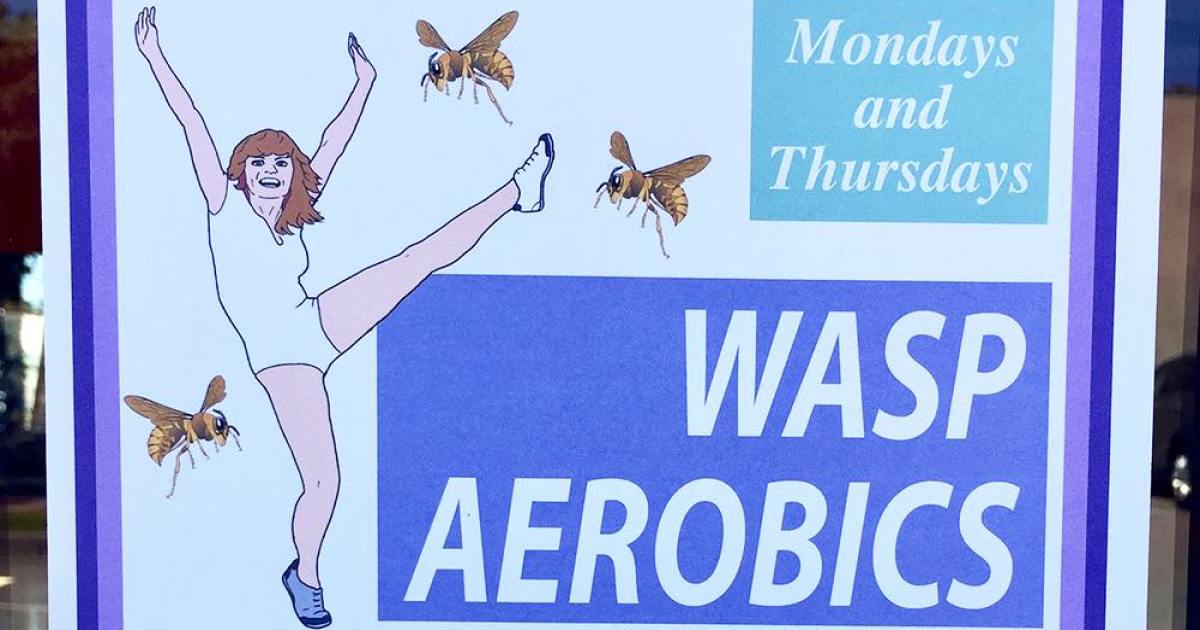
Still, the idea is funny because dance studios already have class names that sound both elegant and mildly intimidating. “Advanced Contemporary Technique” feels serious. “Pre-Pointe Conditioning” sounds like a tiny ballet boot camp. “Adult Beginner Hip-Hop” sounds friendly until you realize your knees still remember 2009. Add a few fake classes beside the real ones, and suddenly the entire schedule becomes a comedy menu.
Why Fake Dance Classes Sound So Funny
The comedy comes from one simple trick: dance is both graceful and brutally honest. A class name can promise elegance, rhythm, confidence, and community. Your body, however, may respond by moving like a folding chair during an earthquake. That gap between expectation and reality is where the joke lives.
Imagine a studio schedule with perfectly normal classes like ballet, tap, jazz, salsa, lyrical, ballroom, and hip-hop. Then, tucked between them, you find:
- Intro to Dramatic Exits for students who want to leave every room like the season finale of a soap opera.
- Advanced Grocery Cart Choreography mastering the swivel, the aisle turn, and the “why is one wheel possessed?” glide.
- Passive-Aggressive Jazz Hands because sometimes your spirit says “Broadway” but your face says “per my last email.”
- Emergency Wedding Reception Survival for people who hear “Cupid Shuffle” and immediately need a strategy.
- Contemporary Floor Work For People Who Need Help Getting Up a realistic class for adults with ambition and knees.
The best fake dance class names are ridiculous, but they are not cruel. They laugh with the dance world, not at it. They work because every dancer, teacher, parent, and beginner recognizes a little truth inside the exaggeration. Dance is beautiful, but it is also full of awkward first tries, forgotten counts, confusing arm positions, and the universal human experience of turning left when everyone else turns right.
The Local Dance Studio Is More Than A Room With Mirrors
A neighborhood dance studio is not just a place where people learn steps. It is a community hub. Children learn discipline without realizing they are learning discipline. Teens find confidence in a world that often makes confidence feel like a luxury item. Adults get a rare hour where nobody asks them to answer an email, fold laundry, or explain why the printer is “offline” again.
Dance classes also bring together people who might never meet otherwise. A retired teacher can take ballroom beside a newly engaged couple. A shy middle-schooler can find her voice through hip-hop. A parent who signed up for adult tap “just for fun” can discover that fun occasionally includes sweating through a T-shirt and questioning all life choices.
Research on physical activity consistently supports what dancers already know: movement matters. Regular activity can support heart health, mood, sleep, balance, coordination, and long-term well-being. Dance adds another layer because it blends exercise with music, memory, rhythm, and social connection. You are not only moving your body; you are learning patterns, listening closely, responding to others, and trying not to crash into the person beside you during a turn sequence.
That is why even a silly fake schedule can reveal something sincere. Dance studios make people brave in public. They ask students to try, fail, laugh, adjust, and try again. A funny fake class like “Beginner Confidence With Optional Panic” works because it describes the real emotional arc of almost every first class.
The Fake Class Schedule That Started The Laughs
The imaginary version of this prank began with a mock schedule taped near the studio lobby. It looked official enough to make people pause, but silly enough to make the joke obvious after three seconds. The goal was not to trick anyone into paying for a fake class. The goal was to make dancers smile between rehearsals.
Monday: Ballet For People Who Trip Over Air
This class promised posture, poise, and a respectful relationship with gravity. The fake description read: “Students will learn basic ballet positions while developing the emotional resilience required to walk across a smooth floor and still stumble.” Honestly, this one felt too real. Ballet is often associated with elegance, but beginners quickly learn that elegance is built through repetition, strength, and the humility of discovering muscles you did not know had opinions.
Tuesday: Salsa For Overthinkers
The description said: “Perfect for anyone who counts every beat, questions every step, and apologizes to furniture.” Salsa is social, rhythmic, and joyful, but for overthinkers, partner dancing can feel like a live math test with music. The joke landed because many beginners do exactly that: they think so hard about timing that they forget to enjoy the song.
Wednesday: Tap Dance For Upstairs Neighbors
This was the chaos class. The fictional promise: “Learn crisp rhythms, confident footwork, and how to make everyone below you question their lease.” Tap has a fantastic comic quality because it turns feet into percussion instruments. It is also harder than it looks. Clean tap sounds require timing, control, ankle strength, and practice. Bad tap sounds like a drawer full of spoons falling down the stairs.
Thursday: Interpretive Dance About Missing A Text Back
This one became an instant favorite. The mock description included “emotional spirals, dramatic reaches, and one full minute of staring at an invisible phone.” Contemporary and lyrical dance often explore emotion through movement, so this fake class gently exaggerated the drama. Anyone who has ever overanalyzed a short reply could understand the choreography.
Friday: Hip-Hop For People With Office Jobs
The class promised “grooves, confidence, and a safe space to unlearn corporate posture.” This was not a joke about office workers being bad dancers. It was a joke about how many adults spend the week sitting, typing, nodding in meetings, and slowly becoming shaped like a question mark. A dance class can feel like a jailbreak for the spine.
What Makes A Dance Class Name Work?
Real dance class names have a job to do. They tell students the style, level, age group, and purpose. A clear class name helps parents know whether their child belongs in “Pre-Ballet Ages 4–6” or “Intermediate Jazz.” It helps adults decide whether they are ready for “Beginner Ballroom” or should avoid “Advanced Partner Lifts” until they can climb stairs without making sound effects.
Fake dance class names work when they borrow that structure and twist it. “Beginner Tap” becomes “Beginner Tap For People Who Fear Silence.” “Adult Jazz” becomes “Adult Jazz And Lower Back Negotiations.” “Contemporary Improvisation” becomes “Contemporary Improvisation For Avoiding Responsibilities.” The format feels familiar, but the subject is absurd.
This is also why dance studio humor performs well online. Short, specific jokes are easy to share. A fake schedule can become a social media post, a community newsletter gag, or a lighthearted studio event theme. For local businesses, personality matters. People do not connect only with polished marketing; they connect with signs of real humans behind the counter.
The Serious Side: Do Not Confuse People On Purpose
Here is where the fun needs a seatbelt. A fake dance class joke is harmless only when everyone who could be affected understands it is a joke. Real dance studios depend on trust. Parents plan schedules around class times. Students pay tuition. Instructors prepare lessons. A misleading public listing, fake review, fake booking page, or false class announcement can create real problems.
That is why the ethical version matters. Put the joke on an obvious “April Fools” poster. Share it as a caption labeled clearly as humor. Get permission from the studio owner. Do not alter Google Maps, Yelp, booking platforms, business profiles, paid ads, or official schedules. Do not make customers call the studio asking whether “Ballet For Emotionally Unavailable Cats” has an age requirement.
Funny marketing builds goodwill. Confusing marketing burns staff time. The line is not complicated: if the joke could cause someone to spend money, drive across town, miss a real class, or question whether the studio is legitimate, it has stopped being cute and started wearing tap shoes on thin ice.
Why Local Businesses Can Use Humor Carefully
Small businesses often compete with larger brands that have bigger budgets, slicker websites, and enough marketing software to launch a satellite. A local dance studio may not have a massive advertising team, but it has something better: a real personality. Humor can help that personality show.
A funny fake dance schedule, when clearly framed as a joke, can do several useful things. It can make current students feel part of an inside community. It can show potential students that the studio is welcoming, not intimidating. It can give parents a reason to share a post. It can remind adults that dance does not have to be serious to be meaningful.
Many people avoid dance classes because they feel embarrassed before they even begin. They imagine everyone else will be flexible, stylish, coordinated, and born knowing choreography. A playful studio voice can lower that emotional barrier. When a studio jokes about “Two-Step Recovery For People Who Clap On One And Three,” it quietly tells beginners, “You are allowed to be new here.”
Dance Is Supposed To Include Beginners
One reason the fake class idea feels so charming is that it celebrates imperfection. Dance culture can look intimidating from the outside. Recital photos show perfect costumes and pointed toes. Performance videos show dancers hitting every beat. But inside the studio, learning looks much messier and much more human.
Students forget choreography. Teachers count out loud. Someone’s shoe comes untied. A little kid waves at their parent during the routine. An adult beginner laughs after spinning the wrong way. These moments are not failures; they are the raw material of learning.
Dance education supports coordination, physical development, creativity, memory, discipline, emotional expression, and social skills. But those benefits do not appear magically on day one. They grow through repetition, encouragement, and the willingness to look slightly ridiculous for a while. A fake class called “Confidence 101: Surviving The Mirror Wall” is funny because the mirror wall really is a rite of passage.
Specific Examples Of Better Fake Classes
If a studio wanted to run a safe, clearly labeled humor campaign, it could create a “Fake Class Week” poster for laughs. The classes could be absurd enough that nobody mistakes them for real registration options.
1. Choreography For Carrying Too Many Groceries
Students explore balance, grip strength, and the ancient art of unlocking the front door with one elbow while holding six bags and a watermelon.
2. Musical Theater For People Who Cannot Whisper
This class teaches projection, stage presence, and how to turn every casual conversation into an eleven o’clock number.
3. Ballroom Dancing With Imaginary Confidence
Perfect for students who want to glide across the floor with elegance while internally screaming, “Which foot is mine?”
4. Jazz Funk For Avoiding Awkward Small Talk
Instead of answering “So, what do you do?” students learn a shoulder roll and exit diagonally.
5. Stretching For People Who Make Noises While Sitting Down
A compassionate adult class focused on mobility, breathing, and pretending the sound came from the floor.
6. Toddler Tap: Tiny Shoes, Big Opinions
A high-energy class where rhythm meets snack negotiations.
The Real Lesson Hidden Inside The Joke
The fake dance classes were funny, but the bigger lesson was about belonging. People love places where they feel seen. A local dance studio can be elegant and silly at the same time. It can teach technique while also admitting that learning is awkward. It can honor discipline without turning every class into a pressure cooker.
That balance matters for SEO and marketing, too. Search engines reward useful, clear, trustworthy content. Humans reward warmth. A dance studio website should include practical information: class levels, schedules, tuition, instructor bios, safety policies, recital details, and contact information. But it should also sound alive. A page that says “Adult beginners welcome, even if your last dance experience was a middle-school gym floor” may do more emotional work than a perfectly polished paragraph full of generic phrases.
For Google and Bing, helpful content answers real questions. For people, helpful content reduces fear. A studio that explains what to wear, where to park, how early to arrive, whether beginners need experience, and what happens in the first class is already doing strong local SEO. Add a little humor, and the page becomes more memorable.
How This Topic Connects To Dance Studio Marketing
Local dance studio marketing works best when it combines accuracy, trust, and personality. A fake class joke can be part of the personality, but it should never replace accurate information. Real class pages should use clear keywords naturally: dance classes near me, beginner dance lessons, kids ballet, adult hip-hop, tap classes, ballroom lessons, dance studio schedule, and local dance studio programs.
At the same time, stuffing those phrases everywhere makes the website sound like it was written by a robot wearing leg warmers. A natural approach is better. For example, a studio might write: “Our adult beginner dance classes are designed for people who want movement, music, and a friendly place to start.” That sentence is useful for search engines and comforting for humans.
The fake class idea can support content marketing when used as a themed blog post, social media carousel, or newsletter feature. “Five Dance Classes We Wish Were Real” could introduce the studio’s actual beginner-friendly programs. A joke about “Wedding Dance Panic Prevention” could lead into real first-dance lessons. A post about “Tap For Upstairs Neighbors” could promote beginner tap while explaining what students actually learn.
Experience Section: What I Learned From The Fake Dance Class Idea
The funniest part of imagining fake dance classes was watching how quickly people understood the emotional truth behind each title. Nobody needed a long explanation for “Hip-Hop For People With Office Jobs.” We have all seen someone walk out of a meeting with shoulders so tight they could be used as coat hooks. Nobody needed footnotes for “Contemporary Dance About Being Left On Read.” Modern life has given us plenty of choreography for disappointment.
What surprised me most was how affectionate the humor felt. The jokes did not make dance seem silly in a bad way. They made it seem more accessible. That is important because many adults carry around an invisible list of reasons they think they are “not dance people.” They are too stiff. Too old. Too busy. Too shy. Too convinced that rhythm was assigned at birth and they were absent that day.
A fake class schedule gently pokes holes in those fears. It says, “Yes, movement can be awkward. Yes, everyone starts somewhere. Yes, you may feel ridiculous. Come anyway.” In that sense, the joke becomes a welcome mat.
I also noticed that the best fake classes were the ones that could almost become real. “Wedding Reception Survival” sounds silly, but plenty of people genuinely want help feeling less awkward at weddings. “Stretching For People Who Make Noises While Sitting Down” is funny, but adult mobility classes are genuinely useful. “Salsa For Overthinkers” is a joke, but beginner salsa students often do need reassurance that they can stop calculating and start feeling the rhythm.
That is where comedy becomes good content. It reveals a real need in a memorable way. A dance studio could use humor to identify beginner anxieties, then answer them with kindness. Are people scared they will be the worst in class? Say so. Are they worried about what to wear? Explain it. Are they afraid everyone will stare? Tell them most students are too busy remembering their own steps to judge anyone else.
The experience also reminded me that local businesses are delicate ecosystems. A joke that feels small to one person can create work for someone else if it is placed in the wrong channel. A fake poster inside the studio during a clearly marked fun week is different from a fake online listing. A social media joke approved by the owner is different from changing public information. The safest humor is transparent, temporary, and kind.
In the end, the fake dance classes were not really about fake classes at all. They were about the lovable awkwardness of learning something physical in front of other people. They were about the courage it takes to walk into a studio for the first time. They were about the way music can turn embarrassment into laughter and strangers into a class. And yes, they were also about the undeniable need for “Advanced Grocery Cart Choreography,” because some of us have been improvising in supermarket aisles for years with no formal training whatsoever.
Conclusion
“I Added Some Fake Dance Classes To A Local Dance Studio” sounds like a prank, but the better version is really a love letter to dance studio culture. A fake schedule full of absurd class names can make people laugh, but it also points to something real: dance is joyful because it welcomes imperfection. Every dancer, from a five-year-old ballerina to an adult beginner in hip-hop, has a moment when the body says, “Absolutely not,” and the music says, “Try again.”
Used responsibly, humor can help a local dance studio feel less intimidating and more human. It can support community, strengthen brand personality, and remind nervous beginners that everyone starts somewhere. The key is honesty. Keep real schedules accurate. Keep fake classes clearly fake. Never mislead customers, manipulate reviews, or interfere with official listings. A good joke should make the studio feel warmer, not make the receptionist answer twelve calls about whether “Passive-Aggressive Jazz Hands” has a recital costume fee.
Dance is already full of comedy, courage, rhythm, and recovery. The fake classes just gave those feelings better names.
Note: This article treats fake dance classes as a fictional, consent-based humor concept for storytelling, studio culture, and ethical marketing discussion. It is not a guide to altering real business listings, booking systems, reviews, or official schedules.