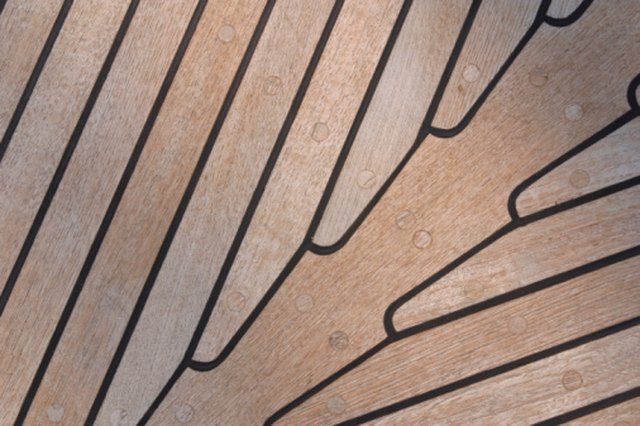
Weathered teak wood has a talent for drama. One season it looks warm, golden, and ready for a magazine cover. A few months later, it has turned silver-gray, collected pollen like it is starting a side hustle, and developed mysterious dark spots that make you question every outdoor furniture decision you have ever made. The good news? Weathered teak is usually not ruined. Most of the time, it is simply oxidized, dirty, and asking politely for a proper cleaning.
Teak is one of the most popular woods for outdoor furniture, boat decks, benches, patio tables, shower stools, and garden accents because it is naturally dense, oily, and resistant to moisture. Unlike many woods that panic at the first sign of rain, teak handles weather with impressive patience. Left untreated, however, it naturally changes from honey-brown to a silvery gray patina. That gray color is not automatically damage. In fact, many homeowners love it. But when gray turns blotchy, black, green, sticky, rough, or grimy, it is time to clean.
This guide explains how to clean weathered teak wood safely, how to restore its warmer color when desired, what products to avoid, and how to maintain teak so it looks intentional rather than abandoned. No magic wand required, although a soft-bristle brush comes close.
What Happens When Teak Wood Weathers?
Before cleaning weathered teak wood, it helps to understand what you are actually seeing. Teak contains natural oils and a tight grain, which help it resist rot, insects, and moisture better than many outdoor woods. But sunlight, rain, air pollution, mildew spores, dust, and everyday use still affect the surface.
When teak sits outdoors, ultraviolet light breaks down the outermost layer of wood fibers. Rain rinses away some surface oils. Dust settles into the grain. The result is a silver-gray patina. This color change is normal and does not mean the teak has lost its strength. Think of it as teak getting a distinguished beard.
The trouble begins when grime, mildew, bird droppings, leaf stains, food spills, sunscreen, or metal rust marks join the party. Then the teak can look dark, uneven, or dirty rather than gracefully aged. Cleaning removes surface contamination. Restoration goes one step further by brightening the wood and, if desired, bringing back some of the golden-brown tone.
Should You Keep the Gray Patina or Restore the Golden Color?
There are two perfectly respectable teak personalities: silver-gray and warm golden-brown. Neither is wrong. The best choice depends on your taste, the furniture style, and how much maintenance you want to do.
Keeping the Gray Patina
If you like the coastal, relaxed look of silver teak, cleaning is simple. Use mild soap, water, and a soft brush to remove dirt without stripping the surface. Avoid aggressive teak cleaners, heavy sanding, and brighteners unless stains are severe. The goal is not to make the wood look new; the goal is to make it look clean, healthy, and intentionally weathered.
Restoring a Warmer Teak Tone
If you prefer teak’s original honey color, you will need a deeper cleaning process. This may involve a teak cleaner, a teak brightener, light sanding, and possibly a teak sealer. The golden tone can be restored, but it will not stay forever without maintenance. The sun is undefeated, and teak will eventually begin to gray again unless protected.
Supplies You Need to Clean Weathered Teak Wood
You do not need a garage full of mysterious bottles. For most weathered teak furniture, gather the following:
- Soft-bristle brush or non-scratch scrub pad
- Bucket of warm water
- Mild dish soap or gentle wood cleaner
- Garden hose or clean water for rinsing
- Microfiber cloths or old towels
- Rubber gloves
- Fine-grit sandpaper, such as 150- to 220-grit, if needed
- Commercial teak cleaner for heavy weathering
- Teak brightener for stubborn gray or dark staining
- Teak sealer if you want to preserve a warmer color
Avoid wire brushes, harsh abrasive pads, high-pressure washing, and random chemical cocktails. Teak is tough, but it is not a sidewalk. Treat it like premium wood, not a driveway stain.
How to Clean Weathered Teak Wood Step by Step
Step 1: Move the Teak to a Good Cleaning Area
Place the teak furniture or wood item on a driveway, patio, tarp, or lawn area with good drainage. Work in the shade if possible. Direct sun can dry cleaners too quickly, leaving streaks or uneven results. Remove cushions, fabric covers, tableware, planters, and anything else that does not enjoy getting wet.
If the teak is part of a deck, shower floor, or built-in bench, clear nearby objects and protect surrounding surfaces. Some teak cleaners and brighteners can affect stone, metal, paint, or plants, so read product labels carefully before starting.
Step 2: Brush Away Loose Dirt
Use a dry soft-bristle brush to sweep away dust, leaves, cobwebs, pollen, and loose debris. Pay attention to joints, slats, corners, screw holes, and the spaces where crumbs go to retire. This step seems basic, but it prevents loose dirt from turning into muddy paste once water is added.
Step 3: Wash With Mild Soap and Warm Water
Mix a small amount of mild dish soap with warm water. Dip your brush or sponge into the solution and scrub the teak gently with the grain. Do not scrub across the grain like you are punishing the wood for aging. Long, even strokes help lift dirt without scratching the surface.
For a lightly weathered teak chair, this simple wash may be enough. For a table with old barbecue sauce, pollen, and a mysterious circular stain from “someone’s” drink, spend extra time on stained areas. Let the soapy water sit for a few minutes, but do not allow it to dry on the surface.
Step 4: Rinse Thoroughly
Rinse the teak with clean water from a hose or bucket. Use gentle water pressure. The goal is to wash away soap and loosened grime, not blast the wood fibers into next week. High-pressure washing can raise the grain, create roughness, and shorten the life of the surface.
After rinsing, check the water running off the wood. If it is still brown, green, or cloudy, repeat the mild soap wash. Many neglected teak pieces improve dramatically after two gentle cleanings.
Step 5: Let the Teak Dry Completely
Allow the teak to dry for at least 24 hours before sanding, sealing, or judging the final color. Wet teak often looks darker than it really is. Once dry, you can see whether the wood is clean enough, whether stains remain, and whether the grain feels rough.
Drying also matters because applying sealer or oil to damp teak can trap moisture and cause uneven results. Patience here saves future frustration. Teak cleaning is not a race; it is more like convincing an expensive patio chair to rejoin polite society.
How to Deep Clean Badly Weathered Teak
If mild soap and water do not remove heavy gray oxidation, black mildew spots, or old stains, move to a commercial teak cleaner. Teak cleaners are designed to lift dirt, oxidation, and discoloration from dense oily wood. Many restoration systems use a two-part process: a cleaner followed by a brightener. The cleaner removes grime and oxidized fibers; the brightener evens the color and helps restore warmth.
Always follow the product directions. Wear gloves and eye protection, work in a well-ventilated outdoor area, and rinse thoroughly. Test the cleaner on a small hidden spot first, especially if your teak is part of a mixed-material piece with metal, rope, wicker, fabric, or stone.
When to Use a Teak Brightener
A teak brightener is useful when the wood still looks dark, gray, or blotchy after cleaning. Brighteners commonly contain acids that help remove tannin stains, water marks, and dark oxidation. They can make a dramatic difference, but they should not be treated like everyday soap.
Use a brightener only when needed, rinse completely, and avoid letting it sit longer than recommended. More time does not always mean better results. Sometimes it means “Congratulations, you made the wood angry.”
Can You Use Vinegar on Weathered Teak?
Diluted white vinegar is sometimes used for light mildew or odor on outdoor surfaces, but it should be used cautiously on teak. Vinegar is acidic and may affect finishes or leave uneven results if used too strongly. If you try it, dilute it well, test a hidden area, rinse thoroughly, and do not use it as a substitute for proper teak cleaner on severe weathering.
Can You Use Bleach on Teak Wood?
Chlorine bleach can lighten wood and kill mildew, but it can also be harsh on teak and surrounding materials. It may strip color unevenly, dry the surface, or damage nearby fabrics and plants. Oxygen-based cleaners are often gentler than chlorine bleach, but even these should be used according to product directions.
Never mix cleaning chemicals. Do not combine bleach with vinegar, ammonia, or other cleaners. That is not “extra cleaning power”; it is a bad science experiment with consequences.
Should You Sand Weathered Teak Wood?
Light sanding can help smooth raised grain and remove stubborn surface discoloration after cleaning. It is especially useful if the teak feels fuzzy or rough once dry. Use fine-grit sandpaper, usually 150- to 220-grit, and sand with the grain. Apply gentle pressure. You are refining the surface, not excavating for treasure.
Avoid aggressive sanding unless the piece is severely damaged. Teak furniture is built to last, but repeated heavy sanding removes wood and can soften crisp edges, flatten details, or create uneven surfaces. If your teak is a valuable designer piece, antique, boat component, or expensive dining set, consider professional restoration before attacking it with power tools.
Should You Oil Weathered Teak After Cleaning?
This is where teak owners enter the great patio debate: oil or no oil? Teak already contains natural oils, which is one reason it performs so well outdoors. Many teak oils sold in stores are not actually made from teak oil. They are blends of oils and solvents designed to darken or enrich the surface temporarily.
Teak oil can make freshly cleaned wood look warm and beautiful, but it may require frequent reapplication. In humid climates, over-oiling can sometimes encourage mildew or leave a sticky surface if not wiped properly. For outdoor teak furniture, many experts prefer teak sealer over teak oil when the goal is maintaining color.
Teak Oil vs. Teak Sealer
Teak oil enhances color but often fades quickly outdoors. Teak sealer creates a protective barrier that helps slow graying and staining. If you want the golden-brown look, clean and dry the teak first, then apply a teak sealer according to the label. If you love the gray patina, skip oil and sealer and simply clean the wood regularly.
How to Remove Common Stains From Weathered Teak
Black Mildew Spots
Black spots on teak are often mildew, dirt, or moisture-related staining. Start with mild soap and water. If spots remain, use a teak cleaner designed for mildew and outdoor grime. Keep furniture in a sunny, airy location when possible, and avoid leaving wet cushions pressed against the wood.
Green Algae or Moss
Green growth usually appears in damp, shaded areas. Brush away loose growth, wash with mild soap, rinse well, and let the teak dry fully. If the growth returns quickly, improve airflow, trim nearby plants, or move the furniture out of constant shade.
Food and Drink Stains
For fresh spills, blot immediately and wash with mild soap. For older stains, a teak cleaner may be needed. Outdoor dining tables benefit from regular cleaning because oils, sauces, wine, coffee, and fruit can leave marks. Yes, the table remembers the party even when everyone else pretends not to.
Rust Marks
Rust stains can come from metal planters, hardware, tools, or decorative objects left on the surface. A teak brightener may help, but first remove the rust source. Replace corroded hardware with stainless steel or other outdoor-safe fasteners when possible.
What Not to Do When Cleaning Weathered Teak Wood
Teak is forgiving, but certain cleaning habits can cause unnecessary damage. Avoid these common mistakes:
- Do not use a high-pressure washer on full power.
- Do not scrub with a wire brush.
- Do not soak teak for long periods.
- Do not use indoor furniture polish on outdoor teak.
- Do not apply sealer or oil before the wood is fully dry.
- Do not mix cleaning chemicals.
- Do not assume gray teak is damaged.
The biggest mistake is treating teak like plastic patio furniture. Plastic can handle a more casual scrub-and-spray routine. Teak rewards a slower, gentler approach.
How Often Should You Clean Teak Wood?
For outdoor teak furniture, a light cleaning two to four times per year is usually enough for general maintenance. In humid, coastal, rainy, or heavily shaded areas, you may need to clean more often to prevent mildew and algae buildup. Dining tables, poolside loungers, and garden benches under trees may also need extra attention.
A good schedule looks like this:
- Spring: Wash away winter grime and inspect the wood.
- Summer: Wipe spills quickly and brush off pollen or dust.
- Fall: Clean before covering or storing furniture.
- As needed: Spot-clean mildew, food stains, bird droppings, and leaf marks.
If you use a teak sealer, reapply it based on the manufacturer’s recommended schedule. Most outdoor sealers need periodic renewal, especially in full sun.
How to Protect Teak After Cleaning
Once your weathered teak wood is clean, a few habits can help it stay that way longer. Keep furniture covered during long periods of nonuse, but use breathable covers that allow moisture to escape. Store cushions separately when wet. Avoid placing metal objects directly on teak for long periods. Use placemats, trays, or coasters on dining tables if you want to prevent rings and food stains.
If your teak sits under trees, remove leaves regularly. Damp leaves can stain wood and encourage mildew. If furniture is near a pool, rinse occasionally to remove chlorine or salt residue. If it is near the ocean, clean more often because salt air can leave deposits on surfaces.
Experience-Based Tips for Cleaning Weathered Teak Wood
After cleaning several weathered teak pieces, one lesson becomes obvious: the wood almost always looks worse before it looks better. At the beginning, a gray teak chair can look hopeless. The surface may be dusty, rough, and streaked with dark patches. Once water hits it, the whole piece turns darker, and it is easy to think, “Wonderful, I have made wet sadness.” Do not panic. Teak changes color dramatically while wet. Wait until it dries before judging the result.
Another practical tip is to start with the gentlest method, even if the furniture looks terrible. A mild soap wash may seem too simple, but it often removes more grime than expected. On one badly weathered teak bench, the first rinse looked like weak coffee running down the legs. That was not the wood falling apart; it was years of dirt, pollen, and outdoor life leaving the premises. A second wash made the surface noticeably cleaner without any harsh treatment.
Brush choice matters more than many people think. A stiff brush can be useful, but it should not be so hard that it scratches or tears the grain. A soft to medium nylon brush usually works well. Scrubbing with the grain makes the finished surface look smoother. Scrubbing in random circles can leave uneven marks, especially after the wood dries.
For dining tables, stain prevention is easier than stain removal. Teak handles weather beautifully, but it is still wood. Tomato sauce, red wine, coffee, cooking oil, and melted butter are not exactly spa treatments. Wipe spills quickly. If you host outdoor meals often, keep a small cleaning kit nearby: cloth, mild soap, and a soft brush. It is less glamorous than a centerpiece, but far more useful after someone drops a rib.
One of the most satisfying restoration moments happens after light sanding. Once the teak is clean and dry, gently sanding rough areas can reveal a warmer tone beneath the oxidized surface. The trick is restraint. Sand lightly, check often, and stop when the surface feels smooth. Over-sanding can make one area look strangely newer than the rest, like the furniture got a patchy haircut.
Sealer is worth considering if you truly want the golden teak look. However, it is not a one-time spell. Outdoor sunlight and rain will continue working on the wood. A sealer slows the process, but maintenance is still required. If you prefer low effort, embrace the gray patina and focus on keeping the teak clean rather than golden.
Finally, do not clean teak on a day when you are rushed. The process is simple, but the drying time matters. Clean it, rinse it well, let it dry completely, then decide whether it needs sanding, brightening, or sealing. Teak is a premium material because it ages well. Your job is not to fight nature every weekend; it is to guide the wood back to looking cared for. Done properly, weathered teak can go from “forgotten garden relic” to “quietly expensive patio moment” in an afternoon of honest work and a day of patient drying.
Conclusion
Cleaning weathered teak wood is mostly about patience, gentle tools, and knowing what result you want. If you love the silver-gray patina, use mild soap, water, and regular light cleaning. If you want to restore the warmer golden tone, use a teak cleaner, brightener, light sanding, and possibly a teak sealer. Either way, avoid aggressive pressure washing, harsh scrubbing, and chemical guesswork.
Teak is popular because it is durable, beautiful, and naturally suited to outdoor life. It does not need constant fussing, but it does appreciate basic care. With the right cleaning routine, even weathered teak can look fresh, elegant, and ready for another season of sun, rain, cookouts, and compliments from neighbors who suddenly want to know your “secret.” Tell them it is mild soap, patience, and not attacking the furniture with a pressure washer. Very exclusive information.
Note: This article is written for web publication and synthesizes practical teak-care guidance from reputable U.S. home maintenance, outdoor furniture, woodworking, and manufacturer care resources.