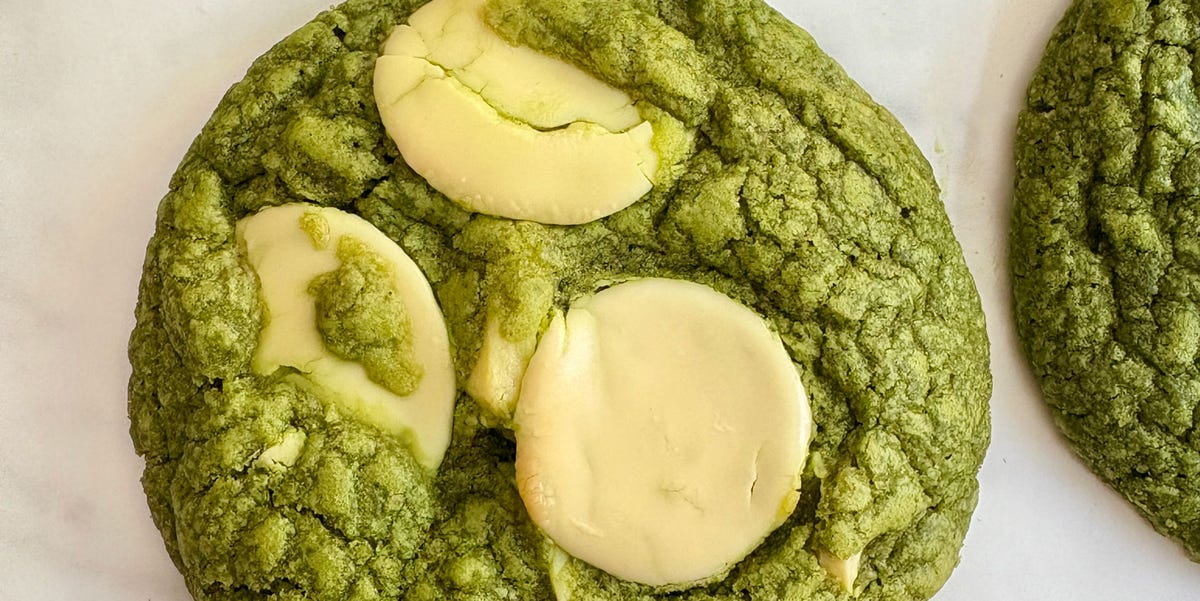
Some desserts walk quietly into your kitchen. Others arrive wearing neon-green sunglasses, carrying a tiny whisk, and demanding everyone pick a side. That is exactly the energy of the viral matcha cookie recipe: bold, buttery, earthy, sweet, slightly dramatic, and suspiciously photogenic. Love it or hate it, this is the cookie people talk about before they finish chewing.
Matcha cookies are not just green sugar cookies with a wellness halo. When made well, they have crisp edges, chewy centers, a creamy tea-shop aroma, and enough white chocolate to make even matcha skeptics pause mid-complaint. When made poorly, they can taste like someone swept a lawn into a bakery. The difference comes down to balance: good matcha, enough fat, the right sugar ratio, a little salt, and a smart bake time.
This recipe leans into the best version of the trend: chewy matcha white chocolate cookies with a soft middle, lightly crisp rim, and that unmistakable bittersweet green tea flavor. It is easy enough for a weeknight bake, pretty enough for a cookie box, and interesting enough to make your usual chocolate chip cookie feel like it needs a vacation.
Why matcha cookies went viral
The internet loves a cookie that looks different before it even tastes different. Matcha brings a natural green color that instantly stands out on social media, especially when paired with creamy white chocolate, strawberries, pistachios, or a crackly sugar top. It also taps into the ongoing popularity of matcha lattes, strawberry matcha drinks, matcha desserts, and cafe-inspired baking at home.
But the real reason this viral matcha cookie recipe works is contrast. Matcha is earthy and slightly bitter. White chocolate is sweet, milky, and rich. Brown sugar adds warmth. Butter brings softness and flavor. A pinch of salt keeps everything from turning into a sugar parade. Together, they create a cookie that tastes modern without being fussy.
What does matcha taste like in cookies?
Matcha has a grassy, tea-forward flavor with natural bitterness and a smooth, almost savory depth. In drinks, that flavor can be direct and sharp. In cookies, the butter and sugar soften it into something gentler: a little earthy, a little creamy, and a little mysterious. Think green tea latte meets bakery cookie, not salad meets dessert. Nobody wants salad cookies. Society has suffered enough.
The key is not to overdo the matcha. More powder does not always mean better flavor. Too much can make the dough dry, bitter, and dull in color after baking. This recipe uses enough matcha to give the cookies a clear green tea flavor while still keeping them friendly for first-timers.
Viral Matcha White Chocolate Cookie Recipe
Recipe overview
- Prep time: 20 minutes
- Chill time: 30 minutes
- Bake time: 10 to 12 minutes
- Total time: About 1 hour
- Yield: 18 to 22 cookies
- Texture: Chewy center, lightly crisp edge
- Main keyword: viral matcha cookie recipe
Ingredients
- 2 cups all-purpose flour
- 2 tablespoons matcha powder, preferably culinary grade or everyday drinking grade
- 1 teaspoon cornstarch
- 1/2 teaspoon baking soda
- 1/2 teaspoon fine sea salt
- 3/4 cup unsalted butter, melted and slightly cooled
- 3/4 cup light brown sugar, packed
- 1/3 cup granulated sugar
- 1 large egg
- 1 large egg yolk
- 2 teaspoons vanilla extract
- 1 cup white chocolate chips or chopped white chocolate
- Optional: 1/3 cup chopped macadamia nuts or pistachios
- Optional: flaky salt for finishing
Step-by-step instructions
1. Whisk the dry ingredients. In a medium bowl, whisk together the flour, matcha powder, cornstarch, baking soda, and salt. Take your time here. Matcha loves to clump like it has unresolved emotional issues, so whisk until the green color is even.
2. Mix the butter and sugars. In a large bowl, combine the melted butter, brown sugar, and granulated sugar. Whisk for 1 to 2 minutes until glossy and smooth. Melted butter gives the cookies a chewy texture and deep buttery flavor without needing a mixer.
3. Add the egg, yolk, and vanilla. Whisk in the egg, egg yolk, and vanilla extract until the mixture looks thick and shiny. The extra yolk adds richness and helps create that soft, bakery-style center.
4. Combine wet and dry ingredients. Add the dry ingredients to the wet ingredients. Fold gently with a spatula until only a few streaks of flour remain. Do not overmix. Overworked cookie dough can turn tough, and nobody goes viral for tough cookies unless the video includes regret.
5. Fold in the white chocolate. Add the white chocolate chips or chopped white chocolate. If using nuts, fold them in now. Chopped white chocolate creates melty pockets, while chips hold their shape better. Both are delicious; this is a no-wrong-answer situation.
6. Chill the dough. Cover the bowl and chill for at least 30 minutes. This helps the butter firm up, reduces spreading, and gives the flour time to hydrate. If you want thicker cookies, chill the dough for 1 to 2 hours.
7. Scoop and bake. Preheat the oven to 350°F. Line baking sheets with parchment paper. Scoop 2-tablespoon portions of dough and place them about 2 inches apart. Bake for 10 to 12 minutes, just until the edges look set and the centers still look slightly soft.
8. Shape and cool. For picture-perfect cookies, use a round cookie cutter or glass to gently scoot each cookie into a neat circle while still warm. Sprinkle with flaky salt if desired. Let cookies cool on the baking sheet for 10 minutes, then transfer to a wire rack.
Why this recipe works
Matcha brings color and complexity
Unlike green food coloring, matcha adds both color and flavor. It gives the cookies an earthy backbone that keeps them from tasting one-note sweet. The trick is using enough to be noticeable without making the cookie bitter. Two tablespoons is the sweet spot for this batch.
White chocolate balances the bitterness
White chocolate is the best friend matcha did not know it needed. Its creamy sweetness rounds out the tea flavor and makes the cookie taste like a matcha latte in dessert form. Dark chocolate also works, but it creates a more intense, less creamy cookie.
Brown sugar keeps the center chewy
Brown sugar contains moisture, which helps the cookies stay soft in the middle. Granulated sugar adds structure and lightly crisp edges. Using both gives you the best of both cookie worlds: chew and snap, peace and chaos, bakery and grandma.
Chilling prevents flat cookies
Warm dough spreads quickly. Chilled dough bakes more slowly, giving the cookies time to set before they collapse into green pancakes. A short chill is enough for everyday baking, but longer chilling deepens the flavor and improves the texture.
Choosing the best matcha for cookies
You do not need the most expensive ceremonial matcha for baking. In fact, using your fanciest sipping matcha in cookie dough can feel like wearing a tuxedo to mow the lawn. A good culinary-grade or everyday-grade matcha works beautifully, especially when it is fresh, bright green, and not dusty brown.
Look for matcha that smells fresh and grassy, not stale or fishy. Store it in an airtight container away from heat, light, and moisture. If your matcha has been sitting open in the pantry since the era of skinny jeans and cupcake ATMs, it may be time to let it retire peacefully.
Common matcha cookie mistakes
Using too much matcha
Too much matcha can make cookies bitter and dry. If you want a stronger flavor, increase the matcha by only 1 teaspoon at a time. Small adjustments matter.
Skipping the chill
If your cookies spread too much, the dough was probably too warm. Chill it longer, and make sure your baking sheet is cool before adding the next batch.
Overbaking
Matcha cookies should not turn deeply golden. Pull them when the edges are set and the centers look slightly underdone. They will continue to firm up as they cool.
Forgetting salt
Salt makes the matcha taste brighter and the white chocolate taste less sugary. Even a small pinch makes a big difference.
Flavor variations to try
Strawberry matcha cookies
Add 1/2 cup chopped freeze-dried strawberries with the white chocolate. The berries bring tartness, color, and a flavor that nods to the viral strawberry matcha latte trend.
Matcha macadamia cookies
Fold in 1/3 cup chopped macadamia nuts for buttery crunch. This version tastes rich, mellow, and slightly tropical.
Dark chocolate matcha cookies
Swap white chocolate for dark chocolate chunks. The result is less sweet and more intense, perfect for people who like their desserts with a little dramatic tension.
Lemon matcha cookies
Add 1 teaspoon lemon zest to the dough. Lemon brightens matcha beautifully and makes the cookies feel fresh without turning them into lemonade wearing a cookie costume.
How to store and freeze matcha cookies
Store baked matcha cookies in an airtight container at room temperature for up to 4 days. To keep them soft, add a small piece of bread to the container. The cookies will absorb moisture from the bread, which is basically kitchen magic with crumbs.
To freeze baked cookies, place them in a freezer-safe bag or container for up to 2 months. Thaw at room temperature. To freeze the dough, scoop it into balls, freeze on a tray until firm, then transfer to a freezer bag. Bake from frozen at 350°F, adding 1 to 2 extra minutes.
What to serve with matcha cookies
These cookies pair naturally with coffee, iced matcha lattes, black tea, cold milk, or lightly sweetened oat milk. For dessert boards, serve them with vanilla shortbread, strawberry wafers, chocolate truffles, and fresh berries. Their green color makes them especially fun for spring gatherings, holiday cookie boxes, St. Patrick’s Day desserts, and modern afternoon tea spreads.
A baker’s experience: why this cookie is worth the hype
The first time you bake matcha cookies, you may understand why people have such strong opinions about them. The dough smells like butter, vanilla, and a tiny tea garden after rain. It looks almost too green at first, like cookie dough that has joined a wellness retreat and started saying things like “alignment.” But once the white chocolate goes in, the whole mixture starts to make sense.
The first batch is the truth-teller. If the dough is too warm, the cookies spread quickly and lose their thick, chewy personality. They still taste good, but they look a little tired, like they checked their email before breakfast. The second batch, after a longer chill, usually bakes up taller, softer, and prettier. That is the moment the recipe starts winning people over.
What makes these cookies interesting is that they do not taste like every other cookie on the tray. A chocolate chip cookie is familiar and comforting. A snickerdoodle is cozy and cinnamon-sweet. A matcha cookie is different. It has a little edge. It asks for attention. The first bite is buttery and sweet, then the matcha arrives with that earthy green tea note, and finally the white chocolate smooths everything out like a diplomatic dessert ambassador.
Not everyone will love it immediately. Some people expect a green cookie to taste like mint. Others expect matcha to taste like a sugary cafe drink. This cookie sits in the middle: sweet enough to be dessert, but tea-forward enough to remind you that matcha is not just a color. That is why it works. It has personality.
One of the best experiences with this recipe is sharing it with a group. Put a plate on the table and watch the reactions. Matcha fans reach first. Curious people ask, “Is that pistachio?” Someone suspiciously says, “Why is it green?” Then one brave soul takes a bite, nods slowly, and suddenly the plate becomes public property. The cookies disappear faster when they are still slightly warm, with the white chocolate soft and melty.
The recipe is also forgiving enough to become your own. Add strawberries for a cafe-style twist. Add macadamias for crunch. Add lemon zest for brightness. Make the dough balls larger for bakery-style cookies or smaller for cookie boxes. Once you understand the basic balance of matcha, butter, sugar, and white chocolate, the variations feel endless.
The best tip from repeated baking is simple: do not chase the brightest color at the expense of flavor. A cookie should taste good first and look good second. Fresh matcha helps, but balance matters more than neon intensity. Pull the cookies from the oven before they brown too much, let them rest, and give them time to settle into that soft, chewy texture.
By the end, the hype makes sense. This viral matcha cookie recipe is not popular only because it photographs well, although it absolutely does. It is popular because it gives home bakers something familiar with a twist. It feels trendy but not complicated, elegant but still snackable, and just unusual enough to make people talk. Love it or hate it, you will remember itand honestly, that is more than most cookies can say.
Final thoughts
This viral matcha cookie recipe deserves a place in your baking rotation because it is colorful, flavorful, and surprisingly balanced. The combination of earthy matcha, buttery dough, chewy texture, and creamy white chocolate makes each bite feel playful without being overwhelming. It is the kind of cookie that starts conversations, divides opinions, and then quietly disappears from the cooling rack.
If you are already a matcha fan, this recipe will feel like a cozy green tea latte turned into dessert. If you are matcha-curious, it is a gentle introduction. And if you think you hate matcha, bake one batch anyway. Worst case, you confirm your opinion with snacks. Best case, you discover your new favorite cookie and become slightly annoying about it, which is how all great baking phases begin.