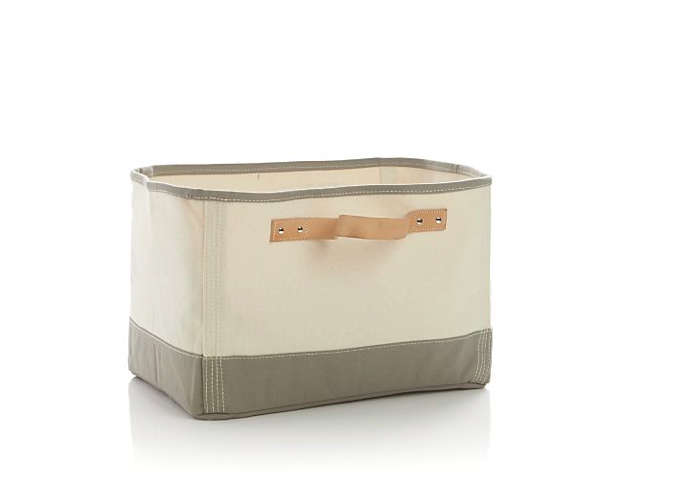
A canvas rectangular bin may not sound like the star of your home, but give it one afternoon and it will quietly do the work of a tiny, fabric-covered superhero. It can rescue a closet from sweater chaos, stop toys from migrating across the living room like tiny plastic wildlife, and make open shelving look intentional instead of “I panicked and shoved things there.”
The beauty of a canvas rectangular bin is simple: it combines soft texture, practical storage, and a shape that actually respects shelves, closets, cubbies, laundry rooms, nurseries, and under-bed spaces. Unlike round baskets that leave awkward gaps, a rectangular storage bin lines up neatly, slides into corners, and makes the most of square footage. In small homes, apartments, dorm rooms, and busy family spaces, that matters.
This guide explains what a canvas rectangular bin is, why it has become such a popular home organization essential, how to choose the right one, where to use it, how to clean it, and what real-life experiences teach us about getting the most value from this wonderfully humble storage helper.
What Is a Canvas Rectangular Bin?
A canvas rectangular bin is a soft-sided or structured storage container made with canvas or canvas-like fabric. Some are made from natural cotton canvas, while others use poly-cotton blends, polyester canvas, or reinforced fabric wrapped around cardboard, chipboard, metal, or plastic frames. The rectangular shape makes the bin especially useful for shelves, closets, laundry areas, entryways, nurseries, and storage furniture.
The design can be open-top, lidded, collapsible, wheeled, handled, divided, or label-ready. Some bins are minimalist and neutral, while others include decorative stitching, faux-leather handles, stripes, printed patterns, or metal frames. In other words, the canvas rectangular bin is not just a box. It is a box with better manners.
Why Canvas Rectangular Bins Are So Popular
They Make Clutter Look Less Guilty
Everyone has clutter. The difference between a messy room and a “styled storage moment” is often whether the clutter has been given a proper home. A rectangular canvas bin can hide spare blankets, pet toys, magazines, craft supplies, seasonal accessories, and the mysterious cable collection nobody wants to discuss.
Because canvas has a softer, warmer look than plastic, it blends well with modern farmhouse, coastal, Scandinavian, boho, nursery, dorm, and casual contemporary interiors. It says, “I am organized,” without shouting, “I bought twelve identical plastic tubs during a stress spiral.”
They Fit Shelves Better Than Many Baskets
Rectangular bins make efficient use of shelf space. Their straight sides allow them to sit flush against closet walls, bookcases, cubby systems, bathroom shelves, and pantry-style storage units. Round baskets are charming, but they can waste corner space. A canvas rectangular bin is practical, tidy, and less likely to create that annoying two-inch gap where dust bunnies hold committee meetings.
They Are Lightweight and Easy to Move
Canvas bins are usually lighter than wood, metal, or thick woven baskets. Many models include side handles or front pull tabs, making them easy to slide out from shelves or carry from room to room. This is especially useful in kids’ rooms, laundry rooms, home offices, and closets where storage gets handled frequently.
Common Types of Canvas Rectangular Bins
Open-Top Canvas Bins
Open-top bins are best for items you reach for often. Think toys, towels, scarves, pet leashes, workout gear, diapers, folded jeans, or throw blankets. The advantage is speed: toss it in, pull it out, repeat. The disadvantage is that the contents remain visible from above, so open bins work best when placed on lower shelves, inside cabinets, or in spaces where a little casual texture is welcome.
Canvas Bins With Lids
Lidded canvas rectangular bins are helpful for items that need protection from dust, such as seasonal decor, keepsake clothing, extra linens, or craft materials. A lid also creates a cleaner visual line, which is ideal for open shelving. However, lids can make daily access slightly slower, so avoid them for things you use every ten minutes unless you enjoy performing tiny storage rituals all day.
Collapsible Canvas Bins
Collapsible fabric bins are popular because they flatten when not in use. This makes them ideal for dorm rooms, temporary storage, guest rooms, moving, or seasonal organization. The tradeoff is structure. A collapsible bin may not hold its shape as well as a reinforced bin when filled with heavy items.
Reinforced Canvas Rectangular Bins
Reinforced bins usually include a chipboard, cardboard, metal, or plastic frame. These bins stand upright better and are often more suitable for shelves, closets, and visible storage. They are useful for clothing, toys, office supplies, toiletries, and light household items.
Canvas Laundry Bins
Larger rectangular canvas bins can function as laundry hampers. Some come with steel frames, rolling casters, lids, or divided compartments. These are especially useful in laundry rooms, bedrooms, bathrooms, and shared family spaces. A wheeled canvas laundry bin is basically a tiny household wagon for socks, towels, and that one shirt you wore for “just five minutes” and somehow still ended up washing.
Best Places to Use a Canvas Rectangular Bin
Closets
In a closet, canvas rectangular bins can separate jeans, sweaters, scarves, belts, handbags, hats, workout clothes, or off-season accessories. Labeling each bin keeps the system from slowly becoming one giant fabric mystery box. For closet shelves, measure the height, width, and depth before buying. A beautiful bin that does not fit is just a decorative regret.
Living Rooms
Living rooms collect objects like magnets collect paper clips. Remote controls, game controllers, chargers, magazines, blankets, pet toys, and children’s books all need a landing place. A neutral canvas rectangular bin can sit under a console table, beside a sofa, on a shelf, or inside a media cabinet without disrupting the room’s style.
Kids’ Rooms and Nurseries
Canvas bins are excellent for nurseries and children’s rooms because they are soft, lightweight, and easy for kids to use. They can hold stuffed animals, blocks, board books, diapers, wipes, blankets, dress-up clothes, or tiny socks that disappear at an alarming rate. Choose bins with sturdy handles and avoid overloading them with heavy toys.
Bathrooms
In bathrooms, canvas bins can organize towels, hair tools, toilet paper, skincare products, and cleaning cloths. However, bathrooms can be humid, so choose breathable storage and avoid placing canvas bins where they will get wet. If the bin sits near a shower or tub, make sure it has airflow and is not used for damp items.
Home Offices
A canvas rectangular bin can tame office clutter without making your workspace look like a supply closet. Use one for notebooks, printer paper, cords, camera gear, envelopes, stationery, or project folders. For important documents, consider a more protective storage solution, especially if moisture, heat, or long-term preservation is a concern.
Laundry Rooms
Laundry rooms benefit from bins that sort whites, darks, delicates, cleaning rags, dryer balls, stain removers, and missing socks. A rectangular canvas bin with handles can move easily between bedroom and laundry area. A larger rolling canvas bin can make laundry feel slightly less like a weekly athletic event.
How to Choose the Best Canvas Rectangular Bin
Measure First, Shop Second
Before buying, measure the space where the bin will live. Write down the shelf width, height, and depth. Leave a little extra room above the bin so you can pull it out comfortably. If the bin has handles, include them in your measurement. Organization begins with a tape measure, not wishful thinking.
Match the Bin to the Job
A small canvas bin is great for toiletries, craft supplies, baby items, and office accessories. A medium bin works well for clothing, linens, toys, and pantry overflow. A large rectangular canvas bin is better for blankets, laundry, sports gear, or bulky seasonal items. The right size prevents the bin from becoming a fabric cave where objects go to retire.
Check the Structure
If the bin will sit on open shelves, choose a structured style that keeps its shape. If it will be stored away or used occasionally, a collapsible option may be enough. For heavy use, look for reinforced seams, strong handles, thick fabric, and a sturdy base.
Choose the Right Color
Natural canvas, cream, beige, gray, black, navy, and muted patterns are common because they coordinate easily. Light canvas looks airy and clean but may show stains sooner. Darker bins hide marks better but can feel heavier visually. For kids’ rooms, playful colors or patterns can make cleanup more appealing. Yes, sometimes the secret to organization is tricking everyone into thinking the storage bin is fun.
Look for Labels
Labels are not just for perfectionists with beautiful handwriting. They prevent the dreaded “Which bin has the batteries?” treasure hunt. Some canvas rectangular bins include built-in label holders. Others can be labeled with hanging tags, clip-on labels, fabric labels, or simple paper tags tied to handles.
What to Store in a Canvas Rectangular Bin
Canvas rectangular bins are ideal for soft goods and light-to-medium household items. Good candidates include blankets, towels, toys, stuffed animals, baby supplies, craft materials, yarn, scarves, gloves, hats, folded clothing, exercise bands, pet accessories, books, notebooks, and extra bedding.
Avoid storing damp towels, wet shoes, food without proper sealed containers, fragile heirlooms, important legal papers, delicate photos, candles in hot areas, or electronics in humid conditions. Canvas is breathable and attractive, but it is not a waterproof vault. It has boundaries. Respect the bin.
How to Clean and Care for a Canvas Rectangular Bin
Most canvas or fabric storage bins should be spot cleaned rather than machine washed, especially if they include chipboard, cardboard, glue, decorative trim, or internal frames. Use a soft cloth, mild soap, and a small amount of water. Blot stains rather than scrubbing aggressively. Let the bin air dry completely before putting items back inside.
For dust, use a lint roller, handheld vacuum, or dry microfiber cloth. For odors, empty the bin and let it air out in a dry, ventilated area. Avoid soaking the bin unless the manufacturer specifically says it is washable. A soggy reinforced bin can warp, sag, or develop that unfortunate “basement meets old gym bag” aroma.
Canvas vs. Plastic vs. Wicker: Which Is Better?
Canvas bins are best when you want soft texture, lightweight handling, and attractive visible storage. Plastic bins are better for moisture resistance, garages, basements, and clear visibility. Wicker or rattan baskets are excellent for natural texture but may snag delicate fabrics and can be harder to clean. Metal bins are sturdy and modern but can feel cold or noisy.
The best choice depends on location and purpose. For a closet shelf, nursery, bedroom, or living room, canvas is often the sweet spot. For a damp basement, a sealed plastic tote may be smarter. For a styled entryway, wicker might win the beauty contest. For “I need my shelves to look organized by dinner,” canvas is usually the fastest fix.
Design Tips for Styling Canvas Rectangular Bins
Use Matching Bins for a Clean Look
Matching bins create visual calm, especially on open shelving. A row of identical canvas rectangular bins can make even ordinary storage look custom. This works well in closets, playrooms, offices, and laundry rooms.
Mix Textures Carefully
Canvas pairs nicely with wood, metal, rattan, painted shelves, and linen upholstery. If your room already has many patterns, choose plain canvas. If the room is very neutral, a striped or textured bin can add interest without demanding attention like a decorative pillow with main-character energy.
Group Similar Items Together
The most effective organizing systems are simple. One bin for winter hats. One for dog toys. One for craft supplies. One for extra towels. When every bin has a purpose, cleanup becomes faster and maintenance becomes realistic.
Common Mistakes to Avoid
The first mistake is buying before measuring. The second is buying bins that are too large, which encourages overstuffing. The third is using canvas bins for damp or dirty items. The fourth is skipping labels and hoping everyone in the house develops telepathic storage awareness. They will not.
Another mistake is expecting one bin to solve a whole-room problem. Storage works best when combined with decluttering. Before filling a canvas rectangular bin, remove items you no longer use, need, or like. A bin should organize your belongings, not provide a retirement community for forgotten clutter.
Real-Life Experiences With a Canvas Rectangular Bin
The first time I used a canvas rectangular bin, I expected a small improvement. I did not expect emotional support from a storage container. The problem area was a hallway shelf that had become a public transit station for gloves, dog leashes, sunscreen, mail, sunglasses, earbuds, and one screwdriver nobody admitted owning. The shelf looked busy even after cleaning because every small object had its own dramatic little silhouette.
I placed a medium natural canvas rectangular bin on the shelf and assigned it one job: daily grab-and-go items. Suddenly, the leash had a home. The sunglasses had a home. The mystery screwdriver had a home until someone could identify its life purpose. The shelf looked calmer in five minutes. That is the first real benefit of a canvas bin: it reduces visual noise instantly.
In a bedroom closet, a set of rectangular canvas bins worked even better. One held folded scarves, another held off-season workout gear, and a third held travel accessories. Before the bins, those items were technically “organized,” which is what people say when they have created piles. After the bins, the categories were clear. Packing for a trip became faster because travel pouches, adapters, luggage tags, and neck pillows lived together instead of hiding in four different corners like shy woodland creatures.
A canvas rectangular bin also changed the mood in a child’s play area. Open toy shelves can look cute for approximately twelve seconds, until blocks, cars, plush animals, and toy food begin forming alliances. With two large canvas bins, cleanup became easier because the system was broad and forgiving. One bin was for soft toys. One was for everything else. Was it museum-level organization? Absolutely not. Was the floor visible? Yes, and that counts as a domestic miracle.
The most useful lesson is that canvas bins work best when they are not overcomplicated. Do not create sixteen tiny categories unless you enjoy maintaining a private library catalog for mittens. Use broad groups, visible labels, and realistic locations. Put the bin where the clutter already happens. If mail always lands near the door, place a bin or tray there. If blankets always pile beside the sofa, put a large canvas bin beside the sofa. Organization is easier when it follows human behavior instead of pretending humans are suddenly going to become showroom robots.
There are limitations. Canvas bins are not ideal for wet items, heavy tools, or long-term storage in damp places. Light-colored canvas can stain, especially around kids, pets, coffee, and life in general. Reinforced bins may lose shape if overloaded. But for everyday home organization, they offer a practical balance of good looks, flexibility, and affordability.
The best experience comes from treating the canvas rectangular bin as part of a system. Measure the shelf. Choose the right size. Label the contents. Do a quick reset once a week. When used this way, the bin becomes more than storage. It becomes a quiet visual reset button for your home.
Conclusion: Is a Canvas Rectangular Bin Worth It?
A canvas rectangular bin is worth it if you want storage that is attractive, flexible, lightweight, and easy to use. It is especially helpful for closets, shelves, nurseries, bedrooms, living rooms, laundry rooms, and home offices. It can hide clutter, group similar items, soften a room visually, and make daily routines smoother.
The key is choosing the right bin for the job. Measure your space, consider the contents, look for sturdy construction, and choose a color that fits your home. Add labels if multiple people use the space. Clean it gently, keep it dry, and avoid treating it like an indestructible storage bunker.
In the grand world of home organization, the canvas rectangular bin is not flashy. It does not beep, sync, charge, or come with an app. It simply holds your stuff, looks good doing it, and helps your home feel a little less chaotic. Honestly, that is more than many smart devices manage before breakfast.