Note: Before visiting any ghost town, check current hours, road conditions, seasonal closures, and preservation rules. Many of these historic places are fragile, remote, and much better enjoyed when your tires, shoes, water bottle, and common sense all show up for work.
America has plenty of places where the past politely stands behind a velvet rope. Ghost towns are not those places. They are dustier, stranger, quieter, and more honest. A ghost town lets you walk down an old street, peek into weather-beaten windows, and imagine the sound of boots, train whistles, saloon pianos, ore carts, church bells, and somebody yelling, “Who parked a mule in front of the hotel?”
The best American ghost towns you can visit are more than spooky photo stops. They are time capsules of mining booms, railroad fortunes, logging camps, frontier dreams, and the classic American habit of building an entire town around one resource and then acting surprised when that resource runs out. Some are preserved by the National Park Service. Others are state parks, county parks, Bureau of Land Management sites, or stubborn little desert communities that never fully gave up.
Below are 10 real American ghost towns worth visiting, from California’s high desert to Alaska’s copper country, from West Virginia’s railroads to Tennessee’s abandoned resort cabins. Bring curiosity. Bring water. And whatever you do, do not pocket “just one tiny souvenir.” Historic artifacts belong where they are, and besides, nobody wants to be haunted by a rusty nail with commitment issues.
1. Bodie, California
Why Visit Bodie?
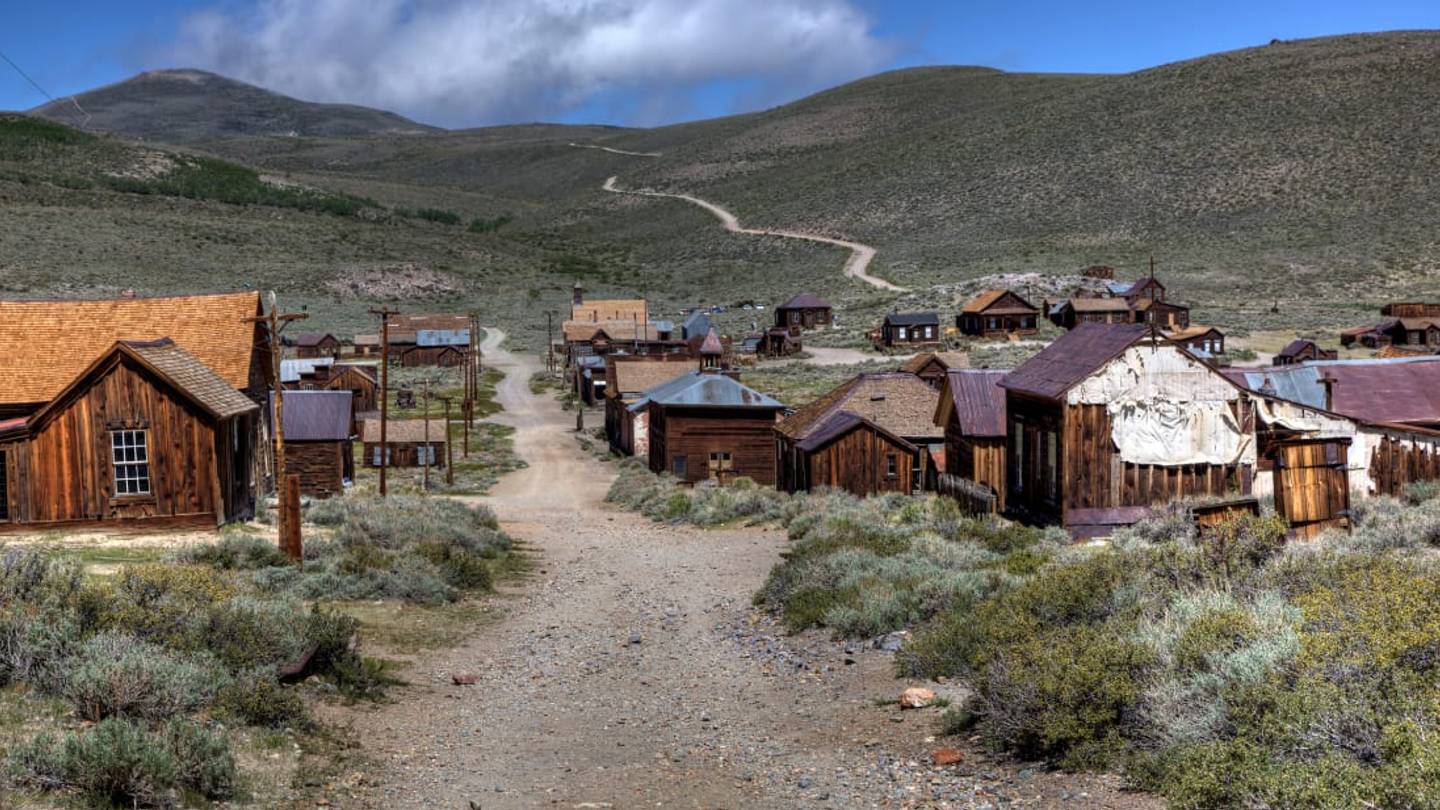
Bodie State Historic Park may be the gold standard of American ghost towns. Once a rough-and-rowdy mining camp in the eastern Sierra, Bodie grew into a bustling gold town with thousands of residents, streets lined with wooden buildings, and enough saloons to keep the local gossip industry fully employed. Today, it is preserved in a state of “arrested decay,” meaning the buildings are stabilized but not restored into shiny theme-park perfection.
That is exactly what makes Bodie powerful. The town does not feel polished. It feels paused. Interiors still contain old furniture, shelves, bottles, tools, and everyday objects left behind as if the residents only stepped out for a very long lunch. Visitors can walk the streets, see the church, schoolhouse, homes, mining structures, cemetery, and stamp mill area, and get a rare look at what a late-19th-century boomtown looked like after the boom packed its bags.
Travel Tip
Bodie sits at high elevation and the road can be rough or snowy depending on the season. Check conditions before driving, and treat the site with respect. The famous “Bodie curse” warns against taking artifacts, but the better reason is simple: once something is removed, everyone after you loses a piece of the story.
2. Rhyolite, Nevada
A Desert Boomtown Near Death Valley
Rhyolite is one of the most dramatic ghost towns in the American Southwest. Located near Beatty, Nevada, just outside Death Valley National Park, it rose quickly after gold discoveries in the early 1900s. Like many boomtowns, Rhyolite went from “future metropolis” to “well, this is awkward” in a short span of years.
At its peak, the town had a bank, train depot, school, jail, hotels, electric lights, and impressive stone buildings. The Panic of 1907, declining mine production, and vanishing investment helped pull the plug. By the 1910s, Rhyolite was fading fast. Today, visitors can see the striking remains of the Cook Bank Building, the old train depot, the bottle house, crumbling walls, and desert views that seem designed for moody Western movie posters.
What Makes It Special?
Rhyolite feels cinematic because its ruins stand in a wide-open desert landscape. It is easy to imagine the confidence of the town’s foundersand even easier to see how fragile that confidence was. Nearby, the Goldwell Open Air Museum adds surreal desert art to the experience, making Rhyolite a rare place where frontier history and modern weirdness politely share the same dusty parking lot.
3. Kennecott, Alaska
Copper, Ice, and a Giant Red Mill
Kennecott is not your average roadside ghost town. Located inside Wrangell-St. Elias National Park and Preserve, it is remote, rugged, and unforgettable. This former copper mining town is famous for its towering red mill building, dramatic mountain scenery, and location near the Kennicott Glacier. Yes, the spellings are different. History apparently had autocorrect problems too.
Kennecott became one of the great copper mining sites of the early 20th century. Workers, engineers, families, and railroad crews helped build an industrial community in a wild Alaskan landscape. When the mines closed in the late 1930s, the town was largely abandoned. Today, the National Park Service preserves many of the buildings and interprets the site as a National Historic Landmark.
Why It Belongs on Your List
Kennecott offers a bigger, colder, more mountainous version of the ghost town experience. Instead of a desert main street, you get massive industrial structures, glacier views, and stories of ambition pushed to the edge of the map. Guided tours are often the best way to understand the mill, the mining process, and the sheer effort required to operate in this remote corner of Alaska.
4. Garnet, Montana
One of Montana’s Best-Preserved Ghost Towns
Garnet Ghost Town sits in the mountains east of Missoula and is managed by the Bureau of Land Management. In the 1890s, about a thousand people lived here during the gold boom. Miners, families, shopkeepers, saloon owners, and hopeful fortune seekers built a community high in the Garnet Range. Then the gold faded, the population shrank, and the town slipped into ghost-town status.
Unlike many abandoned mining camps that collapsed into vague piles of “historic splinters,” Garnet still has a strong sense of place. Visitors can explore preserved cabins, stores, a saloon, a hotel, and interpretive displays that explain daily life in the mining era. It is quieter than some famous ghost towns, which makes it feel personal and immersive.
Seasonal Experience
Summer visitors can drive in and walk the town, while winter access may involve snowmobiles, skis, or snowshoes depending on conditions. A winter visit sounds romantic until you realize historic miners did not have heated seats, espresso, or the option to complain online. Still, the snowy version of Garnet is gorgeous for travelers prepared for the cold.
5. St. Elmo, Colorado
A High-Country Mining Town With Serious Charm
St. Elmo is one of Colorado’s most beloved ghost towns, located in the Sawatch Range near Buena Vista. Founded in the mining boom of the late 19th century, the town once had hotels, a schoolhouse, a telegraph office, a general store, mining claims, and enough optimism to power a small mountain economy.
When mining declined and rail service ended, St. Elmo slowly emptied out. Yet many buildings remained, giving visitors a wonderfully preserved look at a Colorado mining town. The wooden storefronts and mountain backdrop make it especially photogenic. If ghost towns had yearbook photos, St. Elmo would definitely write, “Stay spooky, never change.”
What to Do There
Visitors can walk the main street, photograph historic buildings, explore nearby mountain roads, and use the area as a base for off-road routes and scenic drives. The town is popular, so arrive with patience and respect private property signs. Some buildings are not open to the public, and “old” does not mean “available for climbing.”
6. Bannack, Montana
Montana’s First Territorial Capital
Bannack State Park is one of the most historically important ghost towns in the United States. Gold was discovered nearby in 1862, and the town quickly became a major settlement. In 1864, Bannack briefly served as Montana’s first territorial capital. That is a serious résumé for a place now best known for creaky buildings and atmospheric silence.
Today, Bannack preserves the feel of an Old West town with rows of historic structures, including homes, hotels, public buildings, and commercial spaces. Walking through Bannack is less like visiting a single attraction and more like wandering through a whole abandoned community. The broad street, wooden facades, and surrounding hills make it easy to picture wagons, miners, merchants, and the occasional person making terrible decisions in a saloon.
Why It Stands Out
Bannack offers depth. It is not just a mining camp; it is tied to Montana’s political beginnings, gold rush history, frontier law, and community life. Families, history fans, photographers, and road-trippers can all find something to love here. The park also hosts events that bring living-history elements to the site, adding voices and motion to a place that is usually defined by stillness.
7. Calico, California
A Restored Silver Rush Ghost Town
Calico Ghost Town, near Barstow and Yermo in San Bernardino County, is a different kind of ghost town experience. It is restored, visitor-friendly, and more developed than many remote sites. If Bodie is the quiet historian in dusty boots, Calico is the lively cousin who shows up in a cowboy hat and sells you a sarsaparilla.
Founded after silver discoveries in the early 1880s, Calico became a busy mining town. When silver lost value in the 1890s, the town declined and was eventually abandoned. Later, Walter Knott of Knott’s Berry Farm fame helped restore Calico, and it became a county regional park. Today, visitors can enjoy historic buildings, mine tours, shops, restaurants, campgrounds, seasonal events, and family-friendly activities.
Best For
Calico is excellent for travelers who want ghost town atmosphere without needing a high-clearance vehicle, a backcountry map, or the ability to identify three kinds of rattlesnake from a distance. It is more commercial than some ghost towns, but it remains a fun introduction to California’s silver rush history.
8. Thurmond, West Virginia
A Coal and Railroad Ghost Town
Not every American ghost town belongs to the desert West. Thurmond, located in New River Gorge National Park and Preserve, tells a different story: coal, railroads, river valleys, and Appalachian industry. During the early 1900s, Thurmond was a classic boomtown. Coal flowed from nearby mines, money moved through local banks, and the Chesapeake & Ohio Railway made the town a major transportation hub.
The depot once served huge numbers of passengers, and the town’s business district buzzed with hotels, boarding houses, railroad workers, coal operators, and travelers. As coal patterns changed and transportation shifted, Thurmond declined. Today, the National Park Service preserves the depot and historic district, allowing visitors to walk through a fascinating Appalachian ghost town with a very different mood from the mining camps of the West.
Why Visit?
Thurmond is perfect for travelers who love rail history, industrial heritage, and atmospheric old streets. It also pairs beautifully with hiking, rafting, scenic drives, and overlooks in New River Gorge. The surrounding landscape is lush and green, proving that ghost towns do not need tumbleweeds to be haunting.
9. Elkmont, Tennessee
The Ghost Town of the Great Smoky Mountains
Elkmont, inside Great Smoky Mountains National Park, is one of the most unusual ghost towns in America. Its story begins with logging, railroads, mountain settlement, and later vacation cabins used by families escaping summer heat. By the early 20th century, Elkmont had grown into a company town connected to the Little River Lumber Company and Railroad. Later, parts of the area became a rustic resort community.
When Great Smoky Mountains National Park was created, properties were eventually transferred, leases expired, and many buildings fell into disrepair. The result was a haunting collection of empty cabins tucked into the woods. Preservation work has saved important structures, especially in the Daisy Town area, where visitors can now walk among restored and stabilized cabins.
What Makes It Different?
Elkmont feels less like a classic “wanted posters and mine shafts” ghost town and more like a forgotten summer memory. Instead of desert dust, you get moss, trees, mountain air, and cabins that seem to whisper about porch chairs, family vacations, and screen doors slamming in the evening. It is eerie, but also tender.
10. Terlingua, Texas
A Desert Ghost Town With a Living Personality
Terlingua sits near Big Bend National Park and Big Bend Ranch State Park in far West Texas. It began as a mining community tied to cinnabar, the ore used to produce mercury, also known as quicksilver. When mining declined, Terlingua emptied out and became a true ghost town. Then something interesting happened: the place developed a second life.
Today, Terlingua is part ruins, part desert community, part traveler hangout, and part “how is this place real?” experience. Visitors can explore the old cemetery, see mining-era ruins, stop by the Trading Company, eat at the Starlight Theatre, enjoy desert sunsets, and use the town as a base for Big Bend adventures. Terlingua has residents, businesses, lodging, and plenty of personality, so it is not abandoned in the purest sense. But its ghost town core remains one of the most atmospheric places in Texas.
Best Moment to Visit
Sunset in Terlingua is the main event. The desert turns gold, the mountains go purple, and the old ruins look like they are posing for an album cover. Stay after dark if you can. The stars in Big Bend country are not shy.
How to Visit American Ghost Towns Responsibly
Ghost towns are fun, but they are not playgrounds. Many buildings are fragile, floors may be unstable, nails may be waiting for your shoes with villainous patience, and old mine shafts can be extremely dangerous. Stay on marked paths, obey closures, do not enter unsafe structures, and never climb on ruins for photos. Your Instagram caption is not worth becoming a cautionary brochure.
Leave artifacts where they are. A bottle, hinge, stove part, or broken dish might look like junk, but it helps historians and future visitors understand the site. Removing objects damages the story. The best souvenir is a photograph, a memory, or maybe a sticker from the gift shop if the ghost town has entered its merchandising era.
Also, prepare for remote conditions. Many ghost towns sit in deserts, mountains, or areas with limited cell service. Bring water, snacks, layers, sun protection, a paper map or downloaded directions, and the right vehicle for the road. Weather can change quickly at high elevation, and desert heat can turn a short stroll into a sweaty negotiation with your life choices.
What Visiting Ghost Towns Really Feels Like: A Traveler’s Experience
The first thing you notice in a ghost town is the quiet. Not total silencethere is usually wind, gravel under shoes, birds, a distant car door, maybe a kid asking if ghosts have Wi-Fibut a deeper kind of quiet. It is the quiet of a place that used to have a schedule. People woke up here. They opened shops, cooked breakfast, walked to work, argued, danced, got sick, fell in love, chased paychecks, and complained about the price of something. Then slowly, one by one, they left.
That is what makes ghost towns so addictive for travelers. They do not simply show you abandoned buildings. They show you interrupted routines. In Bodie, a room stocked with old goods makes you wonder who last touched the counter. In Thurmond, the empty rail town makes you imagine trains arriving with noise, steam, and urgency. At Elkmont, the cabins feel like someone should still be reading on the porch. In Terlingua, the cemetery and desert ruins remind you that ghost towns are not just about economic decline; they are about communities that lived hard in difficult landscapes.
The experience is also surprisingly personal. A museum often tells you what to think, with labels and polished exhibits. A ghost town gives you space. You walk, observe, and build the story in your head. A collapsed wall becomes a question. A schoolhouse becomes a whole generation. A general store becomes every forgotten errand. Even the most tourist-friendly places, like Calico, still carry the basic truth that towns are temporary arrangements between people, money, geography, and hope.
There is humor in the experience too. You may find yourself admiring a miner’s cabin and then remembering you get cranky when hotel Wi-Fi requires two logins. You may look at a windswept main street and realize that “rustic charm” is more charming when you are not personally responsible for hauling water, chopping wood, or surviving winter in Montana. Ghost towns are excellent teachers of humility. They remind modern travelers that our ancestors were tough, messy, ambitious, and sometimes spectacularly bad at long-term economic planning.
The best way to visit is slowly. Do not rush from building to building just to collect photos. Read the signs. Notice the landscape. Ask why the town was built there, what supported it, what killed it, and what survived. Look for small details: wallpaper, porch steps, stove pipes, cemetery markers, railroad grades, mine tailings, window glass, and the way buildings lean toward the weather. These details make the difference between “I saw an old town” and “I understood why this place mattered.”
Most of all, ghost towns create a strange emotional blend: curiosity, sadness, wonder, and gratitude. You feel lucky that these places still exist, and a little responsible for helping them last. When you leave, the town stays behind in the dust, trees, mountains, or desert light. That is the magic. A good ghost town does not follow you home like a horror movie spirit. It follows you home like a question: What will remain of the places we build today?
Conclusion: Why American Ghost Towns Are Worth the Trip
American ghost towns are some of the most fascinating historic destinations in the country because they make history feel physical. You are not just reading about boom-and-bust economies, mining rushes, railroad expansion, logging camps, or frontier life. You are standing in the streets those forces created.
From Bodie’s arrested decay to Rhyolite’s desert ruins, from Kennecott’s towering mill to Elkmont’s forest cabins, each town tells a different version of the same human story: people followed opportunity, built communities, faced hardship, and left traces behind. Some places became parks. Some became tourist towns. Some remain quiet reminders that no boom lasts forever.
If you love road trips, photography, history, strange places, or travel with a little atmosphere, these 10 American ghost towns deserve a spot on your list. Just remember the golden rules: check conditions, respect the site, take only photos, and leave the ghosts their furniture.