If wheat flour is the reliable old pickup truck of the baking world, cassava flour is the surprisingly stylish crossover that pulls into the driveway and says, “Yes, I can handle pancakes, tortillas, cookies, and gravyplease stop looking so shocked.” Made from the cassava root, also known as yuca or manioc, cassava flour has become a favorite in gluten-free, grain-free, paleo-friendly, and allergy-conscious kitchens because it behaves more like all-purpose flour than many other alternatives.
That does not mean cassava flour is magic dust. It is not a perfect one-for-one swap in every recipe, and it can turn baked goods gummy if used carelessly. But when you understand what it is, how it tastes, how it absorbs liquid, and where it performs best, cassava flour becomes one of the most useful gluten-free flours in the pantry.
This guide explains what cassava flour is, how it differs from tapioca flour, how to bake and cook with it, what to watch for nutritionally, and how to avoid common mistakes. Consider this your friendly, flour-dusted roadmap.
What Is Cassava Flour?
Cassava flour is a fine, powdery flour made from the whole cassava root. The root is peeled, dried, and ground into flour. Unlike wheat flour, it contains no gluten. Unlike many nut flours, it is also naturally nut-free. And unlike coconut flour, it does not taste like someone dropped a tropical candle into your muffin batter.
Cassava itself is a starchy tuber widely used in Latin American, Caribbean, African, and Asian cuisines. It is a staple crop in many parts of the world because it grows well in challenging climates and provides a concentrated source of carbohydrates. In the United States, cassava flour is most commonly found in gluten-free baking sections, natural food stores, online shops, and increasingly in mainstream supermarkets.
What Does Cassava Flour Taste Like?
Cassava flour has a mild, neutral, slightly earthy flavor. That neutrality is one of its biggest advantages. Almond flour tastes nutty. Coconut flour tastes unmistakably coconutty. Chickpea flour can taste beany. Cassava flour, meanwhile, mostly steps politely into the background and lets the chocolate chips, cinnamon, herbs, cheese, or garlic do the talking.
Its texture is also relatively fine and soft, which helps it blend into batters and doughs without the gritty mouthfeel sometimes associated with gluten-free baking. This is why many home cooks reach for cassava flour when they want gluten-free pancakes, crepes, flatbreads, muffins, brownies, biscuits, or pizza crusts that do not announce themselves as “alternative” on the first bite.
Cassava Flour vs. Tapioca Flour: What’s the Difference?
Cassava flour and tapioca flour come from the same plant, but they are not the same ingredient. This is where many recipes go off the rails, usually followed by someone staring sadly at a bowl of paste.
Cassava flour is made from the whole cassava root. It contains more of the root’s natural fiber and structure. Tapioca flour, also called tapioca starch, is the extracted starch from cassava. It is lighter, stretchier, and more useful as a thickener or as part of a gluten-free flour blend.
Think of cassava flour as a flour and tapioca flour as a starch. Cassava flour can help form tortillas, muffins, pancakes, and cookies. Tapioca starch is better for thickening sauces, creating chew in gluten-free breads, or adding crispness to coatings. In some recipes they overlap, but they are not automatically interchangeable.
Is Cassava Flour Gluten-Free?
Yes, cassava flour is naturally gluten-free. Gluten is the protein found in wheat, barley, rye, and related grains that gives traditional dough its stretch and structure. Since cassava is a root vegetable rather than a grain, it does not contain gluten.
That makes cassava flour useful for people following a gluten-free diet, including those with celiac disease or gluten sensitivity. However, anyone who must strictly avoid gluten should look for products labeled gluten-free and check for cross-contact warnings. A flour can be naturally gluten-free and still be processed in a facility that handles wheat.
Is Cassava Flour Healthy?
Cassava flour can absolutely fit into a balanced diet, but it should not be treated like a superfood wearing a cape. It is primarily a carbohydrate-rich flour. It is naturally gluten-free and grain-free, and it contains some fiber because it is made from the whole root. It may also contain resistant starch, a type of carbohydrate that can behave somewhat like fiber in the digestive system.
Still, cassava flour is not especially high in protein or fat. Compared with almond flour, it is much lower in fat and protein. Compared with whole-wheat flour, it is usually lower in certain vitamins and minerals unless a recipe is balanced with other nutrient-dense ingredients.
The best way to use cassava flour is as a practical ingredient, not a nutritional miracle. Pair it with eggs, yogurt, seeds, nuts, beans, vegetables, lean proteins, or fruit to build meals and snacks that are more satisfying and balanced.
A Safety Note About Cassava
Raw cassava must be properly prepared because the plant naturally contains compounds that can produce cyanide if not processed correctly. Commercial cassava flour from reputable brands is processed to make it safe for cooking and baking. Do not grind raw cassava at home without understanding proper preparation methods.
Another practical note: recent food-safety testing has raised concerns about lead levels in some cassava-based products. That does not mean every bag of cassava flour is dangerous, but it does mean cassava flour should be used thoughtfully rather than as the only flour in your kitchen every single day. Variety is smart. Rotate cassava flour with other gluten-free options such as oat flour, buckwheat flour, sorghum flour, millet flour, rice flour, almond flour, or certified gluten-free blends.
How to Use Cassava Flour in Cooking and Baking
Cassava flour is popular because it often behaves more like wheat flour than many gluten-free flours. The key word is “often.” It can work beautifully, but it still has its own personality. Imagine all-purpose flour’s cousin who looks similar but drinks more water and occasionally overreacts.
1. Use It in Pancakes, Waffles, and Crepes
Pancakes are one of the easiest ways to start with cassava flour. Its mild flavor and soft texture create tender pancakes without the grainy quality some gluten-free flours bring. For best results, let the batter rest for five to ten minutes before cooking. This gives the flour time to hydrate and helps the pancakes hold together.
If the batter thickens too much as it sits, add a splash of milk or water. Cassava flour can absorb liquid quickly, so the perfect batter at minute one may become pancake cement by minute eight. Delicious pancake cement is still cement.
2. Make Soft Tortillas and Flatbreads
Cassava flour shines in tortillas and flatbreads because it can create a flexible dough when mixed with warm water, oil, salt, and sometimes a little baking powder. The dough should feel soft and pliable, not dry or crumbly. Roll it between parchment paper, then cook on a hot skillet until lightly browned.
Use cassava flour tortillas for tacos, breakfast wraps, quesadillas, sandwich wraps, or quick personal pizzas. If the dough cracks when rolling, it usually needs a little more moisture. If it sticks aggressively to everything including your hopes and dreams, dust with more flour and chill the dough briefly.
3. Try It in Cookies and Brownies
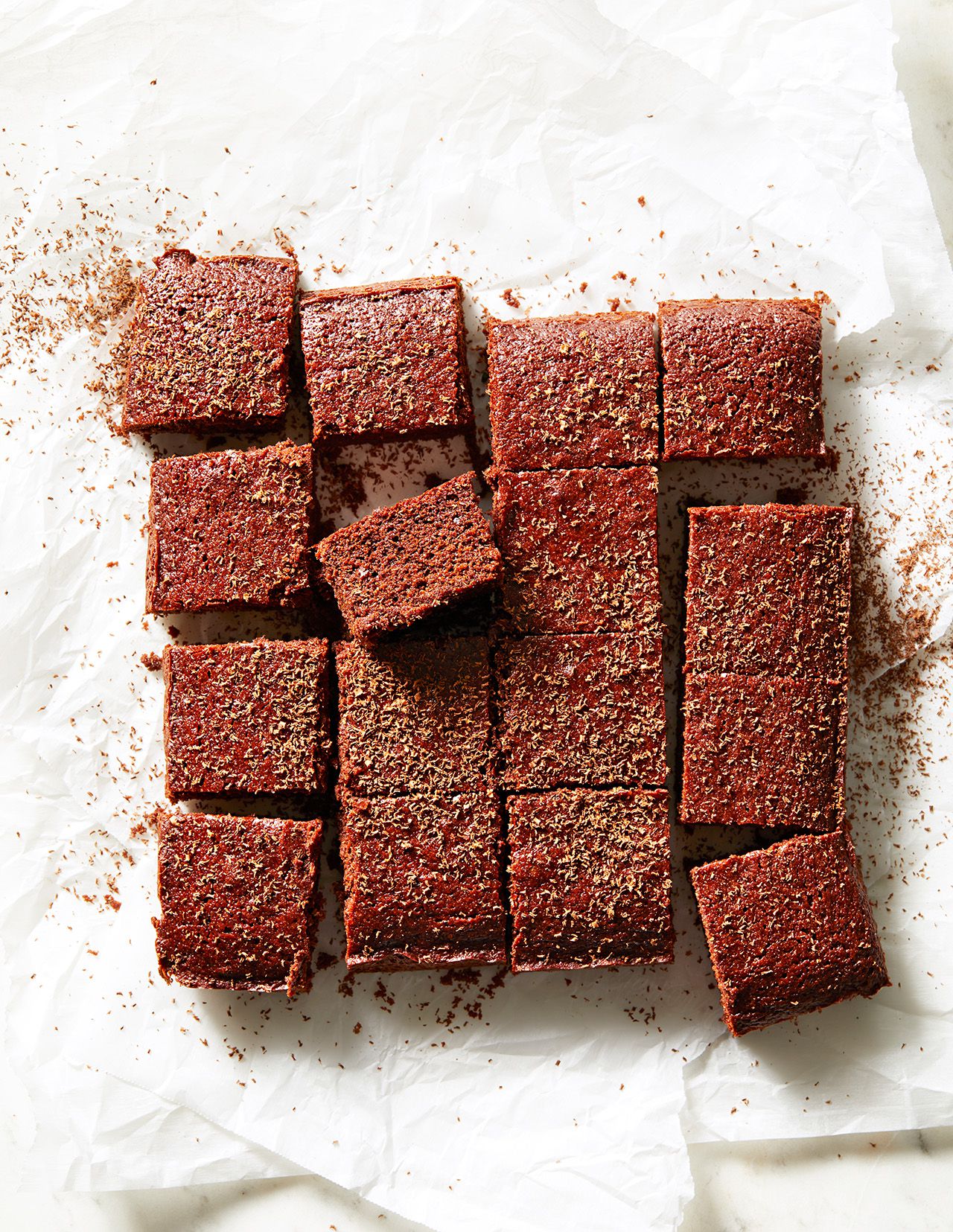
Cassava flour can work well in cookies and brownies because those recipes usually rely more on fat, sugar, eggs, and flavorings than on gluten development. Chocolate chip cookies made with cassava flour can have crisp edges and chewy centers. Brownies can turn out fudgy and rich.
The trick is not to overmeasure. Cassava flour is dense, so scooping it straight from the bag can pack too much flour into the cup. For better results, spoon it into the measuring cup and level it off, or use a kitchen scale. Too much cassava flour can make cookies dry and brownies oddly bouncy.
4. Use It as a Thickener for Sauces and Gravies
Cassava flour can thicken sauces, soups, and gravies, though it behaves differently from cornstarch or tapioca starch. Whisk it with cold liquid first to make a slurry, then add it to hot liquid while stirring. This helps prevent lumps.
For gravy, start with a small amount and add more only if needed. Cassava flour can thicken quickly, and there is a fine line between silky gravy and something that could patch drywall.
5. Use It for Breading and Coating
Cassava flour makes a useful gluten-free coating for chicken, fish, tofu, vegetables, or fritters. Season it with salt, pepper, garlic powder, paprika, cayenne, dried herbs, or grated Parmesan if your diet allows. Dip the food in egg or buttermilk, coat with seasoned cassava flour, and pan-fry, air-fry, or bake.
The result is usually light and crisp, especially when the coating is not too thick. For extra crunch, combine cassava flour with tapioca starch, rice flour, or crushed gluten-free crackers.
Can You Substitute Cassava Flour 1:1 for All-Purpose Flour?
Sometimes, yes. Always, no. Cassava flour is often marketed as a one-to-one substitute for wheat flour, and in simple recipes it may work that way. Pancakes, flatbreads, quick cookies, and some muffins may tolerate a direct swap.
However, cassava flour tends to be more absorbent than all-purpose flour and lacks gluten’s elasticity. In many recipes, it is better to start with slightly less cassava flour than the wheat flour called for, then adjust. A common approach is to begin with about three-fourths cup cassava flour for every one cup of all-purpose flour and add more only if the batter or dough needs it.
Recipes that depend heavily on gluten structure, such as sandwich bread, yeasted rolls, laminated pastries, and chewy pizza dough, usually need more support. That might mean eggs, psyllium husk, xanthan gum, tapioca starch, or a blend of gluten-free flours.
Best Recipes to Make With Cassava Flour
Once you understand how cassava flour behaves, it becomes incredibly versatile. Here are some of the best places to use it.
Cassava Flour Pancakes
Use cassava flour with eggs, milk, baking powder, vanilla, a little sugar or maple syrup, and melted butter or oil. The pancakes cook up tender and mild, perfect with berries, bananas, or peanut butter.
Cassava Flour Tortillas
Mix cassava flour with warm water, oil, and salt. Roll thin and cook in a dry skillet. These tortillas are excellent for tacos, wraps, and quick lunches.
Gluten-Free Brownies
Cassava flour works beautifully with cocoa powder, melted chocolate, eggs, sugar, and butter. Because brownies are meant to be dense and fudgy, cassava’s structure fits right in.
Grain-Free Banana Bread
Use cassava flour with mashed bananas, eggs, oil, cinnamon, and baking soda. Let the batter rest before baking so the flour hydrates evenly.
Gluten-Free Chicken Tenders
Season cassava flour generously, dip chicken strips in egg, coat, and bake or air-fry. The flour creates a light crust without wheat.
Common Cassava Flour Mistakes to Avoid
Using Too Much Flour
Cassava flour is dense and absorbent. Too much can make baked goods dry, heavy, or gummy. Measure lightly or weigh it.
Skipping the Resting Time
Batters and doughs often improve after resting for five to ten minutes. This allows the flour to absorb liquid evenly.
Expecting It to Behave Exactly Like Wheat
Cassava flour is useful, but it does not contain gluten. Recipes that need stretch, rise, or chew may require binders or flour blends.
Confusing It With Tapioca Starch
Remember: cassava flour is whole-root flour; tapioca starch is extracted starch. They are cousins, not twins.
Ignoring Moisture
If your batter looks too thick, add liquid one tablespoon at a time. Cassava flour often needs small adjustments.
How to Store Cassava Flour
Store cassava flour in an airtight container in a cool, dry place. If you live in a humid climate or do not use it often, keep it in the refrigerator or freezer to extend freshness. Always check for off smells, discoloration, or clumping caused by moisture.
Because cassava flour is usually more expensive than regular flour, storage matters. No one wants to throw away a specialty flour that cost more than lunch.
My Real-World Experience Using Cassava Flour
The first time I used cassava flour, I treated it like regular all-purpose flour. This was bold. It was also wrong. I made pancakes, swapped the flour cup for cup, stirred confidently, and walked away for a few minutes. When I came back, the batter had transformed from pourable to something closer to spackle. The pancakes still cooked, but they were thick enough to qualify as edible seat cushions.
Lesson one: cassava flour absorbs liquid like it has been wandering through the desert. Now, when I make cassava flour pancakes, I start with less flour or add extra milk after the batter rests. I also keep the batter slightly looser than I think it should be. By the time the skillet is hot, it usually thickens to the right consistency.
My best cassava flour success has been tortillas. A simple dough of cassava flour, warm water, olive oil, and salt can become soft, flexible wraps that actually bend instead of snapping like gluten-free roofing shingles. The key is warm water and patience. If the dough feels dry, I add water by the teaspoon. If it feels sticky, I dust lightly with flour. Rolling between parchment paper makes the process much less dramatic.
Cookies were another pleasant surprise. Cassava flour chocolate chip cookies can turn out chewy in the middle and crisp around the edges. I learned to chill the dough for at least 20 minutes because warm cassava cookie dough spreads too quickly. I also prefer recipes with enough fat and brown sugar to keep the texture soft. A dry cassava cookie is not a cookie; it is a tiny lesson in regret.
For savory cooking, cassava flour has earned a permanent spot in my “quick fix” category. It works well for coating chicken before pan-frying and for thickening gravy when I want a gluten-free option. The coating browns nicely, especially with paprika, garlic powder, and a little black pepper. For gravy, I always whisk the flour into cold broth first. Adding it straight to hot liquid is how lumps are born, and lumps have never improved dinner.
My biggest takeaway is that cassava flour rewards attention. It is not difficult, but it asks you to notice texture. Is the dough cracking? Add moisture. Is the batter turning heavy? Loosen it. Is the bread gummy? Use a blend next time instead of 100 percent cassava. Once I stopped expecting cassava flour to copy wheat flour perfectly, I started appreciating what it does well.
I now use cassava flour most often for pancakes, tortillas, brownies, coatings, and small-batch experiments. I do not use it as my only flour, and I do not assume every recipe will accept it without adjustments. But when it works, it really works. It gives gluten-free cooking a soft, neutral, flexible base that feels approachable even for beginners. In other words, cassava flour is not the boss of the pantrybut it definitely deserves a parking spot near the front.
Conclusion: Should You Try Cassava Flour?
Cassava flour is one of the most practical gluten-free flours for home cooks because it has a mild flavor, fine texture, and impressive versatility. It can make soft tortillas, tender pancakes, fudgy brownies, crisp coatings, and smooth gravies. It is naturally gluten-free, grain-free, and nut-free, making it especially helpful for people cooking around multiple dietary needs.
The secret is to use it with realistic expectations. Cassava flour is not wheat flour in disguise. It absorbs more liquid, lacks gluten, and performs best when recipes are designed for it or adjusted carefully. Start with proven recipes, measure lightly, let batters rest, and keep an eye on moisture. Once you get the feel for it, cassava flour can become one of the most dependable specialty flours in your kitchen.