Note: This guide focuses on practical, in-game Bell-making methods in Animal Crossing: Wild World, not heavy exploit abuse. In other words, Tom Nook may still own your soul, but at least he will respect your hustle.
If you have ever stared at your tiny house, your even tinier wallet, and Tom Nook’s suspiciously confident smile, welcome. Animal Crossing: Wild World is cozy, charming, and absolutely committed to making you work for every Bell. That is part of the fun, of course. The game rewards consistency, good habits, and the occasional willingness to sprint from a swarm of bees like your hairstyle depends on it.
The good news is that making Bells in Wild World is not about one miracle trick. It is about stacking small, smart routines until your town starts printing money for you. A beach walk becomes shell income. A fruit tree becomes an orchard. A rainy day becomes a gyroid payday. Before long, paying off your mortgage feels less like a crisis and more like a weekly annoyance.
This guide breaks down ten of the best ways to make a lot of Bells in Animal Crossing: Wild World, with practical tips, examples, and a few warnings for anyone who has ever accidentally eaten the fruit they meant to plant. It happens. No judgment.
Why Making Bells in Wild World Is All About Routine
Wild World rewards players who think like shopkeepers instead of treasure hunters. Yes, you can get lucky with a rare fish or a perfect turnip week, but the real money comes from repeatable systems. Fruit regrows. Bell rocks reset. fossils reappear. Turnip prices change. Shells wash up. Trees keep surprising you with things you did not ask for, including bees, furniture, and regret.
That means the fastest way to get rich is not to chase only rare items. It is to combine daily profit with weekly profit. Your goal is to create multiple streams of Bell income so that even on a slow day, you are still earning. Think less “lottery winner,” more “tiny woodland entrepreneur.”
10 Best Ways to Make a Lot of Bells in Animal Crossing: Wild World
1. Build a Foreign Fruit Orchard as Early as Possible
If you do only one thing from this list, make it this. Native fruit is fine, but foreign fruit is where the real orchard money begins. In Wild World, your town’s native fruit sells for less than non-native fruit, so planting every foreign fruit you get is one of the smartest long-term strategies in the game.
The trick is simple. Do not sell your first foreign fruit. Plant it. Then plant the fruit from that tree. Then plant those. A single piece of foreign fruit can snowball into an orchard that pays you every few days. Once you have a decent grove, Bell income becomes reliable instead of random.
Here is why it works so well: fruit-bearing trees regenerate, so the same investment keeps producing. If one foreign fruit tree gives you three fruits per harvest, and each fruit sells well, then twenty trees can turn a casual stroll through your town into a serious payday. It is not glamorous, but neither is financial freedom, and yet people seem to like it.
2. Plant Coconuts Along the Beach for Extra High-Value Harvests
Coconuts deserve their own strategy because they are basically the beach’s version of a side business. In Wild World, coconuts wash up on the shore and can be planted near the coast. They sell for more than native fruit, which makes them excellent for passive Bell income.
The catch is placement. Coconut trees are picky. They need to be planted close enough to the ocean to grow properly, so do not bury them way inland and then act shocked when nothing happens. Beach-adjacent planting is the move.
A good rhythm is to collect every coconut you find, save at least one for planting, and slowly create a line of palm trees near the shore. Once those trees mature, your beach stops being just scenic and starts being profitable. That is what economists call “good vibes with cash flow.”
3. Hit the Bell Rock Every Single Day
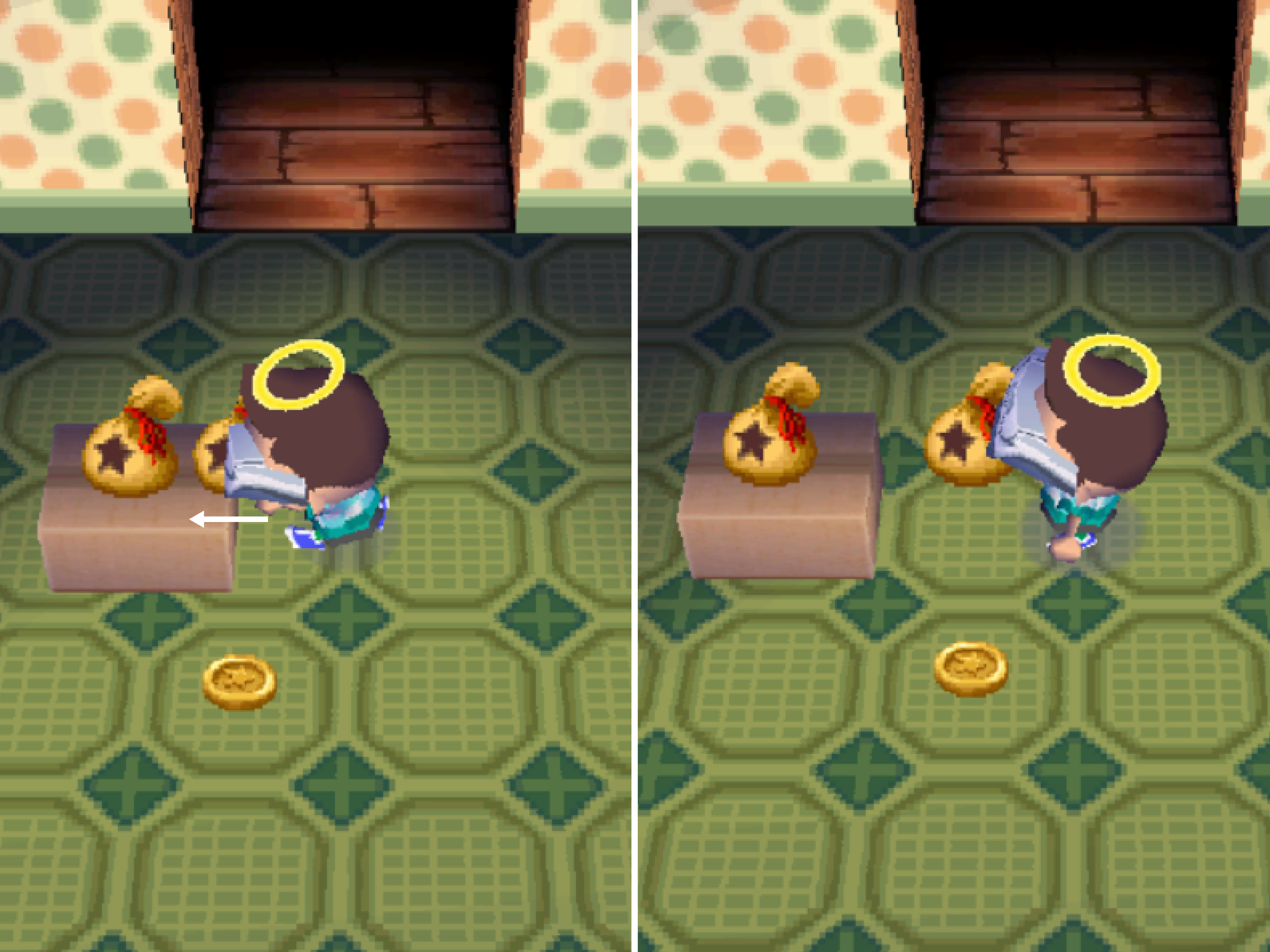
One rock in town becomes the Bell rock each day, and if you hit it quickly enough, it spits out a series of money bags. This is one of the easiest daily sources of guaranteed Bells in the game. It is not flashy, but it is dependable, and dependable money is beautiful money.
The secret is positioning. Dig holes behind or beside your character so recoil does not push you away from the rock. Then strike fast. If you do it properly, you can squeeze out the full payout instead of fumbling around while the rock silently judges you.
This is one of those habits that separates casual Bell earners from serious mortgage destroyers. Skip it for a week, and you lose a tidy pile of easy cash. Do it every day, and it becomes part of your automatic income stream.
4. Shake Non-Fruit Trees for Bell Bags, Furniture, and Bees
Shaking trees is the kind of advice that sounds silly until it starts paying your bills. Non-fruit trees can hide Bell bags, furniture, and bee hives. The Bell bags are nice, the furniture can be sold if you do not want it, and bees can be surprisingly valuable if you catch them instead of panicking like you just opened a cursed present.
The best approach is to keep your net ready before you shake. Stand at the front of the tree, shake it, and be prepared to swap fast if a hive drops. If you catch the bee instead of getting stung, the payoff is much better than just running for your life and pretending that was the plan all along.
This method also has a nice side effect: it encourages a full town sweep. That means you are more likely to notice dig spots, shells, and anything else worth selling while you are doing your tree patrol.
5. Dig Up Fossils Every Day and Sell the Duplicates
Fossils are one of the most reliable money makers in Wild World. Every day, look for those telltale cracks in the ground and dig them up. Then take the fossils to Blathers for identification before you decide what to do with them.
This matters because unidentified fossils are not where the value is. Once Blathers identifies them, you can donate anything your museum needs and sell the duplicates for solid Bell income. Over time, duplicates become a steady source of money without much extra effort.
It is a lovely system because it lets you progress and profit at the same time. Your museum fills out, your wallet grows, and Blathers gets to be dramatically excited about ancient bones. Everybody wins, especially your bank account.
6. Do Fast Beach Sweeps for Shell Money
Beach foraging is not the most glamorous way to make Bells, but it is one of the quickest. Shells respawn along the shoreline, and picking them up takes almost no skill. If you only have a few minutes to play, a beach sweep is one of the easiest ways to leave with something to sell.
The beauty of shell collecting is that it stacks neatly with your coconut routine. Walk the beach, grab shells, check for coconuts, and keep moving. You are already there, so you might as well turn that relaxing seaside walk into an invoice.
This is especially useful early in the game when tools are limited and your Bell options feel small. Shells may not make you rich by themselves, but they absolutely help fund bigger strategies. Think of them as your low-effort, no-drama cash reserve.
7. Fish With a Seasonal Target Instead of Random Hope
Fishing becomes much more profitable when you stop catching everything and start hunting the right shadows during the right seasons. Wild World has high-value fish that can massively outperform the usual river filler, especially if you focus on big shadows, finned shadows, or rainy weather opportunities.
For example, tuna can bring in excellent money during their season, while sharks and coelacanths are the kind of catches that make you sit up in your chair like you just got promoted. When those fish are available, your rod should basically be glued to your hand.
The smart approach is to learn which fish are worth your time in the current month. A random all-day fishing spree is fun, but a targeted fishing session is how you make real Bells. In other words, do not just fish emotionally. Fish strategically.
8. Catch Bugs, Especially the Ones That Punish Cowardice
Bug catching can be a quiet money maker, but in Wild World, some bugs are especially worth the effort. Bees are the obvious stars here because they sell for a strong price, but seasonal bugs can also pad your profits when you know what to look for.
The funniest part of this method is that the scariest moment can lead to the best payout. A bee hive falls, your fight-or-flight response activates, and suddenly your income depends on whether your hands remember what the A button does. It is weirdly thrilling for such a cute game.
If you want bug catching to be efficient, treat it like a route. Walk your town, shake trees carefully, check flower areas, and pay attention to season changes. The more consistent you are, the more likely you are to catch profitable insects instead of just collecting stories about getting stung in front of your villagers.
9. Use the White Turnip Stalk Market Like a Calm, Rational Maniac
The turnip market is one of the fastest ways to make a lot of Bells in Animal Crossing: Wild World, but it comes with risk. You buy white turnips from Joan on Sunday morning, then monitor Tom Nook’s prices during the week. Since prices change twice a day, morning and afternoon both matter.
This is not a method for lazy players. It is a method for spreadsheet goblins, note-takers, and people who enjoy saying things like, “I am waiting for a better margin.” If that sounds like you, congratulations, you are about to become the least chill resident in town.
The basic rule is simple: buy low enough, sell high enough, and never forget the expiration deadline. Turnips spoil by the next Sunday, so hesitation can turn investment into compost. Done well, though, the stalk market can outperform almost every daily method on this list.
10. Grow a Red Turnip Every Week for a Reliable Profit Spike
Red turnips are the quieter cousin of white turnips, but they are wonderfully dependable if you play regularly. You plant the seed, water it every day, and let it grow. By the end of the week, it can sell for a very satisfying amount.
The catch is commitment. Miss watering, and your little profit vegetable can wilt into disappointment. But if you are already checking your town daily, adding one quick watering stop is hardly a burden.
I like red turnips because they feel less chaotic than the stalk market. White turnips are Wall Street with radishes. Red turnips are a small, disciplined savings plan. You tend them, you wait, and then Tom Nook pays up. It is strangely elegant for a system built around root vegetables.
How to Stack These Methods for Faster Results
The real secret is to stop treating these as separate tricks. The best Bell-making routine in Wild World combines them into one clean loop:
- Check the beach first for shells and coconuts.
- Shake non-fruit trees with your net ready.
- Find and hit the Bell rock.
- Dig up fossils and any rainy-day gyroids.
- Harvest fruit and replant smartly.
- Fish or catch bugs based on the current season and weather.
- Check turnip prices morning and afternoon if you are investing that week.
That routine turns a short play session into layered profit. Even if one method is weak on a given day, the others keep your total moving upward. This is how you stop feeling broke in Wild World and start feeling mildly overqualified for village life.
Common Mistakes That Quietly Kill Your Bell Income
Selling your first foreign fruit
It is tempting. Do not do it. Planting is almost always the better long-term move.
Ignoring fossil identification
Take fossils to Blathers first. Selling them unidentified is like trying to sell treasure while still calling it “mystery dirt.”
Forgetting turnip price changes
If you only check Nook once a day, you are missing half the market.
Not preparing for bee catches
A ready net turns disaster into profit. A buried net turns disaster into comedy.
Leaving your beach unchecked
Shells and coconuts are easy money. Ignore them often enough, and you are basically walking past loose cash.
Experiences Players Commonly Have While Trying to Get Rich in Wild World
One of the most memorable things about trying to make a lot of Bells in Animal Crossing: Wild World is how the process slowly changes the way you see your town. At first, it feels like a cute place to wander. Then, somewhere along the way, your brain rewires itself and every corner starts looking like inventory. The beach is no longer just a beach. It is shells, coconuts, and maybe tomorrow’s profit margin. Trees stop being decoration and become financial devices with leaves. Rocks become daily appointments. Rain becomes a business opportunity. It is honestly a little ridiculous, and that is part of the charm.
There is also a very specific kind of satisfaction that comes from building wealth in small stages. You do not usually go from broke to rich in one dramatic leap. Instead, you notice that you can finally pay off a loan without emptying your pockets. Then you realize your orchard is actually producing enough fruit to matter. Then your turnip week goes well, and suddenly you are carrying around more Bells than you ever thought you would need. Wild World makes those gains feel earned because they are built out of repetition, planning, and little moments of discipline.
Of course, the experience is not always graceful. Every long-time player has stories. Maybe you sold a foreign fruit that should have been planted. Maybe you forgot to water a red turnip and stared at it like it had personally betrayed you. Maybe you bought white turnips, waited for the perfect price, and then somehow forgot they spoil. Maybe you finally found the Bell rock, hit it twice, and got pushed backward like a cartoon because you forgot to dig holes first. These mistakes are annoying in the moment, but they are also what make the Bell grind memorable. You are not just earning money. You are developing instincts.
Another common experience is the emotional roller coaster of rare catches. There are few feelings in the game quite like seeing a huge fish shadow, landing it, and realizing you just caught something worth serious money. The same goes for finally catching a bee after several failed attempts and one too many swollen-eye incidents. Those moments are small, but they feel huge because the game has trained you to value them. A big sale in Wild World feels different from easy money in newer games. It has texture. It has tension. It has a little bit of panic and a lot of relief.
Most of all, the experience of making Bells in Wild World is really about learning to enjoy routine. The richest players are rarely the ones chasing every rumor or shortcut. They are the ones who check the beach, patrol the trees, dig the fossils, watch the turnip market, and keep planting for the future. It is oddly peaceful. You start out trying to get rich, but eventually you realize the routine itself becomes part of why the game feels comforting. Even Tom Nook cannot ruin that. He can try, obviously. That raccoon was built to invoice. But once your systems are in place, you stop fearing him quite so much, and that may be the greatest luxury item in the whole game.
Final Thoughts
If you want to make a lot of Bells in Animal Crossing: Wild World, the best strategy is not a single magic trick. It is a combination of smart planting, daily collection, seasonal hunting, and careful turnip timing. Foreign fruit and coconuts build long-term wealth. Bell rocks, fossils, shells, and trees create reliable daily income. Fishing, bug catching, and turnips add the bigger spikes that speed everything up.
Put it all together, and your town becomes a very polite money machine. A weird one, yes. A leafy one, absolutely. But a money machine all the same. And once that happens, Tom Nook’s mortgage speeches start sounding a lot less threatening and a lot more like background noise from a raccoon who underestimated you.