White phenyle, also spelled white phenyl, is one of those cleaning products that looks simple until you try to make it behave. At first glance, it is just a milky floor-cleaning liquid with a pine-fresh smell. In reality, it is a carefully balanced emulsion: oil, water, surfactant, fragrance, pH control, and patience all sitting together at the same table without starting a family argument.
This guide explains how to formulate white phenyle in 10 practical steps using a safer, non-phenol approach built around pine oil and modern emulsifiers. It is written for educational, small-batch, and product-development purposes. It is not a recipe for making an EPA-registered disinfectant, and it should not be marketed with germ-killing claims unless the finished product has been tested, documented, and registered according to applicable regulations.
The goal is simple: create a stable, white, pourable pine oil floor cleaner that dilutes well in water, smells clean without trying to knock people over, and does not separate into a sad layer cake after two days on the shelf.
What Is White Phenyle?
White phenyle is traditionally a milky floor-cleaning liquid made by dispersing pine oil or similar aromatic oil into water with the help of an emulsifier. The white appearance comes from tiny oil droplets suspended throughout the water phase. When the emulsion is stable, the product looks smooth and uniform. When the emulsion fails, the oil rises, the water sinks, and the whole batch starts looking like a science fair apology.
Older versions of phenyl-type cleaners sometimes used phenolic materials such as phenol, cresols, or creosote-derived ingredients. Those substances can be hazardous and are not suitable for casual home formulation. A modern, safer article for public readers should focus on pine oil-based cleaning performance, not on handling toxic phenolic chemicals. Pine oil can still irritate skin and eyes and should be handled carefully, but it is a more practical base for a small pilot batch of a scented floor cleaner.
Before You Start: Safety, Claims, and Common Sense
White phenyle formulation is chemistry, not soup. Do not use kitchen utensils, food containers, or “this measuring cup looks clean enough” logic. Wear chemical-resistant gloves, splash goggles, long sleeves, and closed shoes. Work in a ventilated area. Keep children, pets, open flames, and snack plates far away from the mixing station.
Also, never mix phenyle with bleach, ammonia, toilet acid, drain cleaner, or unknown disinfectants. Combining cleaners can release irritating or toxic vapors. A good floor cleaner should remove soil, deodorize, and leave the surface pleasant to use. If you want to sell a product as a disinfectant, sanitizer, antibacterial cleaner, or germ killer, you need proper testing, labeling, and registration. “Smells like a forest” is not the same as “proven to kill pathogens.”
Sample Pilot Formula for White Phenyle
The following example is a starting-point pilot formula for a non-phenol pine oil emulsion cleaner. Use grams instead of teaspoons or cups because formulation is more accurate by weight. A small digital scale will save you from many mysterious failures.
| Ingredient | Suggested Range | Purpose |
|---|---|---|
| Deionized water | 700-800 g | Main diluent and continuous phase |
| Pine oil | 100-150 g | Cleaning character, fragrance, oil phase |
| White phenyle emulsifier or surfactant blend | 60-100 g | Helps disperse pine oil into water |
| Hydrotrope or co-solvent, if compatible | 10-30 g | Improves clarity, blooming, and stability |
| Sodium citrate or compatible builder | 2-8 g | Helps water hardness tolerance |
| Preservative | As supplier recommends | Protects water-based product from spoilage |
| Color or fragrance modifier | Optional, very low level | Improves appearance or scent profile |
| pH adjuster | As needed | Targets a mild alkaline pH suitable for floors |
This is not the only possible formula. Some makers use sulfonated castor oil, nonionic surfactants, anionic surfactants, pine oil compounds, or ready-made emulsifier blends designed specifically for phenyle-type cleaners. The key idea is the same: the oil phase must be emulsified properly before the product is diluted and finished.
How to Formulate White Phenyle in 10 Steps
1. Define the Product Before You Touch the Ingredients
Start by deciding what the product is supposed to do. Is it a concentrated white phenyle for later dilution? A ready-to-use floor cleaner? A budget cleaner for large commercial floors? A premium pine oil floor cleaner with a smoother fragrance?
This decision affects every other choice. A concentrate needs stronger emulsification and better dilution behavior. A ready-to-use cleaner can be lighter, less oily, and easier to pour. For most beginners, a pilot concentrate is the better learning project because separation, pH drift, and dilution problems show up clearly.
2. Choose a Safer Pine Oil-Based System
For a web-publishable and reader-friendly white phenyle formulation, choose pine oil as the main oil phase and avoid phenol, cresols, and creosote-type ingredients. Pine oil contributes the familiar sharp, clean scent associated with phenyle and helps create the traditional milky profile when properly emulsified.
Select a technical-grade pine oil from a reputable supplier and review its safety data sheet. Pine oil varies in composition and odor strength, so one supplier’s 120 grams may smell elegant while another supplier’s 120 grams may smell like a pine tree kicked down the door wearing boots.
3. Select the Right Emulsifier
The emulsifier is the peace negotiator between oil and water. Without it, pine oil floats on top and refuses to join the party. With the right emulsifier, the oil breaks into tiny droplets and stays suspended.
Common options include white phenyle emulsifier blends, sulfonated castor oil, nonionic surfactants, anionic surfactants, or combinations designed for pine oil emulsions. Ready-made emulsifier blends are usually easier for beginners because they are already balanced for this kind of product. As a starting point, many pilot batches use an emulsifier level equal to about 50-70 percent of the pine oil weight, then adjust after stability testing.
4. Prepare a Clean and Controlled Workspace
Before mixing, clean and dry all equipment. You will need a weighing scale, beakers or chemical-safe containers, a stirrer, a pH meter or pH strips, labels, gloves, goggles, and a notebook. The notebook is not optional. If a batch works and you did not write down what you did, congratulations: you have invented regret.
Label every ingredient and container. Record supplier names, batch numbers, weights, temperatures, mixing time, and observations. Product development is much easier when you can compare batches instead of guessing which one had the extra surfactant.
5. Premix the Oil Phase
Add the pine oil to a clean mixing vessel. Slowly add the emulsifier while stirring. Mix until the blend becomes uniform. Depending on the surfactant system, the premix may look clear, hazy, amber, or slightly thick. The important point is consistency: no floating blobs, no streaks, and no unmixed pockets.
If your formula includes a compatible hydrotrope or co-solvent, add it at this stage according to supplier guidance. Do not overuse solvents. Too much can increase odor, flammability concerns, cost, and irritation potential. A good formulation is balanced, not louder.
6. Prepare the Water Phase
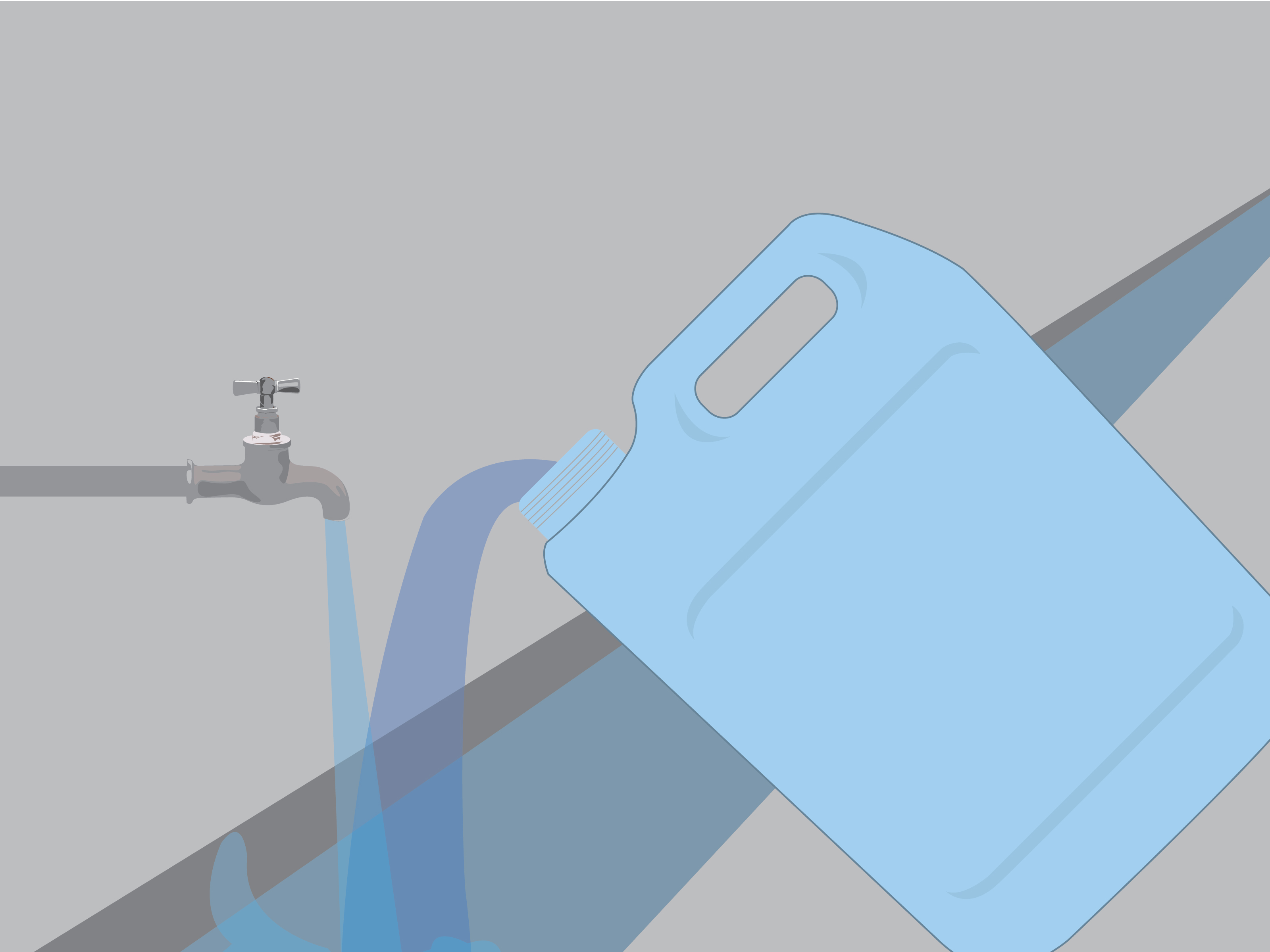
In a separate vessel, weigh the deionized water. If using sodium citrate, a compatible builder, or a water-conditioning ingredient, dissolve it fully in the water before combining phases. Deionized water is preferred because minerals in tap water can interfere with surfactants and reduce stability.
If you are using a preservative, follow the supplier’s recommended pH range and addition stage. Many preservatives fail outside their intended pH window. This is one reason pH control matters: it is not just a number; it is the neighborhood where your ingredients must live.
7. Add Water Slowly to the Oil Premix
This is the step where many batches succeed or fail. Add the water phase slowly into the oil-emulsifier premix while stirring continuously. Do not dump the entire water phase in at once. A slow addition gives the surfactant time to wrap around oil droplets and build a stable emulsion.
The mixture should begin turning milky white as the emulsion forms. If it becomes stringy, curdled, grainy, or oily, slow down and continue mixing. If separation appears immediately, the emulsifier level may be too low, the addition order may be wrong, or the pine oil and surfactant may be poorly matched.
8. Adjust pH Carefully
After the batch is uniform, measure the pH. Many floor cleaners sit in the mildly alkaline range because alkaline products can help with greasy soil. However, stronger is not always better. A very high pH can irritate skin, damage sensitive flooring, destabilize preservatives, and create labeling concerns.
For a general pine oil floor cleaner, aim for a controlled, mild alkaline range based on ingredient compatibility and intended surfaces. If pH adjustment is needed, use a properly diluted pH adjuster and add it slowly. Never add strong alkali casually. Chemical burns are not character-building.
9. Test Dilution, Appearance, and Cleaning Performance
White phenyle should dilute evenly in water and create a pleasant milky bloom. Test several dilution ratios, such as 1:20, 1:40, and 1:80, depending on the concentration of the batch. Observe whether the diluted cleaner remains uniform for a reasonable time or throws oil onto the surface.
Next, test cleaning behavior on appropriate hard surfaces. Try ceramic tile, sealed concrete, and a small hidden patch of finished flooring. Do not test first on antique wood floors unless you enjoy dramatic phone calls. Look for slip residue, streaking, strong odor, dulling, or surface damage.
10. Run Stability Checks Before Calling It Finished
A fresh batch can look perfect and still separate next week. Store samples at room temperature, in a warm area, and in a cool area. Watch for oil separation, sediment, odor change, color change, swelling containers, pH drift, or microbial spoilage. Shake one sample daily and leave another untouched to see how the formula behaves in real storage conditions.
If separation occurs, adjust the emulsifier system, reduce pine oil, improve the mixing order, or add a compatible hydrotrope. If the product is too thin, consider whether a compatible thickener is appropriate. If it leaves residue, reduce oil or surfactant level. Good formulation is a loop: make, test, learn, adjust, and repeat until the cleaner behaves like a grown-up.
Common Problems and How to Fix Them
The Product Separates
Separation usually means the oil is not properly emulsified. Increase the emulsifier slightly, change the emulsifier type, premix the oil phase longer, or add water more slowly. Also check whether hard water, fragrance oil, or pH adjustment disrupted the system.
The Cleaner Smells Too Strong
Pine oil is powerful. Reduce the pine oil level or use a softer pine fragrance modifier. Strong odor does not equal stronger cleaning. In many homes, offices, and clinics, a lower-odor product is more pleasant and more likely to be used correctly.
The Floor Feels Slippery
Slipperiness may come from too much oil, too much surfactant, poor rinsing, or overdosing during use. Lower the oil level, review dilution instructions, and test on real flooring. A floor cleaner should not turn a hallway into an accidental skating rink.
The Product Looks Too Thin
White phenyle is often expected to have some body, but thickness is not the same as quality. If viscosity matters for market appeal, use a compatible thickener only after stability testing. Adding thickener without compatibility checks can create lumps, strings, or separation.
Packaging and Labeling Tips
Use chemical-compatible plastic bottles with tight caps. Avoid thin, low-quality containers that deform, leak, or absorb fragrance. Label the product clearly with the batch number, date, intended use, dilution directions, storage instructions, and safety precautions.
Suggested safe-use language might include: “For hard, nonporous floors only. Dilute before use. Test in an inconspicuous area. Do not mix with bleach, ammonia, acids, or other cleaners. Keep out of reach of children and pets. Avoid eye and skin contact.” If selling the product, consult regulatory experts before making claims. Words like “disinfects,” “sanitizes,” “kills germs,” and “antibacterial” can trigger legal requirements.
Experience Notes: What Real Batches Teach You
After working through several white phenyle-style pilot batches, one lesson becomes obvious: the formula on paper is only the beginning. The real education happens in the beaker, on the floor tile, and three days later when the sample bottle either still looks beautiful or has separated into an oily sunrise.
The first practical experience is that addition order matters more than beginners expect. When water is poured too quickly into the oil phase, the mixture can shock itself into instability. It may look milky for five minutes, then form an oily ring at the top. Slower water addition with steady stirring usually gives a smoother emulsion. It feels boring while you are doing it, but boring is good in formulation. Exciting chemistry is often chemistry that needs a mop.
The second experience is that fragrance should be treated like seasoning, not a main ingredient. A heavy pine scent may seem appealing in the bottle, but once diluted and spread across a warm room, it can become overwhelming. The best batches smell clean after mopping, not like the building has been attacked by a Christmas tree. In real use, moderate odor wins.
The third lesson is that water quality can quietly sabotage a formula. Tap water may work in one city and fail in another because mineral content varies. Hard water can reduce surfactant performance, dull the bloom, or leave residue. Using deionized water during development gives you a cleaner baseline. After that, you can test the formula against harder water if the product is meant for broad use.
The fourth experience is that dilution instructions need testing, not guessing. A concentrate that performs nicely at 1:40 may streak at 1:10 or feel too weak at 1:100. Test the product the way a real person will use it: in a bucket, with a mop, on a slightly dirty floor, with imperfect measuring. Users rarely behave like laboratory robots. A good formula should tolerate normal use without punishing everyone for being human.
The fifth lesson is shelf stability. A product can pass the “looks good today” test and fail the “still good next month” test. Always keep labeled retain samples. Store them in different conditions and inspect them weekly. Check smell, pH, viscosity, color, and separation. If a batch separates in storage, do not pretend shaking solves everything. Consumers expect products to stay uniform without requiring a motivational speech.
Finally, the most valuable experience is learning to change one variable at a time. If you adjust pine oil, emulsifier, pH, fragrance, and water source in the same trial, you will not know which change fixed or ruined the batch. Formulation rewards patience. Make one change, record it, test it, and compare it. That disciplined approach turns white phenyle from a messy experiment into a repeatable product.
Conclusion
Formulating white phenyle is all about balance. Pine oil brings the familiar cleaning character and scent. Emulsifiers create the milky white appearance and keep the oil suspended. Water quality, pH, preservatives, dilution behavior, and stability testing decide whether the finished product is genuinely useful or merely photogenic for the first afternoon.
The safest modern approach is to formulate a non-phenol pine oil floor cleaner and avoid hazardous phenolic ingredients. Keep the product’s claims honest: call it a cleaner or deodorizing floor cleaner unless you have the testing and registration needed to support disinfectant claims. With good notes, careful mixing, and repeated stability checks, you can develop a white phenyle formula that looks clean, smells fresh, and behaves itself on the shelf.