In a world where a phone can answer a question faster than a teacher can say “open your textbook,” knowledge should be everywhere. And technically, it is. The problem is that good information, bad information, half-true information, and “my cousin’s neighbor cured everything with celery water” information all show up wearing the same digital outfit. That is why science and health literacy matters so much.
Science literacy helps people understand how evidence works, why research changes over time, and why one dramatic headline does not equal a medical breakthrough. Health literacy helps people find, understand, evaluate, and use health information to make better decisions. Together, they are not just school subjects or nice-to-have skills. They are survival tools for modern life.
When people understand science and health information, they are better prepared to ask questions at the doctor’s office, compare treatment options, read medication labels, spot misleading claims, and avoid panic when the internet starts shouting. Knowledge does not make anyone invincible, but it does give people a flashlight in a very noisy cave.
What science literacy really means
Science literacy is often misunderstood as memorizing facts: the planets, the parts of a cell, or whether mitochondria are still the “powerhouse” of the cell. They are, by the way, and they probably deserve a union.
But real science literacy goes deeper. It means understanding how scientific knowledge is built. Science asks questions, tests ideas, collects evidence, checks results, and updates conclusions when stronger evidence appears. This process can feel messy because it is not a straight line. It is more like a group project where the responsible students keep checking everyone’s work for the next hundred years.
A science-literate person does not need to be a scientist. They simply need enough understanding to recognize the difference between evidence and opinion, probability and certainty, correlation and causation, and a carefully designed study versus one person’s dramatic TikTok story filmed in a car.
Science literacy is about thinking, not memorizing
Good science literacy includes curiosity, skepticism, and humility. Curiosity asks, “How do we know?” Skepticism asks, “Is the evidence strong?” Humility says, “I might be wrong, so let’s check.” That combination is powerful because it protects people from being fooled by confident nonsense.
For example, if someone claims a supplement “boosts immunity overnight,” science literacy encourages you to ask: What does “boost” mean? Was it tested in humans? How many people were included? Was there a control group? Who funded the study? Are there risks? Suddenly, the miracle claim starts sweating under the fluorescent lights of critical thinking.
What health literacy means in everyday life
Health literacy is the ability to find, understand, and use health information and services. It includes reading prescription instructions, understanding appointment forms, comparing insurance information, following discharge instructions, asking a doctor clear questions, and knowing when a website sounds suspicious.
In the United States, health literacy is now discussed in two important ways: personal health literacy and organizational health literacy. Personal health literacy focuses on what individuals can understand and use. Organizational health literacy focuses on how well hospitals, clinics, schools, agencies, and companies make information easy to access and act on.
That second part matters. It is unfair to tell people to “make better choices” if the instructions look like they were written by a sleep-deprived robot with a legal degree. Clear communication is not dumbing things down. It is respecting people’s time, stress, language, culture, and real-life responsibilities.
Why clear health communication saves more than time
Imagine a patient leaving urgent care with a new prescription. The label says to take one tablet twice daily. Simple? Maybe. But does that mean breakfast and dinner? Every twelve hours? With food? What happens if a dose is missed? Should it be taken with another medication? For people managing several prescriptions, caregiving duties, work schedules, and anxiety, “simple” can become complicated fast.
Health literacy improves safety because people are more likely to follow instructions correctly when those instructions are clear. It also improves trust. Patients who understand what is happening are less likely to feel ignored, embarrassed, or rushed. They are more likely to speak up, ask questions, and participate in decisions.
Why science and health literacy matter more than ever
Science and health information used to move through doctors, libraries, schools, newspapers, and public institutions. Today, it also moves through search engines, influencers, comment sections, group chats, podcasts, and short videos that begin with “They don’t want you to know this.” Whenever a sentence starts that way, your eyebrows should immediately form a safety committee.
The modern information environment is fast, emotional, and crowded. Misinformation does not always look ridiculous. Sometimes it uses scientific words, dramatic charts, professional-looking websites, or personal stories that feel convincing. That is exactly why literacy matters. People need tools to evaluate information before it influences their choices.
Misinformation spreads faster when people feel confused
Health misinformation often succeeds because it speaks to fear, frustration, and hope. A person who feels dismissed by the healthcare system may be more likely to trust a simple answer from someone online. A parent worried about a child may be drawn to confident claims. A patient with a difficult diagnosis may want anything that sounds promising.
That does not make people foolish. It makes them human. Science and health literacy should not shame people for asking questions. Instead, it should give them better ways to ask, check, and decide.
The cost of low health literacy
Low health literacy can affect almost every part of healthcare. People may delay care because they do not understand symptoms. They may miss screenings because instructions are confusing. They may take medicine incorrectly because labels are unclear. They may avoid asking questions because they do not want to look uninformed.
There is also an emotional cost. Healthcare already comes with stress. Add complicated forms, medical jargon, rushed appointments, and a portal password that seems protected by a dragon, and people can feel defeated before they even get answers.
For communities facing language barriers, limited internet access, lower income, disability, discrimination, or fewer nearby healthcare services, health literacy challenges can be even greater. That is why improving health literacy is not only an individual responsibility. It is a public health and equity issue.
How science literacy helps people make better decisions
Science literacy does not tell people what to think. It teaches them how to think more carefully. That matters in daily decisions, from choosing sunscreen to understanding nutrition labels, vaccines, air quality alerts, climate risks, water safety, sleep advice, and new medical technology.
Consider headlines about food. One week coffee is a hero. The next week coffee is suspicious. Then coffee returns wearing a cape. A science-literate reader knows that nutrition research is complex. A single study rarely settles everything. Study size, methods, population, measurement, and overall evidence all matter.
The same applies to medical news. When a headline says a new treatment “may reduce risk,” the word “may” is doing a lot of work. Science literacy helps readers look for the actual size of the benefit, possible side effects, who was studied, and whether the findings apply to them.
The difference between evidence and anecdotes
Anecdotes can be meaningful, but they are not the same as evidence. If one person says a product helped them, that story may be sincere. It still does not prove the product works for most people. Symptoms can improve naturally, people may use several treatments at once, and the placebo effect can be powerful.
Scientific evidence tries to separate what feels true from what can be tested. That is why controlled studies, peer review, replication, and expert consensus matter. They are not perfect, but they are better than guessing with confidence and a ring light.
How health literacy improves doctor-patient conversations
A health-literate patient is more likely to take an active role in care. That does not mean arguing with doctors or arriving with a 47-page printout titled “Internet Research: Volume One.” It means asking useful questions and making sure the answers are understood.
Good questions include: What are my options? What are the benefits and risks? What happens if I wait? How should I take this medicine? What side effects should I watch for? When should I call you? Is there a simpler explanation or written summary?
Healthcare professionals also have a responsibility to communicate clearly. One helpful method is “teach-back,” where a patient explains the instructions in their own words. This is not a quiz. It is a way to check whether the explanation worked. If the patient is confused, the communication needs improvement.
Digital health literacy: The skill everyone needs now
Digital health literacy is the ability to search for, judge, and use health information online. It includes knowing which sources are more reliable, recognizing advertising, checking dates, understanding conflicts of interest, and avoiding websites that promise miracle cures.
Reliable health information usually comes from sources that clearly identify authors, cite evidence, update content, separate ads from editorial material, and avoid exaggerated promises. Government health agencies, major medical centers, universities, professional medical organizations, and established nonprofit health organizations are often better starting points than random viral posts.
Red flags include phrases like “secret cure,” “doctors hate this,” “works instantly,” “no side effects,” “limited-time offer,” or “cures everything.” If a product claims to treat arthritis, diabetes, cancer, fatigue, hair loss, and your printer problems, it is probably not science. It is marketing with jazz hands.
Three quick checks before trusting health information
First, check the source. Who created the information, and what are their qualifications? Second, check the evidence. Are claims backed by reputable research or just testimonials? Third, check the motive. Is the page mainly trying to educate, or is it pushing you to buy something immediately?
These checks do not take long, but they can prevent poor decisions. They also help people become calmer readers. Not every headline deserves panic. Not every new study deserves a shopping cart.
Why schools, families, and communities all play a role
Science and health literacy should not begin only when someone gets sick. It should be built early through schools, families, libraries, community programs, youth organizations, and public health campaigns. Students should learn how to read charts, understand risk, identify reliable sources, and ask good questions. Adults need those same skills too, especially as health decisions become more complex.
Families can help by making questions normal. When a child asks why vaccines are needed, why sleep matters, or why too much sugar is not great for the body, adults do not need perfect lectures. They can model curiosity: “Let’s look at a trusted source together.” That teaches a lifelong habit.
Communities can help by offering information in plain language, multiple languages, accessible formats, and familiar places. A flyer nobody understands is decoration. A clear message people can use is public health.
Organizations must become easier to understand
It is tempting to treat health literacy as something individuals either have or lack. But many people struggle because systems are unnecessarily complicated. Healthcare websites can be confusing. Insurance terms can feel like a maze designed by a committee of riddles. Appointment instructions may be buried in portals, emails, forms, and voicemail messages.
Organizations can improve health literacy by using plain language, testing materials with real users, offering translation and interpretation services, designing easy-to-navigate websites, training staff in clear communication, and simplifying forms. The goal is not to remove important details. The goal is to make important details usable.
Plain language is not childish language
Plain language means the audience can find what they need, understand it, and use it. It avoids unnecessary jargon, explains medical terms, uses headings, breaks up long sections, and puts the most important information first.
For example, instead of saying “contraindications may include hypersensitivity,” a clearer version might say, “Do not take this medicine if you have had an allergic reaction to it.” Same meaning. Less fog. More safety.
Experiences that show why knowledge is power
One of the clearest examples of science and health literacy happens during a regular doctor visit. A person may arrive with a symptom that feels scary. Without basic health literacy, the appointment can become a blur of unfamiliar words, rushed explanations, and nervous nodding. The patient leaves with instructions but not confidence. Later, at home, they search online and fall into a rabbit hole where every mild symptom appears to be either nothing or the beginning of a medical documentary. Neither is helpful.
With stronger health literacy, that same person can slow the process down. They can describe symptoms clearly, ask what the most likely causes are, request written instructions, and confirm when follow-up is needed. They do not need to diagnose themselves. They simply become a better partner in their own care. That is a powerful shift.
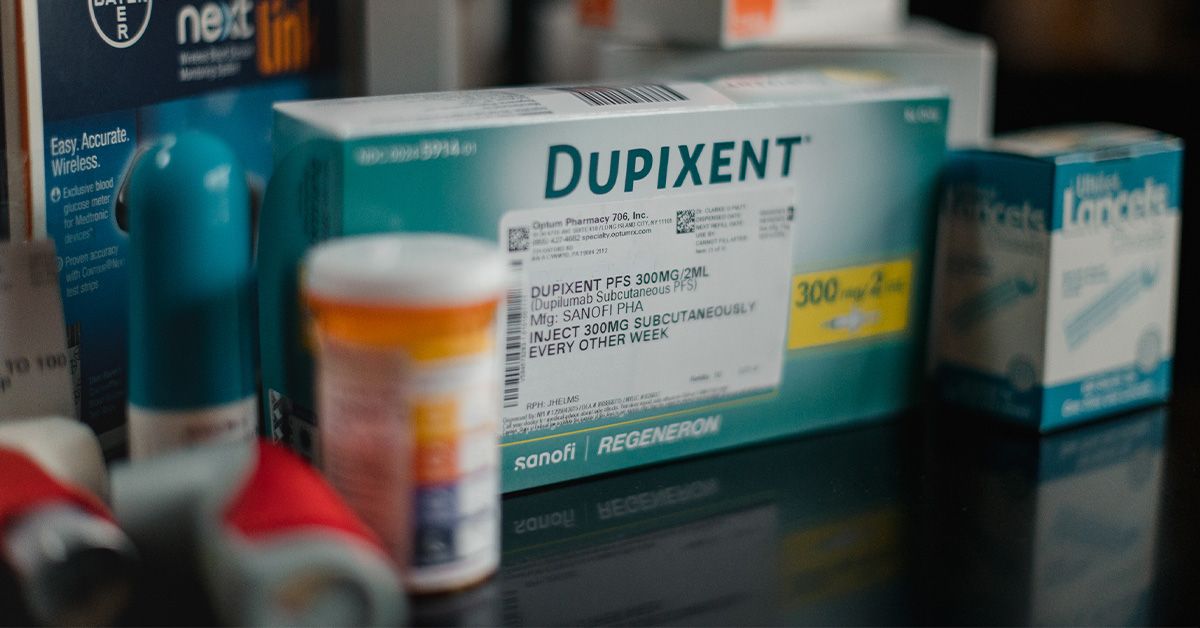
Another everyday experience involves medication. Many families have a cabinet filled with prescriptions, over-the-counter medicines, vitamins, and mystery bottles that should have retired during a previous presidential administration. Health literacy helps people read labels, understand dosing schedules, check expiration dates, avoid mixing medicines without guidance, and ask pharmacists about interactions. The result is not just better organization. It can prevent real harm.
Science literacy also matters when people read news. Suppose a headline says a common food is “linked to” a disease. Without science literacy, that phrase can cause instant alarm. With science literacy, a reader knows to ask whether the study shows causation or only association, whether the risk is large or small, and whether the research was done in animals, cells, or actual humans eating actual lunch. The headline may still matter, but it no longer gets to drive the bus alone.
Parents and caregivers experience this constantly. They make decisions about vaccines, nutrition, sleep, screen time, sports safety, mental health, and when to seek care. They are bombarded by advice from relatives, influencers, ads, schools, pediatricians, and strangers online who are somehow extremely confident about everything. Science and health literacy help caregivers compare claims, recognize fear-based messaging, and choose information that is evidence-based rather than merely loud.
Workplaces offer another example. Employees may need to understand safety instructions, wellness benefits, sick-leave policies, ergonomic guidance, or public health updates. When communication is clear, people are more likely to follow safety practices and use benefits appropriately. When communication is vague, people guess. Guessing is fine for jellybean counts at a fair. It is not ideal for health decisions.
Community experiences matter too. During outbreaks, natural disasters, heat waves, or air-quality alerts, people need timely and understandable information. What should they do? Who is most at risk? Where can they get help? What information is confirmed, and what is still changing? A science-literate community is better prepared to respond without panic, rumor, or magical thinking.
Personal experience also teaches a humble lesson: nobody is perfectly literate in every situation. A person may be highly educated and still feel lost when facing a new diagnosis. A nurse may understand clinical care but struggle with insurance paperwork. A scientist may understand research methods but still need help navigating a hospital bill. Literacy depends on context, stress, language, time, and access. That is why compassion belongs in every conversation about it.
The best version of “knowledge is power” is not smug. It does not mean collecting facts so you can win arguments at dinner and become gently uninvited from family events. It means having enough understanding to protect yourself, support others, ask better questions, and make choices with less fear. It means knowing when to trust experts, when to ask for clarification, and when to walk away from a miracle cure that comes with a countdown timer.
How to build science and health literacy
Improving literacy does not require a PhD, a lab coat, or the ability to pronounce “epidemiology” before coffee. It starts with habits.
Read beyond headlines. Look for the original source when possible. Notice whether a claim is based on one study or many. Learn basic statistics like absolute risk and relative risk. Use trusted health websites. Ask healthcare professionals to explain unfamiliar terms. Keep a written list of questions before appointments. Be careful with products that promise quick fixes. And most importantly, stay curious without becoming gullible.
For organizations, the path is equally practical. Use plain language. Test materials with the people who will actually use them. Avoid walls of text. Offer language access. Train staff to invite questions. Make websites mobile-friendly. Put key actions at the top. Clear communication is not a luxury feature. It is the front door to better health.
Conclusion: Knowledge is power, but usable knowledge is the real superpower
Science and health literacy matters because modern life demands more than access to information. People need the ability to judge information, apply it, and ask better questions when the answer is unclear. In healthcare, that can mean safer medication use, better conversations with providers, earlier care, and more confidence. In society, it can mean less misinformation, stronger trust, and smarter public decisions.
Knowledge is power, yes. But clear, practical, evidence-based knowledge is even better. It is power with a map, a flashlight, and comfortable shoes. And in today’s information jungle, that is exactly what people need.