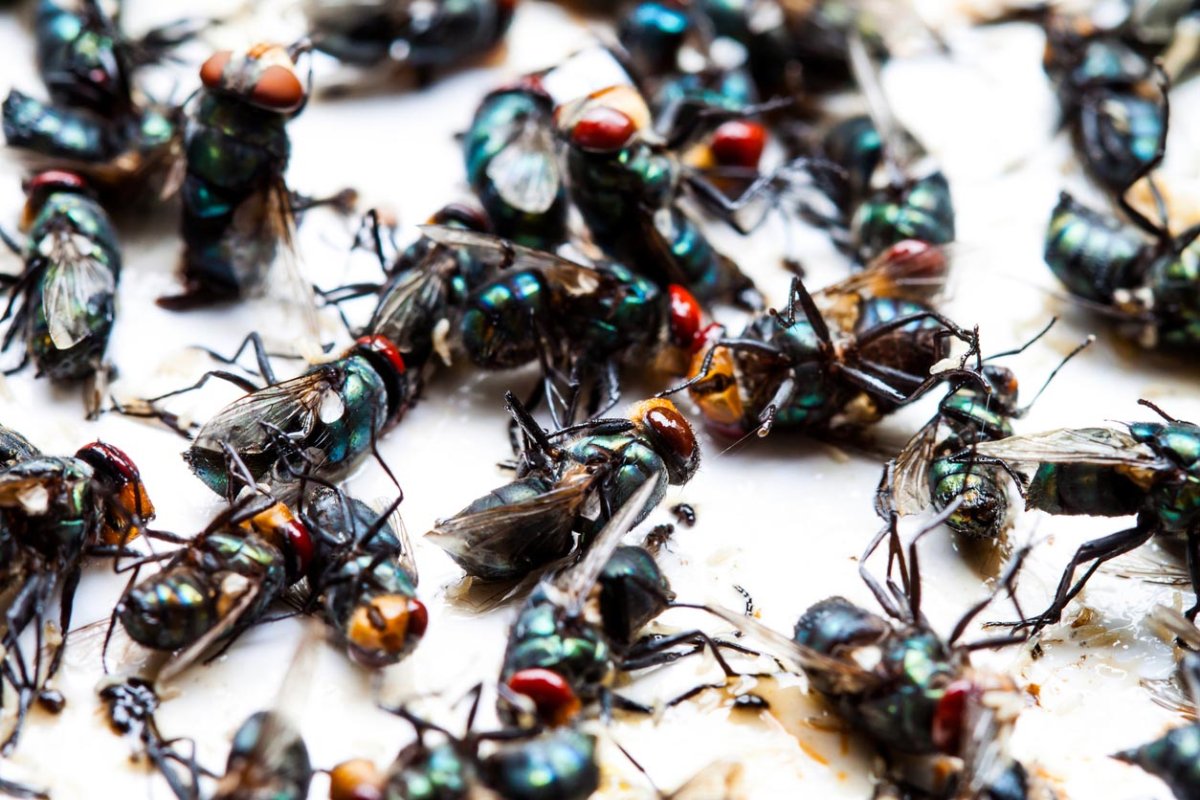
Phorid flies are the tiny, irritating, fast-moving flies that seem to appear from nowhere, judge your kitchen, and then sprint across the counter like they are late for a microscopic meeting. Many people mistake them for fruit flies or drain flies, then spend weeks setting vinegar traps, bleaching drains, and wondering why the problem keeps coming back. The reason is simple but annoying: phorid flies are not just “flying around.” They are usually breeding somewhere moist, dirty, decaying, hidden, or plumbing-related.
The good news is that you can get rid of phorid flies. The slightly less glamorous news is that the solution is not a magic spray. To eliminate them for real, you have to find and remove the breeding source. Adult traps may reduce the swarm, but the larvae are the real engine of the infestation. If you do not shut down the nursery, the tiny adults will keep showing up like uninvited guests who somehow know your Wi-Fi password.
This guide explains how to identify phorid flies, where they breed, why common treatments fail, and how to remove them in seven practical stepseven if you have already tried everything.
What Are Phorid Flies?
Phorid flies are small flies, often around 1/8 inch long, with a slightly humpbacked shape. They are sometimes called scuttle flies because they tend to run in quick, jerky bursts instead of flying smoothly like a fruit fly. Their bodies can look tan, brown, black, or yellowish depending on the species and lighting. They are not known for biting people, but they are still a sanitation concern because they may breed in dirty organic material and then land on food-prep surfaces.
The most important thing to understand is this: phorid flies breed in moist, decaying organic matter. That could mean sludge inside a drain, residue under a refrigerator, a leaking garbage disposal, wet mop fibers, sour trash, rotten food behind an appliance, damp soil, a cracked sewer line, or organic buildup under a floor. In other words, they are not picky. If it is moist, messy, and quietly decomposing, a phorid fly may consider it prime real estate.
Phorid Flies vs. Fruit Flies vs. Drain Flies
Before you start cleaning everything with the emotional intensity of a reality-show finale, confirm what you are dealing with. Small flies often get lumped together, but each type points to a different source.
Fruit Flies
Fruit flies are strongly attracted to fermenting fruit, sugary liquids, beer, wine, vinegar, and dirty recycling bins. They usually hover around fruit bowls, compost containers, trash cans, and sticky spills.
Drain Flies
Drain flies, also called moth flies, have fuzzy, moth-like wings and are often seen resting near sinks, showers, floor drains, and tubs. They breed in gelatinous organic buildup inside drains.
Phorid Flies
Phorid flies are more likely to run or “scuttle” across surfaces. They can breed in drains, but they are also famous for coming from hidden, hard-to-find sources such as leaking pipes, sewage problems, wet wall voids, broken garbage disposals, damp crawl spaces, and contaminated soil under slabs. If your “fruit fly problem” laughs at apple cider vinegar traps, it may not be fruit flies at all.
Why Phorid Flies Are So Hard to Eliminate
Phorid flies are difficult because they do not need a beautiful fruit bowl to survive. They can develop in tiny pockets of organic matter that you may never notice during normal cleaning. A drain may look clean from above but still have a ring of slime under the rim. A refrigerator drip tray may be quietly hosting a bug brunch. A tiny leak behind a cabinet may keep organic debris moist enough for larvae to develop.
This is also why spraying adult flies rarely works. You may kill the flies you see today, but the next generation is already developing somewhere else. Effective phorid fly control is a detective job: inspect, confirm, clean, dry, repair, trap, and monitor.
How to Get Rid of Phorid Flies in 7 Steps
Step 1: Confirm That They Are Really Phorid Flies
Start by watching how the flies behave. Phorid flies often run quickly across counters, walls, sinks, or windows before flying. They may appear around drains, but also near baseboards, toilets, dishwashers, trash areas, pet bowls, and damp rooms. If you can safely capture one on clear tape or in a small container, look for the rounded, humpbacked body shape.
Correct identification matters because the wrong diagnosis leads to the wrong treatment. If you treat phorid flies like ordinary fruit flies, you may keep changing vinegar cups while the real breeding site remains untouched. If you treat them like drain flies, you may scrub one sink drain while the source is actually a cracked pipe under the floor. The goal of this first step is not perfection; it is to narrow the suspects.
Step 2: Map Where You See the Most Activity
For two or three days, pay attention to where the flies appear. Do not just think “kitchen.” Be specific. Are they most common near the dishwasher, under the sink, around a floor drain, near the trash can, beside the toilet, around the basement floor, or near a particular wall? The densest activity often points toward the breeding site.
Use sticky traps or small glue boards to create a simple fly map. Place them near sinks, floor drains, toilets, trash areas, appliances, and damp corners. Check them daily. The trap with the most flies is not always directly on top of the source, but it gives you a useful clue. This is especially helpful in restaurants, apartments, laundry rooms, basements, and homes with multiple bathrooms.
Step 3: Test Drains Without Blocking Airflow
Drains are one of the first places to inspect because they are easy to access and often collect organic buildup. Try the tape test. Place clear packing tape loosely over part of the drain opening, sticky side down, but do not fully seal the drain. If you block airflow completely, flies may not emerge, which can give you a false negative. Leave part of the opening exposed so air still moves.
Check the tape after several hours or overnight. If phorid flies are stuck to the tape, that drain may be a breeding site. Test sink drains, shower drains, tub drains, floor drains, utility sinks, and rarely used drains. Do not forget the overflow opening in bathroom sinks, the underside of drain lips, and the area around garbage disposals. These spots can hold enough film to support larvae even when the visible part of the sink looks spotless.
Step 4: Remove Organic Buildup, Not Just Odor
This is the step where many people accidentally fail. Pouring bleach down a drain may make the drain smell cleaner for a while, but it often does not remove the sticky biofilm where larvae feed. In some situations, mixing cleaning chemicals or using bleach with hot water can also create unsafe fumes. The goal is physical removal of organic matter, not a dramatic chemical volcano.
Use a stiff drain brush, flexible cleaning brush, or pipe brush to scrub the sides of the drain, the underside of the drain cover, and the drain throat. For floor drains, remove the grate if you can do so safely and clean around the rim where sludge collects. After scrubbing, flush the drain with plenty of hot water. In problem drains, a foaming enzyme or microbial drain cleaner may help break down organic buildup over time. These products are not instant magic, but they can support a cleaning routine when used according to the label.
Repeat cleaning for several nights if the drain has heavy buildup. Phorid fly control is not always a one-and-done situation. Think of it like cleaning a neglected blender: one polite rinse is not going to remove last month’s smoothie fossil.
Step 5: Hunt for Hidden Moisture and Decaying Matter
If drain cleaning does not solve the problem, expand your search. Phorid flies are notorious for breeding in hidden wet organic material. Check under sinks for slow leaks, warped cabinet bottoms, damp wood, musty smells, loose plumbing connections, and water stains. Pull out the refrigerator and inspect the floor, drip pan, and back area if accessible. Look behind the dishwasher, near the washing machine, around the water heater, and under pet feeding stations.
Also inspect trash cans, recycling bins, compost containers, mop buckets, wet rags, sponges, floor mats, and forgotten food under appliances. In bathrooms, check around toilets, wax rings, floor edges, shower pans, and rarely used drains. In basements or utility rooms, inspect sump pumps, floor drains, crawl-space access points, and damp storage areas.
One strong clue is smell. Sour, sewer-like, musty, or rotten odors often indicate the kind of damp organic material phorid flies love. Another clue is timing. If flies appear after running water, using a toilet, or doing laundry, a plumbing-related moisture source may be involved.
Step 6: Fix the Source, Not Just the Symptom
Once you find the breeding source, remove it completely. Throw away rotten food, wash trash cans, scrub recycling bins, clean under appliances, dry wet cabinets, replace saturated sponges and mop heads, and remove sludge from drains. If the source is a leak, repair it. If a garbage disposal is leaking or packed with residue, clean and repair it. If a floor drain is dry, refill the trap with water and maintain it regularly.
For suspected sewer leaks, cracked pipes, sewage seepage, damp soil under a slab, or flies emerging from walls or flooring, call a licensed plumber or qualified pest professional. This is not a “light a candle and hope” situation. Chronic phorid fly problems can indicate a moisture or plumbing defect that needs proper repair. The flies are annoying, but they may also be acting as tiny alarm bells for a bigger building issue.
Step 7: Trap Adults and Monitor for Two Weeks
After cleaning and repairs, use traps to reduce adult flies and track progress. Sticky traps, light traps, and simple monitoring cards can help you see whether the population is declining. Place traps near the original hot spots and check them every day or two.
Do not panic if you still see a few adult flies for several days. Some may already have developed before you cleaned the source. However, activity should drop steadily. If the number of flies stays the same or increases after a week of serious cleaning and inspection, the breeding site is probably still active or there is a second source nearby.
Common Mistakes That Keep Phorid Flies Coming Back
Mistake 1: Relying Only on Vinegar Traps
Vinegar traps work best for fruit flies. They may catch a few phorid flies, but they rarely solve the infestation. If your tiny flies ignore your vinegar trap like it is a bad restaurant, that is a clue.
Mistake 2: Pouring Bleach Down Every Drain
Bleach may sanitize surfaces, but it does not reliably remove the organic sludge where larvae live. It can also be risky when mixed with other cleaners. Mechanical scrubbing and source removal are far more important.
Mistake 3: Cleaning Only the Visible Area
Phorid flies often breed where people do not look: under drain rims, inside overflow channels, beneath appliances, under rubber mats, inside trash-can seams, or in damp cabinet corners. A clean countertop does not cancel out a filthy floor drain.
Mistake 4: Ignoring Plumbing Clues
If flies keep returning despite excellent cleaning, suspect hidden moisture. A leak, broken pipe, bad toilet seal, or contaminated drain line can keep the cycle going indefinitely.
Where Phorid Flies Commonly Breed Indoors
- Kitchen sink drains and garbage disposals
- Bathroom sink overflows and tub drains
- Floor drains in basements, laundry rooms, and garages
- Leaky pipes under sinks or behind walls
- Dirty trash cans, recycling bins, and compost containers
- Wet mop heads, sponges, rags, and floor mats
- Refrigerator drip pans and appliance drip areas
- Damp potting soil or decaying plant material
- Broken sewer lines or contaminated soil under floors
- Pet food residue, litter areas, and water-bowl spills
How to Prevent Phorid Flies After They Are Gone
Once the infestation is under control, prevention is mostly about moisture management and sanitation. Clean drains regularly with a brush, not just a rinse. Keep trash cans washed and dry. Empty compost often. Rinse recycling containers before storing them. Replace old sponges and mop heads. Do not let wet towels, rags, or floor mats sit for days. Repair leaks quickly, even small ones.
In rooms with floor drains, pour water into rarely used drains occasionally to keep traps from drying out. If appropriate, use a drain maintenance product according to the label to reduce buildup. Around appliances, schedule occasional deep cleaning. A refrigerator or dishwasher can hide enough gunk to support a fly problem while the rest of the kitchen looks magazine-ready.
When to Call a Professional
Call a professional if you have cleaned obvious drains and food sources but still see phorid flies after 10 to 14 days. You should also get help if flies are concentrated around a toilet, wall, floor crack, basement drain, crawl space, or area with sewer odors. A licensed plumber can inspect for leaks, broken drain lines, failed toilet seals, and sewage-related issues. A pest professional can help identify the fly, locate breeding sites, and build an integrated control plan.
Professional help is especially useful in apartment buildings, restaurants, schools, commercial kitchens, and multi-unit properties. In those settings, the breeding source may be in a shared drain line, wall void, basement area, or neighboring unit. You can clean your sink until it sparkles like a jewelry case, but if the source is under the slab or down the hall, the flies may keep coming.
Real-World Experience: What Actually Works When Nothing Else Has
People often reach the phorid fly stage after trying all the obvious fixes. They have set out vinegar bowls, bought sticky traps, poured cleaner into drains, thrown away fruit, wiped counters, and maybe even developed a personal grudge against every tiny flying dot in the room. The breakthrough usually comes when they stop treating the adults and start investigating the source.
In many homes, the winning move is not complicated; it is thorough. A homeowner may discover that the kitchen sink drain looked clean from above, but the underside of the drain lip had a thick ring of organic buildup. Once that ring is scrubbed with a brush and the drain is flushed repeatedly, the fly count begins dropping within days. Another common discovery is the garbage disposal. Food residue can cling under the splash guard and inside the disposal chamber, creating a perfect breeding zone. Cleaning the splash guard, brushing the disposal, and running plenty of water during and after use can make a huge difference.
Bathrooms can be trickier. A bathroom sink overflow can hide biofilm that ordinary rinsing never touches. Someone may clean the basin every day and still have flies because the overflow channel remains dirty. A small brush, patient scrubbing, and repeated flushing can solve what seemed like a mysterious infestation. In other cases, the culprit is a floor drain that has not been cleaned in years. The grate is lifted, the sludge is removed, the sides are scrubbed, and suddenly the “impossible” fly problem starts looking very possible.
The hardest cases are the ones tied to hidden moisture. One example is a slow leak under a sink that soaks the cabinet base. The leak may be tiny, but it keeps wood and debris damp enough for flies to develop. The homeowner keeps spraying adults, but the population returns because the wet material remains. Once the leak is fixed and the damaged material is dried or replaced, the infestation collapses. Another example is a toilet with a failing wax ring. Flies around the toilet area may be blamed on general bathroom humidity, but the real issue is moisture and organic residue where it should not be. That is a job for repair, not perfume.
Commercial kitchens and food businesses often learn this lesson the hard way. Mopping every night does not help if dirty water is pushed into cracks, under equipment, or around floor drains without proper cleaning. Rubber mats, beverage stations, mop sinks, and floor-wall junctions can become hidden breeding zones. The solution is usually a combination of deep cleaning, drain brushing, moisture control, equipment movement, and regular monitoring. A fly light may catch adults, but it should be treated like a scoreboard, not the whole game. If the light keeps filling up, the building is telling you the breeding source still exists.
The most useful mindset is persistence without panic. Phorid fly control is not about making your home sterile. It is about removing the specific wet organic material that lets larvae survive. Start with the drains, then widen the search. Follow the flies. Look low, look behind, look under, and look where water meets grime. The solution may be unglamorous, but it is usually logical. Once the source is gone, the flies lose their tiny kingdom.
Conclusion
Getting rid of phorid flies requires more than a trap and a hopeful attitude. These small flies are usually a sign of moist, decaying organic matter somewhere nearby. The seven-step strategy is straightforward: identify the fly, map activity, test drains, scrub away buildup, search for hidden moisture, repair the source, and monitor with traps. Adult flies are the visible problem, but the breeding site is the real target.
If you have tried everything and still have phorid flies, do not assume you failed. Assume the source is still hidden. Check drains, leaks, garbage disposals, floor drains, appliance areas, wet cabinets, bathroom fixtures, and any place where moisture and organic debris can meet. And if you suspect a sewer leak, broken pipe, or contaminated area under the floor, bring in a qualified professional. The faster you find and remove the breeding source, the faster your home can stop feeling like a tiny fly airport.
Note: This article is for general home and sanitation guidance. When phorid flies may be connected to sewage, hidden leaks, damaged flooring, or plumbing defects, contact a licensed plumber or qualified pest-control professional.