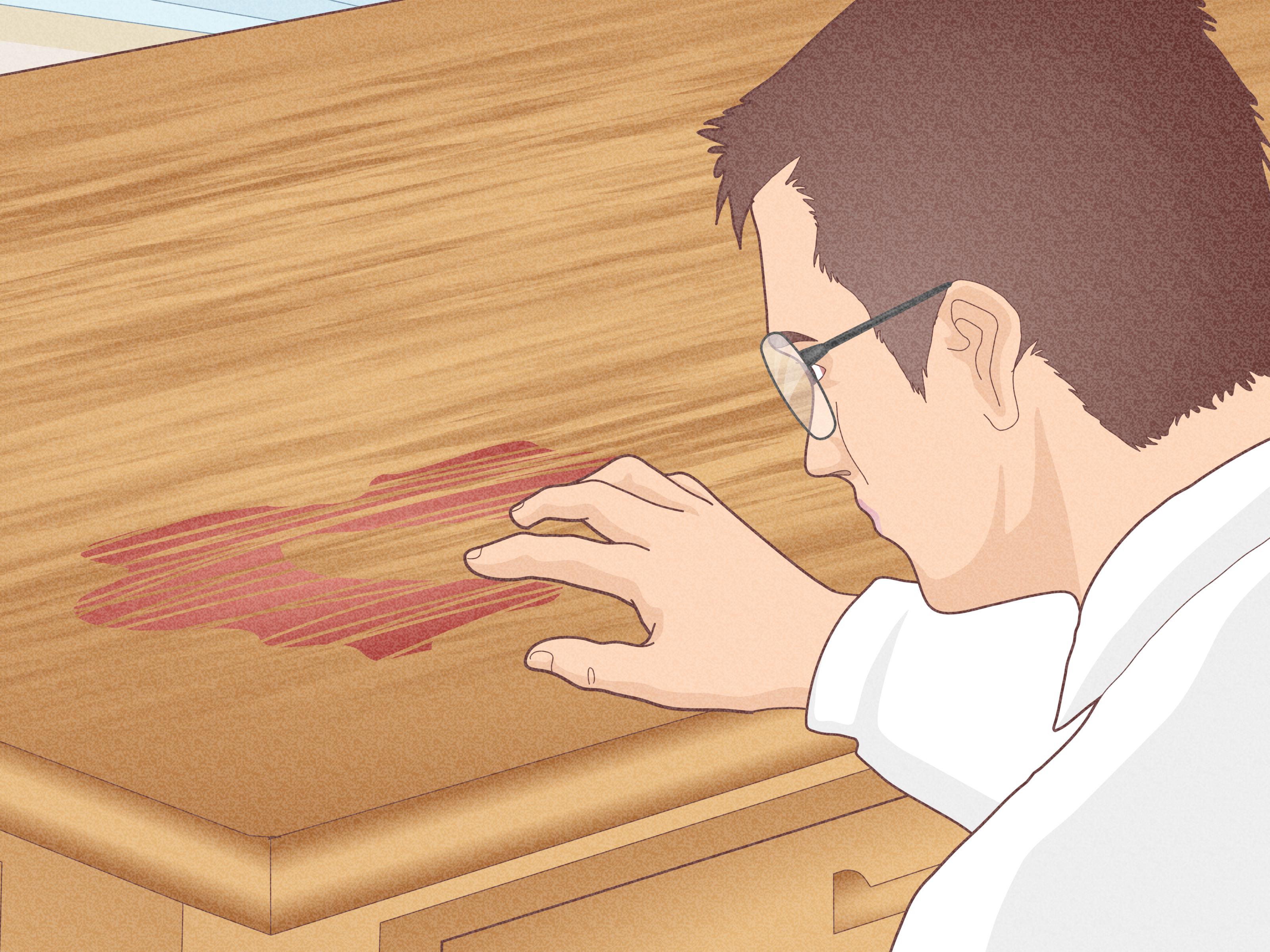
Red wine is charming in a glass, dramatic in a movie scene, and absolutely rude when it lands on a hardwood floor or table. One minute you are serving cabernet with dinner; the next, your oak table looks like it has joined a crime drama. The good news is that a red wine stain on wood is not always permanent. The bad news is that wood is not a T-shirt, and you cannot toss it into the washer while whispering, “Good luck, buddy.”
Hardwood floors and wood tables are beautiful because they are natural, porous, and full of character. Unfortunately, those same qualities make them vulnerable to red wine. Wine contains pigments, tannins, acids, alcohol, and sugars that can sink into a worn finish, exposed grain, tiny scratches, or unfinished edges. If the spill is fresh and the wood finish is intact, cleanup can be surprisingly simple. If the stain has soaked through the finish, you may need a deeper treatment, a gentle bleaching approach, or, in stubborn cases, sanding and refinishing.
This guide explains four practical ways to remove a red wine stain from a hardwood floor or table, starting with the safest method and moving toward stronger solutions. The goal is simple: lift the stain without turning a small burgundy blot into a large pale patch that screams, “Someone panicked here.”
Before You Start: Know What Kind of Stain You Have
Before reaching for baking soda, hydrogen peroxide, or the mysterious bottle under the sink that has lost its label, take a breath and inspect the wood. The right red wine stain removal method depends on whether the stain is sitting on top of the finish or has soaked into the wood itself.
Fresh surface spill
If the wine is still wet and the finish looks glossy or sealed, you may be dealing with a surface spill. In this case, speed matters more than strength. Blotting and cleaning with a lightly damp cloth may be enough.
Dark red or purple stain
If the mark is red, purple, or pinkish after wiping, the wine pigments may have started bonding with the finish or slipping into scratches. You will likely need a mild absorbent or paste treatment.
Gray, black, or cloudy stain
If the stain looks gray, black, or cloudy, moisture may have penetrated deeper into the wood or finish. At this stage, gentle bleaching or professional refinishing may be necessary.
Important safety rule
Always test any cleaning solution in a hidden area first, such as under a table edge, behind a chair leg, or in a corner of the floor. Hardwood finishes vary widely. Polyurethane, oil finish, wax finish, shellac, lacquer, and unfinished wood all react differently. What saves one table may dull another.
Method 1: Blot, Dry, and Clean with a Wood-Safe Cleaner
This is the first method to try for a fresh red wine stain on a hardwood floor or table. It is also the least dramatic, which is exactly what you want when caring for wood. The goal is to remove the wine before it has time to soak in.
What you need
- Clean white paper towels or microfiber cloths
- Cool water
- A hardwood-safe cleaner or mild wood-cleaning product
- A dry microfiber towel
Step-by-step instructions
First, blot the wine immediately. Press a clean white cloth or paper towel onto the spill and lift straight up. Do not rub. Rubbing spreads the wine and can push the pigment into the wood grain or finish scratches. Think of blotting as polite persuasion; rubbing is a wrestling match, and the floor did not sign up for that.
Next, lightly dampen a clean cloth with cool water and wipe the area gently. The cloth should be damp, not dripping. Hardwood and excess water are not best friends. After wiping, immediately dry the area with a clean towel.
If the wine leaves a light mark, use a cleaner designed for hardwood floors or finished wood furniture. Spray the cleaner onto the cloth rather than directly onto the wood. Wipe gently with the grain, then dry again.
Why this works
Fresh red wine stains are easier to remove because the pigments have not fully settled into the finish or exposed grain. Prompt blotting removes liquid volume, while a damp cloth dilutes the remaining wine. A wood-safe cleaner helps remove sticky sugars and residue without over-wetting the surface.
Best for
This method works best for sealed hardwood floors, polyurethane-finished tables, newer furniture, and spills caught within the first few minutes.
Method 2: Use Salt to Absorb Fresh Red Wine
Salt is not magic, but it is surprisingly useful when red wine is still wet. It absorbs liquid and can help pull wine away from the surface before the stain settles. This method is especially helpful if the spill is on a flat table or a small area of flooring.
What you need
- Table salt or kosher salt
- Clean cloths
- Soft brush or vacuum with a brush attachment
- Wood-safe cleaner
Step-by-step instructions
Blot up as much wine as possible first. Then sprinkle a generous layer of salt over the damp stain. Do not grind it into the wood. Let the salt sit for about 10 minutes, or until it begins to clump and absorb the wine.
Carefully remove the salt with a soft brush, dustpan, or vacuum brush attachment. Wipe the area with a lightly damp cloth, then clean with a hardwood-safe cleaner if needed. Dry the surface thoroughly.
Why this works
Salt is absorbent. When used quickly, it can draw moisture and pigment away from the surface. It is not ideal for old stains, and it should not be left sitting for hours on wood because salt can attract moisture and leave residue.
Best for
Use this method for fresh wine spills on sealed wood tables, hardwood floors, and small areas where the wine has not yet dried.
Method 3: Apply a Baking Soda Paste for Light Stains
If blotting and salt reduce the stain but do not remove it completely, a baking soda paste may help. Baking soda is mildly abrasive and absorbent, making it useful for lifting light discoloration. The trick is to use it gently. You are cleaning a wood surface, not scrubbing a barbecue grill.
What you need
- Baking soda
- A few drops of water or mineral oil
- Soft cloth
- Plastic spoon or small bowl
- Dry microfiber towel
Step-by-step instructions
Mix baking soda with a small amount of water or mineral oil to create a thick paste. For finished wood tables, mineral oil can be gentler than water because it reduces the risk of over-wetting. For hardwood floors, use only a small amount and avoid leaving an oily residue across the surface.
Apply the paste directly to the stained area. Gently rub with the grain using a soft cloth. Do not scrub in circles with heavy pressure. Let the paste sit for five to ten minutes, then wipe it away with a barely damp cloth. Dry immediately.
If the stain improves but remains visible, repeat once. If there is no improvement after two attempts, stop. Repeated scrubbing can dull the finish or create a larger damaged area.
Why this works
Baking soda can absorb residue and gently polish surface-level discoloration. It is less aggressive than sanding and safer than harsh chemical cleaners, but it can still abrade delicate finishes if used too forcefully.
Best for
This method is best for light red wine stains, faint pink marks, and residue on finished wood tables or sealed hardwood floors.
Method 4: Spot-Treat with 3% Hydrogen Peroxide
Hydrogen peroxide is one of the most effective home treatments for deeper organic stains, including wine. It can help lighten discoloration by breaking down pigments. However, this method requires caution because hydrogen peroxide can also lighten the surrounding wood or finish. Used carefully, it can rescue a stain. Used carelessly, it can create a pale halo that looks like your table got a tiny sunburn.
What you need
- 3% hydrogen peroxide
- Cotton swabs or a clean white cloth
- Plastic wrap, optional
- Dry microfiber towel
- Wood polish or finish repair product, if needed
Step-by-step instructions
Test the hydrogen peroxide in a hidden spot first. Wait until the test area dries completely before deciding whether to continue. If the finish becomes cloudy, pale, sticky, or rough, do not use this method on the visible stain.
For a small stain, dip a cotton swab into 3% hydrogen peroxide and apply it only to the red wine mark. Avoid spreading it beyond the stain. Let it sit for a few minutes, then wipe with a damp cloth and dry thoroughly.
For a darker stain, dampen a small piece of white cloth with hydrogen peroxide, place it over the stain, and check it every 10 to 15 minutes. Do not leave it unattended for hours unless you are prepared for possible lightening. Once the stain fades, remove the cloth, wipe with a clean damp cloth, and dry the area.
Why this works
Hydrogen peroxide is an oxidizer. It can break down color compounds in organic stains, which is why it is often used for stubborn discoloration. On wood, the challenge is control. The stain may fade, but the surrounding wood may lighten too.
Best for
This method is best for older red wine stains, darker marks, butcher-block surfaces, unfinished or lightly finished wood, and stains that remain after gentler cleaning. It should be used very carefully on dark-stained furniture or floors.
What Not to Do When Removing Red Wine from Wood
Sometimes the fastest way to save a hardwood floor or table is to avoid the “helpful” ideas that make things worse. Red wine panic has inspired many questionable cleaning decisions. Here are the big ones to skip.
Do not soak the wood
Water can seep into seams, cracks, and worn finishes. Too much moisture may cause swelling, warping, cloudy finish marks, or darker stains. Use damp cloths, not puddles.
Do not use a steam mop
Steam can drive moisture and heat into the finish and wood. That is a bad combination for hardwood floors, especially if the finish is worn.
Do not scrub with steel wool
Steel wool can scratch the finish and leave tiny metal particles behind. Those particles may react with tannins in wood and create dark marks, especially on oak.
Do not pour vinegar directly on hardwood
Vinegar is useful for many household stains, but it is acidic and can dull or damage certain wood finishes when used too strongly or too often. If a wood-floor manufacturer recommends a specific cleaner, follow that guidance.
Do not use chlorine bleach casually
Bleach can discolor wood unevenly, weaken surface fibers, and damage finishes. Deep stains that seem to require bleaching may be better handled by a flooring or furniture professional.
When Sanding and Refinishing May Be Necessary
If red wine has penetrated through the finish into the wood fibers, surface cleaning may not remove it completely. This is common on old hardwood floors, unfinished tables, damaged finish, and areas with scratches or gaps. In those cases, the stain is not just on the wood; it is in the wood.
For a table, light sanding may remove the stained surface layer. Sand with the grain, feather the edges, and refinish the area so it blends with the rest of the piece. For valuable antiques, skip DIY sanding and call a furniture restoration professional.
For a hardwood floor, spot sanding can be tricky because the repaired area may look cleaner or lighter than the surrounding floor. If the stain is large, dark, or located in a visible area, professional screening, sanding, staining, or board replacement may produce a better result.
How to Prevent Red Wine Stains on Hardwood Floors and Tables
The easiest red wine stain to remove is the one that never gets invited to the party. Prevention does not require turning your dining room into a plastic-covered museum. A few simple habits can protect your wood without ruining the mood.
Use coasters and trays
Coasters help with glass rings, while trays catch drips from bottles and decanters. A tray under a wine bottle is a small detail that can prevent a very expensive “oops.”
Keep microfiber cloths nearby
Store a clean cloth in a dining-room drawer or kitchen cabinet. When a spill happens, you will not waste time hunting for towels while the wine settles in like it pays rent.
Maintain the wood finish
A healthy finish is your first line of defense. If your table looks dry, scratched, cloudy, or worn, consider polishing, oiling, sealing, or refinishing according to the type of finish. For floors, use the cleaner recommended by the flooring manufacturer or installer.
Protect high-risk zones
Area rugs, table runners, placemats, and serving mats can reduce damage in areas where spills are likely. Just make sure rugs are dry and breathable, especially on hardwood floors.
Real-Life Experience: What Actually Works When Red Wine Hits Wood
In real homes, red wine stains rarely happen under perfect laboratory conditions. They happen during dinner, birthdays, holidays, book clubs, and that one evening when someone talks with their hands while holding a very full glass of merlot. The best stain-removal plan is not just about chemistry; it is about staying calm and choosing the right level of response.
The first lesson from real-life cleanup is that speed beats strength. A fresh spill on a sealed hardwood table often disappears with blotting, a barely damp cloth, and quick drying. People get into trouble when they skip the simple step and jump straight to harsh cleaners. A red wine stain can look terrifying at first, but if the finish is intact, most of the liquid may still be sitting on top. Blotting removes more than you think.
The second lesson is that white towels matter. Colored cloths can transfer dye, especially when mixed with cleaning products. Paper towels are fine in an emergency, but microfiber cloths are better because they absorb quickly and do not shed as much. Press, lift, rotate to a clean section, and repeat. It is not glamorous, but neither is explaining why the dining table now has a permanent zinfandel tattoo.
The third lesson is to respect the finish. Two tables made from the same species of wood can react differently because one may have polyurethane, another may have oil, and another may have wax. A method that works beautifully on a butcher-block counter may damage a glossy antique table. This is why testing in a hidden spot is not optional. It is the tiny boring step that saves you from a large dramatic regret.
The fourth lesson is that baking soda paste is useful, but only when handled gently. Homeowners sometimes scrub too hard because they want instant results. Unfortunately, aggressive scrubbing can dull the finish and create a visible patch. A paste should be applied lightly, worked with the grain, and removed quickly. If the stain does not improve after one or two attempts, the problem is probably deeper than the surface.
The fifth lesson is that hydrogen peroxide can be both hero and troublemaker. It is excellent for certain organic stains, but it can lighten wood. On pale butcher block, that may be acceptable. On a dark walnut table, it may be very noticeable. The safest way to use it is with a cotton swab, touching only the stain, checking often, and stopping as soon as the color improves. More time is not always better.
For hardwood floors, real-world experience says to be extra careful around seams. Wine can travel between boards, especially on older floors. If the spill reaches a gap, blot from the edges inward and dry thoroughly. A fan can help move air across the area, but avoid blasting heat directly onto the floor. Heat can affect some finishes and may cause moisture to move unevenly.
Finally, know when to stop. This may be the most underrated stain-removal skill. If the stain is deep, blackened, or spreading, repeated DIY treatments can make the repair harder. A flooring professional or furniture restorer can sand, stain, blend, and refinish in a controlled way. Calling a pro is not failure. It is simply admitting that your hardwood deserves better than a late-night chemistry experiment performed with kitchen supplies and panic.
Conclusion
Removing a red wine stain from a hardwood floor or table is a balance of speed, patience, and restraint. Start with blotting, drying, and a wood-safe cleaner. For fresh spills, salt can help absorb remaining wine. For light stains, a gentle baking soda paste may lift discoloration. For deeper marks, 3% hydrogen peroxide can help, but it must be tested and applied carefully because it may lighten the wood.
The most important rule is to protect the finish. Hardwood is durable, but it is not invincible. Avoid soaking, harsh scrubbing, steam, strong acids, and random cleaning mixtures. If the stain has soaked deep into the wood, sanding and refinishing may be the cleanest long-term solution. With the right approach, your floor or table can recover gracefullyand your next glass of red wine can return to being a beverage instead of a home-improvement emergency.