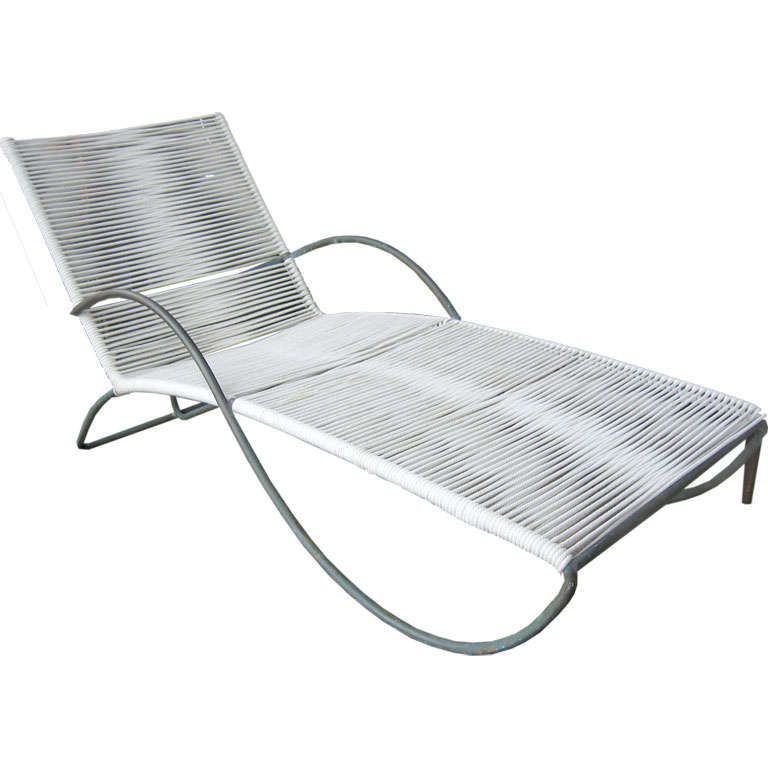
Some vintage furniture politely whispers, “I am collectible.” Walter Lamb outdoor furniture walks onto the patio, drops a bronze frame into the sunlight, and says, “Yes, I was made from salvaged ship metal, and yes, I still look better than your new sectional.” Few pieces in American outdoor design carry a story as good as Walter Lamb’s work for Brown Jordan. It has war-era salvage, California leisure, mid-century modern curves, hand-woven cord, a loyal collector base, and just enough patina to make antique lovers weak in the knees.
For anyone interested in antiques and vintage patio furniture, Walter Lamb outdoor furniture sits in a special category. It is not merely “old outdoor seating.” It is a bridge between utilitarian engineering and sculptural design. The most recognizable piecesrocking chairs, chaise lounges, sleigh chairs, dining chairs, ottomans, and coffee tablescombine tubular metal frames with rope or cord seats. The result is airy, relaxed, durable, and surprisingly glamorous. Imagine a yacht club, a Palm Springs pool deck, and a modernist museum having a very well-dressed baby. That baby would probably be a Walter Lamb rocking chair.
Who Was Walter Lamb?
Walter Lamb was an American architect and designer best known today for his outdoor furniture created for Brown Jordan in the late 1940s and 1950s. Although his name may not be as instantly recognized as Charles and Ray Eames or George Nelson, his patio furniture belongs in the same conversation about postwar American design. Lamb’s genius was practical: he saw beauty in humble industrial materials and transformed them into elegant furniture for modern outdoor living.
His designs arrived at a moment when the American backyard was changing. After World War II, patios, pools, and terraces became extensions of the home. Outdoor furniture was no longer just a folding chair that pinched your leg and questioned your life choices. It became part of a lifestylecasual, sunny, architectural, and optimistic. Walter Lamb understood that outdoor furniture could be both tough and graceful. His pieces did not hide their structure. They celebrated it.
The Brown Jordan Connection
Brown Jordan, founded in Pasadena, California, became one of the defining names in American outdoor furniture. The company helped establish the idea that patio furniture could be designed for full-time outdoor use, not dragged outside only when guests arrived and rain clouds looked distracted. In the late 1940s, Brown Jordan founder Robert Brown partnered with Walter Lamb to produce a collection that would become a mid-century icon.
The origin story is almost too good: Lamb’s early pieces used bronze and brass piping along with cotton rope associated with salvaged materials from Pearl Harbor. The frames were shaped into fluid, looped silhouettes, then woven with cord to create flexible seating surfaces. This was sustainable design before the phrase had a marketing department. The material had history, the shape had movement, and the finished chair had the rare ability to look casual and collectible at the same time.
Why Walter Lamb Outdoor Furniture Became Iconic
The magic of Walter Lamb outdoor furniture begins with its silhouette. The frames often appear as continuous linesrounded, open, and almost drawn in space. Instead of bulky arms or heavy legs, the furniture uses tubular metal to create a light visual rhythm. A rocking chair, for example, may look simple at first glance, but study the curves and you notice how the runners, back, arms, and base all seem to belong to one flowing thought.
Then there is the cord. The woven seats and backs add texture, comfort, and nautical charm. The cord softens the metal and gives each piece a handcrafted quality. It also creates negative space, which is one reason these chairs work so beautifully in modern gardens, terraces, and poolside settings. They do not block the view. They frame it.
Design Traits Collectors Love
Collectors usually look for several signature elements: tubular bronze or brass frames, age-appropriate patina, original or correctly restored cording, graceful looped bases, and known Brown Jordan model forms. Rocking chairs, chaise lounges, sleigh lounge chairs, ottomans, coffee tables, and dining sets are especially desirable. The best examples feel balanced from every angle. They have the calm confidence of furniture that does not need oversized cushions to be interesting.
Another reason the collection remains popular is its flexibility. Walter Lamb pieces can live comfortably with mid-century modern architecture, Spanish Revival patios, coastal homes, desert modern interiors, and contemporary outdoor rooms. They can look museum-worthy beside a glass wall or completely at ease under a pergola with a dog sleeping nearby. That range is rare.
Bronze, Brass, Patina, and the Beauty of Aging
The collection is commonly called Walter Lamb Bronze, though some historical descriptions note brass construction or brass-related tubing. For buyers, the key point is that the metal develops character over time. Unlike painted steel that may rust aggressively when neglected, bronze and brass can age into a handsome patina. That patina is not damage by default; in many cases, it is part of the appeal.
A well-aged frame may show warm brown, greenish, or deep golden tones. Collectors often prefer honest patina over aggressive polishing. A chair that has been polished until it shines like a trumpet at halftime may lose some of the quiet depth that makes vintage Walter Lamb furniture so attractive. That said, condition matters. Patina is lovely. Structural cracks, weak welds, crushed tubing, or unstable repairs are less lovely. They are the furniture equivalent of “great personality.”
Original Versus Reissue: What Buyers Should Know
Brown Jordan has reissued Walter Lamb designs in modern materials, including versions with aluminum frames and synthetic rope. These reissues make the look accessible for contemporary outdoor living and can be excellent choices for homeowners who want the style without the maintenance concerns of vintage metal and cotton cord. They also show how strong Lamb’s original design language remains. If a chair designed in the 1940s can still look fresh on a 2020s terrace, the designer clearly did something right.
For antique and vintage collectors, however, original mid-century Walter Lamb pieces carry a different kind of value. The older examples connect directly to the postwar period, early Brown Jordan production, and the evolution of American outdoor furniture. Vintage pieces may have more irregularity, more patina, and more story. They may also require more care, documentation, and restoration knowledge.
How to Identify Vintage Walter Lamb Outdoor Furniture
Identification can be tricky because not every vintage piece is clearly marked. Many Walter Lamb pieces for Brown Jordan are unmarked, and the market includes later examples, restored pieces, reissues, and furniture that is simply “in the style of.” That phrase can be useful, but it can also do a lot of heavy liftingrather like a friend who says they are “basically a chef” because they own smoked paprika.
Start with the form. Walter Lamb designs often feature continuous tubular frames with rounded corners and a relaxed, low-slung profile. The proportions should look intentional, not improvised in a garage after three cups of coffee. Next, examine the material. Vintage frames are typically bronze or brass-toned metal, often with patina. Look closely at the joints, bends, and wear patterns. Authentic older pieces generally show age in a consistent way.
Questions to Ask Before Buying
Ask whether the piece is vintage or a later reissue. Ask if it has been restored, and if so, by whom. Ask what cord was used. Ask for measurements, detailed photos, and condition notes. For expensive sets, ask about provenance, prior ownership, and any auction or dealer documentation. A good seller should not be offended by these questions. If they are, your wallet should quietly back away.
Also compare the piece to documented examples from reputable auction houses, design dealers, and Brown Jordan references. Pay attention to model numbers when available. A chaise lounge, rocking chair, dining chair, and ottoman may share a family resemblance but differ significantly in value and rarity.
Restoration: The Art of Not Ruining a Good Thing
Restoration is central to Walter Lamb outdoor furniture because the cord does not last forever. Frames may survive for decades, but seating cord can stretch, discolor, mildew, fray, or break. Traditional restoration often uses cotton yacht cord or a cotton-blend cord that approximates the original look and hand. Some owners choose synthetic cord for wetter or more humid climates, but purists may prefer the texture and authenticity of cotton.
The best restoration respects the original design. The cord should follow the correct pattern and tension. Too loose, and the seat sags like an old hammock with regrets. Too tight or incorrectly supported, and the frame may be stressed. Proper roping is a craft, and it is worth hiring specialists familiar with Walter Lamb or similar vintage outdoor furniture.
Frame Care and Cleaning
For metal frames, avoid harsh abrasives unless a professional recommends them. Gentle cleaning is usually better than enthusiastic scrubbing. Collectors often value patina, so the goal is not always to make the frame look new. The goal is to make it clean, stable, and beautiful. If the frame has structural damage, consult a restoration expert before attempting repairs. Vintage bronze or brass furniture deserves more respect than a weekend “DIY miracle” involving mystery glue.
Market Value: Why Prices Can Climb Quickly
Vintage Walter Lamb outdoor furniture can command strong prices, especially for restored sets, rare forms, and pieces with excellent provenance. Single chairs may sell for thousands of dollars through high-end dealers, while larger dining sets or groups of lounge seating can reach much higher figures. Auction records vary depending on condition, rarity, date, and buyer demand, but the market consistently treats Walter Lamb as a serious name in collectible outdoor design.
Several factors drive value. First is design significance. Walter Lamb pieces represent an important moment in American leisure furniture. Second is material quality. The metal frames age beautifully and can often be restored. Third is scarcity. Not every patio set survived decades of sun, salt air, sprinklers, pool parties, and Uncle Jerry leaning back too aggressively. Fourth is style. The furniture looks good now, not just historically important. That matters.
Best Pieces to Look For
Walter Lamb Rocking Chair
The rocking chair is one of the most beloved forms in the collection. Its curved runners and open rope construction give it movement even when it is still. A pair of these on a patio can make even a Tuesday evening feel like an architectural magazine spread.
Walter Lamb Chaise Lounge
The chaise lounge is especially desirable because it captures the relaxed luxury of postwar outdoor living. Long, low, and elegant, it was made for poolside lounging, reading, and pretending not to check your phone every five minutes.
Sleigh Lounge Chair and Ottoman
The sleigh chair has a sculptural base that makes it instantly recognizable. When paired with an ottoman, it becomes one of the most stylish ways to sit outdoors while looking like you know exactly what “patinated brass” means.
Dining Sets and Tables
Dining chairs and tables can be highly collectible, particularly complete sets. Original glass, redwood, or period-appropriate tabletops may add interest, though condition and authenticity should always be carefully reviewed.
Decorating With Walter Lamb Furniture
Walter Lamb outdoor furniture works best when allowed to breathe. Do not crowd it with oversized planters, giant cushions, or twelve decorative pillows named after coastal towns. The furniture’s beauty lies in its line and openness. Pair it with simple cushions, stone pavers, warm wood, native plants, or clean architectural surfaces.
For a mid-century modern patio, combine Walter Lamb lounge chairs with a low table, a neutral outdoor rug, and sculptural planters. For a coastal home, let the cord and metal play against weathered teak, linen cushions, and soft greenery. For a desert setting, the bronze tones look spectacular beside pale stucco, gravel, agave, and strong sunlight. In a traditional garden, a Walter Lamb rocking chair can add a modern note without shouting.
Common Buying Mistakes
The first mistake is buying only by photo. Walter Lamb furniture is sculptural, and poor repairs can hide in shadows. Always ask for close-ups of joints, underside details, cord attachments, and frame wear. The second mistake is assuming every rope-and-metal patio chair is Walter Lamb. Many vintage outdoor pieces share general design DNA. Similar does not equal authentic.
The third mistake is ignoring restoration cost. A chair with broken cord may still be a good buy, but re-cording by a qualified specialist costs money. If the frame also needs structural work, the total investment can rise quickly. The fourth mistake is over-polishing. Removing patina may reduce the character collectors love. When in doubt, preserve first and polish laterif at all.
Why Walter Lamb Still Feels Modern
Walter Lamb’s furniture endures because it solved a real design problem with elegance. Outdoor furniture needed to be strong, weather-aware, comfortable, and visually light. Lamb answered with metal tubes and woven cord. No drama, no excess, no fake ornament. Just intelligent structure.
That is why the collection still feels relevant. Modern homeowners want outdoor spaces that function like rooms. Designers want furniture with history and silhouette. Collectors want pieces that hold value. Walter Lamb outdoor furniture satisfies all three groups. It is practical enough to use, beautiful enough to display, and rare enough to hunt for.
Experience Notes: Living With Walter Lamb Outdoor Furniture
Owning Walter Lamb outdoor furniture is not quite like owning ordinary patio furniture. It is more like adopting a stylish elder relative who enjoys sunshine but prefers proper care. The first thing you notice is the posture. These pieces sit low, relaxed, and confident. A Walter Lamb lounge chair does not beg for attention. It simply waits for the light to hit the frame, and then suddenly everyone at the party becomes a furniture historian.
In daily use, the open construction is a major advantage. The chairs do not visually clutter a patio, which makes them ideal for smaller terraces or architecturally important spaces. Around a pool, they feel light and breezy. On a covered porch, they bring in a little California modernism even if the nearest palm tree is a houseplant named Kevin. The woven cord has a pleasant give, especially when restored correctly, and the metal frame feels reassuringly solid.
The main experience lesson is that placement matters. Vintage cord does best when protected from constant moisture, deep shade, and mildew-friendly conditions. A covered patio, shaded terrace, or seasonal indoor storage plan can help preserve the furniture. In humid climates, owners may need to be more proactive about cleaning and airflow. Leaving vintage cord in damp darkness is not romantic aging; it is a science project with seating.
Another lesson is that patina changes how you decorate. Once you have a beautifully aged Walter Lamb frame, shiny new accessories can look a little too eager. Natural materials usually work better: stone, wood, linen-look outdoor fabrics, ceramic planters, and muted cushions. You do not need to recreate a museum installation. In fact, the furniture often looks best when used naturallywith a book, a drink, a towel, or one very possessive cat.
For collectors, the thrill is in the hunt. Finding a single rocking chair is exciting. Finding a matched pair feels like winning a tasteful lottery. Discovering a full dining set in good condition may cause symptoms including rapid heartbeat, excessive screenshotting, and suddenly becoming very interested in freight shipping. But patience matters. The best purchase is not always the first one you see. Compare forms, check restoration quality, and understand whether you are buying vintage Brown Jordan, a later reissue, or a similar piece.
The most satisfying part of living with Walter Lamb furniture is that it earns its place. It is not a fragile antique that must hide from real life. Properly restored and sensibly maintained, it can be used and enjoyed. That balancecollectible but functionalis rare. Many antiques are beautiful but bossy. Walter Lamb pieces are beautiful and relaxed. They invite you to sit down, lean back, and appreciate the fact that great design does not need to shout. Sometimes it just rocks gently in the afternoon sun.
Conclusion
Walter Lamb outdoor furniture remains one of the great treasures of American mid-century modern design. Its combination of salvaged metal history, elegant tubular frames, woven cord craftsmanship, and Brown Jordan heritage gives it a story few patio pieces can match. For antique lovers, it offers provenance and collectibility. For designers, it offers sculptural clarity. For homeowners, it offers something even better: outdoor furniture that makes a patio feel intentional, not accidental.
Whether you are searching for a Walter Lamb rocking chair, chaise lounge, sleigh chair, ottoman, or complete dining set, focus on authenticity, condition, restoration quality, and proportion. Good examples are not cheap, but they have lasting appeal. In a world full of disposable outdoor furniture, Walter Lamb’s designs remind us that patio pieces can age with grace, carry history, and still be comfortable enough for a very serious nap.