A chair cushion may look like a simple square of softness, but anyone who has spent eight hours on a wooden dining chair knows the truth: comfort is not a luxury. It is survival with better posture. Whether you work from home, sit through long study sessions, drive for hours, host family dinners, or simply want your breakfast nook to feel less like a medieval bench, the right chair cushion can make an ordinary seat noticeably more supportive.
The best chair cushion is not just the fluffiest one in the store. A good cushion balances comfort, support, durability, breathability, size, and style. It should soften pressure points without turning your chair into a wobbly marshmallow. It should fit the seat without sliding around like it is trying to escape. And ideally, it should look good enough that guests do not ask whether you borrowed it from a waiting room.
This guide explains what a chair cushion does, how to choose one, which materials matter, how to use cushions for different rooms, and how to keep them clean. It also includes real-life experience notes at the end, because chair cushions are one of those household items you do not fully appreciate until you sit on the wrong one for too long.
What Is a Chair Cushion?
A chair cushion is a padded seat accessory designed to improve comfort, add support, protect furniture, or refresh the appearance of a chair. It can be used on dining chairs, office chairs, patio chairs, kitchen stools, benches, wheelchairs, gaming chairs, car seats, and even folding chairs at events where the seats seem personally offended by human anatomy.
Most cushions include three main parts: a filling or core, a fabric cover, and a bottom surface that may include ties, grip backing, hook-and-loop strips, or a non-slip texture. Some are decorative and plush, while others are ergonomic, shaped to support posture and distribute weight more evenly.
Why a Chair Cushion Matters More Than You Think
Sitting may seem passive, but your body is still working. Your hips, spine, legs, shoulders, and core all react to the shape and firmness of the chair beneath you. A hard, flat, or poorly sized chair can create pressure under the thighs and hips, encourage slouching, or make you shift constantly. That is when “just one more email” turns into “why does my lower back sound like a haunted staircase?”
A well-chosen chair cushion can help in several practical ways. It can add softness to hard seating, improve weight distribution, raise seat height slightly, reduce pressure on sensitive areas, and make long sitting sessions more tolerable. It can also protect chair surfaces from wear, spills, and scratches, which is especially useful for dining rooms, patios, and busy family kitchens.
Main Types of Chair Cushions
1. Dining Chair Cushions
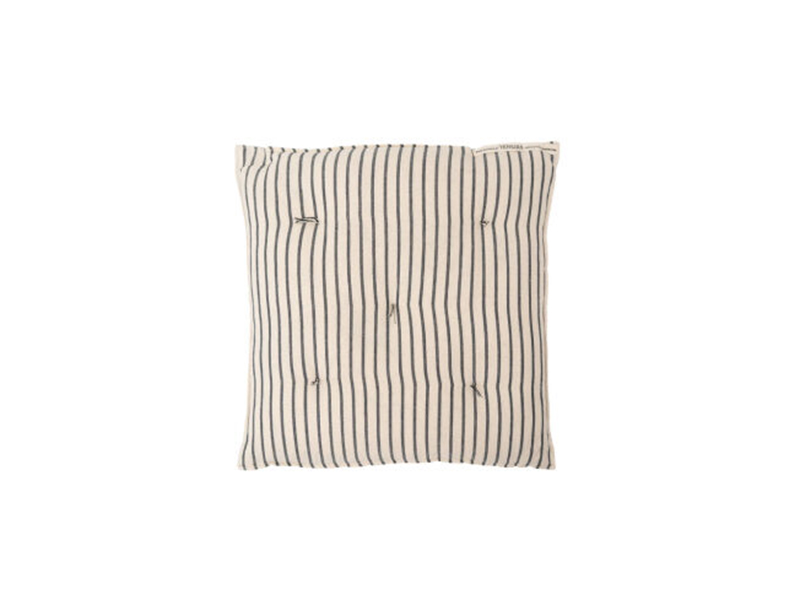
Dining chair cushions are usually thinner and more decorative than office cushions. They often include ties in the back corners so they stay attached to the chair. These cushions are ideal for wooden, metal, or rattan chairs that look beautiful but feel like they were designed by someone who eats dinner standing up.
For dining rooms, choose cushions that are easy to spot-clean, fit the seat shape, and complement your table setting. A cushion that is too thick may make the seating height awkward, especially if your knees suddenly become close friends with the tabletop.
2. Office Chair Cushions
Office chair cushions focus more on ergonomics and pressure relief. Many are made with memory foam, gel, or hybrid materials. Some include a contoured shape, raised side support, or a cutout near the rear to reduce direct pressure around the tailbone area.
An office chair cushion works best when paired with an overall ergonomic setup. Your feet should rest flat on the floor or a footrest, your thighs should be roughly parallel to the floor, and your shoulders should stay relaxed while typing. A cushion can improve comfort, but it cannot rescue a workstation where the monitor is too low, the chair is too high, and the keyboard is somewhere in another ZIP code.
3. Outdoor Chair Cushions
Outdoor chair cushions are made for patios, porches, balconies, and garden seating. They usually use weather-resistant fabrics and quick-drying fillings. Look for fade-resistant, water-repellent, mildew-resistant, or UV-resistant features if the cushion will spend time in sun and humidity.
Even outdoor cushions need care. Rain, pollen, dust, barbecue sauce, and suspicious bird activity can all shorten their life. Store them in a deck box or covered area when not in use, especially during heavy rain or long off-seasons.
4. Bench Cushions
Bench cushions are longer cushions designed for entryway benches, breakfast nooks, outdoor benches, window seats, and storage benches. Because they cover a larger surface, accurate measurement matters. A bench cushion that is too short looks accidental; one that is too long may bunch up like an overstuffed suitcase.
5. Ergonomic Seat Cushions
Ergonomic seat cushions are shaped to support posture, reduce pressure, or promote better sitting alignment. Common designs include wedge cushions, coccyx cushions, donut cushions, and contoured foam cushions. These can be useful for people who sit for long periods, but anyone with ongoing pain, numbness, injury, or medical concerns should speak with a qualified health professional before relying on a cushion as a solution.
Best Chair Cushion Materials
Memory Foam
Memory foam is popular because it molds to the body and helps distribute weight. It can feel supportive without being rock-hard. However, some memory foam cushions retain heat, especially in warm rooms or during long sitting sessions. Gel-infused memory foam or ventilated designs may feel cooler.
Gel
Gel cushions are often chosen for cooling comfort and pressure distribution. Some are made entirely of gel, while others combine gel layers with foam. Gel can feel springy and breathable, although heavier gel cushions may be less convenient for travel.
Polyester Fiberfill
Polyester fiberfill is common in decorative dining and patio cushions. It feels soft and plush, usually costs less than premium foam, and works well for casual seating. The trade-off is that it may flatten over time, especially if the cushion is used daily.
Latex Foam
Latex foam offers a bouncy, resilient feel. It can be durable and supportive, though it is often more expensive. Natural latex may appeal to shoppers who prefer materials with a more responsive feel than memory foam.
Cotton and Fabric Covers
Cotton covers feel breathable and natural, but they may stain more easily than synthetic performance fabrics. For high-use areas, removable covers are a major advantage. If the cover has a zipper and can be washed according to its care label, your future self will send you a thank-you card.
Outdoor Performance Fabrics
Outdoor cushions often use polyester, acrylic, olefin, or other performance fabrics designed to resist moisture and fading. For patios and porches, choose tightly woven fabrics that dry quickly and are easier to clean.
How to Choose the Right Chair Cushion
Measure the Chair First
Before buying, measure the width, depth, and shape of your chair seat. Do not guess. Chair cushions are not one-size-fits-all, despite what optimistic product photos may suggest. A cushion that hangs over the front edge can feel awkward, while one that is too small may slide around and look unfinished.
Match Thickness to the Chair
Thickness affects comfort and seat height. A thin cushion of about one to two inches can work well for dining chairs. A thicker cushion may be better for hard benches, patio chairs, or office seating. But if a cushion raises you too high, it can affect leg position and make the chair less ergonomic.
Check Firmness
Soft does not always mean supportive. A cushion that collapses immediately may feel cozy for five minutes and disappointing by lunchtime. A good cushion should compress enough for comfort but rebound enough to support your weight.
Look for Non-Slip Features
A chair cushion should stay where you put it. Ties work well for dining and patio chairs. Non-slip backing is useful for office chairs, stools, and benches. Hook-and-loop strips can help outdoor cushions stay in place on breezy days.
Choose a Cover That Fits Your Life
If you have kids, pets, coffee habits, snack habits, or a suspicious relationship with spaghetti sauce, choose washable or stain-resistant covers. Beautiful fabric is wonderful, but not if it requires a household emergency meeting every time someone sits down with soup.
Chair Cushion Ideas by Room
Kitchen
Kitchen chair cushions should be practical first. Choose low-profile cushions with washable covers or wipe-friendly fabric. Neutral colors hide small crumbs better, while patterned fabric can disguise everyday wear.
Dining Room
For the dining room, style matters more. Match cushion colors with curtains, rugs, placemats, or wall art. Tufted cushions create a cozy farmhouse look, while smooth cushions feel more modern and minimal.
Home Office
For a home office, prioritize support, thickness, and breathability. A contoured memory foam or gel cushion can make a standard chair more comfortable. Just make sure the cushion does not lift you so high that your feet dangle like you are waiting for a school bus.
Patio or Balcony
Outdoor cushions can completely change the mood of a patio. Bright colors create a cheerful summer look, while earthy neutrals feel calm and relaxed. Choose cushions with ties or grip features so they do not fly away during windy weather and start a new life in the neighbor’s yard.
Entryway Bench
An entryway bench cushion makes shoe-changing more comfortable and adds instant polish to a hallway. Choose durable fabric because this area often deals with bags, jackets, keys, and the occasional muddy shoe situation.
How to Clean and Care for Chair Cushions
Always start with the care label. Different fabrics and fillings respond differently to water, detergent, heat, and scrubbing. If the cover is removable and machine-washable, wash it gently and let it dry fully before putting it back on the cushion.
For routine care, vacuum cushions with an upholstery attachment to remove dust, crumbs, pet hair, and outdoor debris. Spot-clean spills quickly with a mild cleaning solution and a clean cloth. Avoid soaking foam cores unless the manufacturer specifically allows it, because trapped moisture can lead to odors or mildew.
For outdoor cushions, brush off loose dirt first, then use mild soap and water for general cleaning. Rinse thoroughly and let cushions dry completely before storing or using them again. Never put damp cushions into a closed storage box unless you want to open it later and meet a mildew colony with confidence issues.
Common Chair Cushion Mistakes
Buying Only for Looks
A gorgeous cushion that feels terrible is just decorative betrayal. Consider comfort, support, and maintenance along with color and pattern.
Ignoring Seat Height
A thick cushion can change how your body fits the chair. If your feet no longer touch the floor comfortably, the cushion may be too tall for that seat.
Choosing the Wrong Fabric
Velvet may look luxurious, but it may not be ideal for a patio. White cotton may be dreamy until taco night. Match fabric to the room and lifestyle.
Forgetting Maintenance
Chair cushions collect more than compliments. They collect dust, crumbs, sweat, pollen, and pet hair. Regular cleaning keeps them fresher and extends their life.
How Long Does a Chair Cushion Last?
The lifespan depends on material quality, frequency of use, weight load, cleaning habits, and exposure to sunlight or moisture. A lightly used decorative cushion may last for years. A daily office cushion may show compression sooner. Outdoor cushions may fade or weaken faster if left in full sun and rain without protection.
Signs it may be time to replace a chair cushion include permanent flattening, lumps, torn seams, persistent odors, visible mold, loss of support, or fabric that has faded beyond “vintage charm” into “forgotten beach towel.”
Are Chair Cushions Good for Posture?
A chair cushion can support better posture when it helps you sit at a more comfortable height, reduces pressure, or encourages a more stable seated position. However, posture depends on the whole setup: chair height, desk height, monitor position, foot support, back support, and movement breaks.
No cushion should be treated as a magic fix. If you sit for long periods, change position regularly, stand up periodically, stretch gently, and adjust your workstation. The best cushion supports good habits; it does not replace them.
Chair Cushion Buying Checklist
- Measure the chair seat width and depth.
- Choose the right thickness for the chair height.
- Select a filling that matches your comfort needs.
- Pick washable or easy-clean fabric for high-use areas.
- Look for ties, grip backing, or other anti-slip features.
- Use outdoor-rated cushions for patios and porches.
- Check certifications or product details if indoor air quality and material safety matter to you.
Experience Notes: What Living With Chair Cushions Teaches You
After using different chair cushions in real homes, one lesson becomes obvious: the best cushion is the one that fits your daily routine, not the one that looks perfect in a product photo. A thick memory foam cushion might be wonderful for a desk chair but feel awkward on a dining chair. A pretty tufted cushion might look charming in a breakfast nook but become annoying if crumbs hide in every little buttoned valley. A patio cushion might be advertised as outdoor-friendly, but if it stays wet for two days after rain, it will quickly lose its charm.
For dining chairs, the most satisfying cushions are usually medium-thin, secure, and easy to clean. Ties are underrated. Without them, people sit down, scoot forward, and the cushion slowly migrates toward the floor like it has somewhere better to be. With ties, everything stays tidy, and the chair looks more finished. In a busy household, removable covers are a small miracle. They make the difference between “quick laundry” and “we now live with this stain forever.”
For office chairs, cushion height is the surprise factor. A cushion may feel luxurious at first, but if it lifts you too high, your knees, feet, arms, and desk position all change. That can create new discomfort. A good office cushion should improve the chair without turning your workstation into a balancing act. The sweet spot is supportive, not squishy; stable, not slippery; breathable, not heat-trapping. Memory foam with a washable cover works well for many people, while gel layers can be helpful in warmer rooms.
Outdoor cushions teach another lesson: storage matters as much as material. Even weather-resistant cushions last longer when protected from heavy rain, harsh sun, and dirt. A simple deck box or storage bench can preserve color, shape, and freshness. It also prevents the classic morning-after-storm scene where cushions are scattered dramatically across the yard like patio furniture confetti.
Color choice matters too. Light cushions make a room feel airy and fresh, but they show spills faster. Dark cushions hide marks better but may absorb more heat outdoors. Patterns are practical heroes because they disguise everyday wear while adding personality. If you are unsure, choose a neutral base with a subtle texture. It works with most decor and does not demand new curtains, new rugs, and a complete identity change for the dining room.
The biggest experience-based tip is simple: test the cushion where you will actually use it. Sit on it for more than thirty seconds. Notice whether your feet rest comfortably, whether your back feels supported, whether the cushion slides, and whether the fabric feels pleasant against clothing. A chair cushion is a small purchase, but it interacts with your body every day. Choose one that quietly improves life, not one that needs constant adjusting, fluffing, apologizing, or explaining.
Conclusion
A chair cushion is one of the easiest ways to make a chair more comfortable, more stylish, and more useful. The right one can soften hard seating, support better sitting habits, protect furniture, and refresh a room without requiring a full makeover. The key is to choose based on fit, material, firmness, cleaning needs, and where the cushion will be used.
For dining rooms, prioritize style and easy care. For offices, focus on support and ergonomics. For outdoor spaces, choose durable weather-resistant materials and store cushions properly. And for every chair in between, remember this: comfort should not be dramatic. If your chair cushion is doing its job, you may barely think about it at all. You will simply sit down, feel comfortable, and get on with your day. That is the quiet magic of a good cushion.