Note: This article is for general informational purposes and is based on reputable U.S. medical and nutrition sources, including public health agencies, academic medical centers, and registered dietitian guidance. It is not a substitute for professional medical advice.
Few wellness promises are as tempting as a “detox.” The word sounds clean, efficient, and slightly glamorouslike your body is a luxury apartment getting a deep spring cleaning. After a weekend of salty snacks, late nights, sugary coffee drinks, or holiday leftovers, a juice cleanse can look like the reset button we all wish came installed behind the left ear.
But here is the big question: do cleanses and detox plans actually work? The honest answer is: not in the magical way most ads suggest. Your body already has a sophisticated detox system, and it works around the clock without needing a lemon-cayenne subscription box. Your liver, kidneys, digestive tract, lungs, lymphatic system, and skin all help process and remove waste. A commercial detox plan does not “unlock” that system. It may simply reduce calories, cut ultra-processed foods, increase fluids, or make you more mindful of what you eat.
That does not mean every cleanse habit is useless. Drinking more water, eating more vegetables, limiting alcohol, sleeping better, and taking a break from highly processed foods can absolutely help many people feel better. The problem starts when detox plans promise rapid weight loss, toxin removal, glowing skin, perfect digestion, and superhero energy in three daysusually while selling powders that taste like a lawn mower’s smoothie.
What Are Cleanses and Detox Plans?
A cleanse usually refers to a short-term eating plan designed to “clean out” the digestive system. A detox plan often claims to remove toxins from the body, support the liver, reset metabolism, or improve overall health. In practice, the two terms are often used interchangeably in the wellness market.
Common types of detox diets and cleanses include juice cleanses, smoothie cleanses, fasting plans, raw-food resets, tea detoxes, colon cleanses, supplement programs, elimination diets, and “liver detox” plans. Some involve only liquids. Others allow fruits, vegetables, soups, herbal teas, or specific supplements. Many last one to seven days, although some programs stretch longer.
The marketing usually sounds scientific, but the word “toxins” is often left suspiciously vague. Real toxins can include heavy metals, environmental pollutants, excess alcohol, certain medications, and byproducts of metabolism. But when a product does not clearly define which toxin it removes, how it removes it, or how that result is measured, the claim deserves a raised eyebrow.
How Your Body Naturally Detoxes Itself
Your body is not helpless. It is more like a 24-hour maintenance crew with no coffee break.
The Liver
The liver processes nutrients, breaks down alcohol and medications, helps metabolize fats and carbohydrates, and converts many substances into forms that can be removed through bile or urine. It does not need a three-day grapefruit ritual to remember its job.
The Kidneys
The kidneys filter blood, balance fluids and electrolytes, and remove waste products through urine. Staying hydrated supports normal kidney function, but drinking extreme amounts of water or relying on diuretic teas can create problems rather than solve them.
The Digestive System
Your digestive tract moves waste out of the body while your gut microbiome helps break down food, produce certain beneficial compounds, and support immune function. Fiber from fruits, vegetables, beans, lentils, oats, and whole grains is far more useful for regular digestion than harsh laxative cleanses.
The Lungs, Skin, and Lymphatic System
Your lungs remove carbon dioxide when you breathe. Your skin helps regulate temperature and provides a barrier against the outside world. Your lymphatic system supports immune function and fluid balance. These systems do not require “detox patches” or dramatic restrictions to work properly.
Do Detox Diets Remove Toxins?
There is little strong evidence that commercial detox diets remove toxins from the body in healthy people. Many detox claims sound impressive but are not backed by high-quality human research. When people feel better after a cleanse, the improvement may come from eating fewer ultra-processed foods, drinking less alcohol, reducing added sugar, consuming fewer heavy meals, or paying more attention to sleep and hydration.
That distinction matters. If a person feels better after replacing fast food and soda with vegetables, water, and regular sleep, the benefit is not proof that a special detox formula removed mysterious toxins. It is proof that basic nutrition still has excellent job security.
Why People Lose Weight on Cleanses
Many cleanses lead to quick weight loss because they sharply reduce calories and carbohydrates. When carbohydrate intake drops, the body uses stored glycogen. Glycogen holds water, so the scale may fall quickly as water weight decreases. That can feel exciting, but it is not the same as sustainable fat loss.
Once normal eating returns, much of that weight often comes back. This is why people may feel trapped in a cycle: cleanse, lose a few pounds, return to regular eating, regain weight, then start another cleanse. The body is not failing; the plan is simply not designed for long-term success.
Healthy weight management usually comes from consistent habits: balanced meals, enough protein, fiber-rich carbohydrates, healthy fats, realistic portions, regular physical activity, sleep, and stress management. It is less dramatic than a “48-hour belly reset,” but it has the advantage of being real life.
Possible Benefits of a CleanseBut Not for the Reason You Think
Some people do report feeling lighter, more focused, or more motivated after a short reset. These experiences are not imaginary. However, the explanation is usually practical rather than mystical.
- Less ultra-processed food: Cutting back on packaged snacks, fried foods, sugary drinks, and heavy restaurant meals can reduce bloating and sluggishness.
- More fruits and vegetables: Produce provides vitamins, minerals, antioxidants, water, and fiber.
- Better hydration: Many people simply drink more fluids during a cleanse.
- Less alcohol: Avoiding alcohol can improve sleep quality, digestion, and energy.
- More mindful eating: A planned reset may help people notice habits they usually run on autopilot.
In other words, the useful part of a cleanse is often the “stop doing things that make you feel bad” partnot the expensive bottle with a leaf on the label.
Risks of Detox Plans and Cleanses
Not all cleanses are harmless. Some can be risky, especially for children, teens, pregnant people, older adults, athletes, people with diabetes, people with kidney or liver disease, people with heart conditions, and anyone with a history of disordered eating.
Too Few Calories
Very-low-calorie cleanses can cause fatigue, dizziness, headaches, irritability, poor concentration, and intense hunger. For students, workers, parents, and anyone expected to function like a normal human, this is not exactly a productivity hack.
Low Protein Intake
Juice cleanses often provide very little protein. Protein supports muscle, immune function, enzymes, hormones, and fullness. A plan without enough protein may leave you hungry and low on energy.
Blood Sugar Swings
Some juice plans are high in natural sugars but low in fiber, fat, and protein. That combination can cause blood sugar to rise and fall quickly, which may lead to shakiness, cravings, fatigue, or mood changes.
Digestive Problems
Laxative teas, colon cleanses, and extreme fiber products can cause cramping, diarrhea, dehydration, and electrolyte imbalances. Your colon does not need to be power-washed like a driveway.
Supplement Safety Concerns
Detox supplements may contain herbs, stimulants, laxatives, or undeclared ingredients. Some supplements can interact with medications or stress the liver. “Natural” does not always mean safe; poison ivy is natural, and nobody invites it to brunch.
Do Juice Cleanses Work?
Juice cleanses are among the most popular detox plans. They can increase vitamin and mineral intake for a few days, especially if the juices are made from vegetables and fruits. However, juicing removes much of the fiber found in whole produce. Fiber supports digestion, fullness, cholesterol balance, blood sugar control, and gut health.
A better option for most people is to eat whole fruits and vegetables or blend smoothies that keep the fiber. A smoothie with berries, spinach, Greek yogurt, oats, and nut butter is more balanced than six bottles of fruit juice and a prayer.
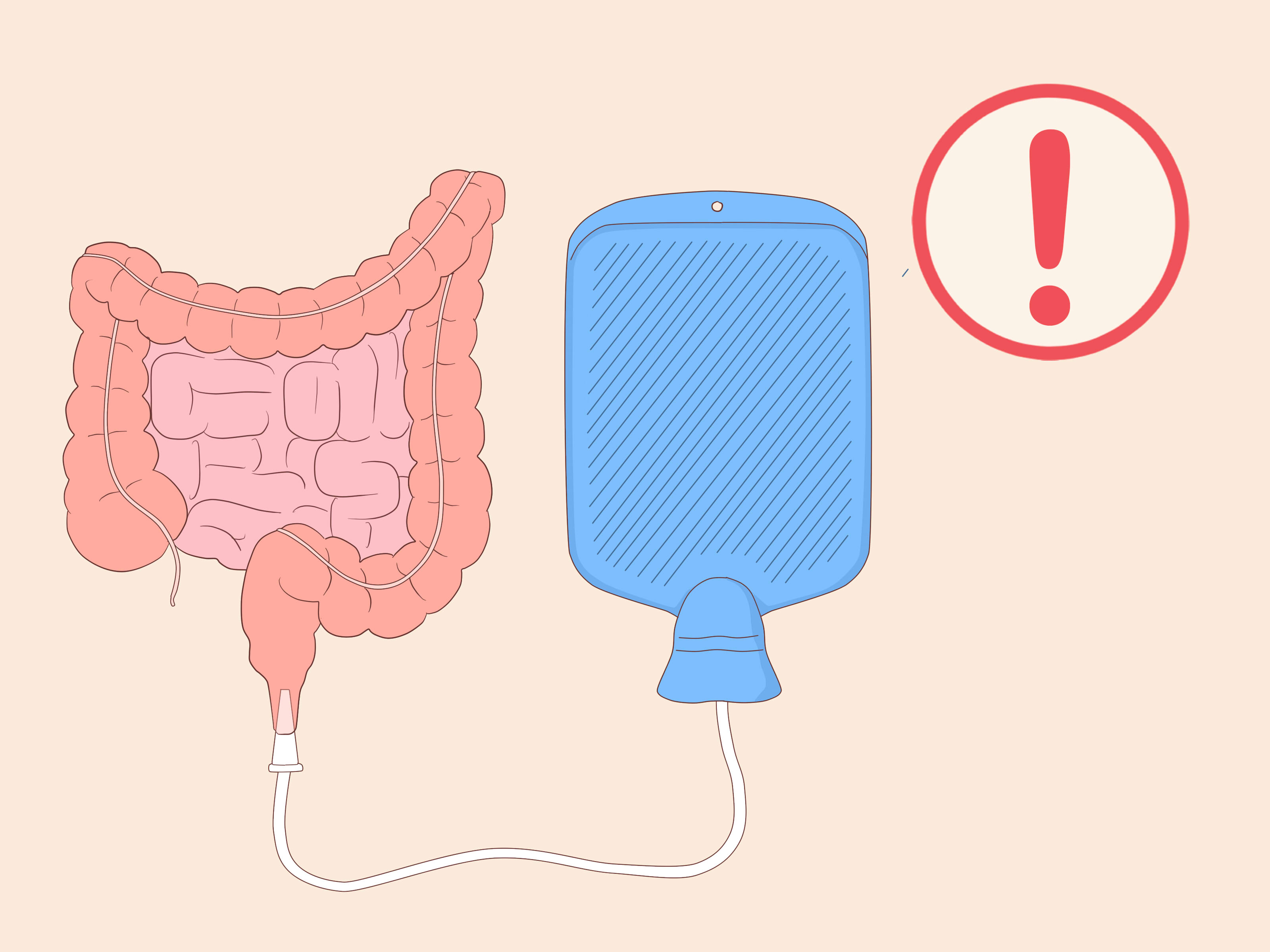
Do Colon Cleanses Work?
Colon cleanses claim to remove waste buildup, improve energy, and support health. In reality, the digestive system naturally eliminates waste. There is no need for routine colon cleansing unless a medical professional recommends bowel preparation for a procedure such as a colonoscopy.
For everyday digestive support, focus on fiber, fluids, regular movement, and consistent meals. Beans, lentils, vegetables, fruit, nuts, seeds, and whole grains are not as dramatic as a detox kit, but they are much kinder to your gut.
Do Liver Detoxes Work?
“Liver detox” is one of the most common wellness claims, but healthy liver support is less about special cleanses and more about long-term habits. The liver benefits from limiting alcohol, maintaining a healthy weight, eating balanced meals, being physically active, avoiding unnecessary supplements, and managing medical conditions with professional care.
If someone has liver disease, a detox product is not the answer. Medical evaluation is essential. A supplement marketed as liver support may be ineffective, unsafe, or both.
What Actually Supports Your Body’s Natural Detox System?
The best “detox plan” is not a cleanse. It is a steady lifestyle that gives your body what it needs to do the work it already knows how to do.
Eat Enough Fiber
Fiber supports regular bowel movements and feeds beneficial gut bacteria. Good sources include oats, barley, beans, lentils, berries, apples, vegetables, chia seeds, flaxseed, and whole grains.
Hydrate Normally
Water helps the kidneys remove waste and supports digestion, temperature regulation, and circulation. You do not need to drown yourself in gallon challenges. Pale yellow urine is often a practical sign of reasonable hydration for many people.
Include Protein at Meals
Protein supports liver function, muscle maintenance, immune health, and satiety. Consider eggs, fish, poultry, tofu, tempeh, beans, lentils, Greek yogurt, cottage cheese, nuts, seeds, and lean meats.
Limit Alcohol and Ultra-Processed Foods
Alcohol can place extra demand on the liver, and heavily processed foods are often high in sodium, added sugar, and unhealthy fats. Reducing them can improve how you feel without requiring a dramatic cleanse.
Sleep Like It MattersBecause It Does
Sleep supports metabolism, appetite regulation, immune function, and brain health. A tired body often craves quick energy, which can make healthy eating harder.
Move Your Body
Regular physical activity supports circulation, digestion, insulin sensitivity, mood, and long-term health. Walking, strength training, cycling, dancing, swimming, and sports all count.
A Safer 3-Day “Reset” Without the Detox Drama
If you want a reset after a stretch of chaotic eating, skip the extreme cleanse and try a simple, balanced approach for three days:
- Eat a protein-rich breakfast, such as eggs with vegetables or Greek yogurt with berries and oats.
- Build lunches and dinners around vegetables, protein, whole grains, and healthy fats.
- Drink water regularly and limit sugary drinks.
- Choose whole fruit instead of juice.
- Take a walk after meals when possible.
- Go to bed at a reasonable time.
- Avoid alcohol and reduce ultra-processed snacks.
This kind of reset supports your body without starving it. It is not flashy, but neither are seat beltsand those work beautifully.
Who Should Avoid Cleanses and Detox Plans?
Some people should be especially cautious or avoid detox plans entirely unless advised by a qualified healthcare professional. This includes people who are pregnant or breastfeeding, children and teens, people with diabetes, people with kidney disease, people with liver disease, people with heart conditions, people taking medications, athletes with high energy needs, and anyone with a history of eating disorders or restrictive eating patterns.
For teens especially, restrictive cleanses can interfere with growth, energy, concentration, sports performance, mood, and a healthy relationship with food. A growing body needs nourishment, not punishment disguised as wellness.
How to Spot a Detox Scam
Be skeptical when a cleanse or detox product uses language that sounds exciting but avoids specifics. Red flags include claims such as “flush toxins fast,” “melt fat overnight,” “clean your liver instantly,” “reset your metabolism,” “doctor-approved secret,” or “works without diet or exercise.”
Also be cautious if the product requires expensive supplements, encourages laxatives, recommends extreme fasting, promises guaranteed weight loss, or says symptoms like headaches and weakness are proof that toxins are leaving your body. Sometimes a headache is not a healing crisis. Sometimes it is your body asking why lunch disappeared.
Experiences Related to Cleanses and Detox Plans: What People Commonly Notice
When people try cleanses and detox plans, their experiences can vary widely. Some describe the first day as exciting. They buy colorful juices, clean out the fridge, prepare a water bottle the size of a small fire extinguisher, and imagine waking up tomorrow with the energy of a golden retriever at the beach. Motivation is high because the plan feels clear, simple, and temporary.
By the second day, reality often walks in wearing sensible shoes. Hunger may appear. Some people feel cold, tired, or distracted. Others get headaches, especially if they suddenly stop caffeine or eat far fewer calories than usual. A person who normally eats balanced meals may find that juice alone does not keep them full. Someone used to salty restaurant food may notice a quick drop in scale weight, but much of that change may come from reduced water retention rather than lasting fat loss.
Some people genuinely feel better during a short reset, especially if their usual diet has been heavy in alcohol, fried foods, sweets, and late-night snacking. They may sleep better, feel less bloated, or enjoy the structure of having a plan. But again, those benefits often come from removing habits that were making them feel sluggishnot from a special detox effect.
Another common experience is the “rebound meal.” After several days of strict restriction, cravings can become intense. A person may finish a cleanse and immediately want pizza, fries, cookies, or a giant bowl of pasta. This is not a lack of willpower. It is a normal response to feeling deprived. Extreme plans often make ordinary eating feel like a reward, which can create a cycle of restriction and overeating.
People also report emotional effects. Some feel proud after completing a cleanse, while others feel guilty if they “break” the plan. That guilt is one reason detox culture can be tricky. Food should not become a moral courtroom where kale is innocent and bread needs a lawyer. A healthier approach is to ask: “What habits help me feel energetic, satisfied, and steady?” That question leads to better choices than shame ever will.
A practical experience many people discover is that small changes are easier to keep. Replacing soda with water at lunch, adding vegetables to dinner, eating protein at breakfast, walking after school or work, and sleeping earlier may not feel as dramatic as a detox challenge. But these habits are repeatable. Repeatable habits are where long-term health is built.
For someone who likes the ritual of a reset, the best experience usually comes from making it nourishing rather than restrictive. A weekend of homemade soups, colorful salads, fruit, whole grains, lean proteins, and plenty of rest can feel refreshing without leaving the body underfed. You still get the mental benefit of a fresh start, minus the part where your stomach files a complaint.
Conclusion: So, Do Cleanses and Detox Plans Work?
Cleanses and detox plans do not work the way many marketing claims suggest. They do not magically remove vague toxins, permanently reset metabolism, or replace the body’s natural detox systems. Your liver, kidneys, lungs, digestive tract, skin, and lymphatic system already handle waste removal every day.
However, some habits often packaged inside detox plans can be helpful: eating more whole foods, drinking enough water, reducing alcohol, cutting back on ultra-processed foods, increasing fiber, and sleeping better. The smart move is to keep those habits and skip the extreme restrictions, laxatives, miracle supplements, and fear-based promises.
The most effective “cleanse” is not a product. It is a pattern: balanced meals, regular movement, hydration, sleep, and consistency. It may not come with a shiny label or celebrity testimonial, but it works better in real lifeand it lets you keep chewing, which is always a bonus.