There are two kinds of party hosts: the ones who casually say, “Oh, just help yourself,” and the ones silently guarding the meatballs like a museum security guard. If you have ever watched a tray of pasta go from steamy and glorious to sad and lukewarm before the second guest even arrives, you already know why learning how to keep food warm at a party matters.
Warm food is not just about comfort, although nobody has ever cheered for cold mashed potatoes. It is also about food safety, flavor, texture, and timing. The goal is simple: keep hot dishes hot, ideally at 140°F or warmer, while making the buffet look inviting instead of like a science experiment with extension cords.
This guide breaks the process into three practical methods: using warming equipment, staging food in smart batches, and insulating dishes during transport or serving. Whether you are hosting a birthday dinner, holiday buffet, game-day spread, backyard cookout, office potluck, or “just a few friends” gathering that somehow becomes twenty people, these tips will help your food stay warm, safe, and party-ready.
Why Keeping Food Warm at a Party Matters
At parties, food has a sneaky way of sitting out longer than planned. Guests arrive late, conversations run long, kids ask for plates at random intervals, and someone always needs “just five more minutes.” Meanwhile, hot dishes slowly cool into the food temperature danger zone, which is generally between 40°F and 140°F. That range is where bacteria can multiply quickly.
For perishable foods such as meat, poultry, seafood, casseroles, cooked vegetables, rice, pasta, sauces, gravies, eggs, and dairy-based dishes, temperature control is a big deal. If hot food is not being held at 140°F or above, it should not sit at room temperature for more than two hours. If the party is outdoors and the temperature is above 90°F, that safe window drops to one hour.
That does not mean you need to turn your party into a health department inspection. It simply means you need a plan. A food thermometer, a few smart tools, and a serving strategy can save your buffet from becoming both cold and questionable. Delicious is the goal. Dramatic food poisoning stories are not.
Way 1: Use the Right Warming Equipment
The easiest way to keep food warm at a party is to use equipment designed for the job. This includes slow cookers, chafing dishes, warming trays, electric roasters, insulated food carriers, and low oven heat. Each works best for different dishes, so matching the food to the tool is the secret.
Slow Cookers: Best for Saucy, Moist Foods
Slow cookers are party superheroes. They do not wear capes, but they do keep queso from becoming a brick. They are ideal for chili, pulled pork, meatballs, baked beans, soups, stews, hot dips, taco meat, macaroni and cheese, and saucy chicken dishes.
Use the “warm” setting only after the food has already been fully cooked and heated. A slow cooker is great for holding food warm, but it is not the fastest or safest tool for reheating a large cold batch. If you prepared the dish ahead of time, reheat it first on the stove, in the oven, or in the microwave until it reaches a safe internal temperature. Then transfer it to the slow cooker to hold.
For best results, preheat the slow cooker before adding hot food. Keep the lid on as much as possible because every lid lift lets heat escape. If the dish thickens over time, stir occasionally and add a splash of broth, sauce, milk, or water depending on the recipe. Nobody wants chili cement.
Chafing Dishes: Best for Buffets and Larger Gatherings
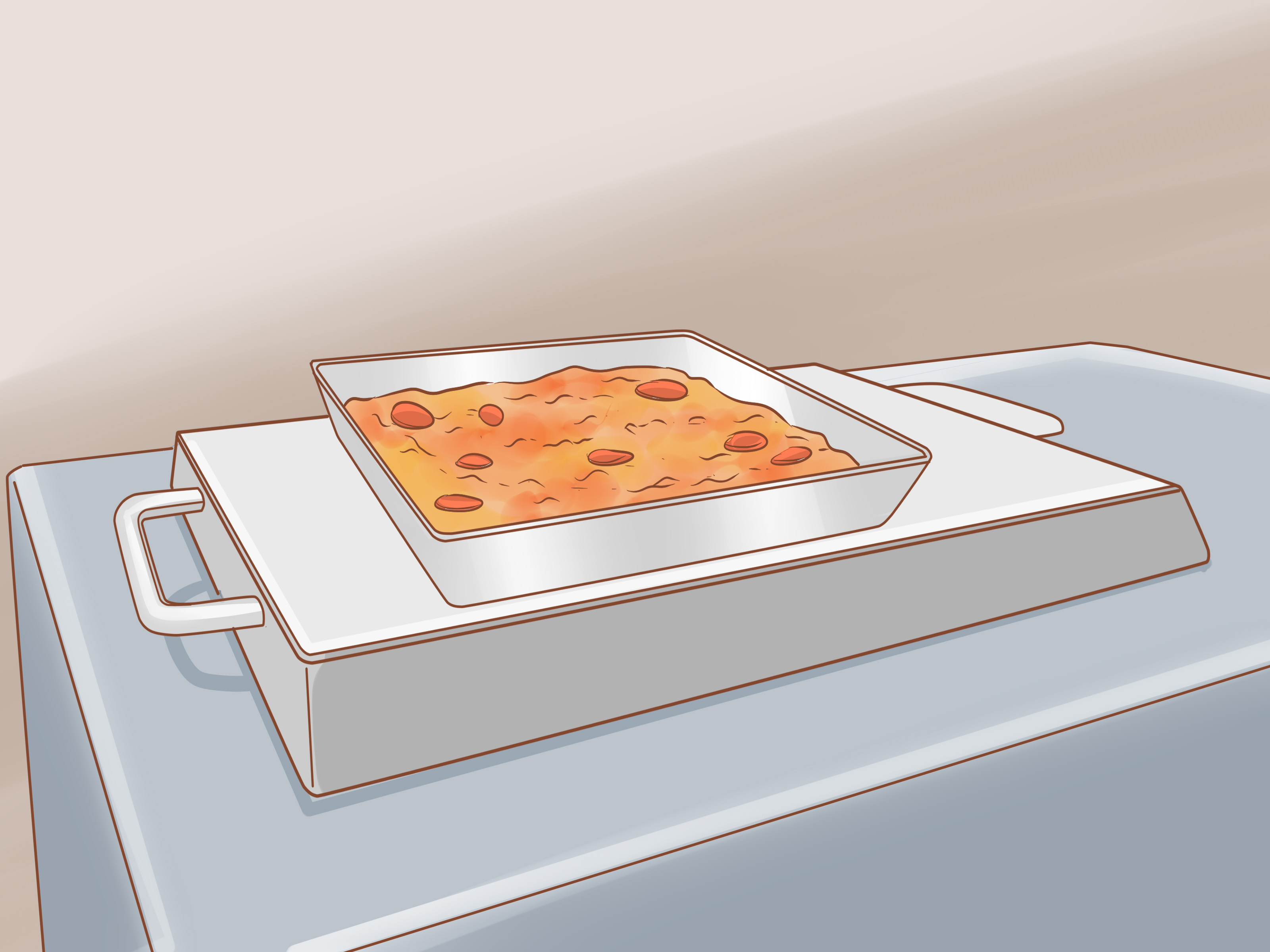
Chafing dishes are the classic buffet setup for a reason. They use hot water and a heat source, often canned fuel, to create gentle, steady warmth under pans of food. They work well for roasted meats, rice, pasta, vegetables, breakfast foods, casseroles, and catered-style meals.
The key is to use them correctly. Add hot water to the water pan, place hot food in the food pan, and light the fuel according to the manufacturer’s directions. Chafing dishes are meant to hold hot food hot, not rescue cold food from the refrigerator. Start with food that is already steaming and properly heated.
Also, check the food temperature occasionally with a thermometer. Some warming setups may look impressive but fail to hold food at 140°F or above. Your buffet should not be judged by vibes alone.
Warming Trays and Electric Buffet Servers
Warming trays and electric buffet servers are convenient for appetizers and smaller dishes. They are helpful for sliders, dumplings, roasted vegetables, pastries, breakfast potatoes, and small pans of party bites. Choose models that can maintain safe holding temperatures, and read the product label before trusting them with high-risk foods.
For crisp foods, warming trays can be better than covered slow cookers because they allow less steam buildup. For example, mini quiches, puff pastry appetizers, or toasted sandwiches may stay more appealing on a tray than in a closed pot. Still, do not leave them unattended for hours without checking temperature and quality.
Low Oven Heat: The Quiet Backup Plan
If your kitchen is near the party area, the oven can be your secret weapon. Set it low, usually around 200°F to 250°F, and use it to hold covered dishes until serving. This is especially helpful for casseroles, roasted vegetables, baked pasta, rolls, potatoes, and meat covered with foil.
A low oven works well when you want to bring out one dish at a time instead of loading the entire buffet at once. Just remember that some foods continue cooking or drying out in the oven. Add moisture when needed, cover dishes tightly, and avoid holding delicate foods for too long.
Way 2: Serve Food in Small Batches and Refill Often
The smartest party hosts do not put all the food out at once. They serve in smaller batches and refill throughout the event. This keeps food warmer, fresher, and safer. It also makes your buffet look abundant for longer, instead of giving guests the “we arrived after the locusts” experience.
Use Smaller Serving Dishes
Large trays lose heat over time, especially if guests are opening lids, stirring, or grazing slowly. Smaller dishes are easier to keep hot and easier to replace. Instead of placing one massive pan of lasagna on the table, serve half and keep the other half warm in the oven. When the first dish runs low, swap in the fresh hot one.
This method works beautifully for pasta, rice, roasted meats, wings, vegetables, breakfast casseroles, stuffing, meatballs, and hot appetizers. It also improves food quality. The second batch tastes like it just joined the party, not like it has been listening to everyone’s small talk for two hours.
Replace, Do Not Just Top Off
When a serving dish is nearly empty, it may be tempting to dump fresh hot food on top. Try not to do that. The older food has already been exposed to room air, serving utensils, and guest traffic. Instead, replace the dish with a clean one filled with fresh hot food.
This is a simple move with a big payoff. It keeps the buffet cleaner, helps maintain temperature, and makes the food look more appetizing. A refreshed serving dish says, “Welcome, we planned well.” A half-scraped casserole pan says, “Good luck, friend.”
Create a Refill Schedule
Before the party starts, decide which foods need rotation. For example, you might refill wings every 30 minutes, replace hot dip every hour, and bring out a fresh pan of roasted vegetables halfway through the meal. Set quiet reminders on your phone if you are likely to get distracted. You are hosting a party, not auditioning for a memory competition.
Keep backup food hot in the oven, in a slow cooker, or in an insulated carrier. Label containers if you have multiple dishes waiting. This prevents the classic kitchen mystery: “Is this gravy, soup, or something that belonged to last Thursday?”
Way 3: Insulate Food Before and During Serving
Not every party has enough outlets, counter space, or buffet equipment. That is where insulation comes in. Insulated carriers, towels, coolers, foil, thermal bags, and even clever dish stacking can help hold heat for a limited time.
Use an Insulated Cooler for Hot Food
Coolers are not just for cold drinks. A clean insulated cooler can keep hot food warm during transport or before serving. To use one, preheat it with hot water for several minutes, empty and dry it, then place tightly covered hot dishes inside. Add clean towels around the containers to reduce empty space and trap heat.
This technique is excellent for potlucks, tailgates, holiday meals, and parties hosted away from your own kitchen. It works especially well for foil-covered pans, wrapped rolls, casseroles, barbecue, and roasted meats. Use a thermometer when you arrive to make sure food is still hot enough for serving.
Wrap Dishes Properly
Foil is helpful, but foil plus towels is better. Cover the dish tightly with foil, then wrap it in a clean towel to hold heat. For lidded containers, make sure the lid seals well. If food is very juicy, place the container on a rimmed tray or inside another pan to prevent leaks. Nothing tests friendship like gravy in a car seat.
For breads, rolls, tortillas, and baked potatoes, wrap them in foil and place them in a towel-lined basket or insulated bag. Bread can turn soggy if trapped with too much steam, so use breathable wrapping when crispness matters.
Warm the Serving Area
Small details make a difference. Use warmed serving bowls for soups, mashed potatoes, and pasta. Heat ceramic dishes briefly with hot water, then dry them before adding food. Keep lids on serving dishes when guests are not actively scooping. Place hot foods away from open windows, fans, air-conditioning vents, or chilly outdoor spots.
If the party is outside, wind is the enemy. Even a gentle breeze can cool food quickly. Use lids, foil tents, or covered buffet servers. Set the buffet in a sheltered area when possible. Your pulled pork did not come all this way to be defeated by weather.
Best Foods to Keep Warm at a Party
Some foods are naturally better at staying warm than others. Moist, saucy, dense dishes tend to hold heat well. Dry, thin, or crispy foods cool faster and may lose texture if covered too long.
Foods That Hold Heat Well
Great warm-party foods include chili, stew, soup, meatballs, pulled pork, baked ziti, macaroni and cheese, mashed potatoes, rice, curry, taco meat, baked beans, casseroles, queso, hot spinach dip, and roasted meats. These dishes can usually handle slow cookers, chafing dishes, or covered pans without losing too much quality.
Foods That Need Extra Care
Crispy foods such as fried chicken, fries, spring rolls, toasted appetizers, and breaded items need airflow. If you cover them tightly, steam can soften the crust. Use a low oven, a wire rack over a sheet pan, or uncovered warming for short periods. For pizza, keep it in a warm oven or insulated pizza bag, but avoid sealing it so tightly that the crust gives up on life.
Food Safety Tips for Party Hosts
Keeping food warm is only one part of party food safety. The full plan includes cooking, holding, serving, and storing food correctly.
Use a Food Thermometer
A food thermometer is the easiest way to know whether your food is safe. Do not rely only on steam, color, or the “hand hover test.” Steam can disappear quickly, and hands are famously unreliable measurement tools.
Check hot dishes during the party, especially meats, casseroles, sauces, rice, and foods containing eggs or dairy. Keep hot foods at 140°F or above while serving. If food drops below that temperature and has been sitting out too long, it is safer to discard it than to gamble.
Watch the Clock
Perishable foods should not sit out at room temperature for more than two hours unless they are being kept hot or cold. In hot outdoor conditions above 90°F, the limit is one hour. Set a timer when food goes on the table. This is especially useful for long parties where guests graze for hours.
Store Leftovers Quickly
When the meal is winding down, pack leftovers into shallow containers so they cool faster in the refrigerator. Do not leave a giant pot of stew on the counter until midnight because “it still feels warm.” Warm leftovers need prompt refrigeration, not emotional support.
Label containers with the date if you are storing several dishes. Reheat leftovers thoroughly before serving again. If you are unsure how long something sat out, follow the golden rule: when in doubt, throw it out.
Common Mistakes When Keeping Food Warm
Mistake 1: Using Warmers to Reheat Cold Food
Many party warmers are designed to hold hot food, not reheat cold food. Putting a cold casserole directly into a chafing dish or slow cooker may keep it in the danger zone too long. Reheat first, then hold warm.
Mistake 2: Forgetting to Preheat Equipment
A cold slow cooker insert or unheated chafing setup can steal heat from your food. Preheat equipment before serving. This small step helps food stay warm longer and perform better on the buffet.
Mistake 3: Overcrowding the Buffet
Too many dishes in one area makes it harder for guests to serve themselves and harder for you to manage temperatures. Group foods by type and temperature. Keep hot foods together near outlets or warmers, and keep cold foods on ice in a separate zone.
Mistake 4: Ignoring Texture
Heat is important, but texture matters too. Saucy foods like covered warmth. Crispy foods need dry heat. Bread needs gentle insulation. Match the method to the dish and your guests will notice, even if they only say, “Wow, these are still good.” That counts as applause in party language.
A Simple Party Food Warming Plan
Here is a practical example for a party menu with meatballs, baked pasta, sliders, roasted vegetables, and rolls.
Keep the meatballs in a slow cooker on warm after heating them fully. Hold baked pasta in a low oven and serve it in two smaller pans instead of one huge tray. Place sliders on a warming tray for a short serving window, or bring them out in batches so the buns do not dry out. Keep roasted vegetables in a covered chafing dish, but crack the lid slightly if they start steaming too much. Wrap rolls in foil and a towel, then place them in a basket just before guests eat.
This plan uses three strategies at once: equipment, batching, and insulation. That is usually the best approach. No single tool solves every party problem, but a smart combination makes you look wildly organized with very little drama.
of Real-World Experience: What Actually Works at Parties
After helping with more family dinners, potlucks, game-day tables, and holiday buffets than anyone’s dishwasher would like to remember, one lesson stands out: the best way to keep food warm at a party is to stop thinking of the buffet as a display and start thinking of it as a rotation system. Food does not need to sit out for the entire event to prove you are generous. It needs to arrive hot, get eaten happily, and be replaced before it becomes tired.
For casual parties, slow cookers are usually the most forgiving tool. They are especially helpful when the host is busy answering the door, finding extra forks, and explaining why the dog is wearing a bow tie. A slow cooker full of chili, meatballs, pulled chicken, or queso can take care of itself for a while as long as the food starts hot and the temperature is checked. The biggest practical tip is to keep a ladle rest or small plate beside it. Otherwise, someone will set the saucy spoon directly on your tablecloth, because parties are where common sense occasionally takes a snack break.
Chafing dishes feel more formal, but they are fantastic for feeding a crowd. They work best when everything is ready before guests arrive: water pan filled, food pan hot, fuel ready, serving utensils in place, and extra pans waiting in the kitchen. The mistake many hosts make is setting up chafing dishes too late. By the time the water heats and the food settles, guests are already hovering. Set the buffet earlier than you think you need to, then keep lids closed until serving.
Batch serving is the trick that separates calm hosts from sweaty ones. Instead of placing every wing, roll, taco filling, or pasta portion on the table, keep backup food warm in the oven. Bring out smaller amounts and refresh the table often. This keeps food hotter and makes the buffet look better. People eat with their eyes first, and nobody’s eyes are excited by a giant pan with one lonely corner of casserole left.
For potlucks, insulation is the unsung hero. A towel-lined cooler can keep a casserole warm surprisingly well during a short drive. Foil, towels, and tightly covered containers make a big difference. Still, the host should have a reheating plan. If guests are bringing hot food from home, ask them what needs oven space, what can go into a slow cooker, and what should be served immediately. This tiny bit of coordination prevents the kitchen from becoming a traffic jam of mystery pans.
The final experience-based tip is simple: choose foods that tolerate warmth. Saucy meatballs are easier than crispy fries. Chili is easier than medium-rare steak slices. Baked pasta is easier than delicate seafood. If the party will last for hours, build the menu around foods that hold heat gracefully. Your future self, your guests, and your electric outlets will all be grateful.
Conclusion
Keeping food warm at a party does not require a catering degree, a commercial kitchen, or the ability to whisper motivational speeches to lasagna. You need three things: the right warming equipment, a smart batch-serving plan, and good insulation. Add a thermometer and a little clock-watching, and you can serve food that is warm, safe, and genuinely enjoyable from the first guest to the last.
The best hosts do not just cook well; they manage timing well. A slow cooker keeps saucy dishes cozy. Chafing dishes make buffets work smoothly. Smaller serving pans keep food fresh. Insulated carriers save potlucks and road trips. Most importantly, keeping hot food at 140°F or warmer helps protect your guests while preserving the flavor and texture you worked hard to create.
So go ahead and host the party. Bring out the meatballs, protect the mashed potatoes, rotate the pasta, and give your guests food that tastes like it was meant to be eaten warm. Because at the end of the night, nobody remembers whether your napkins matched the plates. They remember the food.