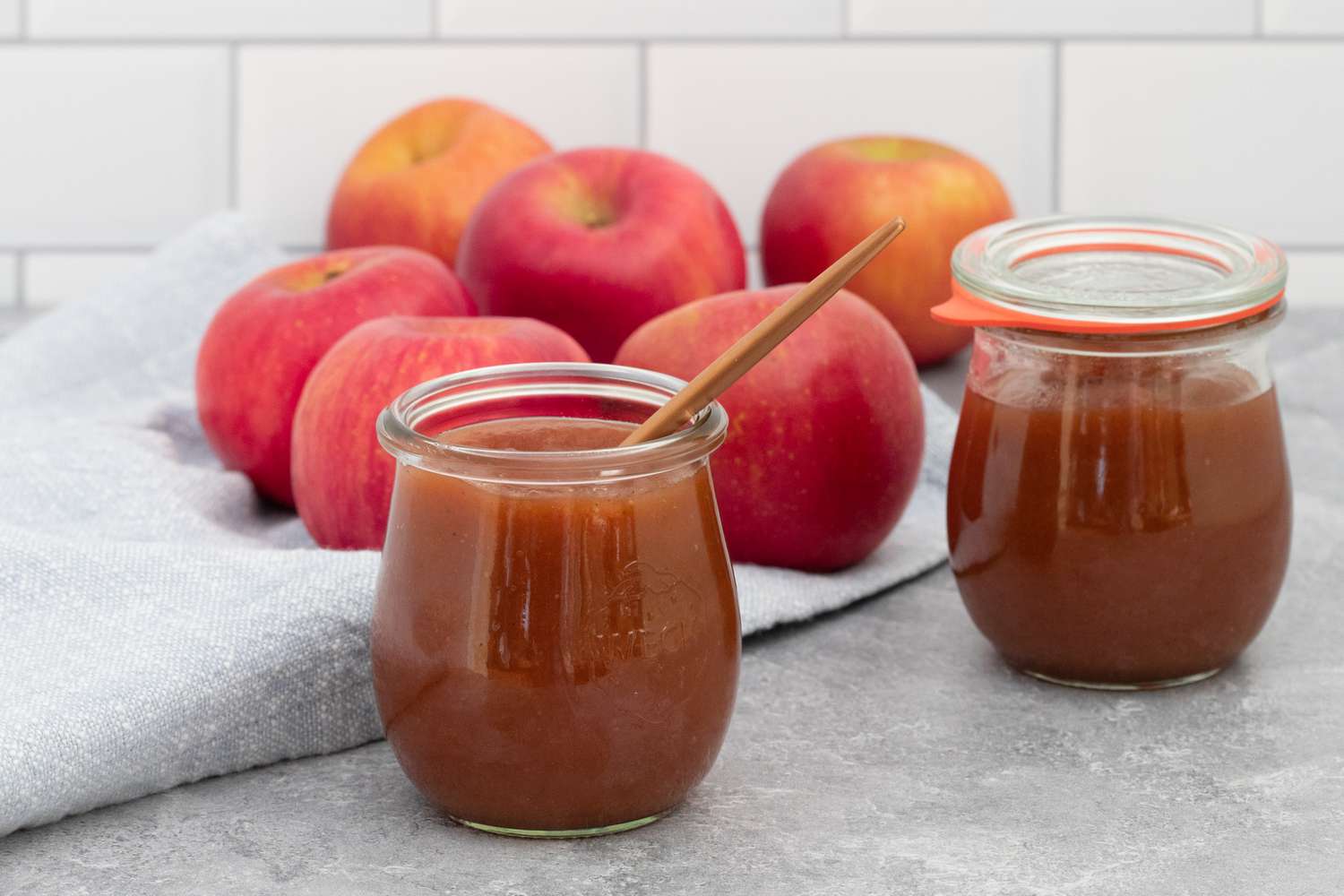
There are two kinds of fall people: the ones who light a pumpkin candle and call it a day, and the ones who buy a heroic amount of apples and turn their kitchen into a cozy spice factory. This crockpot apple butter recipe is for the second group, although the first group is absolutely welcome to join us. All you need is a pile of apples, a slow cooker, a few pantry staples, and the willingness to let your house smell like a cinnamon-scented victory.
Apple butter sounds fancy, but it is really just apples that committed to the bit. Instead of stopping at applesauce, they keep cooking until they become darker, deeper, silkier, and more concentrated. The result is a rich spread with that old-fashioned, caramelized apple flavor that makes toast feel like dessert and oatmeal feel like it finally got its life together.
This version is designed for home cooks who want a reliable, flavorful slow cooker method with a smooth finish and easy refrigerator or freezer storage. It is deeply spiced, naturally sweet from the fruit, and flexible enough for weekend meal prep, holiday gifting, or one dramatic spoonful eaten straight from the jar while standing in front of the fridge. No judgment. That is called quality control.
Why This Crockpot Apple Butter Recipe Works
A good crockpot apple butter recipe depends on three things: the right apples, a long gentle cook, and enough evaporation to turn loose fruit puree into a thick spread. Slow cooking gives the apples time to soften, release moisture, and develop that darker, almost buttery texture without demanding that you hover over the stove like a nervous Victorian aunt.
The best batches usually balance sweet apples with tart ones. Using a mix creates more depth than relying on a single type. Sweeter apples bring mellow fruitiness, while tart apples sharpen the flavor so the finished apple butter tastes lively instead of flat. The spice blend should support the apples, not tackle them to the floor. Cinnamon does most of the heavy lifting, while nutmeg, cloves, and allspice work in the background like a very talented backup band.
Texture matters too. Apple butter should be thick and spreadable, not watery and not so stiff that it behaves like edible grout. The final blend gives it that velvety finish people expect, while cooking it uncovered during the later stage helps excess liquid evaporate. That is where the magic happens. Or, more accurately, where the moisture leaves the party.
Ingredients
- 6 pounds apples, peeled, cored, and chopped
- 1 1/2 cups apple cider or unsweetened apple juice
- 1 cup packed light brown sugar
- 1/2 cup granulated sugar
- 1 tablespoon ground cinnamon
- 1/2 teaspoon ground nutmeg
- 1/4 teaspoon ground cloves
- 1/4 teaspoon ground allspice
- 1 teaspoon vanilla extract
- 1/4 teaspoon salt
- 1 to 2 tablespoons lemon juice, optional, for brightness
Best Apples for Apple Butter
If you want excellent flavor, use a mix of apples instead of a one-variety monologue. A combination such as Fuji or Gala for sweetness plus Granny Smith for tartness works beautifully. Golden Delicious, McIntosh, Jonathan, Stayman, and Rome-style apples are also excellent options. What you are really looking for is good flavor and a soft finish after cooking. Crisp, juicy apples with balanced sweetness tend to cook down into the most flavorful butter.
Examples of winning combinations include:
- Fuji + Granny Smith for sweet-tart balance
- Golden Delicious + Gala for mellow sweetness
- McIntosh + Honeycrisp for a softer, fragrant batch
- Jonathan + Golden Delicious for classic apple butter flavor
If all you have is one variety, make the recipe anyway. Homemade apple butter is still homemade apple butter, and that is a very beautiful thing.
Step-by-Step Crockpot Apple Butter Recipe
1. Prep the apples
Peel, core, and chop the apples into roughly even chunks. They do not need to be perfect little cubes. This is apple butter, not a geometry contest. Even sizing simply helps the apples cook at about the same rate.
2. Load the slow cooker
Add the chopped apples to a large slow cooker, then pour in the apple cider. Sprinkle over the brown sugar, granulated sugar, cinnamon, nutmeg, cloves, allspice, and salt. Toss everything together so the apples are coated. At this point, the crockpot should already smell promising, which is emotionally important.
3. Cook low and slow
Cover and cook on low for 8 to 10 hours or on high for 4 to 6 hours, stirring once or twice if convenient. The apples should become extremely soft and collapse easily when pressed with a spoon. If your slow cooker runs hot, check a bit earlier. If it runs cool, let it go longer. Crockpots, much like house cats, all have their own personalities.
4. Blend until smooth
Use an immersion blender right in the slow cooker, or carefully transfer the mixture in batches to a blender. Blend until smooth. If using a countertop blender, vent the lid and work cautiously because hot fruit has a sneaky talent for becoming kitchen shrapnel.
5. Thicken the apple butter
Once blended, cook the mixture uncovered for another 1 to 3 hours on low, stirring occasionally, until it darkens and thickens. If you want faster evaporation, prop the lid slightly ajar with a wooden spoon. The apple butter is ready when a spoon dragged across the bottom leaves a trail for a moment, and a dollop on a chilled plate holds its shape with little or no watery separation.
6. Finish the flavor
Stir in the vanilla and a little lemon juice if you want a brighter finish. Taste and adjust. Need more warmth? Add a pinch more cinnamon. Want deeper spice? Add a whisper of cloves, not a shout. Cloves are wonderful, but they can turn bossy fast.
7. Cool and store
Let the apple butter cool, then transfer it to clean jars or airtight containers. Refrigerate until chilled. The texture will continue to set as it cools, which is great news if you were worried it looked a little loose at first.
How to Tell When Apple Butter Is Done
This is the part many recipes rush, but it matters. Done apple butter should be glossy, thick, and mound slightly on a spoon. It should not look like apple soup wearing a spice disguise. A chilled plate test works well: spoon a little onto a cold plate and wait a minute. If liquid does not seep around the edges and the dollop holds its shape, you are there.
Color is another clue. As the sugars and fruit solids concentrate, the mixture deepens from pale applesauce beige to a darker amber or brown. The exact shade depends on your apples and sugar, but the flavor should taste concentrated and rich rather than merely sweet.
Storage Tips
For everyday home use, refrigerator or freezer storage is the easiest route. Spoon the cooled apple butter into jars or containers and refrigerate. It is also freezer-friendly, which is handy when you make a large batch and suddenly realize your toast consumption is not ambitious enough.
If you want shelf-stable apple butter, use a tested canning formula and processing method rather than improvising. Fruit butters are not the place for freestyle science. Changes to acidity, sugar, and water content can affect safety. In other words, feel free to get creative with how you eat apple butter, but be conservative with how you preserve it.
Ways to Use Apple Butter
One of the best things about this crockpot apple butter recipe is that the finished spread is absurdly versatile. Yes, it is fantastic on toast, English muffins, biscuits, waffles, and pancakes. That part is obvious. But it also works in plenty of savory and baking applications.
- Spread it on a turkey or ham sandwich
- Stir it into oatmeal or yogurt
- Swirl it into cheesecake batter
- Use it as a filling for thumbprint cookies
- Brush it onto pork tenderloin or roasted chicken
- Layer it on a cheese board with sharp cheddar or brie
- Mix it into barbecue sauce for a sweet-spiced twist
- Fold a spoonful into muffin or quick bread batter
A specific example: spread apple butter on toasted sourdough, top it with ricotta and chopped pecans, and add a tiny pinch of flaky salt. Suddenly breakfast looks like it has a publicist.
Common Mistakes to Avoid
Using only super-sweet apples
If all your apples are very sweet, the finished flavor can taste flat. A tart variety adds contrast and keeps the recipe from becoming one-note.
Not cooking it long enough after blending
Blending makes the mixture smooth, but it does not magically make it thick. The uncovered cook at the end is what transforms smooth apple puree into real apple butter.
Overdoing the cloves
A little goes a very long way. Too much clove can dominate the whole batch and make it taste more like potpourri than breakfast.
Ignoring slow cooker differences
Some cookers run hotter than others. If the edges darken too quickly, stir more often and reduce the heat. If the mixture stays thin for ages, crack the lid open a bit and give it more time.
Flavor Variations
Once you have the base method down, you can tweak the flavor profile without changing the soul of the recipe.
- Maple Apple Butter: Replace part of the sugar with maple syrup for a warmer, woodsy sweetness.
- Bourbon Apple Butter: Stir in a splash of bourbon near the end for deeper flavor.
- Vanilla Bean Apple Butter: Use vanilla bean paste instead of extract for bakery-style aroma.
- Pear-Apple Butter: Swap in a portion of ripe pears for a softer floral note.
- Less-Sweet Apple Butter: Cut back slightly on sugar for a fruit-forward batch, then store it chilled rather than treating it as a shelf-stable product.
Why Homemade Beats Store-Bought
Store-bought apple butter can be lovely, but homemade gives you control over sweetness, spice level, texture, and depth of flavor. You get to decide whether it leans rustic or ultra-smooth, cozy and clove-forward or bright and cinnamon-led. You also get the simple pleasure of making something old-fashioned and useful out of ordinary ingredients.
There is also the atmosphere factor. A crockpot full of apples, sugar, and spice quietly doing its thing for hours makes the whole house feel warmer and more generous. It is hard to be in a bad mood when your kitchen smells like fall opened a bakery.
My Experience With a Crockpot Apple Butter Recipe
The first time I made apple butter in a slow cooker, I treated it like a suspiciously easy internet promise. You know the type: “Just throw everything in and hours later your life improves.” I fully expected something edible but underwhelming. What I got instead was a batch so fragrant and silky that I immediately understood why people get weirdly emotional about apple season.
At first, the slow cooker looked almost too full, and the chopped apples seemed wildly optimistic about fitting into one appliance. But apples are dramatic that way. They start out taking up space and then collapse into submission after a few hours of heat. By the middle of cooking, the fruit had softened into a cinnamon-scented heap, and the kitchen smelled like a small-town fall festival in the best possible way.
The biggest lesson I learned was patience during the final uncovered stage. Early on, I kept checking the consistency every 20 minutes like I was waiting for exam results. It was smooth, yes, but still too loose. Then, somewhere in that last stretch, it transformed. The color deepened. The spoon trails stayed visible longer. The texture turned lush and spreadable. That is the moment apple puree officially graduates into apple butter.
I also learned that blending matters more than people think. A rough mash gives you something closer to thick applesauce, which is still delicious, but a full blend creates that velvety texture that feels worthy of a proper jar label. Once I switched to an immersion blender, the batch looked instantly more polished. Less farmhouse chaos, more “I could absolutely give this as a holiday gift without apology.”
Over time, I started playing with apple combinations and found that mixed varieties consistently gave me better results. Sweet apples made the batch round and mellow, while tart apples kept the flavor bright. That balance is what makes a spoonful interesting instead of sugary. I also became a firm believer in restraint with cloves. Too little and you hardly notice them. Too much and suddenly your apple butter tastes like it is trying to sell you scented pinecones.
The most useful real-life trick has been making a double batch and freezing some in small jars. It turns future breakfasts into an excellent surprise. On busy mornings, I spread it on toast with peanut butter. Around the holidays, I pair it with sharp cheddar and crackers. In colder months, I swirl it into oatmeal and feel like I have made an admirable life choice before 8 a.m.
What surprised me most, though, was how often this recipe turned into a conversation starter. People smell it and immediately ask what is cooking. Then they want a taste. Then they want the recipe. Then they start talking about their grandmother, their favorite orchard, or the one time they tried to make jam and accidentally created fruit cement. Apple butter has that effect. It is homey, nostalgic, and just a little bit magical.
So yes, this crockpot apple butter recipe is easy. But it also feels meaningful in a way that a lot of easy recipes do not. It slows the day down. It fills the kitchen with comfort. And it gives you a jar of something rich, useful, and homemade that tastes like effort, even though your slow cooker did most of the work like the quiet hero it is.
Conclusion
If you want a cozy, dependable fall recipe that delivers big flavor with very little fuss, this crockpot apple butter recipe deserves a spot in your rotation. It is simple enough for beginners, flexible enough for experienced home cooks, and delicious enough to make toast feel suspiciously luxurious. Use a good mix of apples, cook it patiently, let it thicken properly, and you will end up with a deeply flavored spread that earns its place on everything from biscuits to cheese boards.
In other words, when life gives you apples, let the slow cooker handle the drama.