Pregnancy can feel like living inside a group chat where your body, hormones, calendar, and future baby are all typing at once. One minute you are admiring tiny socks; the next, you are Googling whether hiccups, heartburn, or crying over cereal means something dramatic. Occasional worry is normal during pregnancy. Prenatal anxiety, however, is more than ordinary “new parent nerves.” It can become persistent, intense, and exhausting enough to interfere with sleep, appetite, relationships, work, and daily peace.
The good news: prenatal anxiety is common, treatable, and not a personal failure. It does not mean you are ungrateful, weak, or “bad at pregnancy.” It means your brain and body may need more support during a major life transition. That support might include therapy, lifestyle changes, social help, better sleep strategies, medication, or a combination of approaches. The best treatment plan is individualized, because pregnancy care is not a one-size-fits-all maternity sweater.
This guide explains symptoms of anxiety during pregnancy, when to seek help, medication options that clinicians commonly consider, coping strategies that are safe for most pregnant people, and real-life experiences that may help readers feel less alone.
What Is Prenatal Anxiety?
Prenatal anxiety refers to significant anxiety symptoms that occur during pregnancy. It may appear for the first time while pregnant, or it may be a continuation of anxiety that existed before conception. Some people experience generalized anxiety, which looks like constant “what if” thinking. Others have panic attacks, obsessive thoughts, health anxiety, birth-related fear, or anxiety connected to previous pregnancy loss, fertility treatment, trauma, or medical complications.
Anxiety and depression can overlap during pregnancy. A person may feel worried, sad, irritable, restless, disconnected, or overwhelmed all at once. Because pregnancy already changes sleep, appetite, energy, and mood, it can be tricky to know what is “normal” and what needs care. A helpful rule: if anxiety feels hard to control, lasts most days, causes distress, or stops you from functioning, it deserves attention.
Common Symptoms of Anxiety During Pregnancy
Prenatal anxiety can show up in the mind, body, and behavior. Some symptoms are obvious; others hide behind “I’m just being careful.” Common signs include:
- Constant worry about the baby’s health, birth, parenting, money, work, or relationships
- Racing thoughts that are difficult to pause
- Feeling restless, keyed up, tense, or unable to relax
- Panic symptoms such as a racing heart, shortness of breath, sweating, trembling, or dizziness
- Trouble sleeping because the brain starts a midnight podcast called “Everything That Could Go Wrong”
- Repeating checks, reassurance-seeking, or compulsive research
- Avoiding appointments, birth classes, social events, driving, or certain conversations
- Irritability, crying spells, or feeling emotionally “on edge”
- Muscle tension, headaches, stomach upset, or changes in appetite
- Difficulty concentrating or making decisions
Not everyone has the same symptoms. One person may look calm on the outside but feel mentally trapped in worst-case scenarios. Another may have visible panic attacks. Both deserve support.
Why Prenatal Anxiety Happens
Pregnancy is a perfect storm of change. Hormonal shifts, sleep disruption, body changes, medical appointments, family expectations, financial pressure, and the huge responsibility of becoming a parent can all add fuel to anxiety. A person may also be more vulnerable if they have a personal or family history of anxiety, depression, panic disorder, obsessive-compulsive disorder, trauma, eating disorders, substance use issues, pregnancy loss, infertility, or a high-risk pregnancy.
Social factors matter too. Lack of partner support, unstable housing, job stress, discrimination, limited access to care, and pressure to look “glowing” while feeling like a sleep-deprived raccoon can make symptoms worse. Prenatal anxiety is not simply a mindset problem. It is biological, psychological, social, and highly treatable.
When Should You Talk to a Healthcare Provider?
Talk with an OB-GYN, midwife, family doctor, therapist, or psychiatrist if anxiety lasts more than two weeks, feels unmanageable, or disrupts daily life. You do not have to wait until things are severe. Early help can prevent symptoms from growing and can make pregnancy feel more stable.
Seek urgent medical help right away if you feel unsafe, feel you might harm yourself or someone else, are unable to sleep for long periods, feel detached from reality, or cannot care for yourself. These symptoms are medical concerns, not moral failures. Fast support matters.
How Prenatal Anxiety Is Diagnosed
Clinicians may ask about mood, worry, sleep, appetite, panic symptoms, intrusive thoughts, medical history, medications, support systems, and safety. Screening tools may be used during pregnancy and postpartum visits. The goal is not to label someone for the sake of labeling; the goal is to choose the right care plan.
Be honest about symptoms, even if they feel embarrassing. Doctors and therapists hear these concerns often. If your brain has been presenting a courtroom drama every night at 2 a.m., say so. Specific examples help providers understand severity and recommend treatment.
Are Anxiety Medications Safe During Pregnancy?
The most accurate answer is: some medications are commonly used during pregnancy when benefits outweigh risks, but medication decisions must be personalized. “Safe” does not mean “zero risk.” It means the available evidence, the person’s symptoms, pregnancy history, and treatment needs are weighed carefully.
Untreated anxiety can also carry risks. Severe anxiety may affect sleep, nutrition, prenatal care attendance, blood pressure, relationships, and postpartum adjustment. For some people, medication is not just acceptable; it is an important part of staying well.
SSRIs: Common First-Line Medication Options
Selective serotonin reuptake inhibitors, or SSRIs, are often considered first-line medications for anxiety and depression during pregnancy. Common examples include sertraline, citalopram, escitalopram, and fluoxetine. Sertraline is frequently discussed because it has a large amount of pregnancy and breastfeeding safety data.
SSRIs do not work instantly. Many people notice gradual improvement after several weeks. Side effects may include nausea, headache, sleep changes, sexual side effects, or temporary jitteriness. During pregnancy, clinicians usually aim for the lowest effective dose, but “lowest” should not mean “too low to work.” A dose that leaves someone drowning in anxiety is not a victory.
Some newborns exposed to SSRIs late in pregnancy may have temporary symptoms after birth, such as irritability, feeding difficulty, or breathing adjustment. These are typically monitored by the medical team. The possibility should be discussed in advance, not discovered through panic at 3 a.m. with a search bar and no context.
SNRIs and Other Antidepressants
Serotonin-norepinephrine reuptake inhibitors, or SNRIs, may be considered when SSRIs are not effective or when someone has previously responded well to an SNRI. Examples include venlafaxine and duloxetine. Some tricyclic antidepressants may also be used in certain cases. The best option often depends on what has worked before, current symptoms, side effects, other medical conditions, and breastfeeding plans.
Benzodiazepines: Sometimes Used, Usually With Caution
Benzodiazepines such as lorazepam, clonazepam, alprazolam, and diazepam may reduce acute anxiety or panic quickly, but they are generally not the first long-term choice during pregnancy. They may be considered for short-term or specific situations when symptoms are severe and other options are not enough. The decision requires careful discussion about timing, dose, dependence risk, sedation, and newborn monitoring.
No one should start, stop, or change benzodiazepines during pregnancy without medical guidance. Suddenly stopping some medications can cause withdrawal symptoms and may worsen anxiety.
Buspirone, Hydroxyzine, and Other Options
Buspirone is sometimes used for generalized anxiety, though pregnancy data are more limited than for some SSRIs. Hydroxyzine may be used in some circumstances for anxiety or sleep, but it is not right for everyone and may cause sedation. Beta-blockers are sometimes used for performance-type physical anxiety symptoms, but pregnancy use depends on the situation and must be clinician-guided.
The big takeaway: the safest medication is not the one praised in a random comment section. It is the one chosen by a qualified healthcare professional who understands your symptoms, pregnancy, medical history, and goals.
What If You Were Already Taking Anxiety Medication?
If you become pregnant while taking medication, do not stop suddenly out of fear. Call your prescribing clinician or prenatal provider. In many cases, continuing a medication that is working may be safer than stopping and relapsing. Your provider may recommend continuing, adjusting the dose, switching medications, adding therapy, or increasing monitoring.
Bring a complete list of medications, supplements, doses, and how long you have taken them. Include “natural” products too. Natural does not automatically mean pregnancy-safe; poison ivy is natural and nobody invites it to brunch.
Therapy for Prenatal Anxiety
Therapy is one of the most effective non-medication treatments for anxiety during pregnancy. Cognitive behavioral therapy, often called CBT, helps identify anxious thought patterns and replace them with more balanced responses. It also teaches practical skills such as exposure, problem-solving, relaxation, and reducing reassurance loops.
Interpersonal therapy may help when anxiety is tied to relationship stress, role changes, grief, or family conflict. Trauma-informed therapy can be valuable for people with past trauma, difficult birth experiences, pregnancy loss, or medical anxiety. Support groups, especially groups focused on perinatal mood and anxiety disorders, can reduce isolation and shame.
Coping Strategies That Can Help
Coping strategies are not a replacement for medical care when anxiety is moderate or severe, but they can lower the volume of symptoms and support recovery.
1. Use the “Name It, Tame It” Method
When anxiety spikes, label it: “This is anxiety, not a prediction.” That simple sentence can create space between you and the thought. Anxiety often sounds like a breaking-news alert, but many of its headlines are dramatic guesses.
2. Limit Symptom Googling
Pregnancy searches can quickly become a haunted house with medical terminology. Choose one or two reliable sources and set time limits. If a concern is urgent, call your provider. If it is not urgent, write it down for your next visit.
3. Practice Slow Breathing
Try inhaling for four counts and exhaling for six counts for several minutes. Longer exhales can help calm the nervous system. You do not need candles, chanting, or a mountaintop. A bathroom break counts.
4. Move Gently
If your provider says exercise is safe for you, walking, prenatal yoga, swimming, or stretching may help reduce tension and improve sleep. Movement should feel supportive, not punishing. Pregnancy is not the season for turning every stroll into an Olympic qualifier.
5. Build a Sleep Protection Plan
Anxiety loves poor sleep. Create a bedtime routine, reduce late-night screens, keep snacks nearby if nausea wakes you, and use pillows for comfort. If insomnia continues, tell your provider. Sleep problems during pregnancy are common, but they should not be ignored.
6. Make a Worry Window
Set aside 15 minutes earlier in the day to write worries and possible next steps. When worries appear later, remind yourself: “I have a scheduled time for that.” This trains the brain not to treat every anxious thought as an emergency meeting.
7. Ask for Practical Help
Support does not have to be poetic. Sometimes love looks like someone folding laundry, driving you to an appointment, cooking dinner, or not telling you a terrifying birth story at brunch. Be specific about what you need.
Partner and Family Support
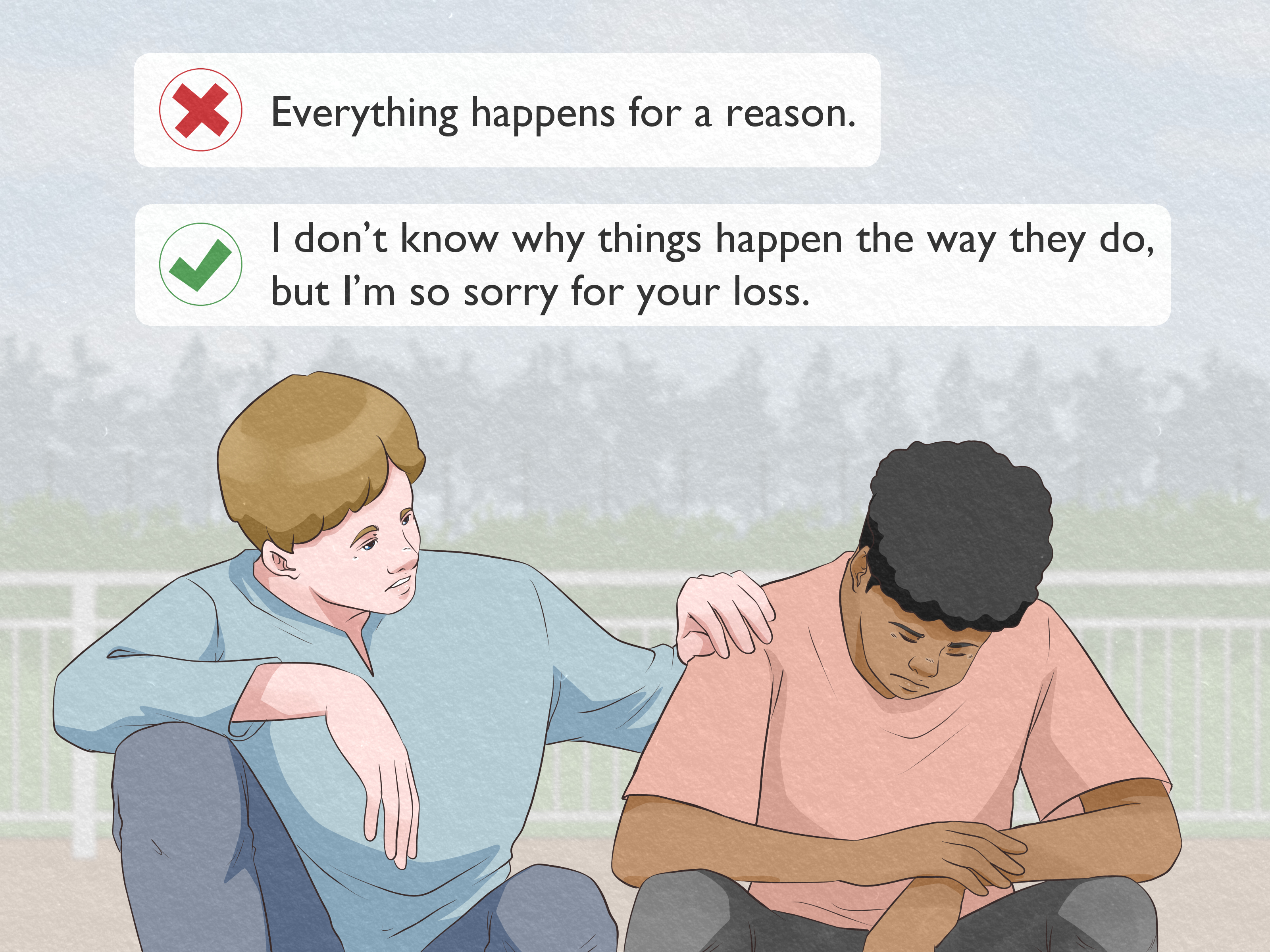
Partners and family members can help by listening without dismissing, attending appointments when invited, learning about prenatal anxiety, and reducing unnecessary stress. Avoid saying, “Just relax.” If relaxation were that easy, the person would have downloaded it already.
Better phrases include: “I’m here with you,” “What would help right now?” “Do you want comfort or problem-solving?” and “Let’s call your provider together.” Small, steady support is often more helpful than one grand gesture.
Nutrition, Caffeine, and Daily Habits
Regular meals can help stabilize mood and energy. Protein, fiber-rich carbohydrates, healthy fats, and hydration support the body during pregnancy. Skipping meals may worsen nausea, shakiness, and anxious sensations. Caffeine can also intensify anxiety in some people, so discuss safe limits with your provider and notice how your body responds.
Avoid alcohol, smoking, and non-prescribed substances during pregnancy. If stopping is difficult, ask for medical help. Providers can connect you with nonjudgmental support.
Creating a Prenatal Anxiety Care Plan
A strong care plan may include several layers:
- A prenatal provider who screens and monitors symptoms
- A therapist experienced in pregnancy and postpartum mental health
- Medication when appropriate
- A sleep and movement routine
- A support person who knows warning signs
- A postpartum plan before delivery
The postpartum plan matters because anxiety does not always pack its bags when the baby arrives. Planning ahead for meals, sleep shifts, visitors, feeding support, therapy appointments, and medication follow-up can protect mental health during the newborn stage.
Experiences Related to Prenatal Anxiety: What It Can Feel Like in Real Life
Many people with prenatal anxiety describe feeling surprised by it. They expected excitement, nesting, baby-name debates, and maybe some cravings that made no culinary sense. Instead, they found themselves worrying constantly. One common experience is the “appointment countdown.” A person feels calm for a few hours after hearing the baby’s heartbeat, then anxiety slowly creeps back in. By the next appointment, they are convinced something is wrong, even without evidence. This cycle can feel exhausting and confusing.
Another common experience is fear of medication. Some pregnant people feel trapped between two worries: “What if the medication affects the baby?” and “What if untreated anxiety affects me and the baby?” That emotional tug-of-war can be brutal. Many feel guilty before they have even made a decision. A more compassionate approach is to treat the decision like any other prenatal health choice. People use medication for blood pressure, diabetes, infections, thyroid disease, and other conditions during pregnancy when needed. Mental health deserves the same thoughtful care.
Some people also experience anxiety through body scanning. Every cramp, flutter, headache, or quiet moment becomes a mystery to solve. They may check symptoms repeatedly, read forums, or compare themselves to other pregnant people. Unfortunately, forums can be a buffet of worst-case stories. One person’s rare complication becomes another person’s midnight panic. A helpful strategy is to make a “provider list” and a “worry list.” Provider-list symptoms are concerns that require a call. Worry-list thoughts are fears to discuss at therapy or the next visit, not emergencies to research for three hours.
For others, prenatal anxiety is social. They may dread comments about their body, birth plan, feeding choices, or parenting decisions. A pregnant belly can make strangers act like public relations consultants for your uterus. Setting boundaries becomes essential. A simple script can help: “Thanks, but I’m not discussing birth stories right now,” or “My provider and I have a plan.” Boundaries are not rude; they are mental sunscreen.
There is also the anxiety of identity change. Becoming a parent can bring joy and grief at the same time. A person may wonder, “Will I still be myself?” “Will my relationship change?” “Can I handle this?” These questions do not mean they will be a bad parent. They mean they understand that life is changing. Therapy, journaling, honest conversations, and support groups can make this transition less lonely.
Many people improve when they stop trying to “win” against anxiety and start building a support system around it. One person might combine weekly CBT, daily walks, reduced Googling, and an SSRI. Another might use therapy, partner support, sleep changes, and a prenatal anxiety group. Someone else may need a psychiatrist, medication adjustment, and closer monitoring. Recovery rarely looks like a lightning bolt. It often looks like gradually having more normal mornings, fewer spirals, better sleep, and the ability to enjoy small moments again.
The most encouraging experience shared by many parents is this: getting help during pregnancy often makes postpartum life easier. Treatment builds skills before the baby arrives. It teaches families what warning signs look like. It reduces shame. It creates a care team. And it reminds the pregnant person that they are not supposed to carry everything alone, emotionally or literally. That is what tote bags and support systems are for.
Conclusion
Prenatal anxiety is common, real, and treatable. It can look like constant worry, panic, intrusive thoughts, insomnia, irritability, or fear that refuses to turn down the volume. Safe and effective help may include therapy, coping tools, support groups, lifestyle changes, and medication when appropriate. SSRIs are commonly considered first-line medication options during pregnancy, while other medications may be used depending on personal history and symptom severity. The most important step is talking with a qualified healthcare provider before starting, stopping, or changing treatment.
Pregnancy does not require perfect calm. It requires support, information, and care that treats mental health as part of prenatal health. If anxiety is making pregnancy feel smaller, scarier, or harder than it needs to be, help is availableand asking for it is a strong parenting move before the baby even arrives.