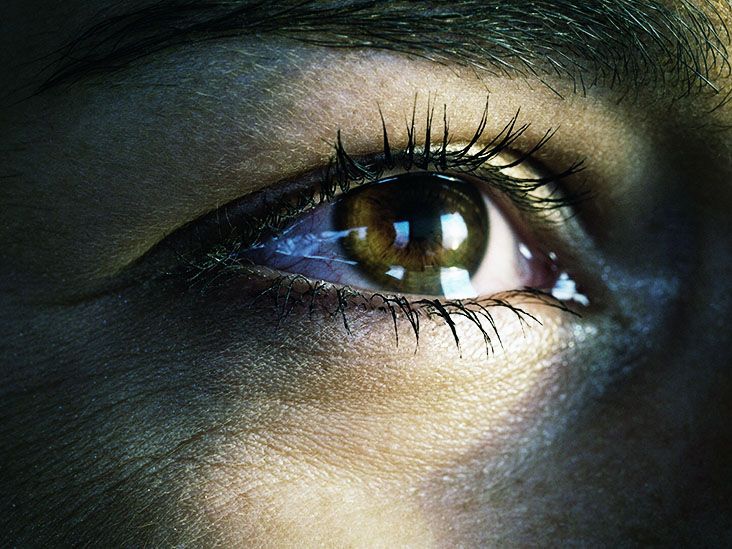
You wake up, shuffle to the mirror, and there it is: one eye looking like it stayed out late, lost an argument, and forgot to tell the other eye. Is it allergies? A bad night of sleep? A rogue eyelash? Or is it pink eye?
Pink eye, medically known as conjunctivitis, is inflammation of the conjunctiva, the thin, clear tissue that lines the inside of the eyelid and covers the white part of the eye. When that tissue becomes irritated or infected, the tiny blood vessels become more visible, making the eye look pink or red. The first symptoms of pink eye often appear suddenly and can include redness, watery eyes, itching, burning, a gritty feeling, eyelid swelling, and discharge that may crust overnight.
The tricky part is that pink eye is not just one condition. It can be viral, bacterial, allergic, or caused by irritants such as smoke, chlorine, dust, or contact lens products. That is why the first symptoms matter. They offer clues about what is causing the problem, how contagious it might be, and whether you should call a doctor or eye care professional.
What Is Pink Eye?
Pink eye is a common eye condition that affects adults, children, and even newborns. It can be uncomfortable, annoying, and socially awkward, especially when everyone around you suddenly becomes an amateur eye detective. But in many cases, pink eye is mild and improves with simple care.
The condition develops when the conjunctiva becomes inflamed. That inflammation may happen because of a virus, bacteria, allergens, or an irritating substance. Viral and bacterial pink eye can spread easily from person to person, while allergic and irritant-related pink eye are not contagious.
What Are the First Symptoms of Pink Eye?
The first symptoms of pink eye usually begin as mild eye discomfort. Many people notice that one eye feels “off” before it looks dramatically red. You may feel like there is sand, dust, or an invisible crumb in your eye even though nothing is there. Soon after, redness, tearing, itching, or discharge may appear.
1. Redness or Pinkness in One or Both Eyes
The most recognizable early sign is redness in the white part of the eye or inside the eyelid. It may start in one eye and later affect the other, especially with viral conjunctivitis. The redness can look mild at first, like you are tired, then become more obvious over several hours.
2. A Gritty or Scratchy Feeling
Many people describe early pink eye as feeling like sand is trapped under the eyelid. This gritty sensation can make you blink more often, rub your eye, or feel tempted to rinse it repeatedly. Try not to rub. Rubbing may worsen irritation and, if the cause is infectious, may help spread germs.
3. Watery Eyes
Excess tearing is common, especially with viral or allergic pink eye. Your eye may water so much that you keep reaching for tissues. Watery drainage is often clear and thin. If you also have a runny nose, sore throat, cough, or cold symptoms, viral pink eye becomes more likely.
4. Itching or Burning
Itching is especially common with allergic conjunctivitis. In fact, if both eyes are intensely itchy and you are also sneezing or dealing with seasonal allergies, pollen, pet dander, or dust mites may be the real villains. Burning can occur with allergies, irritants, viral infections, or dryness.
5. Discharge or Crusting
Eye discharge is one of the most useful clues. Viral pink eye often causes watery discharge. Allergic conjunctivitis may cause watery or stringy mucus. Bacterial pink eye is more likely to cause thick yellow, white, or green discharge that can dry overnight and make the eyelids stick together in the morning. Nothing says “good morning” like needing to gently unglue your eyelashes.
6. Swollen Eyelids
Mild eyelid swelling can appear early. The eyelids may look puffy, tender, or heavier than usual. Swelling may be more noticeable after sleep because fluid collects around the eyes overnight.
7. Mild Sensitivity to Light
Some people with pink eye notice mild sensitivity to bright light. However, strong light sensitivity, eye pain, or vision changes should not be brushed off as ordinary pink eye. Those symptoms may signal a more serious eye problem that needs prompt medical attention.
Pink Eye Symptoms by Type
Because pink eye can have several causes, the symptom pattern matters. Think of it like eye detective work, minus the trench coat.
Viral Pink Eye
Viral conjunctivitis is one of the most common types. It often starts in one eye and may spread to the other within a few days. Early symptoms usually include redness, watery discharge, a gritty feeling, and irritation. It may come with cold-like symptoms such as a sore throat, cough, or runny nose.
Viral pink eye is contagious. It spreads through close contact, contaminated hands, shared towels, pillowcases, makeup, or surfaces touched after rubbing the eyes. Antibiotics do not work on viruses, so treatment usually focuses on comfort while the infection runs its course.
Bacterial Pink Eye
Bacterial conjunctivitis often causes redness, irritation, and thicker discharge. The discharge may look yellow, green, or white and can cause crusting on the eyelashes. In children, bacterial pink eye is relatively common and may appear with an ear infection.
Bacterial pink eye can also spread easily. Some cases improve without antibiotics, but antibiotic eye drops or ointment may be recommended depending on severity, age, school or daycare policies, and the patient’s overall health.
Allergic Pink Eye
Allergic conjunctivitis is not contagious. It often affects both eyes at the same time and causes intense itching, watery eyes, swelling, and redness. It may appear during pollen season or after exposure to pets, mold, dust, cosmetics, or other allergens.
A major clue is itchiness. If your eyes itch like they are trying to send Morse code, allergies may be involved. Allergy symptoms such as sneezing, nasal congestion, or an itchy throat may also show up.
Irritant-Related Pink Eye
Irritant conjunctivitis can happen after exposure to smoke, chlorine, air pollution, strong fumes, dust, or a foreign substance. Symptoms may include burning, tearing, redness, and discomfort. It often improves after the irritant is removed and the eye is gently rinsed with clean water or saline.
How Fast Do Pink Eye Symptoms Start?
Pink eye symptoms can appear quickly, sometimes within hours after irritation or exposure. Infectious pink eye may develop over one to several days. Viral pink eye may begin subtly with watering and irritation before obvious redness appears. Bacterial pink eye may become noticeable when discharge and morning crusting develop.
Allergic pink eye can appear soon after allergen exposure. For example, someone allergic to cats may notice itching and watery eyes shortly after visiting a friend with a very proud, very fluffy feline roommate.
Is Pink Eye Contagious at the First Symptom?
Viral and bacterial pink eye can be contagious even when symptoms are just beginning. That means the first watery, red, irritated eye is a good time to become extremely boring in the hygiene department. Wash your hands often, avoid touching your eyes, do not share towels, and skip eye makeup until symptoms are gone.
Allergic pink eye is not contagious. You cannot “catch” someone’s pollen reaction. Still, because early symptoms overlap, it is wise to practice good hygiene until you know what is causing the redness.
What Should You Do When Pink Eye Symptoms First Appear?
Wash Your Hands Often
Handwashing is one of the best ways to prevent spreading infectious pink eye. Use soap and water, scrub well, and dry your hands with a clean towel. If soap and water are not available, use hand sanitizer.
Avoid Touching or Rubbing Your Eyes
Rubbing may feel satisfying for about two seconds, then it usually makes everything worse. It can increase irritation and transfer germs from one eye to the other or to other people.
Use a Clean Compress
A cool or warm compress can ease discomfort. Use a clean washcloth dampened with water. Apply it gently to the closed eye, then wash it before using it again. Do not use the same cloth on both eyes if only one eye is affected.
Try Artificial Tears
Over-the-counter artificial tears may help relieve dryness, burning, and irritation. Choose lubricating drops rather than “redness remover” drops, which may irritate some eyes when used too often.
Stop Wearing Contact Lenses
If you wear contact lenses, stop using them as soon as symptoms appear. Contact lens wearers have a higher risk of certain eye complications, and redness with pain, light sensitivity, or blurred vision should be checked promptly. Ask your eye care professional when it is safe to wear lenses again and whether you should replace lenses, cases, or solution.
When Should You See a Doctor?
Many mild cases of pink eye improve with home care, but some symptoms need medical attention. Contact a healthcare provider or eye doctor if you have eye pain, moderate to severe light sensitivity, blurred vision that does not clear after wiping away discharge, intense redness, symptoms that worsen, or symptoms that do not improve.
You should also seek medical advice if you have a weakened immune system, a pre-existing eye condition, recent eye surgery, or if the person with symptoms is a newborn. Newborn pink eye can be serious and should be evaluated right away.
Pink Eye vs. Allergies: How Can You Tell?
Pink eye and allergies can look frustratingly similar. Both can cause red, watery, irritated eyes. The biggest clue is itching. Allergic conjunctivitis usually causes strong itching in both eyes and may come with sneezing, nasal congestion, or seasonal allergy symptoms.
Infectious pink eye may start in one eye, involve more discharge, and occur after close contact with someone who has red eyes or cold symptoms. Bacterial cases are more likely to cause thick discharge and eyelids stuck together in the morning.
Pink Eye vs. Dry Eye
Dry eye can also cause redness, burning, watering, and a gritty feeling. However, dry eye is usually chronic or recurring rather than sudden and contagious. It may worsen after screen time, reading, windy weather, air conditioning, or long periods without blinking. If discharge, crusting, or sudden redness appears, pink eye becomes more likely.
Can Pink Eye Affect Vision?
Pink eye may cause temporary blurry vision if tears or discharge coat the surface of the eye. Vision should usually clear after blinking or gently cleaning away discharge. Persistent blurred vision, significant pain, or strong sensitivity to light is not typical of simple pink eye and deserves prompt evaluation.
How to Prevent Pink Eye From Spreading
Prevention is not glamorous, but it works. Wash hands frequently, avoid touching your eyes, use clean towels, change pillowcases, and do not share eye drops, cosmetics, washcloths, or contact lens supplies. Throw away old eye makeup if it may be contaminated. Clean glasses and phone screens, because both spend a suspicious amount of time near your face.
Children with pink eye should follow school or daycare guidance. Some children may not need to stay home for mild symptoms, but policies vary. A child with fever, severe discomfort, thick discharge, or trouble participating in normal activities should be evaluated and kept comfortable.
Common Myths About the First Symptoms of Pink Eye
Myth: Every Red Eye Is Pink Eye
Not true. Red eyes can come from allergies, dryness, injury, contact lens problems, inflammation inside the eye, corneal scratches, or more serious conditions. Pink eye is common, but it is not the only suspect in the lineup.
Myth: Pink Eye Always Needs Antibiotics
Also false. Viral pink eye does not respond to antibiotics. Allergic pink eye needs allergy management, not antibiotic drops. Bacterial pink eye may sometimes require antibiotics, but treatment depends on the case.
Myth: If There Is No Discharge, It Is Not Pink Eye
Discharge is common, but early pink eye may begin with redness, watering, itching, or a gritty feeling before noticeable discharge appears.
Practical Experiences: What Early Pink Eye Often Feels Like in Real Life
The first experience many people describe is not dramatic redness. It is usually a strange, nagging awareness of the eye. You blink and think, “Something is in there.” You check the mirror and see nothing. Ten minutes later, you check again. Still nothing. Your eye waters. You rub it. Now it looks worse. Congratulations, your eye has entered its main-character era.
A common real-life pattern is waking up with one irritated eye. At first, it may look slightly pink near the inner corner. The eyelid may feel heavy, and the eye may produce more tears than usual. If the cause is viral, the person may also notice a scratchy throat or mild cold symptoms. By afternoon, the eye may be redder and more watery. The other eye may feel normal at first, then become irritated a day or two later.
Another familiar experience is the “stuck eyelid” morning. This is more common when discharge dries overnight. A person may wake up and find crust on the lashes or a sticky feeling along the eyelid. The safe move is not to yank the eyelids open like a garage door. Instead, soften the crust with a clean, damp cloth and gently wipe from the inner corner outward.
Parents often notice pink eye in children before children can explain it clearly. A child may rub one eye repeatedly, complain that it “feels funny,” or wake up with lashes stuck together. In daycare or school settings, pink eye can spread because children touch their faces, toys, desks, sleeves, snacks, and basically every surface known to humanity. Early handwashing and not sharing towels can make a big difference.
Contact lens wearers may experience pink eye differently because any red or painful eye with contacts deserves extra caution. If the first symptom is redness plus pain, light sensitivity, or blurry vision, it is better to stop wearing lenses and call an eye care professional. Contact lenses can increase the risk of corneal infection, and that is not something to “wait and see” while hoping your eyeball sorts out its feelings.
People with allergic pink eye often describe a different story. Both eyes itch at once, sometimes intensely. The eyes water, the lids puff up, and sneezing may join the party. Symptoms may flare after mowing the lawn, opening windows during pollen season, cleaning dusty rooms, or cuddling a pet. Unlike infectious pink eye, allergic conjunctivitis does not spread to others, although it may make you look like you just watched the final scene of a sad movie.
The most helpful habit when symptoms first appear is to observe the pattern. Ask: Did it start in one eye or both? Is the discharge watery or thick? Is itching the main problem? Are there cold symptoms? Was there exposure to smoke, chlorine, dust, makeup, or a new contact lens solution? These details can help a healthcare provider determine the most likely cause.
In daily life, the best response is calm caution. Clean the eye gently, wash hands, avoid eye makeup, pause contact lenses, use artificial tears if comfortable, and monitor symptoms. Most importantly, do not ignore warning signs such as pain, worsening redness, vision changes, strong light sensitivity, or symptoms in a newborn. Pink eye is often mild, but your eyes are not the place to practice heroic denial.
Conclusion
The first symptoms of pink eye are usually redness, watering, itching, burning, swelling, discharge, crusting, or a gritty feeling in one or both eyes. Viral pink eye often brings watery discharge and may follow a cold. Bacterial pink eye is more likely to cause thick discharge and morning crusting. Allergic pink eye usually causes intense itching in both eyes and is not contagious.
Early recognition helps you respond wisely. Wash your hands, avoid rubbing your eyes, stop wearing contacts, skip makeup, and use clean compresses or artificial tears for comfort. If symptoms are severe, unusual, persistent, or involve pain or vision changes, get medical advice. Your eyes do a lot for you every day; the least you can do is not make them share a towel with everyone in the house.