Note: This article discusses public reporting about Donald Trump’s eating habits and general nutrition context. It is not personal medical advice, nor is it a diagnosis of any individual.
Introduction: When Politics Meets the Drive-Thru
Few modern political figures have turned eating habits into part of a public brand quite like Donald Trump. Some presidents become associated with biographies, speeches, crises, or signature policies. Trump, meanwhile, has also become associated with McDonald’s, Diet Coke, well-done steak, and a style of eating that seems less like a meal plan and more like a campaign rally with fries.
The phrase Trump’s diet has become shorthand for a very specific image: fast food on the campaign trail, soda within arm’s reach, familiar brands over culinary adventure, and a personal routine that feels both oddly relatable and wildly theatrical. It is not the polished wellness routine of green juices, portion-controlled salmon, and a yoga mat waiting politely in the corner. It is more like a red-white-and-blue buffet where the Filet-O-Fish has Secret Service protection.
But the fire and fury of Trump’s diet is not just about what one famous person likes to eat. It says something bigger about American food culture, convenience, branding, trust, aging, public health, and the strange way political personalities become lifestyle symbols. Whether people see his food choices as funny, alarming, authentic, excessive, or simply very on-brand, the subject keeps returning to the national conversation like a soda refill that nobody officially ordered.
What Is Trump’s Diet Known For?
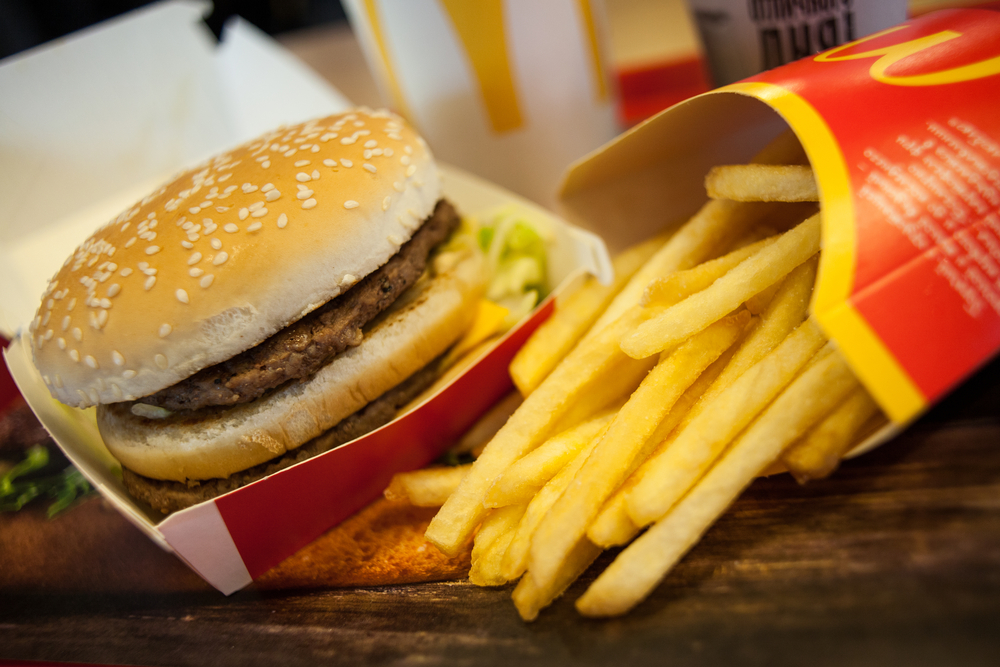
Public reporting over the years has repeatedly connected Donald Trump with fast food, Diet Coke, steak, meatloaf, ice cream, and a general preference for meals that are familiar, predictable, and low on culinary surprise. The most famous part of the story is his long-running affection for McDonald’s. Trump has publicly praised the chain, visited its restaurants during campaigns, and turned the Golden Arches into a recurring prop in his political image.
His reported fast-food favorites have included Big Macs, Filet-O-Fish sandwiches, fries, Quarter Pounders, and shakes. These details have been repeated in books, campaign stories, memoirs, and media coverage. The specifics vary depending on the day and source, but the theme is remarkably consistent: Trump likes recognizable food from recognizable places.
Then there is Diet Coke, perhaps the most iconic beverage in the Trump food universe. During his first term, he became famous for a call button on the Resolute Desk that could summon a Coke. In pure symbolism, it was almost too perfect: the presidency, a historic desk, a small button, and a chilled soft drink arriving like a cabinet-level briefing.
Trump’s diet is also associated with well-done steak, reportedly served with ketchup, a choice that has made food writers clutch their pearls so dramatically you could season a ribeye with the salt of their tears. To some people, steak cooked well-done is a crime against beef. To others, it is simply dinner. In Trump’s case, it became another memorable detail in a public persona built on strong preferences and very little interest in pretending otherwise.
Why Fast Food Fits the Trump Brand
The Donald Trump diet story works because fast food fits the Trump brand almost too neatly. Fast food is bold, branded, predictable, and instantly recognizable. It does not whisper. It announces itself in glowing signs, value meals, and packaging designed to be seen from a moving car. That is not so different from political messaging designed for rallies, cable news, and social media clips.
Trump has also explained his preference for major chains in terms of cleanliness and consistency. The idea is simple: a huge franchise has systems, standards, and too much to lose from a food-safety scandal. Whether nutrition experts would call that a complete defense of fast food is another matter, but it helps explain why chain restaurants appeal to someone who values control and predictability.
There is also a cultural strategy here. Fast food photographs well in politics because everyone understands it immediately. A candidate eating an expensive tasting menu may look distant. A candidate standing near fries looks familiar. Trump, a billionaire with gold-plated taste in décor, has often used everyday food as a bridge to everyday voters. The contrast is part of the performance: private jets and McDonald’s bags, luxury real estate and drive-thru meals, marble floors and a paper cup of soda.
The Diet Coke Factor
Diet Coke plays a starring role in the mythology of Trump’s diet. It has the right mix of habit, spectacle, and brand recognition. Unlike water, which is healthy but rarely dramatic, Diet Coke has personality. It has fizz. It has caffeine. It has the kind of loyal fan base that treats switching to another soda like changing political parties.
Because Diet Coke has no sugar, some people assume it is automatically a health-friendly choice. That is not quite the whole story. A zero-sugar soda may reduce added sugar compared with regular soda, but it does not bring the nutritional value of water, unsweetened tea, milk, or whole foods. It is still an acidic, ultra-processed beverage, and for many people the bigger issue is overall dietary pattern rather than one can, one meal, or one headline.
In Trump’s case, Diet Coke became more than a drink. It became a symbol of routine. Public leaders often live inside high-pressure schedules where familiar habits become small anchors. Some people have coffee. Some have gum. Some have protein bars. Trump has Diet Coke, and the image stuck because it is funny, specific, and easy to remember.
The Health Report Complication
Here is where the story becomes more interesting than a simple joke about burgers. Public medical reporting from 2025 described Trump as being in strong overall health for his age, with a weight of 224 pounds, blood pressure of 128/74 mmHg, and cholesterol numbers that were reported as controlled. The report also stated that he does not use tobacco or alcohol and listed medications related to cholesterol control and cardiac prevention.
That complicates the easy punchline. A person can have a diet that looks chaotic from the outside and still have favorable medical numbers in a specific report. Genetics, medication, medical care, activity, sleep, stress, and lifetime habits all matter. It is also possible for someone to have acceptable lab values while still eating in a way most dietitians would not recommend as a model for the general public.
In other words, Trump’s diet should not be treated as a magic trick. The lesson is not, “Eat fast food and everything will be fine.” The lesson is that health is multi-factorial. Medical snapshots are useful, but they do not turn a soda button into a wellness plan.
What Nutrition Experts Would Notice
If a nutrition expert looked at a diet heavy in fast food, red meat, soda, sweets, and fried items, several concerns would likely come up. These meals can be high in sodium, saturated fat, refined carbohydrates, and calories. They may also be low in fiber, vegetables, fruits, and certain micronutrients unless balanced with more nutrient-dense foods elsewhere in the day.
That does not mean every fast-food meal is a disaster wearing a sesame-seed bun. Context matters. A person can make more balanced choices at quick-service restaurants by choosing smaller portions, adding fruit or salad where available, skipping sugary beverages, or balancing the rest of the day with vegetables, beans, whole grains, lean proteins, and water. The problem is not one burger. The problem is when a pattern becomes too narrow.
The American Heart Association encourages people to choose foods lower in sodium, added sugars, and saturated fat. The FDA’s nutrition label guidance also gives useful daily benchmarks, including keeping sodium and saturated fat within recommended limits while getting enough fiber. These recommendations are not glamorous. They do not trend like a campaign-trail photo op. But they are practical, which is why they keep showing up in public health advice.
The Psychology of Familiar Food
One reason Trump’s diet fascinates people is that it taps into a universal truth: under stress, many people do not crave steamed broccoli arranged like modern art. They crave familiar food. They crave the meal they know, the flavor they expect, and the brand that does not ask emotional questions.
Campaigning and governing are both high-pressure, high-travel lifestyles. Meals happen in cars, planes, hotels, backstage rooms, and odd hours. In that environment, food becomes less about culinary exploration and more about reliability. You want something fast, safe, and predictable. For Trump, that has often meant major chains and packaged drinks.
This is where the Trump diet becomes oddly relatable. Many Americans live versions of the same pattern, though usually without a motorcade. Long workdays, school schedules, late practices, traffic, stress, and limited time can push people toward convenience. Fast food is not popular because Americans cannot identify a vegetable. It is popular because it is everywhere, cheap compared with many restaurant meals, fast, and engineered to taste good.
Why the Story Keeps Going Viral
The Trump diet story has viral staying power because it is visual, funny, polarizing, and easy to exaggerate. A plate of grilled fish does not travel far online. A president with a Diet Coke button? That has wings.
It also gives both supporters and critics something to work with. Supporters may see the food choices as unpretentious and authentically American. Critics may see them as excessive or symbolic of a larger disregard for expert advice. Food becomes political shorthand. A burger is no longer just a burger; it is a cultural statement with pickles, unless the order says no pickles.
There is also a comedic mismatch between the grandeur of the presidency and the ordinary nature of the food. The White House is a place of state dinners, formal protocol, and china patterns. McDonald’s is a place where the ice cream machine may or may not be working. Put those two worlds together, and the internet has lunch.
Trump’s Diet and American Food Culture
Trump’s diet is not an isolated oddity. It reflects bigger American food habits. The United States is a country where ultra-convenient meals are woven into daily life. Fast food, packaged snacks, diet drinks, and restaurant meals are not fringe choices. They are mainstream. That is why Trump’s eating habits get attention but do not feel alien.
At the same time, America is also obsessed with wellness. The same culture that produces giant burgers also produces green powders, calorie-tracking apps, boutique fitness studios, and endless debates about seed oils, sugar, protein, carbs, and whether butter is back from exile. Trump’s diet sits right in the middle of that contradiction: a public figure known for fast food in a country constantly arguing about how to eat better.
That tension is part of the fire and fury. People do not just discuss what Trump eats; they discuss what his meals represent. Are they authenticity? Defiance? Convenience? Branding? A health risk? A joke? The answer depends on who is looking, and possibly whether they have already eaten lunch.
What Readers Can Actually Learn From Trump’s Diet
The most useful takeaway is not to copy Trump’s diet or condemn every food he likes. A smarter approach is to look at the pattern and ask practical questions. How often are convenience meals replacing balanced meals? How much sodium is coming from restaurant food? Are vegetables making regular appearances, or are they treated like suspicious witnesses? Is water part of the routine? Is food being used as fuel, comfort, habit, performance, or all four?
For everyday readers, the realistic goal is not perfection. It is balance. If fast food is part of life, it can be balanced with more home-prepared meals, fruit, vegetables, whole grains, and protein choices that are not always fried. If diet soda is a daily habit, it can be paired with more water rather than treated as a personality test. If steak is on the menu, it can share the plate with vegetables instead of ruling the kingdom alone.
Healthy eating does not need to be joyless. Nobody wants dinner to feel like a tax audit. The best food routines are sustainable, enjoyable, and flexible enough to survive real life. The Trump diet conversation is entertaining, but the broader lesson is serious: convenience is powerful, habits are sticky, and public health advice only works when it meets people where they actually are.
Experience Section: Living With the “Trump Diet” Temptation in Real Life
Many people have experienced their own version of the Trump diet, even if they have never stepped inside Air Force One or pressed a button for soda. It usually starts with a busy day. Breakfast becomes coffee and whatever is fastest. Lunch becomes a drive-thru decision made while half-listening to a phone call. Dinner becomes takeout because cooking after a long day feels like assembling furniture during a thunderstorm.
The experience is not always about laziness. Often it is about exhaustion. People choose familiar food because it requires less thinking. That is exactly why big chains are so successful: they remove uncertainty. You know the menu, the taste, the price, and the process. There is comfort in that. When life feels chaotic, a familiar order can feel like a tiny island of control.
The trouble begins when convenience becomes the default setting. At first, one fast-food meal is just one meal. Then it becomes a weeknight routine. Then the body starts asking why the vegetable department has been closed for renovations. Energy may dip. Thirst may increase. Sleep may feel less restful. Digestion may complain in a tone usually reserved for customer service escalations. None of this means a person has failed. It means the body likes variety, fiber, hydration, and nutrients, not just speed.
A practical experience many people discover is that change works better when it is boringly simple. You do not need to leap from burgers to a monastic kale retreat. You can start by adding water before soda, ordering smaller portions, including fruit at breakfast, keeping easy proteins at home, or preparing one basic meal that can survive in the fridge without becoming a science project. The goal is to reduce friction, not become a different person by Tuesday.
Another real-life lesson is that food identity is powerful. Some people dislike being told what to eat because it feels like being told who to be. That is why shaming rarely works. If someone enjoys fast food, mocking them will not magically produce a salad. A better strategy is to keep the enjoyable parts while improving the pattern. Keep the burger sometimes. Add a side that is not fried sometimes. Drink the Diet Coke sometimes, but let water have a speaking role. Let steak appear, but invite vegetables to the table like they were important donors.
The Trump diet conversation is funny because it is exaggerated, public, and wrapped in political theater. But the everyday version is familiar because millions of people are trying to eat well in a world designed to make fast choices easier than healthy ones. The real experience is not about being perfect. It is about noticing patterns, making small upgrades, and refusing to turn food into a moral courtroom. A meal can be enjoyable and still leave room for improvement. That may be the most useful lesson hiding under all those fries.
Conclusion: The Meal, the Myth, and the Message
The fire and fury of Trump’s diet is part food story, part personality study, and part mirror held up to American culture. It features McDonald’s, Diet Coke, well-done steak, and enough symbolism to keep commentators busy for years. It is easy to laugh at, easy to argue about, and surprisingly useful as a case study in convenience, branding, habit, and health.
Trump’s eating habits should not be treated as a public nutrition model, but they also should not be reduced to a cartoon. They reveal how powerful familiar foods can be, especially for people under pressure. They show how brands become emotional shortcuts. They remind us that health is more complicated than one meal, one beverage, or one medical number. And they prove, once again, that in American politics, even lunch can become a headline.
The best reader takeaway is simple: enjoy food, understand patterns, and build routines that support long-term energy and health without turning every meal into a courtroom drama. Because whether your weakness is fries, soda, steak, or late-night snacks, the goal is not to eat like a perfect robot. The goal is to eat like a human who would prefer not to be personally roasted by their own cholesterol panel.