Editorial note: This article is for general nutrition education only. People with heart disease, high cholesterol, diabetes, kidney disease, or specific medical diets should ask a qualified healthcare professional before changing their eating pattern.
For years, beef has been treated like the suspicious character in the heart-health movie: always lurking near the grill, wearing a smoky jacket, and somehow responsible for everyone’s cholesterol anxiety. But newer research suggests the story is more nuanced. According to a recent controlled feeding study, moderate portions of lean, unprocessed beef may fit into a heart-healthy diet when the rest of the plate looks more like a Mediterranean garden party than a drive-thru receipt.
That does not mean a triple bacon cheeseburger has suddenly become a cardiologist-approved salad. The key phrase is lean beef as part of a healthy dietary pattern. The study looked at lean beef inside a Mediterranean-style diet rich in vegetables, fruits, whole grains, olive oil, and other nutrient-dense foods. In that context, moderate lean beef did not appear to raise a heart-related marker called trimethylamine N-oxide, better known as TMAO.
So, is lean beef safe for heart health? The practical answer is: it can be, for many healthy adults, when eaten in reasonable portions, chosen carefully, and paired with fiber-rich foods. The steak is not the villain by itself. The whole plate gets a vote.
What the Study Actually Found
The study that sparked the conversation was a randomized crossover controlled feeding trial from Penn State researchers, published in the Journal of the American Heart Association. Participants were relatively young and healthy adults who rotated through four different diets for four weeks each. Because every participant tried every diet, researchers could compare changes within the same people rather than guessing based on separate groups.
One eating plan resembled a typical American diet and included about 2.5 ounces of regular, higher-fat beef per day. The other three were Mediterranean-style diets containing different amounts of lean beef: about 0.5 ounces, 2.5 ounces, or 5.5 ounces daily. The Mediterranean-style patterns included more fruits, vegetables, and olive oil than the average American-style diet.
The result: when participants ate 0.5 or 2.5 ounces of lean beef daily as part of a Mediterranean-style diet, their blood TMAO levels were lower than when they ate the American-style diet with regular beef. At the highest lean-beef amount, 5.5 ounces per day, TMAO levels were not significantly different from the American-style diet. The takeaway is not “eat unlimited beef.” It is closer to: “diet quality matters, and lean beef in moderate portions may not sabotage heart-health markers when the rest of the diet is strong.”
Why TMAO Matters for Heart Health
TMAO is a compound produced through a chain reaction involving food, gut bacteria, and the liver. Nutrients such as carnitine and choline, found in animal foods including beef, can be converted by gut microbes into substances that eventually become TMAO. Higher TMAO levels have been associated in some research with cardiovascular risk, including artery plaque buildup and clot-related events.
However, TMAO research is still evolving. Food does not act in isolation. Your gut microbiome, fiber intake, overall diet quality, cooking habits, genetics, and health status may all influence how much TMAO is produced and what it means. That is why the Mediterranean-style context is important. A plate with lean beef, lentils, leafy greens, tomatoes, whole grains, and olive oil is metabolically different from a plate with processed meat, fries, soda, and zero vegetables unless ketchup counts as optimism.
Lean Beef Is Not the Same as Processed Meat
One of the biggest mistakes in the red-meat debate is treating all meat as the same. Lean, unprocessed beef is not nutritionally identical to hot dogs, bacon, pepperoni, or heavily salted deli meats. Processed meats often contain more sodium, preservatives, and saturated fat, which can be tougher on blood pressure and overall cardiovascular health.
Unprocessed lean beef can provide high-quality protein, iron, zinc, selenium, and vitamin B12. These nutrients matter for muscle maintenance, oxygen transport, immune function, and energy metabolism. The issue is not whether beef contains nutrients. It does. The issue is how much saturated fat comes with it, how often it appears on the plate, and whether it replaces or crowds out foods strongly linked with heart health, such as beans, fish, nuts, whole grains, fruits, and vegetables.
What Counts as Lean Beef?
In the United States, a 3.5-ounce serving of lean beef generally contains less than 10 grams of total fat, 4.5 grams or less of saturated fat, and less than 95 milligrams of cholesterol. Extra-lean beef is even lower in fat, with less than 5 grams of total fat and less than 2 grams of saturated fat per 3.5-ounce serving.
Common Lean Beef Choices
- Eye of round roast or steak
- Top round steak
- Bottom round steak
- Round tip roast
- Top sirloin steak
- Tenderloin
- 93% or 95% lean ground beef
Also, remember that “Prime,” “Choice,” and “Select” are quality grades, not heart-health grades. Prime beef often has more marbling, which may taste luxurious but can also bring more saturated fat. For heart-conscious eating, look for “lean,” “extra lean,” or a high lean percentage on ground beef labels.
Portion Size: The Deck-of-Cards Rule Still Works
The study’s moderate amount, about 2.5 ounces daily, is roughly the size of a small deck of cards. In everyday meals, a practical cooked serving of lean beef is often around 3 ounces. That may look small compared with a steakhouse slab, but the goal is to make beef part of the meal rather than the entire personality of the plate.
Instead of building dinner around a 12-ounce steak, try using lean beef as a flavor-rich protein in a bowl, salad, stir-fry, taco, soup, or vegetable-heavy pasta sauce. This approach gives you the taste and nutrition of beef while leaving room for fiber, antioxidants, potassium, and unsaturated fats from plant foods.
The Mediterranean-Style Plate Makes the Difference
The Mediterranean diet is not magic, and it does not require eating on a cliff in Greece while wearing linen. It is a flexible eating pattern built around vegetables, fruits, legumes, whole grains, nuts, seeds, olive oil, herbs, fish, and moderate portions of lean protein. It tends to be high in fiber and unsaturated fats while lower in added sugar, refined grains, and heavily processed foods.
For heart health, that pattern matters because it supports several key goals at once: healthier cholesterol levels, better blood pressure control, improved blood sugar balance, and a more diverse gut microbiome. Lean beef can fit into that pattern when it is surrounded by foods that do some cardiovascular heavy lifting.
A Heart-Smart Lean Beef Plate Example
Try a bowl with 3 ounces of grilled top sirloin, farro or brown rice, roasted peppers, cherry tomatoes, spinach, chickpeas, cucumbers, a drizzle of olive oil, lemon juice, and herbs. That meal gives you protein from beef and chickpeas, fiber from grains and vegetables, healthy fat from olive oil, and flavor that does not depend on a salt avalanche.
What the Study Does Not Prove
This research is encouraging, but it has limits. It studied a small group of relatively healthy adults in a controlled setting. That means the results may not apply perfectly to older adults, people with high LDL cholesterol, people with established cardiovascular disease, or those with metabolic conditions. It also focused on specific markers over short diet periods, not decades-long heart attack or stroke outcomes.
In other words, the study gives lean beef a more nuanced reputation, not a blank check. Nutrition science is rarely a courtroom drama with one final verdict. It is more like a long group project where cholesterol, blood pressure, inflammation, gut microbes, exercise, sleep, stress, and genetics all insist on speaking.
How to Eat Lean Beef in a Heart-Healthy Way
Choose Lean or Extra-Lean Cuts
Pick cuts labeled lean or extra lean. For ground beef, choose 93% or 95% lean when possible. Trim visible fat before cooking. If you are eating out, ask for sirloin, tenderloin, or other lower-fat cuts, and skip heavy cream sauces or butter toppings.
Keep Portions Moderate
A 3-ounce cooked portion is a useful benchmark. You do not need to weigh every bite like a kitchen scientist in safety goggles, but it helps to know what a reasonable serving looks like. If your steak covers half the plate and blocks sunlight, it is probably more than a serving.
Pair Beef With Fiber
Fiber is one of the unsung heroes of heart health. Pair lean beef with beans, lentils, vegetables, oats, barley, quinoa, or brown rice. Fiber-rich foods can support healthier cholesterol levels and help meals feel satisfying without relying on oversized portions.
Limit Processed Meats
Hot dogs, bacon, salami, sausage, and many deli meats are best treated as occasional foods. They often bring more sodium and saturated fat than fresh lean beef. If heart health is your goal, swapping processed meats for lean, unprocessed protein is a practical move.
Cook With Heart-Friendly Methods
Grilling, broiling, roasting, stir-frying, and simmering can all work well. Use olive oil sparingly instead of butter, and season with garlic, black pepper, cumin, rosemary, thyme, smoked paprika, lemon, vinegar, or chili flakes. Flavor should come from herbs and technique, not from turning the salt shaker into a maraca.
Lean Beef Meal Ideas for Heart-Conscious Eating
- Mediterranean beef bowl: Lean sirloin, quinoa, cucumber, tomato, chickpeas, greens, olive oil, and lemon.
- Vegetable-heavy beef stir-fry: Extra-lean beef strips with broccoli, bell peppers, mushrooms, garlic, ginger, and brown rice.
- Lean beef and bean chili: 93% lean ground beef, black beans, kidney beans, tomatoes, onions, peppers, and spices.
- Beef taco salad: Lean ground beef over romaine, avocado, salsa, beans, corn, and a light yogurt-lime dressing.
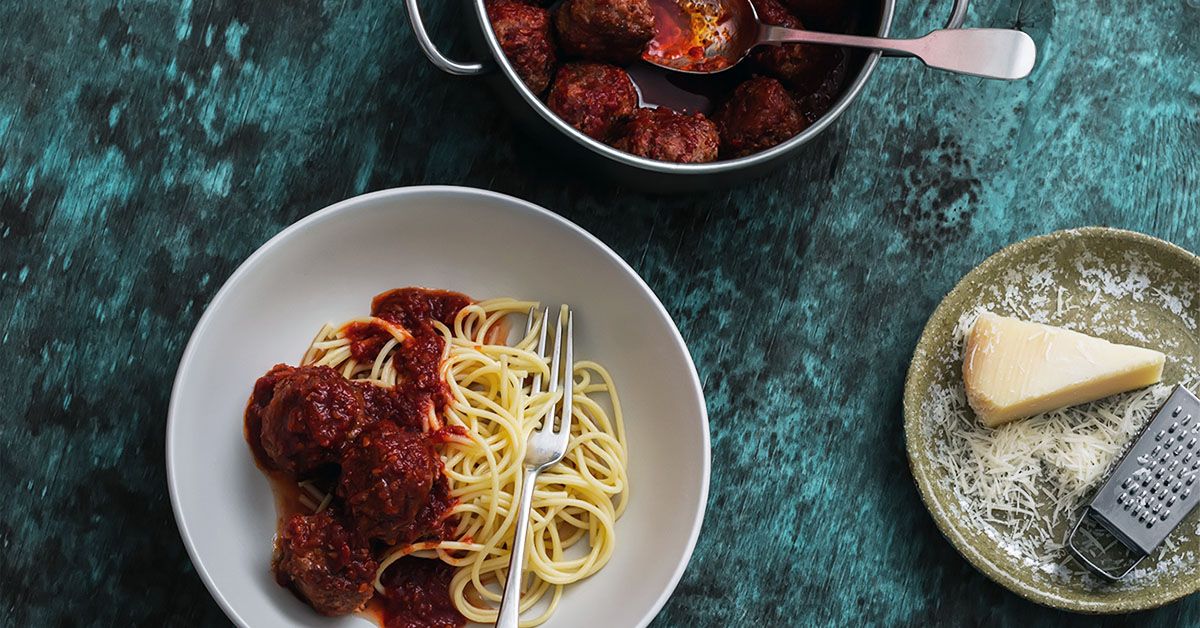
- Tomato beef pasta sauce: A small amount of lean beef simmered with tomatoes, zucchini, mushrooms, and whole-grain pasta.
What Heart Experts Still Emphasize
Even with promising lean-beef research, major heart-health guidance still points toward an overall pattern: eat more fruits and vegetables, choose whole grains, prioritize unsaturated fats, include seafood and plant proteins, limit saturated fat, reduce sodium, minimize added sugars, and avoid heavily processed foods. Lean meats may fit, but they should not push beans, nuts, fish, or vegetables off the plate.
For people watching cholesterol, saturated fat remains a key concern. Fatty meats, butter, lard, full-fat dairy, and many packaged desserts can increase saturated fat intake quickly. If lean beef is included, it should be balanced against the rest of the day’s saturated fat sources.
Experience-Based Notes: What Eating Lean Beef for Heart Health Feels Like in Real Life
In real kitchens, the question is not only “What did the study say?” It is also “Can I actually eat this way on a Tuesday when I am tired, hungry, and one minor inconvenience away from ordering fries?” That is where lean beef can be surprisingly useful. Many people enjoy beef because it feels satisfying, familiar, and easy to build meals around. When the cut is lean and the portion is modest, it can help make a vegetable-heavy meal feel complete instead of like a punishment from the salad committee.
A practical experience many home cooks notice is that lean beef works best when it is treated as an ingredient, not the whole event. For example, a small amount of lean ground beef in a bean chili can stretch across several servings while adding savory flavor and protein. A few strips of sirloin in a stir-fry can make a mountain of broccoli, peppers, onions, and mushrooms feel hearty. A Mediterranean bowl with lean beef, chickpeas, greens, and olive oil can taste restaurant-worthy without turning dinner into a saturated-fat festival.
Another helpful lesson: seasoning matters. Lean beef has less fat, so it benefits from smart flavor support. Marinades with lemon juice, vinegar, garlic, herbs, and a little olive oil can make lean cuts more tender and flavorful. Spice blends can also help reduce the urge to add heavy sauces. A lean steak with rosemary, garlic, black pepper, and roasted vegetables can feel indulgent without needing butter to do all the talking.
Portion awareness also gets easier with routine. At first, a 3-ounce serving may look smaller than expected, especially if someone is used to restaurant portions. But when that serving is paired with roasted sweet potatoes, a crisp salad, beans, or whole grains, the meal can still feel generous. The trick is visual abundance: fill the plate with colorful foods so the beef becomes the rich, satisfying centerpiece rather than the only thing happening.
People also tend to do better when they plan beef meals intentionally instead of eating it by accident every day. For instance, choosing lean beef once or twice a week, fish another night, beans or lentils another night, poultry another, and eggs or tofu another can create variety without feeling restrictive. Heart-healthy eating is easier when it feels like a rotation, not a rulebook written by someone who hates joy.
The most realistic takeaway from experience is simple: lean beef can fit into a heart-conscious lifestyle, but it behaves best when surrounded by good company. Give it vegetables, whole grains, beans, olive oil, herbs, and reasonable portions. Keep processed meats as occasional treats. Pay attention to cholesterol numbers, blood pressure, and how your overall diet looks across the week. Your heart does not grade one meal in isolation; it reads the whole report card.
Conclusion: Lean Beef Can Fit, But the Pattern Wins
The new research does not turn beef into a miracle food, and it does not erase years of heart-health advice. What it does offer is a more balanced message: moderate portions of lean, unprocessed beef may be safe for many healthy adults when included in a Mediterranean-style eating pattern. The most important factor is the company beef keeps on the plate.
If your lean beef is paired with vegetables, fruits, whole grains, legumes, olive oil, and sensible portions, it can be part of a heart-smart routine. If it arrives processed, oversized, salty, and surrounded by refined carbs, the story changes quickly. For heart health, choose lean cuts, keep portions reasonable, limit processed meats, and build meals around whole foods. In short: beef can come to dinner, but vegetables should still get the best seat at the table.