Mushrooms are the quiet scene-stealers of the produce aisle. They do not flash bright colors like bell peppers or demand attention like a dramatic pineapple, but give them a hot pan, a little patience, and a pinch of salt, and suddenly they become smoky, savory, meaty, and almost suspiciously delicious. Whether you are looking at mushroom pictures to identify common varieties, planning a cozy dinner, or wondering whether mushrooms are actually good for you, this guide brings everything together in one practical, kitchen-friendly place.
From white button mushrooms to shiitake, oyster, portobello, maitake, enoki, porcini, and morels, each type has its own look, texture, flavor, and best cooking method. Some are mild and easygoing, while others taste earthy, nutty, peppery, or deeply umami. Think of mushrooms as nature’s flavor spongesexcept they are much more sophisticated than a sponge and far better in risotto.
This article explores popular mushroom types, how to recognize them visually, their health benefits, smart cooking tips, and real-life experience-based advice for using them confidently at home. One important reminder before we begin: admire wild mushroom pictures all you want, but never eat wild mushrooms unless they have been identified by a qualified expert. Some poisonous mushrooms look dangerously similar to edible ones, and cooking does not make every toxic mushroom safe.
Why Mushroom Pictures Are So Helpful
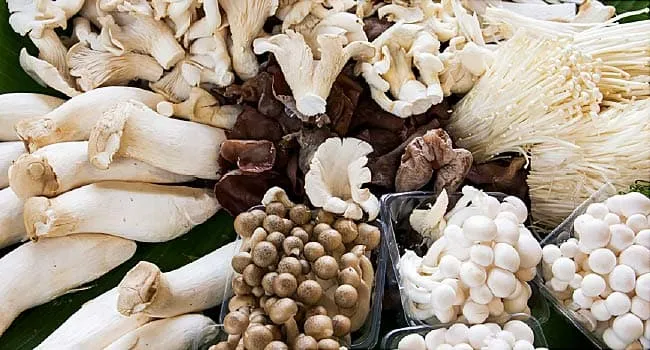
Searching for mushroom pictures is more than casual curiosity. Pictures help cooks understand shape, color, texture, gills, caps, stems, and cooking potential. A portobello mushroom, for example, looks like a large brown umbrella with a thick cap and dark gills. Enoki mushrooms look like delicate white noodles with tiny caps. Oyster mushrooms fan out like soft shelves, while morels have a honeycomb-like cap that makes them instantly recognizableat least in theory.
Visual guides are especially useful when shopping. If a recipe calls for cremini mushrooms and the store label says “baby bella,” you can relax. They are essentially the same kind of mushroom at a similar stage of maturity. If a dish asks for shiitake, pictures help you notice the brown umbrella-shaped cap and firm stem, which is usually removed before cooking because it can be tough.
However, mushroom pictures should not be used as the only tool for wild mushroom identification. Many toxic mushrooms can resemble edible varieties. Use pictures for culinary learning, shopping, recipe planning, and food photography inspirationnot for risky foraging decisions.
Common Types of Mushrooms and How to Use Them
1. White Button Mushrooms
White button mushrooms are the classic supermarket mushroom. They are small, pale, round, and mild in flavor. In mushroom pictures, they usually appear smooth, firm, and creamy white with short stems. They are popular because they are affordable, widely available, and flexible enough for salads, soups, pizza, omelets, stir-fries, and sauces.
Their flavor is gentle when raw but becomes more savory when cooked. For best results, slice them evenly and cook them over medium-high heat until their moisture evaporates and the edges brown. If they look gray and watery, they are not ruined; they are simply waiting for you to keep cooking them a few more minutes.
2. Cremini Mushrooms
Cremini mushrooms, also called baby bella mushrooms, are light to medium brown and slightly firmer than white button mushrooms. They have a deeper, earthier flavor but are still easy to use in everyday meals. They are excellent in pasta, gravy, stuffed mushrooms, breakfast scrambles, and pan sauces.
If you want a simple mushroom upgrade without confusing your grocery list, swap white buttons for cremini. They bring more color and flavor with almost no extra effort. That is the kind of kitchen math everyone can appreciate.
3. Portobello Mushrooms
Portobello mushrooms are large, mature brown mushrooms with wide caps and a meaty texture. In pictures, they look broad, dark, and sturdy, making them easy to spot. Their size makes them ideal for grilling, roasting, stuffing, slicing into fajitas, or using as a plant-forward burger-style filling.
Before cooking, gently remove the stem. Some cooks scrape out the dark gills if they want a cleaner look or less color bleeding into a dish, but this step is optional. Portobellos love bold flavors such as garlic, balsamic vinegar, herbs, black pepper, smoked paprika, and olive oil.
4. Shiitake Mushrooms
Shiitake mushrooms have brown caps, pale undersides, and a rich, savory aroma. Their flavor is deeper than button or cremini mushrooms, with a slightly smoky, almost broth-like quality. They are excellent in ramen, stir-fries, rice bowls, dumpling fillings, miso soup, and vegetable sautés.
The stems are usually tough, so remove them before cooking. Do not throw them away if they are clean; they can flavor homemade stock. Shiitakes are best cooked thoroughly, which improves texture and flavor.
5. Oyster Mushrooms
Oyster mushrooms are beautiful in pictures because they grow in soft clusters with fan-shaped caps. They may be white, gray, tan, yellow, or pink depending on the variety. Their texture becomes tender and slightly chewy when cooked, and their edges can crisp beautifully in a hot pan.
They are wonderful sautéed, roasted, fried, or pulled apart into strips for tacos and sandwiches. A hot skillet, a little oil, and enough space in the pan can turn oyster mushrooms into golden, crispy bites that make people ask, “Wait, this is mushroom?”
6. Maitake Mushrooms
Maitake mushrooms, sometimes called hen-of-the-woods, grow in feathery clusters with ruffled edges. Their texture is delicate yet hearty, and their flavor is earthy, woodsy, and complex. They roast beautifully because all those little edges become crisp and fragrant.
Use maitake mushrooms as a side dish, a steak topping, a grain bowl ingredient, or a pasta add-in. They are also excellent with butter, thyme, garlic, soy sauce, lemon, and parsley.
7. Enoki Mushrooms
Enoki mushrooms are long, thin, pale mushrooms with tiny caps. In pictures, they look almost like a bundle of noodles. Their texture is delicate and slightly crunchy, and they are often used in soups, hot pots, noodle bowls, and quick stir-fries.
Trim off the dense root end before cooking. Because enoki mushrooms are slim, they cook quickly. Add them near the end of cooking so they keep some texture instead of disappearing into the pot like shy little noodles.
8. Porcini Mushrooms
Porcini mushrooms are prized for their bold, nutty, deeply savory flavor. Fresh porcini can be harder to find, but dried porcini are widely used in soups, risotto, sauces, and stews. They have a powerful aroma that can transform a simple broth into something that tastes like it has been simmering in an Italian grandmother’s kitchen all afternoon.
To use dried porcini, soak them in warm water until softened, then strain the soaking liquid through a fine filter to remove grit. That liquid is liquid gold for sauces, soups, and rice dishes.
9. Morel Mushrooms
Morels are famous for their honeycomb-like caps and rich, nutty flavor. They are seasonal, often expensive, and beloved by chefs. Morel mushroom pictures are easy to recognize because the caps look like little natural sponges. However, false morels can be toxic, so safe sourcing is essential.
Buy morels from reputable sellers, clean them carefully, and cook them thoroughly. They pair beautifully with butter, cream, eggs, asparagus, chicken, pasta, and spring herbs.
Health Benefits of Mushrooms
Mushrooms are not magic, despite the fact that they appear mysteriously after rain and make pasta taste like it has a culinary degree. They are, however, a nutrient-rich food that can support a balanced diet. Most common edible mushrooms are naturally low in calories and fat while providing important nutrients such as B vitamins, selenium, copper, potassium, fiber, and antioxidants.
Mushrooms Support Everyday Nutrition
Mushrooms provide riboflavin, niacin, pantothenic acid, and other nutrients involved in energy metabolism. They also contain minerals such as selenium and copper, which help support normal body functions. Potassium, found in many mushroom varieties, plays a role in fluid balance and muscle function.
Because mushrooms are savory and satisfying, they can help make meals feel hearty without relying only on heavy sauces or large amounts of meat. This is one reason mushrooms are often used in “blend” recipes, where chopped mushrooms are mixed with ground meat to add moisture, flavor, and volume.
Mushrooms and Vitamin D
One of the most interesting facts about mushrooms is their relationship with vitamin D. When exposed to ultraviolet light, mushrooms can produce vitamin D2. Not all mushrooms contain meaningful amounts of vitamin D, so labels matter. Some packages clearly say “UV-exposed” or “high in vitamin D.”
This makes mushrooms unusual among plant-forward foods. They are not a replacement for medical advice or supplements when needed, but they can be a useful part of a varied diet, especially when you choose UV-exposed varieties.
Mushrooms Contain Antioxidants
Mushrooms contain antioxidant compounds, including ergothioneine and glutathione. Antioxidants help the body manage oxidative stress as part of normal metabolism. Different mushroom varieties contain different levels, which is a great excuse to eat more than one kind. Variety is not just more interesting; it can also broaden your nutrient intake.
Mushrooms Can Support Plant-Forward Eating
Mushrooms are not vegetables botanically, but in the kitchen they behave like vegetable royalty. They add umami, texture, and depth to meatless meals. Portobellos can stand in for steak-like slices, oyster mushrooms can become crispy taco filling, and finely chopped cremini mushrooms can enrich chili, sloppy joes, meatballs, or pasta sauce.
If you are trying to eat more plant-forward meals, mushrooms help bridge the flavor gap. They do not taste like pretending. They taste like dinner.
How to Choose Fresh Mushrooms
Fresh mushrooms should look firm, plump, and drynot slimy, shriveled, or bruised. A little soil or growing medium is normal, but avoid packages with excessive moisture, dark wet spots, or a sour smell. Whole mushrooms usually last longer than pre-sliced mushrooms because less surface area is exposed to air.
For white button and cremini mushrooms, look for smooth caps and a fresh, mild aroma. For oyster mushrooms, choose clusters that look clean and springy. For shiitake, look for caps that are firm and not overly curled or dry. For portobellos, choose caps that are intact and not soggy.
How to Store Mushrooms
Mushrooms like airflow. Store them in the refrigerator in their original breathable container or in a paper bag. Avoid sealing fresh mushrooms tightly in plastic for long periods because trapped moisture can make them slimy. If you buy mushrooms wrapped in plastic, use them within a few days for best quality.
Do not wash mushrooms before storing them. Clean them right before cooking. Moisture is the enemy of freshness, and mushrooms already contain plenty of their own water. They do not need a pre-bath and a spa robe.
How to Clean Mushrooms
For most store-bought mushrooms, wipe away dirt with a damp paper towel, clean kitchen towel, or soft brush. If mushrooms are very dirty, give them a quick rinse under cool water and dry them immediately. The key word is quick. Do not soak them unless a specific recipe or mushroom type requires special cleaning.
Morels need extra attention because their honeycomb caps can trap grit. Slice them open, inspect carefully, rinse briefly if needed, and dry well before cooking.
Best Tips for Cooking Mushrooms
Use Enough Heat
The most common mushroom mistake is cooking them too gently. Mushrooms release water as they heat. If the pan is too cool, they simmer in their own liquid and turn rubbery. Use medium-high to high heat so the moisture evaporates and the mushrooms brown.
Do Not Crowd the Pan
Crowding traps steam. If you pile a mountain of mushrooms into a small skillet, they will sweat like they just remembered a deadline. Cook in batches if needed. Space gives mushrooms room to brown.
Salt at the Right Time
Salt draws out moisture. Some cooks salt early to help mushrooms release water; others salt after browning to preserve texture. Both can work. For beginners, try cooking mushrooms until they release moisture and begin to brown, then season. This gives you more control.
Let Browning Happen
Do not stir constantly. Spread mushrooms in the pan and let them sit for a minute or two. Browning creates deeper flavor. When the edges turn golden, stir and repeat.
Pair Mushrooms With Flavor Builders
Mushrooms love garlic, onions, shallots, thyme, rosemary, parsley, black pepper, soy sauce, miso, butter, olive oil, cream, wine, lemon, balsamic vinegar, and Parmesan. They also pair well with grains, eggs, chicken, beef, tofu, beans, pasta, potatoes, and leafy greens.
Simple Mushroom Cooking Ideas
Garlic Butter Mushrooms
Sauté cremini or button mushrooms in olive oil until browned. Add butter, minced garlic, salt, pepper, and parsley. Finish with a squeeze of lemon. Serve with steak, chicken, eggs, toast, or rice.
Crispy Oyster Mushroom Tacos
Pull oyster mushrooms into strips. Sear them in a hot skillet until browned and crisp at the edges. Season with smoked paprika, cumin, garlic powder, salt, and lime juice. Serve in warm tortillas with slaw and avocado.
Portobello Mushroom Burgers
Marinate portobello caps with olive oil, balsamic vinegar, garlic, salt, and pepper. Grill or roast until tender. Serve on buns with lettuce, tomato, caramelized onions, and a tangy sauce.
Shiitake Noodle Bowl
Sauté sliced shiitakes with ginger and garlic. Add broth, soy sauce, noodles, greens, and a soft-boiled egg or tofu. The result is cozy, savory, and much faster than waiting for takeout.
Mushroom Risotto
Use cremini, shiitake, or porcini for a rich risotto. Cook mushrooms separately until browned, then fold them into creamy rice near the end. Add Parmesan and parsley for a restaurant-style finish.
Food Safety Tips for Mushrooms
Always buy mushrooms from reputable stores, farms, or trusted markets. Avoid eating wild mushrooms unless they have been identified by a trained expert. Some poisonous mushrooms can cause serious illness, and dangerous toxins may not be destroyed by cooking, freezing, or drying.
Cook specialty mushrooms thoroughly, especially varieties such as morels and shiitakes. Store fresh mushrooms in the refrigerator and use them while they still look and smell fresh. If mushrooms become slimy, sour-smelling, or mushy, it is time to say goodbye. Not every kitchen relationship is meant to last.
Experience-Based Mushroom Tips From the Kitchen
After cooking mushrooms in many everyday meals, one lesson becomes clear: mushrooms reward patience. The first few minutes in the pan can look discouraging. They shrink, release liquid, and sometimes seem like they are heading toward a gray, sad future. But if you keep the heat steady and allow the water to cook off, they transform. The color deepens, the edges brown, and the aroma changes from raw and earthy to rich and savory. That is the moment when mushrooms stop being an ingredient and become the reason people wander into the kitchen asking what smells so good.
One helpful habit is to match the mushroom to the mood of the meal. For fast weekday cooking, sliced cremini mushrooms are reliable. They work in scrambled eggs, quesadillas, fried rice, pasta, and soups. For a dinner that needs a centerpiece, portobello caps feel more substantial. They can be roasted with garlic and herbs, sliced over mashed potatoes, or tucked into sandwiches. For something crisp and fun, oyster mushrooms are the star. When pressed lightly in a hot pan, they develop browned edges and a satisfying chew that makes them perfect for tacos or rice bowls.
Another experience-based tip is to stop treating mushrooms like a background vegetable. They can handle bold seasoning. Soy sauce brings out umami. A splash of vinegar or lemon brightens the finish. Butter adds richness, while olive oil helps with browning. Garlic is a classic partner, but add it after the mushrooms have released moisture so it does not burn before the mushrooms are ready. Fresh herbs at the end make the dish taste cleaner and more intentional.
Mushrooms are also excellent for stretching meals. Finely chopped mushrooms can be mixed into ground beef, turkey, or plant-based crumbles for tacos, burgers, chili, and pasta sauce. They add moisture and savory depth without taking over. This is especially useful when cooking for people who claim they “do not like mushrooms.” The trick is not to hide them in a suspicious way, but to use them where their texture and flavor make the whole dish better. Tiny browned mushrooms in a tomato sauce are much harder to object to than a giant slippery slice sitting on top like a dare.
For food photography and web publishing, mushroom pictures look best when the mushrooms have contrast. Raw mushrooms are useful for identification shots, but cooked mushrooms need browning, herbs, texture, and light. A bowl of creamy mushroom soup looks more appealing with a swirl of cream, cracked pepper, and a few crisp mushroom slices on top. A mushroom pasta looks better when the mushrooms are visible rather than buried under sauce. For a guide like this, include pictures of whole mushrooms, sliced mushrooms, and finished dishes so readers understand both identification and kitchen use.
The final kitchen lesson is simple: buy a little more than you think you need. Mushrooms shrink as they cook because they contain a lot of water. A full pan can become a modest side dish very quickly. That shrinkage is not a flaw; it is concentration. The flavor becomes deeper, the texture improves, and the finished dish tastes richer. In other words, mushrooms may disappear in size, but they show up big in flavor.
Conclusion
Mushrooms are one of the most useful ingredients a home cook can learn to understand. Mushroom pictures help you recognize common types, choose the right variety for a recipe, and appreciate the wide range of shapes and textures these fungi offer. White button mushrooms are mild and practical, cremini add everyday depth, portobellos bring meaty structure, shiitakes offer savory intensity, oyster mushrooms crisp beautifully, and morels deliver seasonal elegance when safely sourced.
Beyond flavor, mushrooms can contribute valuable nutrients, including B vitamins, minerals, fiber, and antioxidants. Some UV-exposed mushrooms also provide vitamin D. The best results come from smart shopping, proper storage, safe handling, and confident cooking. Use enough heat, avoid crowding the pan, season thoughtfully, and let browning do its delicious work.
Whether you are building a picture guide, writing a recipe post, or simply deciding what to cook tonight, mushrooms deserve a regular place in the kitchen. They are affordable, adaptable, nutrient-rich, and full of umami. Not bad for something that grows in the dark and still manages to brighten dinner.