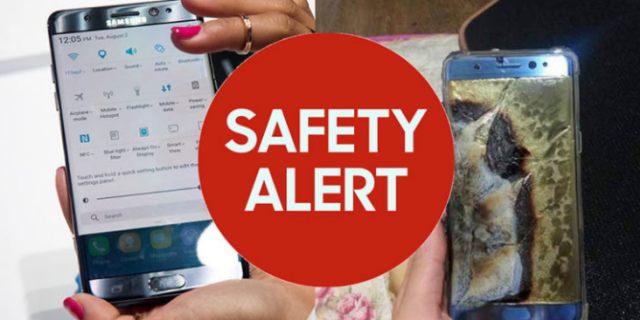
When the Samsung Galaxy Note 7 launched in August 2016, it looked like a superstar. Reviewers loved the curved display, iris scanner, water resistance, premium design, and the kind of polished feel that made people say, “Yep, this thing is expensive, and it knows it.” Then reality barged in wearing steel-toe boots. Reports of overheating batteries, smoking devices, and phones catching fire turned one of the year’s most anticipated smartphones into one of the biggest product failures in consumer tech history.
The Samsung Galaxy Note 7 recall was not just a bad week for a phone maker. It became a case study in product safety, battery engineering, crisis management, airline policy, and consumer trust. It also became the rare gadget story that escaped the tech bubble and ended up everywhere from morning news shows to airport gate announcements. Nothing says “brand crisis” quite like a smartphone becoming too notorious to board a plane.
A Flagship Phone That Started Strong and Fell Fast
The Note 7 entered the market with real momentum. Samsung had strong smartphone buzz, Apple competition was heating up, and the Note line already had a loyal following among users who wanted big screens and productivity tools. On paper, the Note 7 had all the ingredients of a hit. In real life, it had a battery problem that turned “premium mobile experience” into “please power down immediately.”
Within weeks of launch, reports began surfacing that some Galaxy Note 7 units were overheating during charging or normal use. In early September 2016, Samsung announced a global recall after identifying battery-cell issues. At that point, the company said dozens of incidents had already been reported. That early response was dramatic, but the full scale of the crisis had not yet arrived. The first recall was supposed to stop the damage. Instead, it became the opening chapter.
The Formal U.S. Recall and Why It Mattered
The First Major Warning
In the United States, the situation quickly became more serious because regulators got involved. The U.S. Consumer Product Safety Commission issued a formal recall covering about 1 million Galaxy Note 7 smartphones sold before September 15, 2016. Consumers were told to stop using the devices and power them down. That was not subtle guidance. It was the kind of warning companies never want printed next to their product name.
The CPSC said Samsung had received 92 reports in the United States of batteries overheating. Those reports included 26 burns and 55 cases of property damage, including fires in cars and a garage. That detail mattered because it pushed the story beyond “isolated tech glitch” territory. This was now a clear public-safety issue involving real injuries, damaged property, and a flagship device that people carried in pockets, backpacks, bedrooms, and vehicles every day.
Why Consumers Were So Confused
One reason the Samsung Galaxy Note 7 recall became so chaotic was that it moved incredibly fast. Samsung first announced a voluntary replacement effort, then the official U.S. recall followed, and many customers were left trying to figure out whether their specific phone was safe, recalled, replaced, or still waiting to be replaced. That confusion is deadly in a recall. A good recall message needs to be boringly clear. The Note 7 situation was memorable, but not always clear.
What Caused the Samsung Galaxy Note 7 Battery Explosions?
The short answer is batteries. The longer answer is two separate battery problems across two waves of devices, which is part of what made the disaster so damaging. In January 2017, Samsung released findings from a large investigation that involved 700 engineers, testing on more than 200,000 devices and 30,000 batteries, and outside analysis by UL, Exponent, and TÜV Rheinland. The conclusion was that the Note 7 problem came from the batteries, not the phone’s software or broader hardware design.
According to Samsung’s findings, the original batteries suffered from a design flaw. In simple terms, there was not enough room in part of the battery structure, which made internal electrodes vulnerable to bending. That increased the risk of a short circuit. The replacement batteries had a different problem: a manufacturing defect tied to welding, plus, in some cases, missing insulation tape. So the first batch had one battery fault, and the replacement batch had another. It was not one bad coin flip. It was lightning striking twice, which is the sort of thing crisis managers see in nightmares.
To understand why that mattered, it helps to remember how lithium-ion batteries work. They store a lot of energy in a small space. That is great for making slim, powerful phones. It is less great when internal materials deform, puncture, or short-circuit. When the internal barrier between positive and negative components fails, heat can build rapidly in a chain reaction known as thermal runaway. Once that starts, a phone battery can smoke, swell, ignite, or burn. Tiny device. Big consequences.
Why the Replacement Program Failed
Samsung tried to fix the problem by replacing recalled phones with units that were supposed to be safe. The company even created visual cues so consumers could tell the difference. Safe replacement units were associated with a green battery icon, and packaging markings were used to distinguish replacement devices from recalled ones. On paper, that should have stabilized the crisis. In practice, it made the second wave even more shocking.
Then came the reports that replacement Note 7 phones were also overheating and catching fire. One of the most widely reported incidents involved a replacement device on a Southwest Airlines plane in Louisville. The phone began smoking before takeoff, and the aircraft was evacuated at the gate. No injuries were reported, but the symbolism was brutal. A replacement phone that was supposed to calm the public instead reignited the story in the most public setting imaginable: a commercial flight.
That incident, along with other reports involving replacement units, shattered confidence in the exchange program. Wireless carriers started halting sales and exchanges. Consumers who had done exactly what they were told now had a fresh reason to panic. Samsung was no longer just battling a defect. It was battling the perception that even its fix was unreliable.
The Second Recall, the Shutdown, and the Flight Ban
By October 2016, the crisis had fully escalated. Samsung asked partners to stop sales and exchanges of the Galaxy Note 7. Soon after, the company permanently ended production of the device. The CPSC expanded the U.S. recall to cover all Galaxy Note 7 smartphones, including replacements. In other words, if it said “Note 7,” it was now part of the problem.
Then the U.S. Department of Transportation, working with the FAA and PHMSA, banned all Samsung Galaxy Note 7 devices from air transportation in the United States. Starting October 15, 2016, passengers could not carry one on their person, pack it in checked baggage, or place it in carry-on luggage. It was also barred as air cargo. That move transformed the recall from a serious tech failure into a mainstream cultural cautionary tale. Plenty of products get recalled. Very few get told, “You are not flying with this thing.”
The airline ban also underscored a larger issue: smartphone batteries are not trivial accessories. They are energy-dense components that travel everywhere with consumers, including enclosed spaces like airplanes, cars, schools, offices, and homes. The Note 7 story forced both regulators and the public to treat battery safety as a front-page topic rather than a technical footnote.
How Samsung Tried to Recover
Refunds, Returns, and Software Pressure
Samsung and its carrier partners pushed customers toward refunds or exchanges for other devices. The company also used software updates to nag owners of recalled phones, limit charging in some markets, and make it harder to continue using unreturned devices. That approach was aggressive, but understandable. A recalled phone sitting in a drawer might still be dangerous. A recalled phone still being used daily was worse.
Samsung also used special packaging for returns, including fire-resistant shipping materials and detailed handling instructions. It was a reminder that the company was not just collecting old electronics. It was collecting potentially hazardous devices from millions of consumers.
The Investigation and New Safety Standards
In the aftermath, Samsung rolled out an 8-Point Battery Safety Check and a broader set of internal quality-control changes. It also formed a battery advisory group with outside experts. By January 2017, Samsung said more than 96 percent of the roughly 3 million Note 7 devices sold globally had been returned. That return rate showed the scale of the operation, but it also showed how much effort it took to unwind one failed product launch.
What the Galaxy Note 7 Recall Changed in Tech
The Samsung Galaxy Note 7 recall changed the smartphone industry in several ways. First, it made battery quality assurance a boardroom issue, not just an engineering issue. Second, it highlighted how dangerous speed can be when companies are racing to deliver thin, powerful devices with fast charging and tight internal packaging. Third, it reminded everyone that trust is easier to lose than to rebuild. Consumers can forgive a bug. They are less forgiving when the object in their pocket starts acting like a movie prop from an action scene.
Ironically, the Note 7 was not remembered as a bad phone in the usual sense. It was remembered as a highly praised phone undone by catastrophic safety failures. That distinction is what keeps the story relevant. The recall was not about a weak camera or annoying software. It was about how even top-tier products from top-tier companies can fail when core safety systems fall short.
Experiences Related to the Samsung Galaxy Note 7 Recall
For many consumers, the Samsung Galaxy Note 7 recall was not just a headline; it was a weird, stressful, real-life experience. Imagine buying a brand-new flagship phone, proudly peeling off the protective film, setting up your apps, bragging to friends about the gorgeous screen, and then discovering that your expensive new gadget had become the electronic equivalent of a hot potato. That was the Note 7 experience for a lot of people in 2016.
Some owners described the early days of the recall as deeply confusing. First, there were scattered news reports. Then there were warnings from Samsung. Then there were carrier announcements, exchange programs, and safety advice that kept changing. Customers had to figure out whether their phone was part of the original batch, whether their replacement was actually safe, and whether they could still use the device for a few more days while waiting for the exchange. For a product meant to make life easier, the Note 7 suddenly required the kind of detective work usually reserved for tax forms and airline baggage rules.
Travel made the experience even stranger. Airport announcements started mentioning the Galaxy Note 7 by name. Flyers who were used to hearing reminders about seat belts and tray tables were now being told not to use, charge, or even bring a specific smartphone model on board. That turned an already embarrassing recall into a public ritual. No one wants to be the person nervously checking a pocket while a gate agent talks about fire hazards over the loudspeaker.
Then there was the social side of it. Owners said friends joked about the phone exploding on the table during dinner. Coworkers side-eyed it at the office. Family members asked whether it was safe to charge it overnight. Even if a specific phone never overheated, the reputation stuck. The device became suspicious by association. When a phone loses the room before it even loses battery percentage, the brand damage is already done.
Retail employees and carrier staff were pulled into the chaos too. They had to calm worried customers, process exchanges, explain which units were affected, and then explain again when replacement phones also became part of the problem. For consumers, that meant extra store visits, long customer-service calls, backed-up data transfers, and the deeply modern inconvenience of rebuilding your digital life because your phone was suddenly persona non grata.
What made the whole experience memorable was the emotional whiplash. People went from excitement to caution, from caution to annoyance, and from annoyance to outright disbelief when the replacement phones started failing too. The Note 7 recall became one of those rare tech stories people remember not because of benchmark scores or camera samples, but because it disrupted everyday life. It changed commutes, flights, shopping trips, charging habits, and confidence in a brand that many customers had trusted for years.
That is why the Note 7 still gets mentioned whenever battery safety comes up. It was not just a recall. It was a lived consumer experience, full of confusion, inconvenience, and a constant low-grade fear that your sleek new smartphone might decide to audition for a disaster documentary.
Conclusion
The Samsung Galaxy Note 7 recall remains one of the most important product-safety failures in smartphone history. What began as a celebrated flagship launch quickly turned into a two-stage recall, a federal aviation ban, a permanent discontinuation, and a sweeping lesson in how battery design and manufacturing mistakes can spiral into a global crisis. Samsung eventually identified the root causes, tightened safety standards, and recovered as a company, but the Note 7 remains the cautionary tale nobody in consumer electronics wants repeated.
In the end, the biggest lesson is simple: innovation is only impressive when it is safe. A beautiful screen, premium finish, and clever features mean very little when consumers are told to power down the product, box it up, and definitely not bring it on a plane.